


I sent my first newsletter to eleven people. Nine were family. One was my college roommate, who replied, “I love this, keep going!” within four minutes. The eleventh was probably a spam folder. I almost didn’t send the second one, because it felt a little silly to write to such a tiny audience. But that small, imperfect habit turned into the most reliable thing I’ve built online: a direct line to people who want to hear from me.
Newsletters have become one of the most talked-about ways to earn online, partly because everything else keeps shifting. Meta now limits link posts for non-paying business Pages. Reddit has said it’s ending RSS feed support and plans to shut down public API access. Platforms keep changing their rules, and AI inboxes are changing how email gets read: AI summaries have inflated open rates while click-through has dipped in some large datasets. At the same time, newsletter platforms keep growing. Several recent summaries report that Substack has passed roughly five million paid subscriptions, though numbers vary by source.
In this guide, I’ll show you how to start a newsletter and earn from it as a stay-at-home mom: how to choose a topic, grow an audience, and make money through paid subscriptions, sponsors, affiliate links, and your own products. (Most newsletters earn little at first, and income isn’t guaranteed.)
Why a Newsletter Works for Moms
- You own the relationship. No algorithm decides whether your subscribers see your message.
- It fits small pockets of time. You can write one focused email a week.
- It builds trust. People who open your emails regularly get to know you.
- It supports other income. Services, products, and affiliate recommendations all sell better to a warm list.
- It’s low cost. You can start for free on many platforms.
Here’s the truth: a newsletter is a slow-build asset. A small, engaged list can be worth more than a big, passive following.

Step 1: Pick a Focused Topic and Promise
Write one sentence:
“Every [week or two], I help [specific people] [achieve specific result] by sharing [type of content].”
Examples:
- “Every Thursday, I share three budget-friendly dinner plans for busy families.”
- “Every Sunday, I send simple routines for homeschooling with a toddler at your feet.”
- “Every other week, I explain a money lesson for moms in plain English.”
A clear niche helps people decide to subscribe and helps sponsors understand who’s reading.
Step 2: Choose a Platform
Popular options include newsletter-focused platforms and general email marketing tools. Compare:
- Cost and fees: Some take a percentage of paid subscriptions, while others charge monthly fees.
- Ownership and export: Make sure you can download your subscriber list at any time.
- Paid subscription tools, if you plan to charge
- Sponsorship and referral features
- Ease of use: The best platform is the one you’ll use weekly.
- Deliverability and support
Start simple. You can migrate later as long as you own your list.

Step 3: Build Your Foundation
- Create a simple signup page that states your promise.
- Write a welcome email that introduces you, gives your best resource, and asks one question to get replies.
- Add a lead magnet, such as a checklist, template, or short guide that solves one small problem.
- Set up basic email authentication if your platform asks (the setup guides are usually step by step).
- Include a clear unsubscribe link, and follow email and privacy rules.
Step 4: Create a Format You Can Sustain
Consistency beats complexity:
- Subject line: specific and honest
- Opening: a short personal story or observation
- Main lesson: one idea, explained clearly
- Action step: one thing the reader can do today
- Closing: a soft call to action, such as replying or checking out an offer
Send weekly or every two weeks at a pace you can keep during busy seasons. Because AI inboxes may summarize your email, put the key point near the top and make the rest worth reading.

Step 5: Grow Your List
- Tell people you know, and ask a few to share it.
- Put your signup link in your bio, website, email signature, and video descriptions.
- Use short videos and posts to teach one tip and invite viewers to get more by email.
- Share a “newsletter-only” tip as a teaser.
- Collaborate with other newsletter writers in complementary niches.
- Use referral tools, if your platform offers them.
- Guest on podcasts or write guest posts that point back to your signup page.
Because some platforms limit link posts, rely on bio links, stories, videos, and comments, and follow each platform’s rules.
Step 6: Measure What Matters
With AI summaries affecting open rates, look at:
- Click-through rate and replies
- List growth and unsubscribe rate
- Conversions: signups, sales, or bookings from your emails
- Revenue per subscriber, once you’re earning
- Spam complaint rate, which should stay very low
Ask readers what they love. Replies are gold.

Step 7: Choose Your Income Streams
You don’t need all of these. Start with one or two.
Your own products and services
Often the most reliable path: templates, guides, mini courses, coaching, or freelance services your readers need.
Affiliate recommendations
Share products you genuinely use and disclose the relationship clearly. Follow each program’s rules.
Sponsorships
Brands may pay to reach your readers once you have an engaged niche list. Expect sponsors to care about audience fit and engagement, not just list size. Accept only sponsors you’d recommend, label sponsored content clearly, and put terms in writing.
Paid subscriptions
Readers pay monthly or yearly for premium content, community, or extras. This usually works best when you’ve built trust with a free audience and offer something distinctly valuable, such as templates, deep dives, or live Q&As. Some platforms take a percentage of paid subscriptions, so read the fees.
Digital downloads and bundles
Sell planners, printables, or resource packs directly to your list.
Step 8: Stay Honest and Compliant
- Disclose sponsorships and affiliate links clearly.
- Don’t make promises you can’t support, especially about health, money, or results.
- Respect copyright in images, quotes, and music.
- Protect subscriber data and honor unsubscribe requests quickly.
- Use AI as a helper only: draft and brainstorm if you like, but write in your own voice, check facts, and don’t invent testimonials or stories.
Taxes and Business Basics
Newsletter income is generally self-employment income. In the U.S., net earnings of $400 or more trigger self-employment tax. Keep records, separate your finances, and set money aside for taxes. Rules for sales tax on digital subscriptions vary by location.

Mistakes to Avoid
- Starting with no clear topic.
- Chasing open rates instead of clicks and replies.
- Sending only promotions.
- Taking sponsors that don’t fit.
- Charging before you’ve built trust.
- Letting the schedule slip for weeks.
- Depending on one social platform to find readers.
Your 30-Day Newsletter Launch Plan
- Week 1: Write your promise, choose a platform, and set up your signup page.
- Week 2: Create your lead magnet and welcome email.
- Week 3: Send your first issue to friends and family, and ask for honest feedback.
- Week 4: Invite your wider audience, send issue two, and plan your first income stream.
Build Your Newsletter Into a Bigger Plan
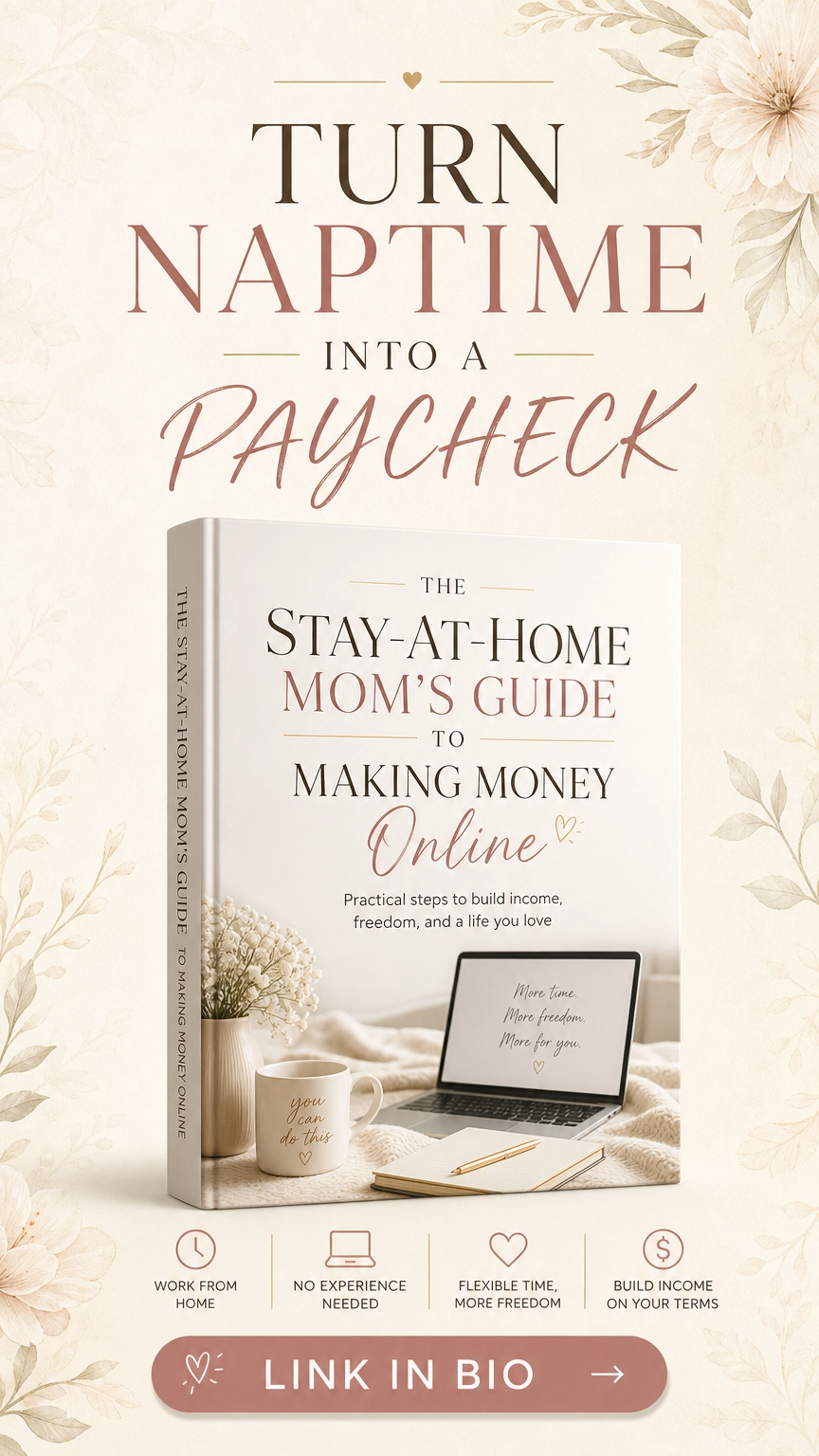
A newsletter is the heart of an online business you control. If you’d like a beginner-friendly roadmap made for moms, take a look at my ebook:
The Stay-At-Home Mom’s Guide To Making Money Online
Trust me, an audience you own is the best safety net a mom entrepreneur can have.
Final Thoughts
A newsletter is a quiet, steady way to build an audience and an income, even when social platforms keep changing the rules. Choose a clear promise, write consistently, grow with care, and monetize in ways that fit your readers. Your first issue may go to eleven people. That’s a perfectly good place to start.










Leave a Reply