

Here’s a confession: for years I tried to be everywhere. Instagram, TikTok, Pinterest, YouTube, LinkedIn, Facebook, you name it. I was posting constantly and growing nowhere. It wasn’t until I picked one or two platforms and learned how each one actually works that things finally started moving.
In 2026, that advice matters more than ever, because every platform is changing at once. YouTube’s search is turning into a chatbot, Instagram is testing an app that opens straight to Reels, Meta is putting links behind a paywall, and AI-generated “slop” is flooding feeds. If you’re trying to figure out where to focus, this guide to social media marketing trends for late 2026 will help you decide.
I’ll cover the newest platform updates, what the data says about where attention (and money) is going, and a simple plan to choose your platforms and content.
Trend 1: Short Video Keeps Winning, but Originality Matters
Short-form video remains the center of social discovery. Some of the latest signals:
- Instagram is testing an opt-in setting that opens the app directly to the Reels tab instead of the home feed. It’s still an experiment, but it shows where Instagram thinks attention is heading.
- YouTube Shorts generates over 200 billion daily views, and YouTube said channels that mostly repost other creators’ videos without meaningful changes will see their reach reduced. Commentary, remixing, and original framing still count as legitimate.
- LinkedIn research found that about half of young professionals say short-form video is the best way to engage Gen Z buyers.
What to do: Make short videos that include your own voice, opinion, or demonstration. A fast hook, one clear point, and a simple call to action beat a polished but generic clip.
Trend 2: Social Platforms Are Becoming Search Engines
This one is big. YouTube’s conversational AI search, Ask YouTube, has expanded to all U.S. users on mobile, web, and smart TVs. Instead of typing keywords, viewers can ask natural questions, and YouTube pulls together an answer using long videos, Shorts, and text summaries. It’s powered by Gemini, and YouTube’s CEO said the company plans to bring it to Shorts watch pages and live streams.
At the same time, social platforms are showing up in AI answers. A study of more than 100,000 keywords by SE Ranking found social or community sources in about 68% of Google AI Overviews. YouTube appeared most often in AI Overviews, while Reddit led in AI Mode and ChatGPT.
And according to a YouTube report, 73% of people say YouTube is the best place to explore personal interests, and 65% say something feels more legitimate when they see it on YouTube.
What to do:
- Write clear, descriptive video titles that answer a question (“How to…”, “Why does…”, “Best way to…”).
- Add chapters to longer videos.
- Say the question out loud in the first 10 seconds.
- Add a clear summary in your description.
- Participate in relevant communities honestly, without spamming.

Trend 3: AI Content Is Everywhere, and Platforms Want Honesty
Instagram chief Adam Mosseri said in a recent Q&A that Instagram doesn’t reduce reach just because content is made with AI, and that ranking is meant to show people what they’re interested in. He also acknowledged there’s a lot of low-quality AI content and said the platform wants people to know when something was made with AI. Meanwhile, earlier this fall Instagram announced reach limits for undisclosed AI-generated profiles.
What to do:
- Use AI as a helper (scripts, captions, editing), not as a replacement for your face, voice, or point of view.
- Disclose when AI plays a major role in what you publish.
- Focus on quality: one great post a week beats seven forgettable ones.
Trend 4: Free Reach for Links Is Shrinking
Meta’s new paid business plans came with limits on link posts for non-paying Facebook Pages. Meta also reported that posts without links account for roughly 98.7% of U.S. feed views. Separately, reports said Meta has started charging for some features, such as clickable links in certain Instagram posts.
Why this matters: you can’t rely on platforms to send you traffic forever. Build an email list so you own the relationship with your audience.
Trend 5: Where Your Ad Dollars Are Going
If you run paid social, a Metricool study of nearly 600,000 campaigns found:
- Meta’s average cost per lead rose to about $6.00, up about 14%.
- TikTok’s average cost per lead fell about 33% to around $2.69.
- Average cost per click was about $0.07 on Meta versus $0.03 on TikTok.
- 91% of advertisers only run Meta ads.
That doesn’t mean you should abandon Meta. It means test one additional platform with a small budget so you aren’t dependent on a single source.
Other platform news worth knowing:
- Pinterest says it has over 640 million monthly users and that most holiday shoppers use it to help decide what to buy.
- Snapchat research says most users enjoy browsing maps with no destination in mind and about 71% are open to visiting places they’ve seen as sponsored pins, which matters for local businesses.
- Threads advertisers no longer need a matching Instagram profile.
- LinkedIn launched digital business cards and a new Network feed, and is testing better creator discovery for B2B brands.
Trend 6: Gen Z, Creators and Authenticity
Takeaways from Advertising Week New York this month included a clear message about Gen Z: make sure the content truly feels like it comes from Gen Z, not from a brand pretending. Brands like Chili’s, Disney, and Alaska Airlines were highlighted for finding cost-effective success working with creators. The common thread is real people, real voices.
What to do: Work with micro-creators and customers, share behind-the-scenes content, and let your team’s personalities show.
How to Choose Your Platforms (Simple Framework)
- Start with your customer. Where do they already spend time?
- Match the platform to your goal.
- Discovery and search: YouTube, Pinterest
- Quick reach and trends: TikTok, Instagram Reels
- B2B and professional trust: LinkedIn
- Local foot traffic: Instagram, Snapchat, Google Business Profile
- Pick one main platform and one support platform. Do them well for 90 days.
- Repurpose, don’t duplicate. Turn one idea into a short video, a few images, and an email.
- Track simple metrics. Views, saves, shares, clicks, signups, and sales.
Pro tip: If you’re overwhelmed, choose YouTube plus email. Video builds trust and search visibility, and email gives you a channel nobody can take away.

A 30-Day Social Media Plan
- Week 1: Choose your main and support platforms. Optimize your profiles with a clear bio and link.
- Week 2: Plan 12 content ideas based on questions customers ask.
- Week 3: Publish consistently (three to four times a week) and note which posts get saves and shares.
- Week 4: Double down on your top two formats and add a call to action to join your email list.
Need a Complete Social and Marketing Roadmap?
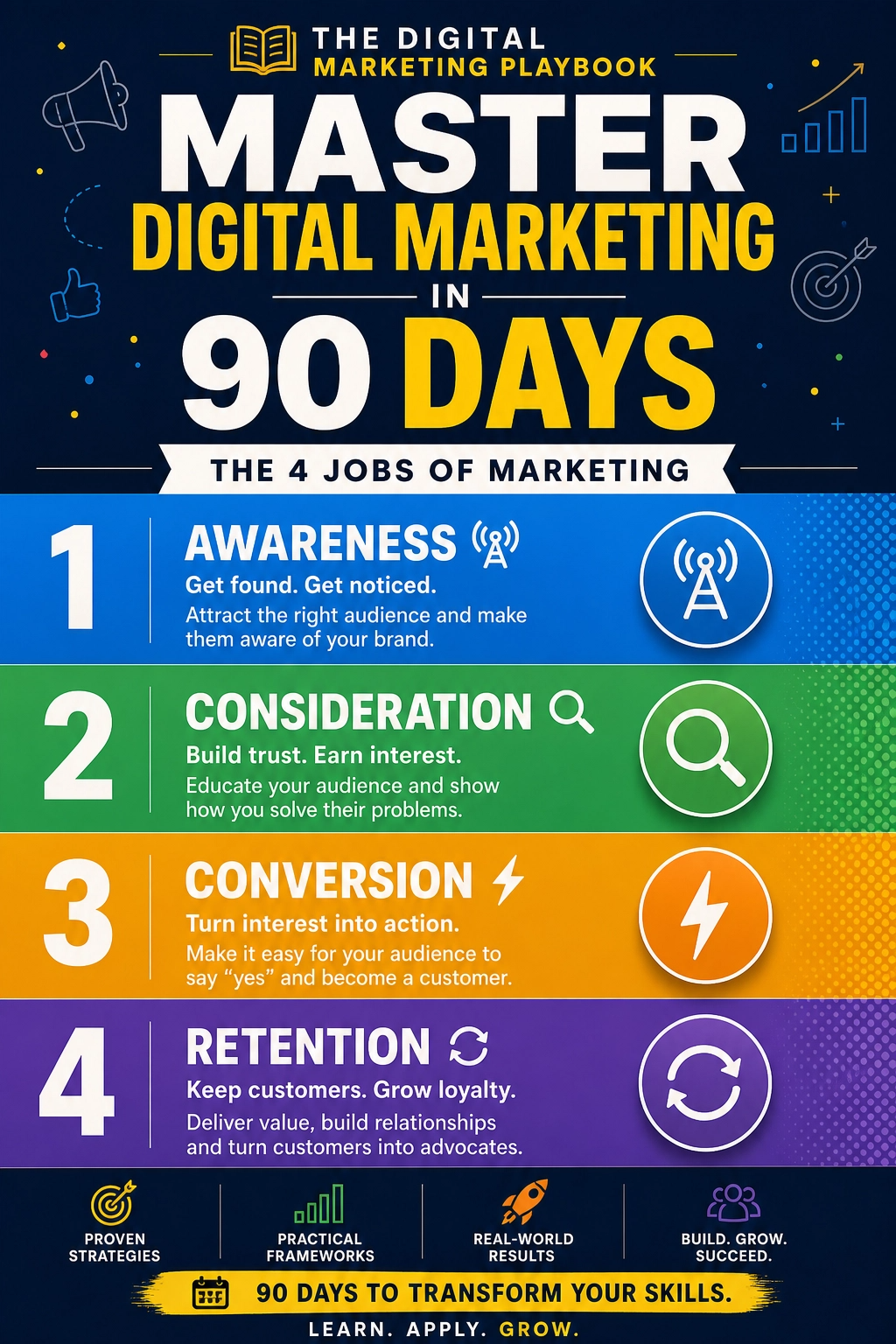
If you want a step-by-step system for choosing channels, creating content, and turning followers into customers, my guide can help you skip the guesswork:
The Digital Marketing Playbook
Trust me, a plan beats posting randomly every time.
Final Thoughts
Social media in late 2026 rewards creators who are original, consistent, and honest. Platforms are becoming search engines, AI content is flooding feeds, and free link reach is shrinking. Choose your platforms carefully, make content that answers real questions, and build an email list as your safety net. You don’t need to be everywhere. You need to be useful where it counts.









Leave a Reply