

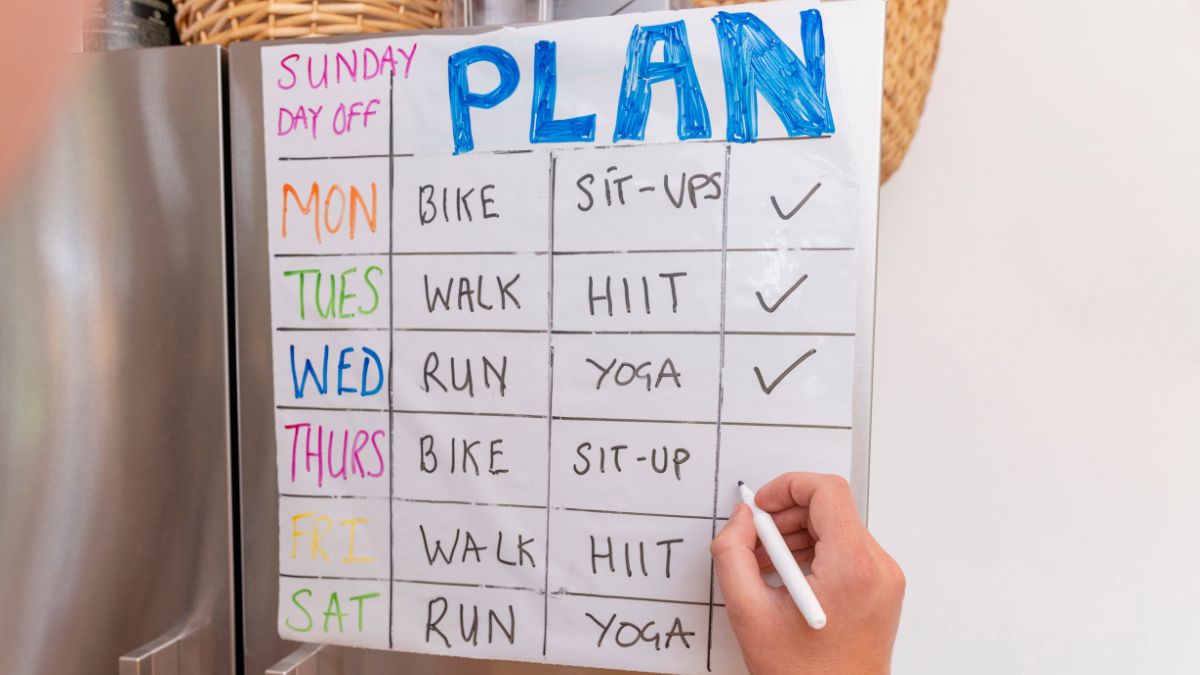
Here’s something nobody told me when I started: a personal brand isn’t built in a weekend, but it also isn’t built in a decade. Most of the visible shift I’ve seen, in myself and in the people I’ve coached, happens in about 90 days of focused, boring, consistent work. Clear message, steady content, a few real conversations a week. That’s it.
And right now is a great time to start. This autumn, platforms are rewarding original voices, LinkedIn is adding tools for real relationships, Google is opening search profiles to more creators, AI answers are citing people with specific experience, and the final quarter of the year gives you a natural runway to build before 2027.
In this guide, I’ll give you a 90-day personal brand plan for 2026: a week-by-week roadmap you can follow even if you’re busy, shy, or starting from zero.
Before You Begin: What Personal Branding Actually Is
A simple definition shared at a university personal branding session this week stuck with me: personal branding is how others experience and perceive you, and how you communicate your unique value through the way you speak, act, and present yourself.
That means three things:
- It already exists. People form impressions of you whether you build a brand or not.
- It’s about trust, not fame. You don’t need a huge following. You need the right people to understand and trust you.
- It’s built from consistent evidence. Your words, work, and behavior over time.
A quick reminder from the latest statistics roundups: many numbers are recycled and directional, so focus on testing what works for your audience rather than chasing a benchmark.

What’s Changed in 2026 (Quick Recap)
Here are the updates that shape this plan:
- Authenticity is rewarded. Instagram limits reach for undisclosed AI-generated profiles, YouTube is reducing reach for reposted Shorts, and Google’s guidance stresses originality, experience, and honest authorship.
- LinkedIn is adding relationship tools. Digital business cards, a Network feed, and private notes help you turn introductions into connections.
- Search is changing. Google Search profiles are open to creators with 10,000 followers in the U.S., AI answers cite creators by name, and YouTube’s AI search is open to all U.S. users.
- Owned channels matter more. Meta limits link posts for non-paying business accounts, and other platforms keep changing rules.
- Money follows proof. Brand budgets for creators are growing, but pay is shifting toward performance.
The 90-Day Plan
Phase 1: Clarity (Weeks 1-2)
Goal: Know who you are, who you serve, and what you want to be known for.
Week 1: Audit and discover
- Google yourself in a private window and screenshot what you see.
- List your skills, experiences, and results you’re proud of.
- Ask five people (colleagues, clients, friends): “What three words describe how I help people?” Look for patterns.
- Write down who you want to attract: job, clients, collaborators, or customers.
Week 2: Write your positioning
Complete this template:
“I help [specific person] [achieve specific result] through [your method or perspective].”
Then add:
- Three beliefs you hold about your field
- Three proof points (results, experiences, credentials)
- One story of a challenge you overcame and what you learned
This becomes your foundation for every bio, post, and conversation.
Phase 2: Foundation (Weeks 3-4)
Goal: Make sure what people find is clear, current, and consistent.
Week 3: Update your profiles
- Use one name, one photo style, and one short bio across platforms.
- Rewrite your LinkedIn headline and About section to reflect your positioning.
- Update old bios on third-party sites.
- Review privacy settings.
Week 4: Build your home base
- Create a simple one-page website: headline, About story, proof, services or offers, contact link, and email signup.
- Set up a free email list on a platform that lets you export subscribers.
- Create a simple lead magnet (checklist, template, or short guide).
Phase 3: Content (Weeks 5-8)
Goal: Show up consistently with helpful, original content.
Week 5: Choose your pillars and platforms
- Pick three content pillars (for example: teach, prove, connect).
- Choose one main platform and one support channel (a platform plus email is a strong pair).
- Decide on a rhythm you can keep even in a busy month.
Week 6: Create your content bank
- Write 15 ideas based on real questions you hear.
- Draft five posts or scripts.
- Record one imperfect video explaining a lesson.
Week 7: Publish and engage
- Publish three to four pieces of content this week.
- Reply to every comment and DM thoughtfully.
- Comment on five posts per day from people in your niche, adding value rather than self-promotion.
Week 8: Add your proof
- Publish one mini case study or story with real details.
- Ask two clients or colleagues for short testimonials.
- Send your first email to your list.
Phase 4: Connection (Weeks 9-10)
Goal: Turn visibility into relationships.
Week 9: Reach out
- Message ten people you’d love to learn from or work with, with a specific, generous note.
- Offer a useful resource or introduction.
- Use private notes on LinkedIn to track context.
Week 10: Collaborate
- Propose one collaboration: a guest post, a joint live session, an interview, or a podcast guest spot.
- Join one community where your audience hangs out and contribute answers.
Phase 5: Income and Systems (Weeks 11-12)
Goal: Make it sustainable and start earning.
Week 11: Create a clear offer
- Define one simple offer: a service, a small digital product, or a consultation. Include the outcome, timeline, and price.
- Add a clear way to inquire or buy on your website.
- Mention your offer naturally in content, with an honest call to action.
Week 12: Review and plan
- Compare your numbers against your Week 1 baseline.
- Identify your top three posts and the topics that brought conversations.
- Decide what to keep, change, and stop.
- Plan your next 90 days.

What to Measure
Write your baseline in Week 1, then track monthly:
- Email subscribers
- Inbound messages and inquiries
- Profile views and link clicks
- Saves and shares on content
- Calls booked or offers sold
- Search results for your name (what shows up, what’s missing)
Pro tip: Count conversations, not just likes. One meaningful message from the right person is worth more than a hundred passive views.
Common Mistakes to Avoid
- Trying to be everywhere. Choose one main platform first.
- Copying other people’s voices. Your difference is the point.
- Using AI as a mask. Use it as an assistant, and add your own stories, proof, and fact-checking.
- Over-promoting. Lead with help.
- Quitting at week 3. The dip is normal. Keep going through the review.
- Ignoring your owned channels. Email and your website protect you when platforms change.

When You Feel Stuck
- Re-read your positioning statement and ask: “Who is this for?”
- Answer one real question from a client or follower.
- Record a 60-second video explaining something you did this week.
- Reply to five comments with generosity.
- Take a rest day, then return to the plan.
Get the Full Framework
This plan gives you the roadmap. If you want a deeper, structured framework for defining your brand, finding your voice, and building a presence people trust, take a look at my guide:
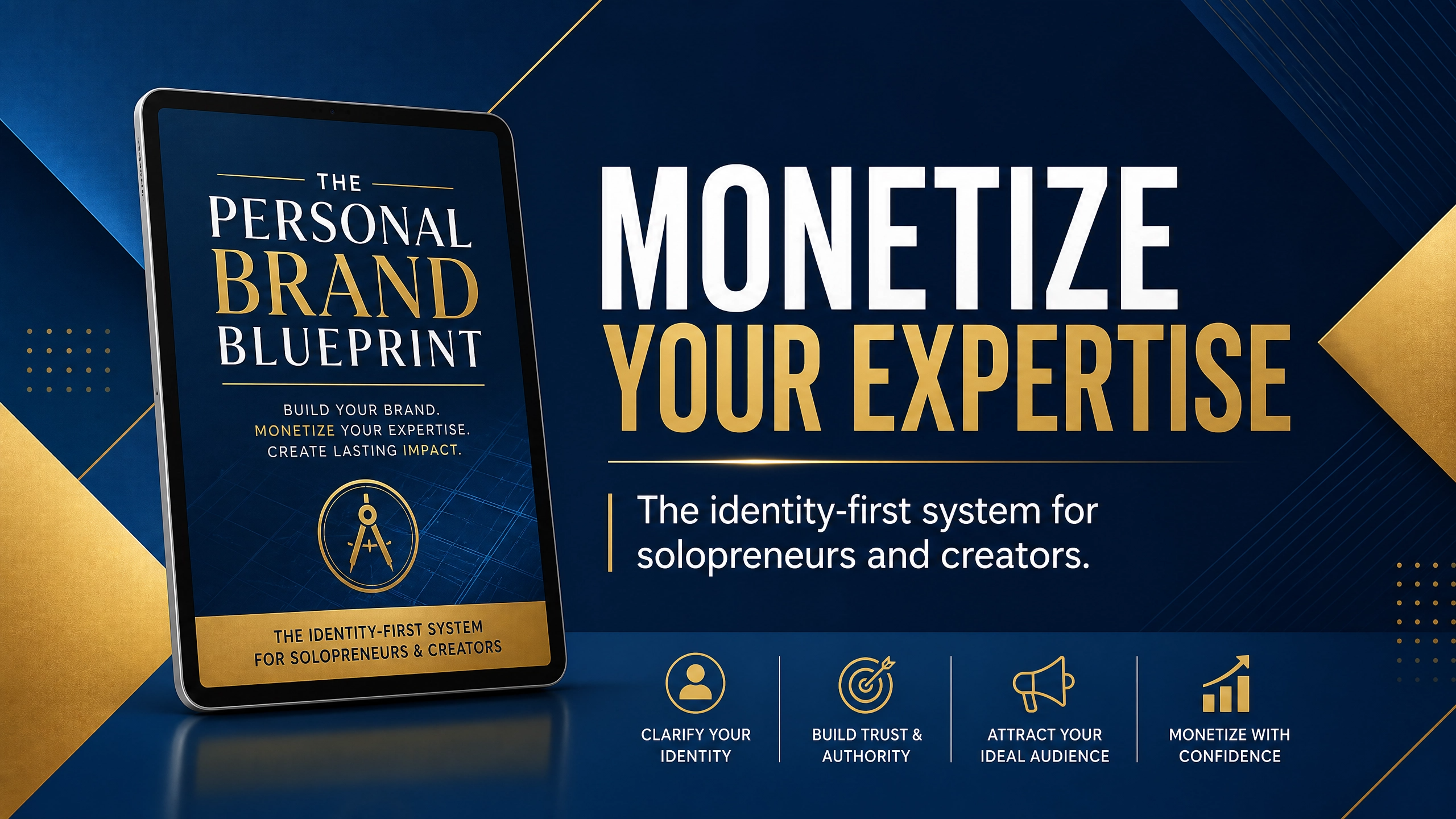
Trust me, having a blueprint beside you during those first 90 days makes it much easier to stay consistent.
Final Thoughts
You don’t need a perfect logo, a huge following, or a viral moment to build a personal brand. You need clarity, consistency, proof, and a few honest conversations every week. Start with the audit this week, write your positioning next week, and keep going for 90 days. Then look back at where you started. You might be surprised by how much people already trust the person you’ve decided to show them.







Leave a Reply