

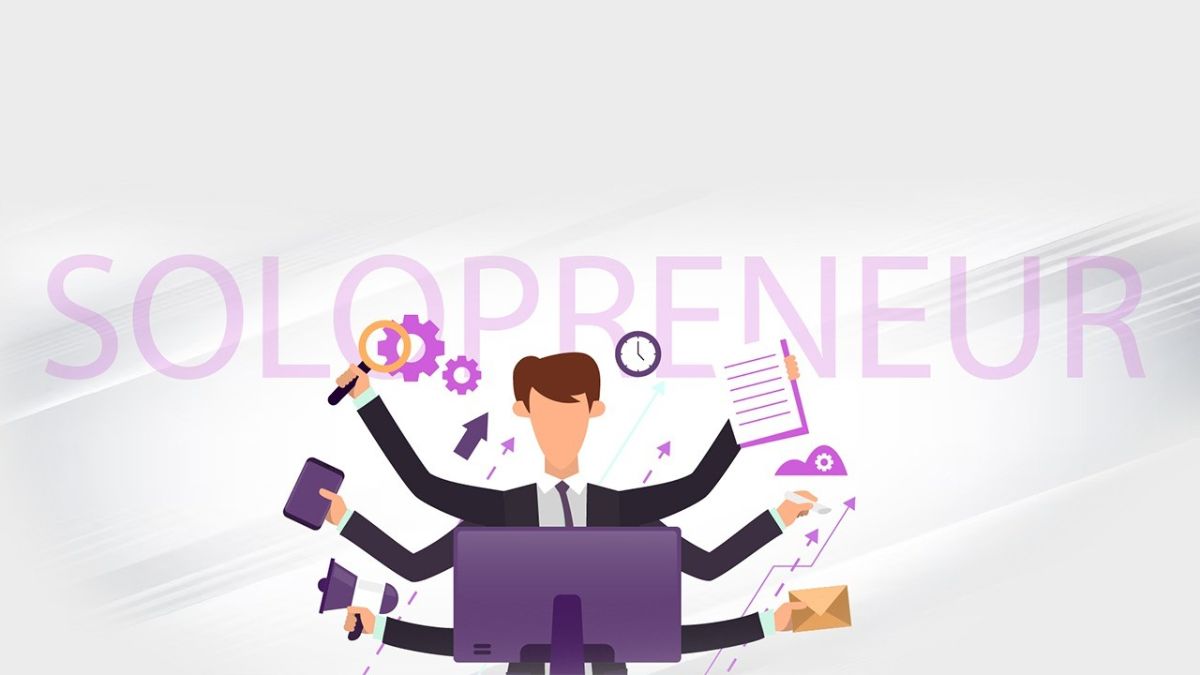
There was a stretch in my business where I realized I hadn’t spoken out loud to another adult in two days. No client calls, no meetings, just me, my laptop, and a very supportive houseplant. I’d answered 94 messages. I felt busy, productive, and strangely hollow. That’s when I understood something the glossy “be your own boss” posts never mention: running a one-person business can be lonely, and it can burn you out in quiet ways.
AI is making it easier than ever to be a team of one. It drafts, summarizes, schedules, and organizes. But commentators on the solo boom make a point I think about often: AI can absorb tasks, but it doesn’t absorb isolation, fear, or the weight of decisions.
In this guide, I’ll walk through the real challenges of solo business life, from the capacity ceiling to the vacation problem to loneliness, and share practical ways to build a business that supports you instead of draining you.
A quick note: I’m not a mental health professional. If you’re struggling with your mood, anxiety, or burnout, please talk to a doctor, therapist, or someone you trust.
The Three Structural Problems of Solo Business
One solopreneur playbook names three tradeoffs that almost every solo founder meets sooner or later:
- The capacity ceiling. You only have so many hours, so your income hits a limit.
- The vacation problem. If you stop, the business stops.
- Nobody to argue with. No partner or team to challenge your ideas or share the weight of decisions.
Other writers add isolation, burnout, and time management to the list. These aren’t personal failings. They’re built into the model. And the good news is that structure can be fixed with structure, not just willpower.

Why AI Doesn’t Solve Everything
AI has changed how much one person can produce. Surveys show most solopreneurs use AI to cut admin work and tackle tasks they couldn’t do alone. But think about what AI doesn’t give you:
- Human connection: The laughter, encouragement, and shared wins of working with people.
- Accountability: A real person who notices when you’ve gone quiet.
- Shared responsibility: Someone else who feels the stakes of a decision.
- Perspective: Honest pushback from someone who knows your life and goals.
AI can be a useful sparring partner. But it can also agree with you too easily, so treat it as a tool for stress-testing ideas, not as a replacement for people.
Warning Signs of Solo Burnout
Watch for patterns like:
- Dreading tasks you used to enjoy
- Working constantly but feeling less productive
- Irritability or feeling numb
- Trouble switching off, even on weekends
- Neglecting sleep, meals, movement, or friends
- Putting off decisions or avoiding messages
- Feeling that everything depends on you
If several of these sound familiar, treat it as a signal to change something, not as proof that you’re not cut out for this.

Fix 1: Raise the Capacity Ceiling Without Adding Hours
- Productize your services. Fixed packages with defined scope make work predictable.
- Raise your prices. Fewer, better-paying clients can reduce the workload.
- Set a monthly project cap. Decide how many clients you can serve well.
- Automate repetitive work with draft-and-approve loops. AI drafts, you review.
- Build one compounding asset. A template shop, newsletter, or course can earn without your direct hours (though assets take time to build).
Fix 2: Solve the Vacation Problem With a “Fire Drill”
Here’s a simple experiment. Take three days fully offline, or at least pretend to, and note everything that breaks:
- Before: Tell clients your availability, set an auto-responder, and schedule content.
- During: Don’t check in. Let the system run.
- After: List every problem that appeared.
- Fix: Turn each problem into a template, an automation, a policy, or a backup person.
Also keep a short list of two or three trusted freelancers who could step in during an emergency, and write clear response-time expectations into your contracts.

Fix 3: Build Your Own Team of Humans
You may be a business of one, but you don’t have to be alone. Aim to create:
- A peer group. A small mastermind or accountability circle of three to six solo founders who meet weekly or biweekly.
- An advisor or mentor. Someone a few steps ahead who can give honest feedback.
- A community. Online groups, local meetups, or co-working days. Even a weekly co-working video call can break the isolation.
- A professional support circle. An accountant, a lawyer when you need one, and a therapist or coach if it would help.
- Friends outside business. People who care about you whether or not you hit your revenue goals.
One analysis suggested a practical recipe: use AI for tactical work, then deliberately rebuild connection with a weekly peer call, a daily community check-in, and an advisor for hard decisions.
Fix 4: Use AI as a Sparring Partner (Carefully)
When you don’t have a colleague to challenge you, you can prompt AI to play devil’s advocate:
“Here’s my plan: [describe]. List five reasons it might fail, three assumptions I should test, and what a skeptical customer would say.”
Then take those objections to a real person for a reality check. AI doesn’t know your full situation, and it can sound more confident than it should.
Fix 5: Protect Your Time and Energy
- Use a simple daily structure. One popular approach is the 3-3-3 rule: three hours of deep work on your most important project, three shorter tasks, and three maintenance activities.
- Batch your admin. Check email and messages at set times instead of all day.
- Time-block your energy peaks. Schedule hard thinking when you feel sharpest.
- Publish availability rules. Tell clients your response times so you’re not on call 24/7.
- Take real breaks. Walk, eat lunch away from your screen, and end the workday on purpose.
- Track energy as well as revenue. A daily 1-to-10 energy score can warn you early.
Pro tip: Put your rest on the calendar the same way you’d put in a client call.

Fix 6: Make Money Decisions That Lower Stress
Financial pressure is one of the biggest burnout drivers for solo owners, since income can be uneven and there’s no employer safety net.
- Build a cash buffer of several months of expenses before taking big risks.
- Separate business and personal accounts.
- Track income and expenses simply and review them monthly.
- Diversify income: services, products, and recurring offers.
- Talk to a qualified accountant about taxes and structure for your location.
Fix 7: Know When to Get Help or Hire
If you’re consistently overloaded, consider whether automation, a contractor, or a first hire could relieve the pressure. Many solopreneurs plan to bring in help, so you’re far from alone. The key is deciding on purpose rather than drifting in because you’re exhausted.
A Weekly Wellbeing Check for Solo Founders
On Friday afternoon, take 10 minutes:
- What energized me this week?
- What drained me?
- Did I talk to at least three people about something other than tasks?
- Did I move my body and get decent sleep?
- What is one thing I can delegate, automate, or drop next week?
- What am I proud of?

Common Mistakes to Avoid
- Using AI to work more instead of work smarter. Extra capacity shouldn’t automatically become extra hours.
- Replacing human connection with chatbots.
- Saying yes to everything. Boundaries protect quality.
- Ignoring early signs of burnout.
- Comparing yourself to million-dollar solo stories. Those are exceptions. Build the business that fits your life.
- Waiting for a crisis before building a support system.
Build a Business That Fits Your Life
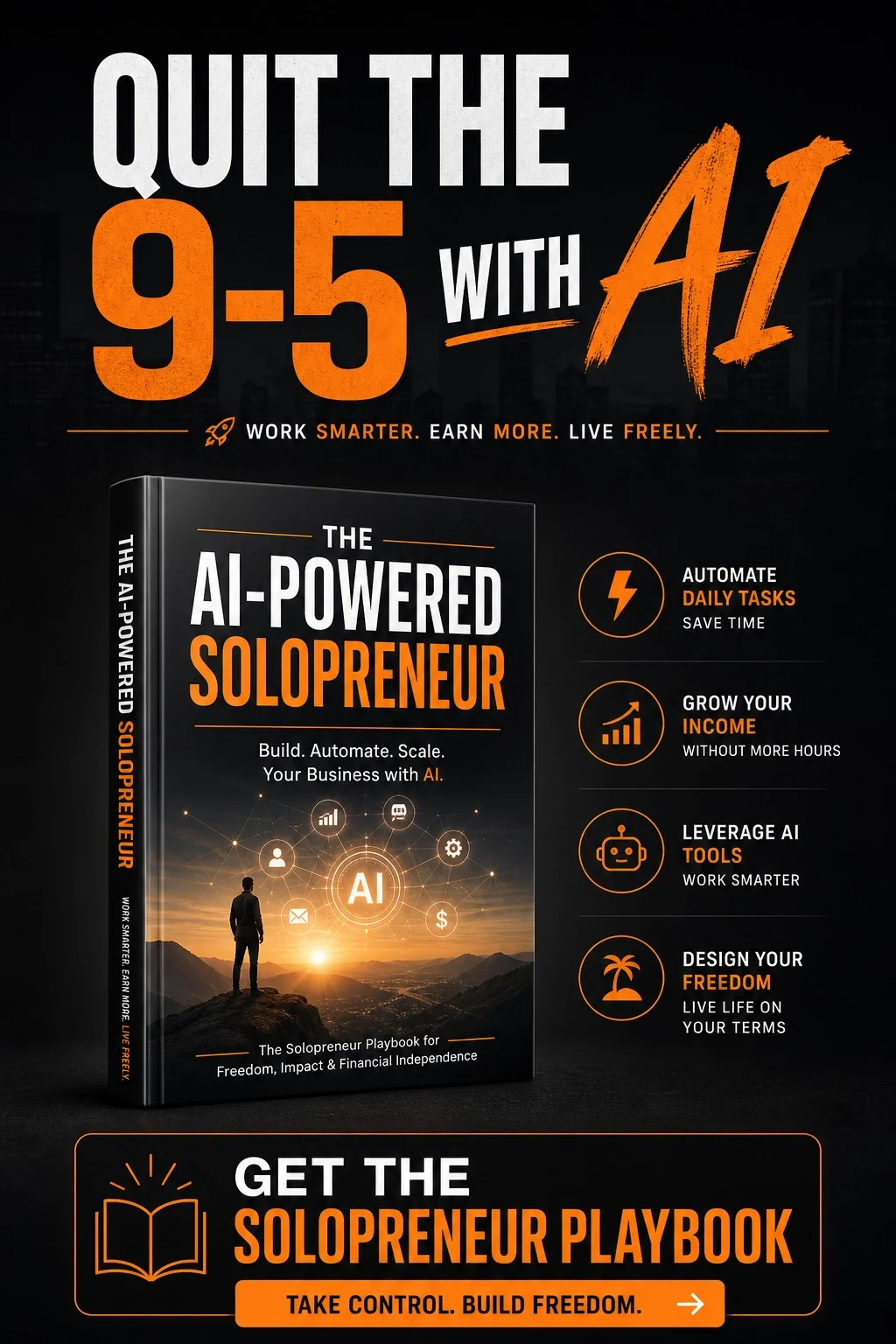
The goal isn’t just to earn more. It’s to build a business that supports the life you actually want. If you’d like a step-by-step guide to building an AI-powered one-person business with clear systems, healthy boundaries, and smart delegation, take a look at my ebook:
Trust me, systems are what let you rest without guilt.
Final Thoughts
Solo business can be freeing, creative, and rewarding. It can also be isolating and exhausting if you rely on willpower alone. Use AI to lighten the workload, build structures for your capacity ceiling and your time off, and deliberately create human connection. A business that depends entirely on your constant effort isn’t freedom. Build one that can breathe, and so can you.





Leave a Reply