

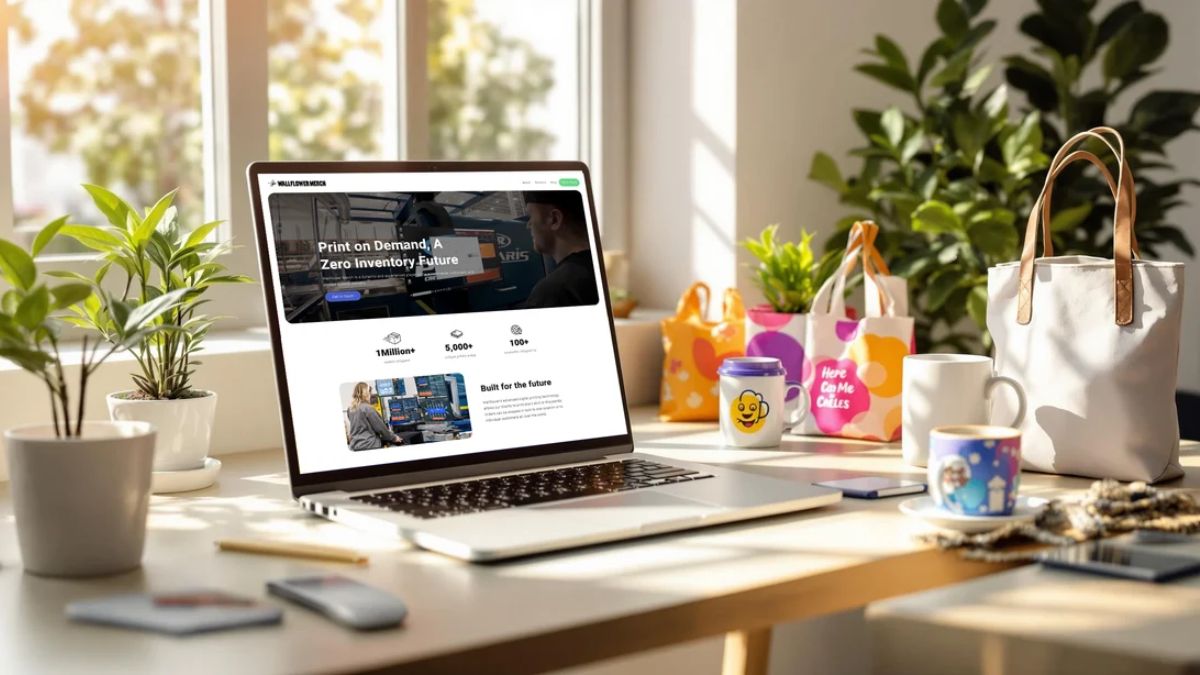
Here’s a number that surprised me when I first dug into it: the global print on demand market has been growing at double-digit rates year after year, and analysts expect it to keep climbing well into the next decade. That means millions of shoppers are buying custom T-shirts, mugs, tote bags, and wall art every single month, and a big chunk of those products are being sold by regular people working from their laptops.
I remember the moment I realized this could be real for me. I was sitting at my kitchen table, scrolling through Etsy at 11 p.m., thinking, “Somebody designed that quote shirt, somebody listed it, and somebody else is going to wake up to a sale notification tomorrow morning.” Then it hit me: that somebody didn’t have a garage full of inventory. They had a design, a store, and a print partner doing all the heavy lifting.
Little did I know how much that one realization would change the way I think about business. If you’ve been wondering how to start a print on demand business without buying inventory, renting storage, or learning how to run a screen printing press, you’re in the right place.
In this comprehensive guide, I’ll walk you through everything you need to know to launch your print on demand business in 2026: how it works, how to pick a niche, how to choose between platforms, how to design products, how to price them, and how to get your first sales. Grab your coffee, because we’re going deep!
What Is Print on Demand (and Why Does It Work So Well)?
Print on demand (POD) is a business model where a third-party company prints your designs on products only after a customer orders them. You never touch the product. You never pack a box. You never pay for stock that doesn’t sell.
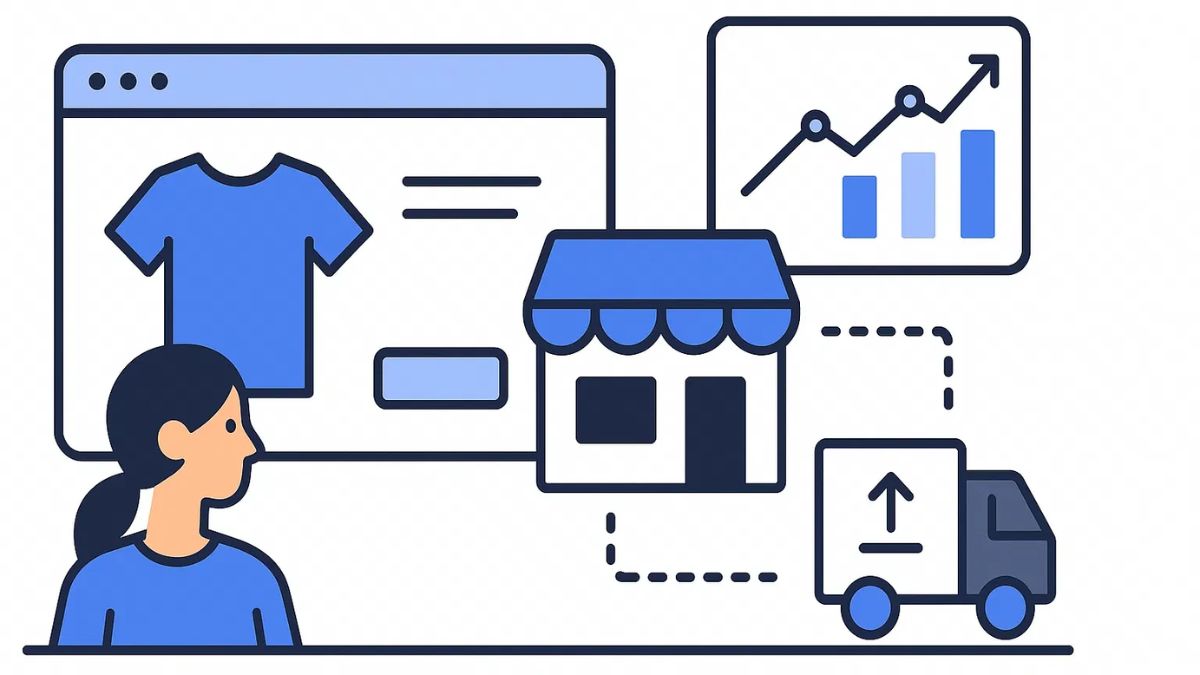
Here’s the simple flow:
- You create a design (or hire someone to).
- You upload it to a POD platform and place it on a product, such as a T-shirt or mug.
- You list that product in your online store or on a marketplace like Etsy.
- A customer buys it and pays you the retail price.
- The POD company prints, packs, and ships the order directly to your customer.
- You keep the difference between the retail price and the production cost.
That’s it. That’s the whole model. And the reason it works so well for beginners is that the risk is incredibly low. Compare that to buying 300 hoodies in bulk and praying they sell.
Why I Love the POD Model
- Low startup costs: You can start with a few dollars for domain names or design tools, and in many cases, nothing at all.
- No inventory: Products are made only when someone buys.
- Location-free: You can run your store from your couch, a coffee shop, or a beach in Vietnam.
- Scalable: Once your systems are in place, adding new designs is just uploading files.
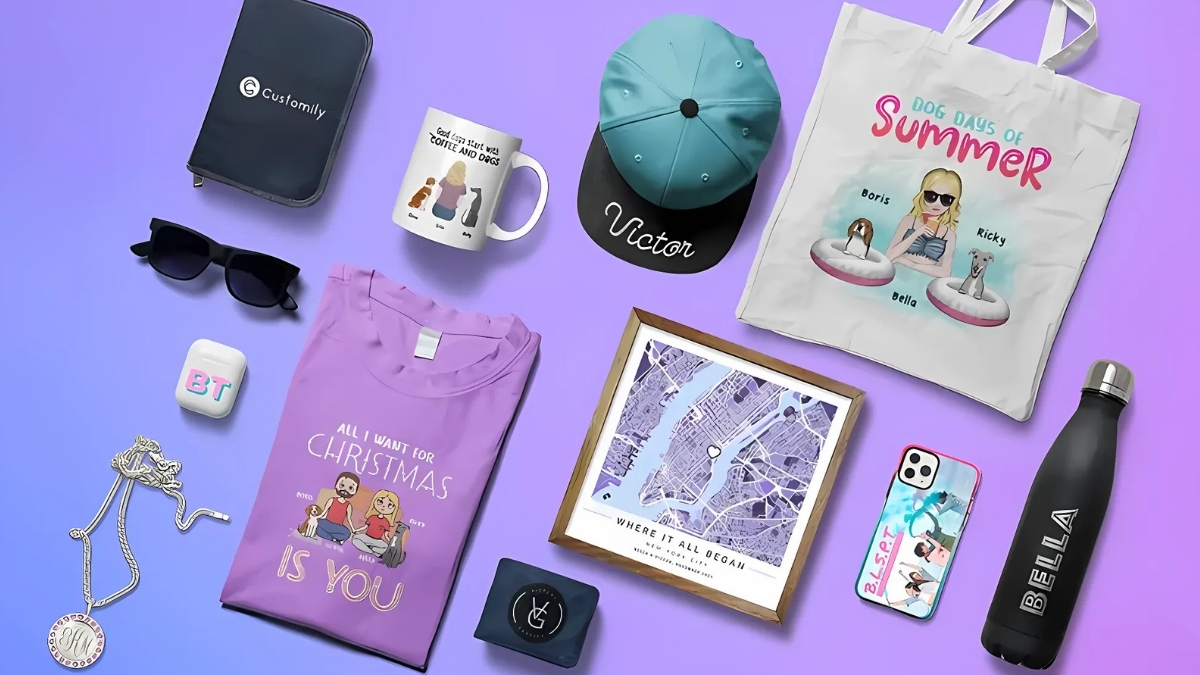
- Creative freedom: You’re not limited to one product type. Apparel, drinkware, home décor, phone cases, and more are all fair game.
Now, I’d be lying if I said it’s effortless. POD is competitive, and margins are slimmer than many gurus admit. But with the right niche, good designs, and the right partners, it’s absolutely a legit way to build income. Let me show you how.
Step 1: Choose a Profitable Print on Demand Niche
Big mistake I made early on: I designed things I liked instead of things a specific group of people wanted to buy. My first “funny quotes” collection sold to exactly nobody, because “funny” isn’t a niche. It’s a mood.
A niche is a specific group of people with a shared interest, identity, or passion. The more specific you are, the easier it is to design for them and market to them.
Examples of niches that work
- Dog moms and cat dads (pet parents are fiercely loyal buyers)
- Teachers by grade level (“Second Grade Squad”)
- Nurses and healthcare workers
- Gardeners and plant lovers
- Book lovers and “Bookstagram” communities
- Fitness communities such as pickleball, yoga, or running
- Hobbyists such as crocheters, campers, anglers, and bakers
- Milestone events like bachelorette parties, family reunions, and birthdays
A quick niche test
Before you commit, ask yourself:
- Is there an active community online (subreddits, Facebook groups, Pinterest boards, TikTok hashtags)?
- Do people in that community already buy merch?
- Can I come up with at least 30 design ideas for it?
- Are there sub-niches I can narrow into?
Pro tip: Type your niche into Etsy’s search bar and look at the autocomplete suggestions. Those are real searches from real buyers. I spend at least 20 minutes on this step before I open a design tool.
Step 2: Pick Your Products
Not every product deserves a spot in your store. When you’re starting out, I recommend focusing on three to five product types so you don’t overwhelm yourself.
Best beginner-friendly POD products:
- T-shirts and sweatshirts: Evergreen bestsellers with tons of style options.
- Mugs: Low cost, giftable, and easy to mock up.
- Tote bags: Great for teachers, book lovers, and eco-minded shoppers.
- Posters and wall art: Higher perceived value, great for home décor niches.
- Phone cases and stickers: Impulse buys that pair well with bigger items.
Think about the person buying. Would they buy this for themselves, or as a gift? Gift-friendly products tend to perform better around holidays, which brings me to a strategy I’ll cover later: seasonal planning.
Step 3: Choose Your Print on Demand Partners
This is where your business either runs smoothly or becomes a headache. Your POD partner controls print quality, shipping times, product selection, and your profit margins. Choose poorly and you’ll spend your days answering angry emails.
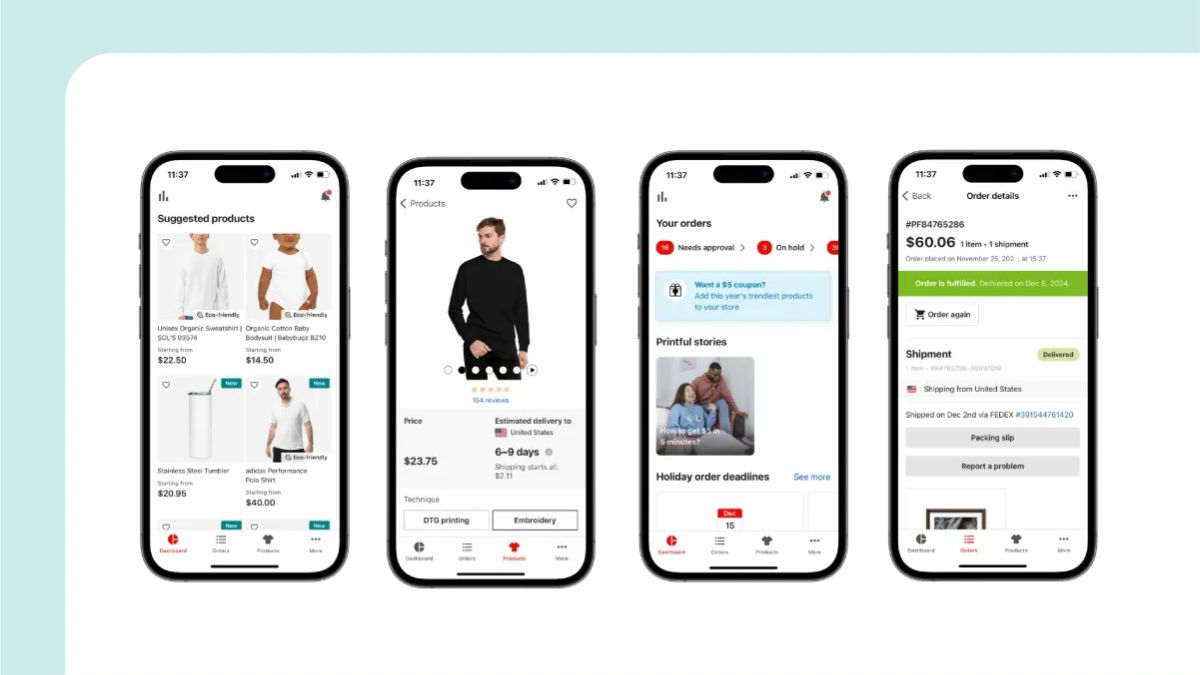
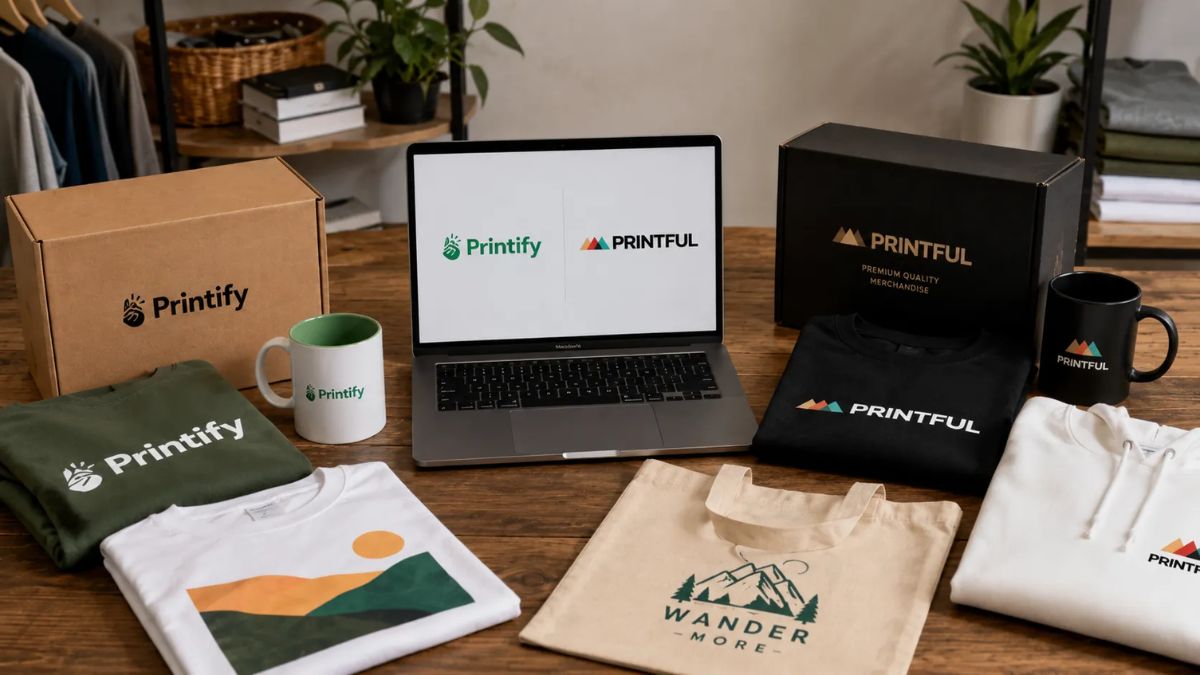
After testing several platforms, the two I recommend most for beginners are Printful and Printify. They work a little differently, and honestly, I use both depending on the product.
Printful: Quality and Consistency
Printful is known for consistent print quality and a polished customer experience. Since Printful produces many of its items in its own facilities, you get more predictable results from order to order. They also offer helpful extras like custom packaging inserts, branded labels, and a built-in mockup generator that makes your listings look professional without any design skills.
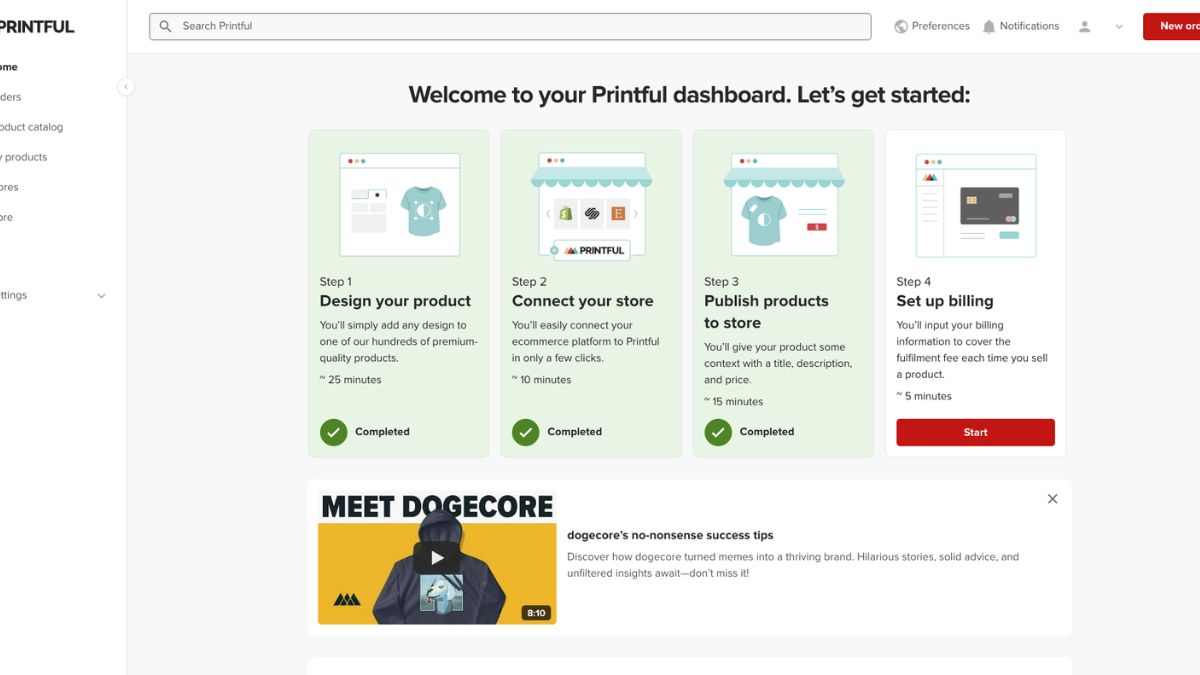
Why I reach for Printful:
- Consistent quality control
- Excellent mockup tools and product photos
- Easy integration with Etsy, Shopify, WooCommerce, and more
- Branding options, including custom inner labels and packing slips
- No monthly fee to get started
If you want to see it for yourself, you can create your free Printful account here and explore the catalog.
Printify: Variety and Better Margins
Printify works as a network connecting you with many independent print providers around the world. That means a huge catalog and the ability to compare prices between providers. When I want to maximize profit on a product like a basic tee or mug, Printify often gives me room to price competitively and still earn a healthy margin.
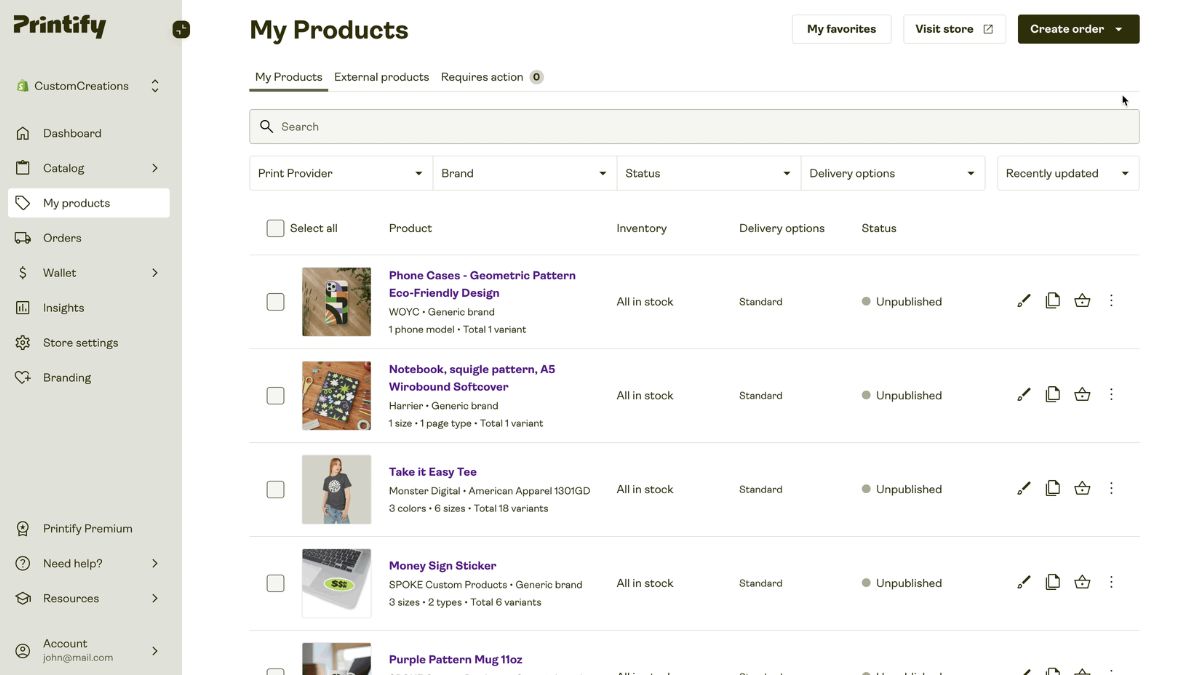
Why I reach for Printify:
- Enormous product catalog
- Multiple print providers per product so you can compare cost and speed
- Providers in different regions, which can mean faster local shipping
- Free plan available, with a paid Premium plan that offers discounts on products (check their site for current pricing)
- Integrates with Etsy, Shopify, WooCommerce, and other platforms
Ready to browse the catalog? Sign up for Printify here and see how many products you can customize.
Should You Use Both?
Here’s what I learned: you don’t have to marry one platform. Many successful sellers use Printful for premium, quality-sensitive products (like their signature hoodie line) and Printify for wider variety and margin-friendly basics. Testing both lets you find the sweet spot for your brand. I’ll break down the comparison in more detail in another post, but for now, know that opening accounts on both costs you nothing and gives you flexibility.
Step 4: Create Designs That Actually Sell
I wish someone had told me this at the start: you don’t need to be an artist. Some of the best-selling POD designs are simple, typography-based, and take 10 minutes to make.
Design options for beginners
- Text-based designs: Witty phrases, affirmations, or niche-specific sayings.
- Canva templates: Canva has an easy drag-and-drop interface, and you can export transparent PNG files for printing.
- AI-assisted art: Tools can help you generate concepts, but always check licensing and originality rules for the platform you’re selling on.
- Hiring a freelance designer: Sites like Fiverr and Creative Market are affordable ways to get unique artwork.
- Commissioned or licensed art: Make sure you have proper commercial rights.
Technical design tips
- Use PNG files with transparent backgrounds for most apparel.
- Design at 300 DPI at the largest print size (typically around 4500 x 5400 pixels for shirts).
- Avoid tiny text and ultra-thin lines that may not print cleanly.
- Test your design on light and dark product colors.
- Never use copyrighted characters, brand names, song lyrics, or trademarked phrases. This is the fastest way to get your listings removed or your shop suspended.
Pro tip: Before uploading, search your phrase on the USPTO trademark database (or your country’s equivalent) to make sure nobody has trademarked it for apparel.
Step 5: Set Up Your Store
You have two main paths for selling:
Option A: Marketplaces (Etsy, Amazon, eBay)
Marketplaces come with built-in traffic. Etsy is a favorite for POD sellers because shoppers there are already looking for personalized, giftable, and niche products. The tradeoff is competition and fees.
Option B: Your Own Store (Shopify, WooCommerce, Wix)
Your own store gives you total control over branding, email lists, and customer data. The downside is that you’re responsible for driving all the traffic.
My honest advice: Start on Etsy to validate your niche and collect sales, then build your own store once you know what sells. Both Printful and Printify integrate smoothly with these platforms, so you can connect your store in just a few clicks and sync your products automatically.
Step 6: Price Your Products for Profit
Pricing is where many beginners quietly lose money. Here’s a simple formula:
Retail Price = Production Cost + Shipping (if you’re not charging it separately) + Platform Fees + Your Profit
Let’s say a T-shirt costs you around $12 to produce. Etsy takes transaction and payment processing fees, and you may spend on ads. If you list it at $19.99, you might net only a few dollars. If you list it at $27.99 to $29.99, you have breathing room for promotions and still profit comfortably.
Pricing tips
- Aim for at least a 30 to 40 percent profit margin after fees.
- Don’t race to the bottom. Cheap products attract price-sensitive buyers, not loyal ones.
- Offer bundles (like a mug plus tote) to lift your average order value.
- Test different price points and watch your conversion rates.
Step 7: Order Samples and Check Quality
Big mistake I see over and over: sellers launching products they’ve never held in their hands. Order samples before promoting anything. Check the fabric feel, print sharpness, color accuracy, and packaging. Both platforms let you order samples, often at a discount, and it’s worth every penny.
Samples also give you real photos and video content for your marketing. Nothing sells like a genuine “unboxing” moment.

Step 8: Optimize Your Listings for SEO
Your beautiful design means nothing if nobody finds it. Whether you’re on Etsy or Google, keywords matter.
Listing checklist
- Title: Lead with your main keyword (“Funny Nurse Shirt, Gift for Nurses”).
- Tags: Use all available tags with long-tail phrases.
- Description: Explain who it’s for, the sizing, and the material, and weave in keywords naturally.
- Photos: Use at least 8 to 10 images, including lifestyle mockups and a size chart.
- Alt text: If you’re on your own site, write descriptive alt text for every image.
Pro tip: Update your listing titles and tags every few months. Trends shift, and what worked in January may not perform in September.
Step 9: Drive Traffic and Get Your First Sales
Here’s the truth nobody likes to hear: your first sales don’t magically appear. You have to go find your buyers.
Free traffic sources that work
- Pinterest: Perfect for gift ideas, home décor, and lifestyle niches. Pins can bring traffic for months or years.
- TikTok and Instagram Reels: Show your design process, product unboxings, and behind-the-scenes clips.
- Facebook groups: Join niche communities and add value (without spamming).
- Email list: Offer a small discount for signing up and nurture those subscribers.
- Etsy SEO: Optimize every listing and refresh them regularly.
Paid traffic (later)
Once you know a product converts organically, consider Etsy Ads, Pinterest Ads, or Meta Ads to scale it. Never spend on ads before you’ve proven the product sells.
Step 10: Handle the Legal and Business Basics
I used to get nervous sweats thinking about this part! But the basics are manageable:
- Business structure: Many people start as sole proprietors and form an LLC later as revenue grows.
- Sales tax and income tax: Rules vary widely by country and state. A quick chat with a local accountant can save you real headaches.
- Business bank account: Keep your business and personal finances separate from day one.
- Terms and policies: Create clear shipping, returns, and privacy policies.
(I’m not a lawyer or accountant, so please verify requirements for your location.)
Common Mistakes to Avoid
Let me save you some pain. Here are the mistakes I see most often:
- Choosing a niche that’s too broad
- Uploading low-resolution artwork
- Skipping sample orders
- Using copyrighted material
- Underpricing products
- Giving up after 30 days
- Relying on only one traffic source
Your 30-Day Launch Plan
If you like checklists, here’s a realistic timeline:
Week 1: Pick your niche, research keywords, and open accounts with Printful and Printify.
Week 2: Create 10 to 15 designs and set up your Etsy shop or Shopify store.
Week 3: Order samples, take photos, and publish your first listings with optimized titles and tags.
Week 4: Start promoting on Pinterest and social media, and collect early feedback.
Consistency beats perfection. Add a few new designs every week and watch what gets attention.

Ready to Launch Your Print on Demand Business?
Starting a print on demand business in 2026 is one of the most accessible ways to build an online income stream. You don’t need inventory, a big budget, or a design degree. You need a clear niche, designs that speak to a specific audience, and reliable partners who will make your products look great and arrive on time.
That’s exactly why I recommend setting up accounts with both platforms today. Join Printful for polished quality and branding, and join Printify for catalog variety and competitive pricing. Both are free to start, so there’s truly nothing to lose by exploring. Pick your niche this week, upload your first design, and take that first brave step. Your future customers are already out there searching for exactly what you’re about to create.




Leave a Reply