


I’m the person who notices the typo on the restaurant menu before I notice the food. For years I thought this was an annoying personality trait. Then a friend who ran a small online shop asked me to read her product pages before launch, I found eleven errors in twenty minutes, and she paid me. It turns out that “annoyingly picky” can be a marketable skill.
In the AI era, editing is more valuable, not less. AI tools generate text faster than anyone can check it, and Google’s guidance tells publishers that AI-generated content should be fact-checked by hand before publishing and stresses accuracy, originality, and real experience. Clients are producing more drafts, but they’re worried about errors, awkward phrasing, invented facts, and text that sounds like everyone else. Freelance reports note that basic drafting is being squeezed by AI, while editing, judgment, and quality control hold their value.
In this guide, I’ll explain how to start a proofreading and editing business from home: the different types of editing, how to learn, how to use AI responsibly, how to price, and how to find clients. (Income varies and isn’t guaranteed.)
Proofreading vs. Editing
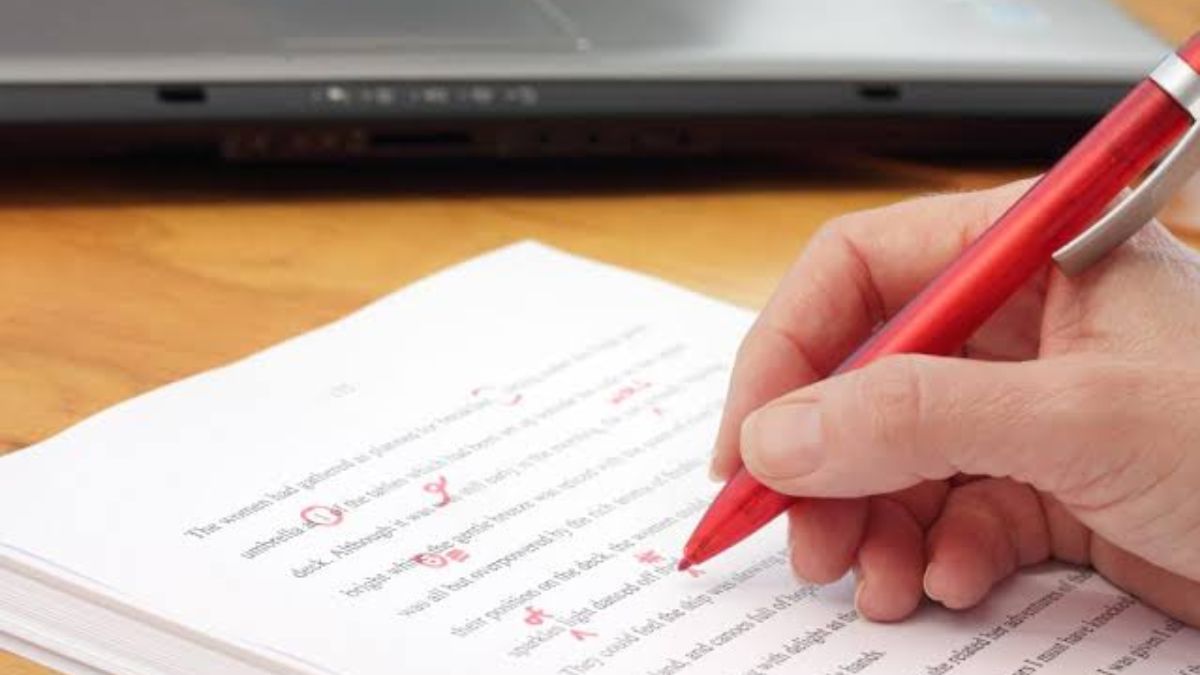
- Proofreading: the final check for typos, spelling, punctuation, and formatting errors.
- Copyediting: correcting grammar and consistency, improving clarity and flow, and applying a style guide.
- Line editing: refining sentences and voice.
- Developmental editing: big-picture feedback on structure, argument, and story (usually needs more experience).
- Fact-checking and AI-draft review: verifying claims, numbers, and sources in AI-assisted content.
Beginners often start with proofreading and light copyediting.

Who Needs Editors?
- Small business owners with websites, emails, and product pages
- Bloggers and newsletter writers
- Authors and self-publishers
- Course creators with workbooks and slides
- Students and professionals (follow academic integrity rules)
- Marketing teams producing high volumes of AI-assisted content
- Non-native English speakers who want polished writing
Skills to Build
- Strong grammar and punctuation
- A style guide: learn at least one standard, and be able to follow a client’s custom guide.
- Consistency: capitalization, spelling variants, hyphenation, and formatting
- Tracking changes and commenting clearly in common document tools
- Fact-checking habits: verifying names, numbers, and claims
- Sensitivity to voice: improving text without erasing the writer
- Efficiency and focus

Step 1: Choose a Niche
- Website and marketing copy
- Blog posts and newsletters
- Self-published books
- Business documents and reports
- Education materials
- Health or finance content, only if you have appropriate knowledge, and clearly state you’re not providing professional advice
Step 2: Build Samples
- Take a public-domain or your own text and show a before-and-after edit with tracked changes.
- Create a short style note explaining the choices you made.
- Prepare a sample AI-draft review that flags unsupported claims and awkward phrasing.
- Offer a free one-page sample edit to a prospect, within clear limits.
Step 3: Use AI Carefully
AI can help with:
- Spotting typos and grammar issues quickly
- Suggesting alternative phrasing
- Summarizing sections for structure checks
But it can also introduce errors, flatten style, or invent facts. Your rules:
- Never rely on it alone.
- Check every suggestion against the client’s style and meaning.
- Don’t upload confidential documents to tools the client hasn’t approved.
- Be transparent with clients about how you work.

Step 4: Package and Price
- Per word or per page for proofreading and copyediting
- Per project for websites and documents
- Hourly only when scope is unclear
- Monthly retainers for ongoing blogs or newsletters
Estimate your real speed, including reading, research, and communication. Charge extra for rush work, heavy edits, and complex formatting. Research what editors in your niche charge, and price for the skill and responsibility you bring.
Step 5: Find Clients
- Small business owners and online shops that publish content regularly
- Bloggers, coaches, and course creators
- Self-published authors in communities where they ask for editors (follow the rules)
- Content writers and agencies who need a second pair of eyes
- Freelance marketplaces for early projects
- Direct outreach: send a short note with one genuine, specific observation
Example pitch: “I noticed two small inconsistencies on your homepage. I’d be glad to send a free list of fixes, and if it’s helpful, I offer proofreading for your site.”
Step 6: Work Professionally
- Agree on scope and style before starting.
- Use tracked changes so clients can accept or reject edits.
- Add brief comments explaining important changes.
- Meet deadlines, and communicate early about delays.
- Respect the author’s voice.
- Keep original files and versions.
Step 7: Protect Yourself and Your Clients
- Use a written agreement covering scope, payment, deadlines, revisions, and confidentiality.
- Don’t guarantee perfection. Explain that you minimize errors but can’t promise zero.
- Avoid ghostwriting or academic dishonesty: don’t write assignments for students or help someone cheat.
- Respect copyright and plagiarism rules.
- Handle taxes: in the U.S., net self-employment earnings of $400 or more trigger self-employment tax.
Mistakes to Avoid
- Over-editing and changing the writer’s voice.
- Trusting AI suggestions blindly.
- Skipping a style guide.
- No contract or clear scope.
- Underpricing heavy edits.
- Missing deadlines.
- Taking work outside your expertise.
Your 30-Day Launch Plan
- Week 1: Choose your niche and style guide.
- Week 2: Create two before-and-after samples.
- Week 3: Write your packages and agreement, and send 10 pitches.
- Week 4: Offer a small trial edit, deliver carefully, and ask for a testimonial.

Build Your Freelance Income on a Roadmap
If you’d like a beginner-friendly roadmap for making money online as a stay-at-home mom, take a look at my ebook:
The Stay-At-Home Mom’s Guide To Making Money Online

Trust me, careful work is a rare and valuable thing.
Final Thoughts
As more content gets produced faster, careful editors become more valuable. Learn the craft, use AI as a helper, protect confidentiality, price for quality, and let your reputation for accuracy build your business.










Leave a Reply