


Here’s a hard truth that took me way too long to accept: the design is rarely the reason a print on demand store fails. The niche is.
When I first started, I spent hours perfecting a collection of “inspirational quote” shirts. They looked great. I was proud of them. And they sold to almost nobody. Why? Because “inspirational quotes” isn’t a niche. It’s a crowded ocean with thousands of sellers, and I was a tiny rowboat with no map.
Then I switched tactics. Instead of asking “What do I want to design?” I started asking “Who am I designing for, and what do they already love buying?” That one question changed everything. Suddenly, I had direction, design ideas flowed, and my listings started to get real attention.
In this comprehensive guide, I’ll walk you through how to find profitable print on demand niches in 2026. You’ll learn what makes a niche worth pursuing, the free and paid research tools I use, how to validate your ideas before you invest time, and how to turn your niche into a full product line with Printful and Printify. Let’s get into it!
What Is a Print on Demand Niche (and Why Does It Matter)?
A niche is a specific audience with a shared interest, identity, or need. The tighter the focus, the easier it is to create products that feel personal and to market them without a massive budget.
Broad vs niche: a quick comparison
- Broad: “Funny shirts”
- Narrower: “Funny shirts for nurses”
- Niche: “Funny shirts for night shift ICU nurses”
The more specific you get, the less competition you face, and the more likely a buyer is to think, “This was made for me!”
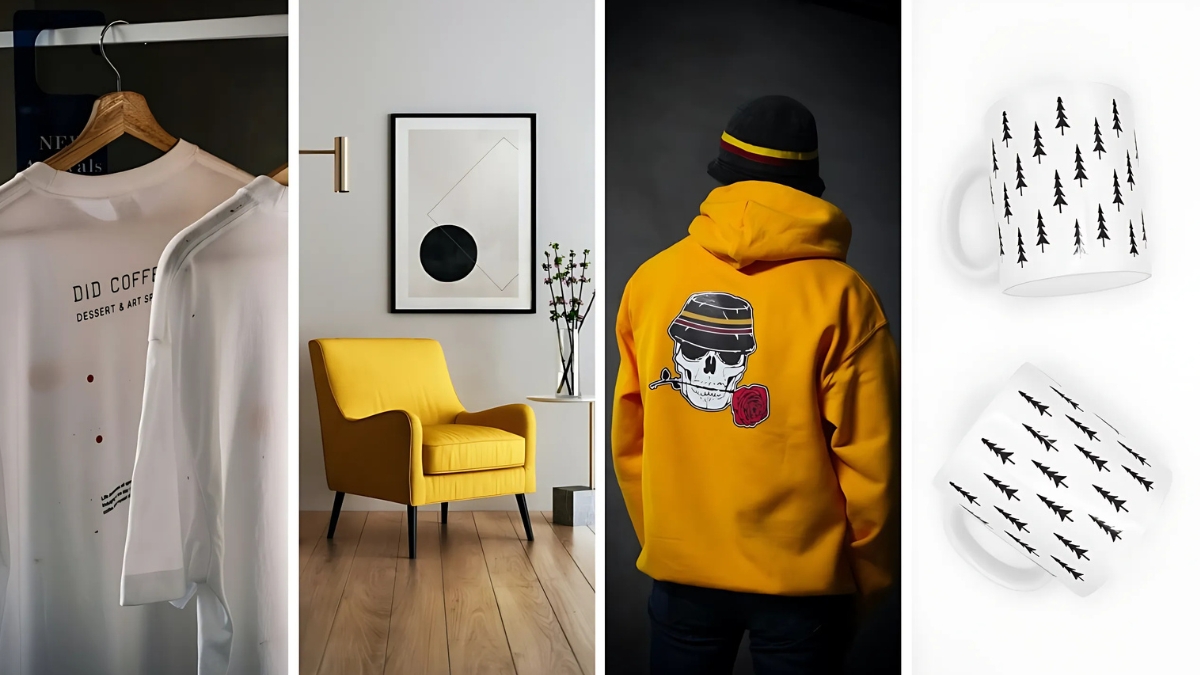
Why a strong niche makes everything easier
- Designing becomes simpler. You know the inside jokes, the pain points, and the pride of the community.
- Marketing becomes targeted. You know where your audience hangs out online.
- SEO gets easier. Long-tail keywords have less competition.
- Customers are loyal. People love brands that “get” them.
- You can expand smartly. One niche can turn into dozens of sub-niches.
The Anatomy of a Profitable POD Niche
Not every niche is worth your time. Here’s my checklist for spotting winners.
The five signs of a good niche
- Passionate audience: People who identify strongly with the topic (pet parents, teachers, hobbyists).
- Gift-buying behavior: Others buy products for them, which multiplies your potential customers.
- Active online communities: Facebook groups, subreddits, TikTok tags, and Pinterest boards.
- Room for variety: You can create 30 or more distinct design ideas.
- Sustainable demand: Not just a passing fad, or at least a fad with a clear seasonal pattern you can plan around.
Red flags to avoid
- Niches built entirely on someone else’s trademarked brand or franchise
- Extremely oversaturated categories with no unique angle
- Topics tied to a short-lived meme or news event
- Audiences that rarely buy merchandise
- Anything that would require you to infringe on copyrights
Step 1: Brainstorm Niches From Your Own Life
The easiest niches to write about and design for are the ones you already understand.
Prompts to get you started
- What are your hobbies?
- What is your job or your family’s profession?
- What communities are you part of?
- What do you and your friends joke about?
- What life stages are you in (new parent, student, retiree, pet owner)?
- What causes and values matter to you?
Write down at least 25 ideas without judging them. Quantity matters at this stage.
Pro tip: Combine two interests to create a unique niche, such as “gardening plus cats” or “teacher plus coffee.” Intersections often have less competition and more personality.
Step 2: Research Niches With Free Tools
You don’t need expensive software to find demand. Start with these free resources.
Etsy search autocomplete
Type a broad keyword into Etsy’s search bar and note the suggestions. Those are real searches from real shoppers. Try adding words like “gift,” “shirt,” “mug,” or “sweatshirt” and see what appears.
Pinterest search and trends
Search your niche and note the related terms, popular boards, and trending pins. Pinterest shows what people are planning to buy, decorate, and gift.

Google Trends
Compare several niche ideas to see interest over time. Look for steady or growing interest instead of one-time spikes. Seasonal patterns can be helpful if you plan ahead.
TikTok and Instagram hashtags
Check hashtag sizes and how active the community is. Are people posting, commenting, and sharing content in that niche?
Reddit and Facebook groups
Read what community members talk about. What frustrates them? What makes them proud? What phrases do they repeat? Those phrases can become bestselling designs.
Step 3: Analyze the Competition
Competition isn’t a bad sign. It usually means there’s demand. The goal is to find a gap you can fill.
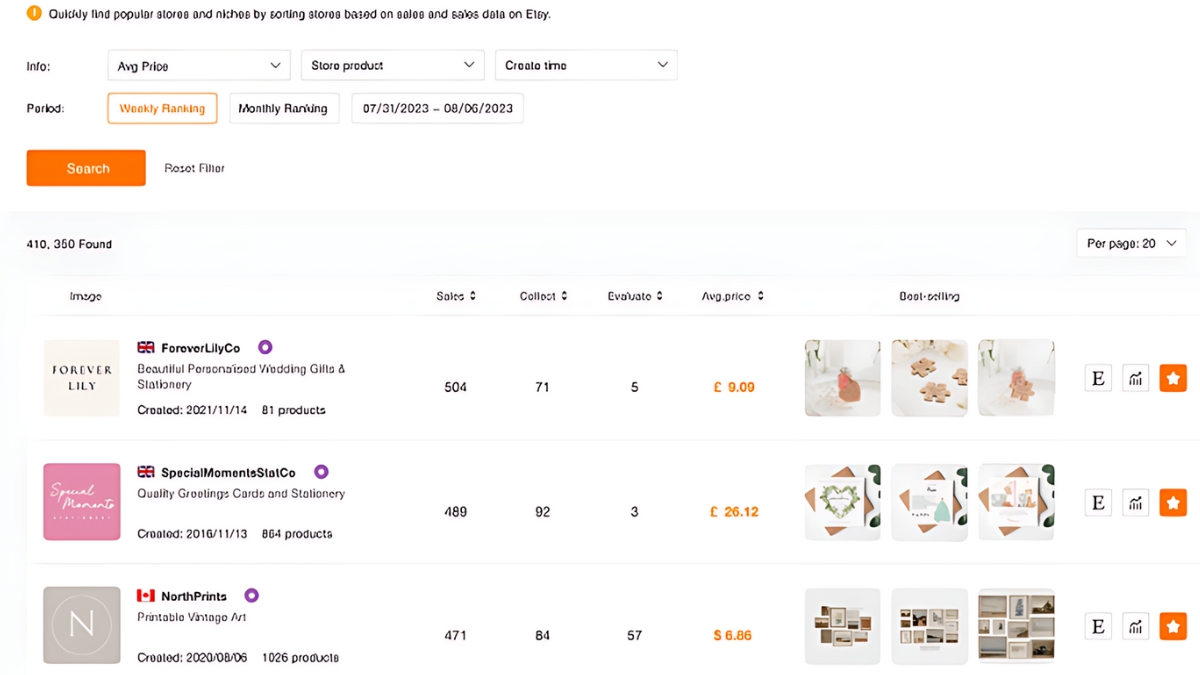
What to look for on Etsy and other marketplaces
- Number of listings: Extremely high numbers can signal saturation.
- Sales and review counts: Shops with lots of reviews suggest strong demand.
- Price ranges: Shows what buyers are willing to pay.
- Design styles: Are the top sellers minimalist, retro, funny, or sentimental?
- Gaps: Are there sub-niches with few good designs?
Ways to stand out
- Use a fresh design style (for example, retro when everyone else is minimalist).
- Speak to an underserved sub-niche (like “night shift nurse” instead of just “nurse”).
- Add personalization (names, dates, or hometowns).
- Build a consistent brand identity with colors and fonts.
Here’s what I learned: Don’t copy the top sellers. Study them for patterns, then create something original for the same audience.
Step 4: Use Keyword Research Tools
If you want to go deeper, paid tools can save time and give you data.
Popular options
- eRank: Etsy keyword research, competition analysis, and shop stats
- Marmalead: Keyword scoring and trend data for Etsy
- EverBee: Product and shop research for Etsy sellers
- Google Keyword Planner: Search volume ideas for your own website or blog
- Pinterest Trends: Free insight into rising searches
Check each tool’s website for current pricing and free trial offers. You don’t need all of them. Pick one, learn it well, and use it consistently.
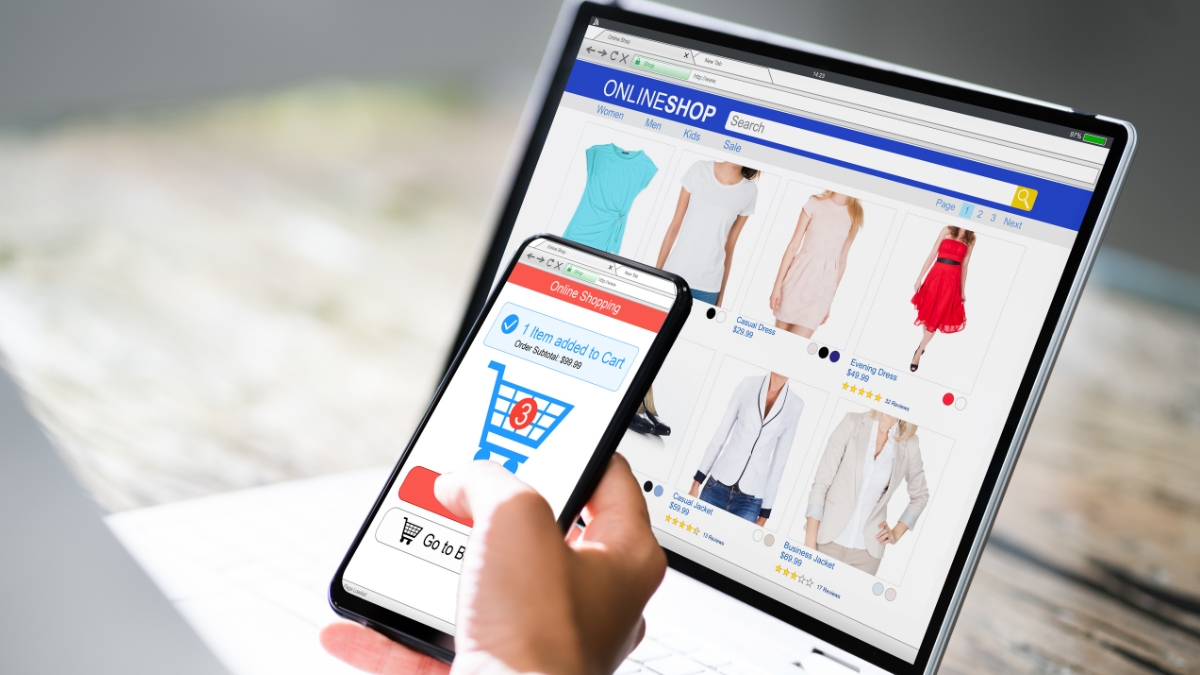
What to look for in keyword data
- Healthy search volume: Enough demand to matter
- Manageable competition: Not thousands of established shops fighting for the same keyword
- Buyer intent: Terms that include “gift,” “shirt,” “mug,” “sweatshirt,” or “print”
- Long-tail phrases: Specific searches like “funny night shift nurse mug”
Step 5: Validate Your Niche Before You Commit
Never build a full product line before you’ve tested the waters. Validation protects your time and money.
A simple validation process
- Choose your top 3 niche ideas.
- Create 5 to 10 designs for each using a tool like Canva.
- Publish them as listings on Etsy or another marketplace, using optimized titles and tags.
- Promote them lightly on Pinterest or social media.
- Track views, favorites, and sales for 4 to 8 weeks.
- Double down on the winner.
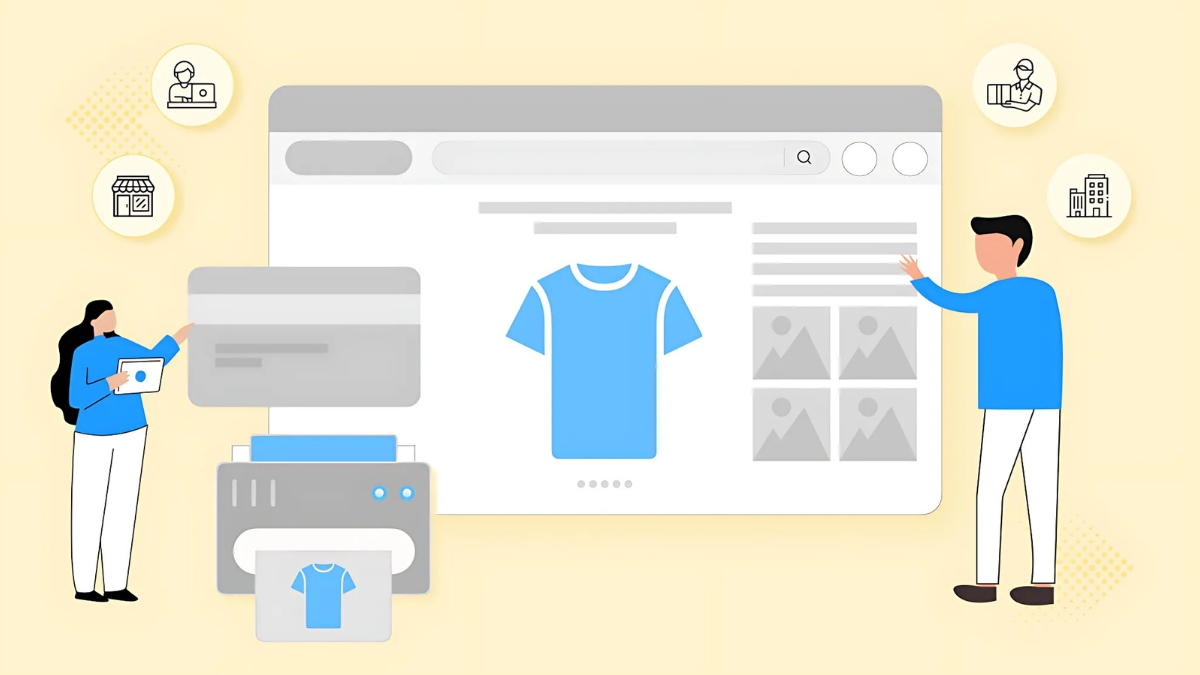
Signals that a niche is working
- Steady views and favorites on your listings
- Add-to-cart activity
- Repeat customers or wishlist saves
- Positive feedback and messages from buyers
- A few early sales, even if small
Signals to pivot
- Almost no views even after keyword optimization
- Views but zero favorites or clicks (your designs may be missing the mark)
- A narrow audience with very few buyers
Remember, pivoting isn’t failing. It’s learning.
Step 6: Turn Your Niche Into a Product Line
Once you find a niche that shows promise, expand strategically.
Product expansion ideas
- Apparel: T-shirts, sweatshirts, and hoodies
- Drinkware: Mugs and tumblers
- Bags: Tote bags and pouches
- Wall art: Posters and prints
- Accessories: Stickers, phone cases, and journals
Choosing your print partners
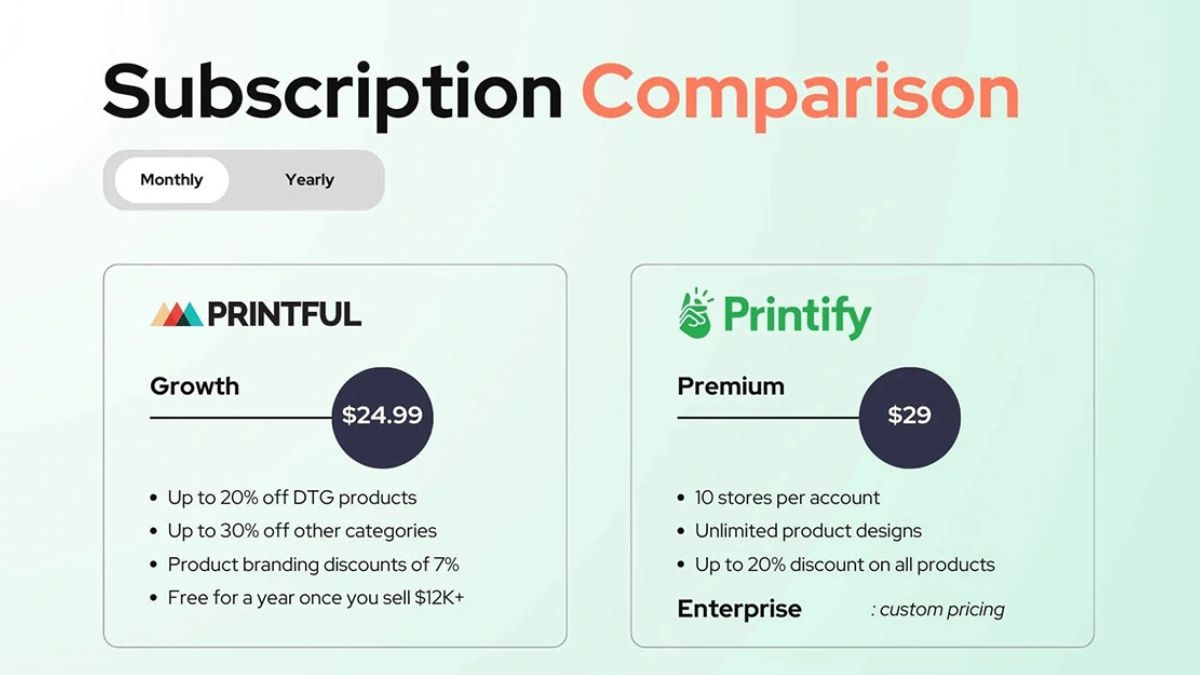
For a full product line, I like using both platforms:
- Printful for premium, brand-defining pieces such as quality hoodies, embroidered items, and products where consistency and custom branding matter.
- Printify for catalog variety, budget-friendly basics, and provider flexibility that can improve your margins.
Both are free to start, and both integrate with Etsy, Shopify, and other platforms. That means you can test niches quickly without inventory risk. Just remember to order samples for any product you plan to promote.
Step 7: Explore Niche Ideas With Staying Power
To spark your creativity, here are niche categories that have consistently done well for POD sellers. Always research current demand and competition before committing.
Profession-based niches
- Teachers by grade level or subject
- Nurses, medical assistants, and dental hygienists
- Real estate agents
- Truckers and mechanics
- Librarians and bookstore workers
Hobby and lifestyle niches
- Plant parents and gardeners
- Crochet, knitting, and sewing lovers
- Campers, hikers, and van lifers
- Pickleball, golf, and running communities
- Bakers and coffee enthusiasts
Family and relationship niches
- Dog moms, cat dads, and pet families
- New parents and grandparents
- Bachelorette, wedding, and anniversary groups
- Sibling and cousin crews
Identity, values, and mindset niches
- Mental health awareness and positivity
- Faith-based encouragement
- Sobriety and recovery milestones
- Neurodivergent pride and awareness
Seasonal and event niches
- Holidays and family reunions
- Graduations and back-to-school
- Sports seasons and local teams (without using trademarked logos)
- Travel and vacation groups
Trust me on this: the best niche is often one where you can speak the audience’s language authentically. Respect the communities you design for and avoid stereotypes or insensitive content.
Step 8: Plan Your Niche Content and Marketing
A niche isn’t just about products. It’s about building a presence where your audience already spends time.
Marketing channels to consider
- Pinterest: Great for gift-oriented and home décor niches
- TikTok and Instagram Reels: Great for humor, hobby, and lifestyle niches
- Facebook groups: Useful for professions and communities
- Email: Long-term relationships and repeat buyers
- Blogging and SEO: Evergreen content like “Best Gifts for [Niche]”

Content ideas
- Behind-the-scenes design videos
- Unboxing and sample reveals
- “Gift guide for [niche]” posts
- Customer photos and testimonials
- Polls asking your audience what design they want next
Engaging your audience in the design process is a fantastic way to create products they’re eager to buy.
Common Niche Research Mistakes
- Picking a niche only because it’s trending
- Choosing a niche that’s too broad
- Ignoring trademark and copyright risks
- Skipping validation
- Spreading yourself across too many niches
- Giving up before enough data comes in
- Designing for yourself instead of the buyer
Your 14-Day Niche Discovery Plan
Days 1 to 2: Brainstorm 25 or more niche ideas from your life and interests.
Days 3 to 5: Research the top 5 using Etsy, Pinterest, and Google Trends.
Days 6 to 7: Analyze competitors and identify gaps or sub-niches.
Days 8 to 10: Create 5 to 10 designs for your top 2 or 3 niches. Open accounts with Printful and Printify if you haven’t already.
Days 11 to 12: Publish test listings with optimized titles, tags, and mockups.
Days 13 to 14: Promote on Pinterest and social media, then start tracking results.
Find Your Niche and Start Building Today
Finding a profitable print on demand niche isn’t about luck. It’s about research, validation, and listening to what real buyers want. When you choose a passionate audience, study the competition, and test your ideas before going all in, you dramatically improve your chances of building a store that lasts.
Once you’ve picked a direction, put the right partners behind it. Get started with Printful for polished quality and branding options, and get started with Printify for a huge catalog and flexible pricing. Both are free to open, so you can turn your niche idea into real products right away. Choose your niche this week, create your first designs, and let your customers find you!









Leave a Reply