


Last week I stood in the grocery store holding a carton of eggs and a block of cheese, doing the kind of mental math that doesn’t show up in any budgeting app. Is this the cheaper brand? Do we really need two kinds of cereal? Wait, when did this get so expensive? If you’re a mom, you probably know that feeling. You’re the family’s unofficial CFO, and lately the numbers don’t feel friendly.
There’s a reason. Inflation has been stubborn, and the Federal Reserve recently did something it hadn’t done in three years: it raised interest rates. That affects your savings account, your credit cards, your car loan, and especially your chances of buying a home.
In this guide, I’ll walk you through what rising interest rates and inflation mean for your family budget, using the latest numbers, and then show you simple, practical steps to protect your money. (Quick note: I’m not a financial advisor, and this is general information, not personal financial advice. For decisions about your situation, talk to a qualified professional.)
What the Fed Just Did (In Plain English)
The Fed controls a short-term benchmark rate that ripples through the whole economy. Here’s the recent picture, based on news reports:
- The Fed raised rates in September. It was the first increase in three years, a quarter-point move that put its target range at 3.75% to 4.00%.
- Then it held steady at its most recent meeting. Two Fed officials voted to raise rates again, and many analysts expect another increase at the next meeting, though nothing is guaranteed.
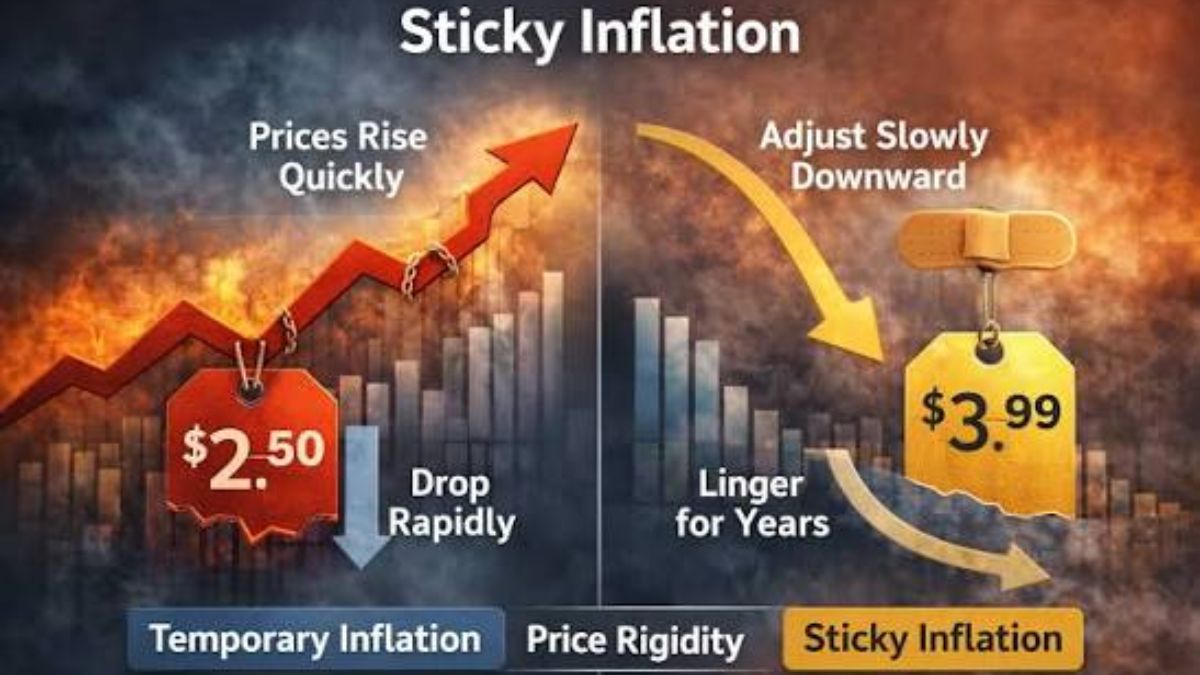
- Inflation remains above the Fed’s 2% target. Reports put it at around 3.6% compared to a year earlier in the most recent reading, up from 3.4% the month before. Higher energy prices have been a big driver.
- The Fed says it’s still working on it. Officials have said inflation is elevated and that policy hasn’t yet fully done its job.
Here’s the truth: when the Fed raises rates, borrowing gets more expensive, and saving gets a little more rewarding. That’s why this news is a mixed bag for families.

How It Hits Your Wallet
Savings accounts: the good news
The Fed doesn’t set savings rates, but it “sets the tone.” Many online banks raised their rates after the September increase. According to Bankrate figures cited by CNBC, some top high-yield savings accounts currently pay more than 4%, which is well above what many traditional bank accounts offer. Rates are variable, so they can go up or down.
Credit cards: the painful part
Credit cards have variable rates that tend to follow the Fed. One recent estimate put the average card APR for people who carry a balance at around 22%. At that rate, a balance can grow quickly, so paying down card debt is one of the most reliable “returns” many families can get.
Mortgages: a roller coaster
Mortgage rates don’t directly track the Fed. They follow longer-term bond yields and inflation expectations. Recent reports show 30-year fixed rates climbing above 7% for a stretch, reaching about 7.4% at one point (a three-year high) before easing. Freddie Mac reported an average of 7.32% in one recent week, and NerdWallet reported a 7.18% average APR on a more recent day, with the monthly average for the most recent full month around 7.3%. If you’re shopping for a home, even small rate changes can move your monthly payment significantly.
Car loans and other borrowing
Variable-rate loans, auto loans, and personal loans can get pricier when rates rise. Experts noted that auto rates likely won’t fall soon.
Groceries, gas, and everyday bills
Retail forecasters note that higher food and gasoline prices are putting extra pressure on moderate- and lower-income households, while rising wealth supports spending among higher-income families. In other words, the squeeze isn’t felt equally, and many moms are feeling it every week at the checkout.
7 Smart Money Moves for Rising Rates
These aren’t magic fixes, but they’re practical steps many families can consider.
1. Check where your savings are sitting
If your emergency fund lives in a bank paying almost nothing, compare options like FDIC-insured online high-yield savings accounts (the insurance matters, so confirm it). Even moving a few thousand dollars can earn noticeably more over time. Check the rate, any fees, and how easily you can access the money.
2. Make a credit card game plan
List every card with its balance and APR. Then pick a payoff method:
- Avalanche: Pay extra on the highest-APR card first (saves the most interest).
- Snowball: Pay off the smallest balance first (builds motivation).
Either works if you stick with it. Call your card company, too. It never hurts to ask whether a lower rate or hardship program is available.
3. Be careful with variable-rate debt
If you have an adjustable-rate loan or a line of credit, find out how and when the rate can change so you aren’t surprised by a bigger payment.

4. Don’t panic about a mortgage you already have
Many homeowners locked in lower fixed rates, so they’re protected from rate swings. Refinancing only makes sense if the new rate and costs clearly beat your current loan, so run the numbers before acting.
5. If you’re buying a home, plan for the payment, not just the price
Ask lenders for quotes on the same day so you can compare. Look at the full monthly cost: principal, interest, taxes, insurance, and maintenance. Build a cushion beyond the down payment, and don’t stretch to the maximum a lender offers. Rates can move after you shop, so be careful with promises about “waiting for rates to drop.”
6. Trim your grocery bill without feeling deprived
- Plan meals around what’s already in your pantry and freezer.
- Compare unit prices rather than package prices.
- Buy store brands for staples.
- Shop sales cycles and stock up on non-perishables you actually use.
- Track your spending for two weeks to find leaks.
7. Keep your emergency fund growing
Surveys have found that a large majority of Americans haven’t increased their emergency savings recently. Even small automatic transfers add up. We’ll cover how much to save in another guide.
What Not to Do
- Don’t try to time interest rates. Experts can’t predict them reliably, and neither can I.
- Don’t ignore high-interest debt while chasing flashy investments.
- Don’t rely on credit cards to cover everyday costs unless you have a plan to pay them off.
- Don’t make big decisions based on headlines. Check how a change affects your budget.
- Beware of scams that promise to “fix” your debt or credit for a fee.
A 10-Minute Weekly Money Check-In
Every Sunday, grab a coffee and answer these:
- What did we spend on groceries, gas, and kids this week?
- Any surprise bills coming up?
- How much did we add to savings?
- What’s one expense we could trim next week?
- Are any rates (savings, loans, cards) worth rechecking?
Write the answers somewhere simple, like a notes app or a notebook.
Get a Complete Money Plan for Your Family
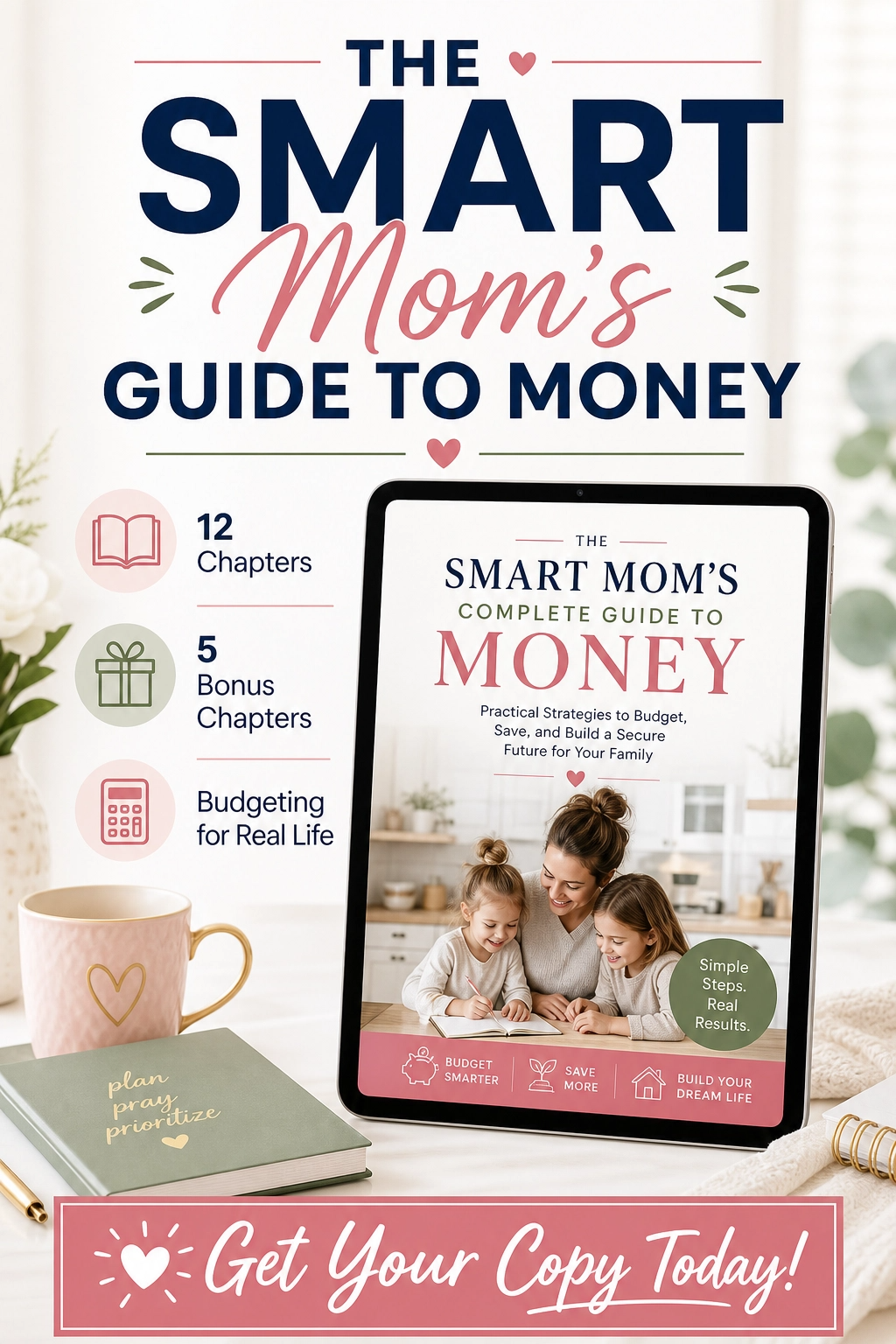
Headlines will keep changing, but a solid money system helps you handle whatever comes next. If you want a step-by-step guide made for busy moms, covering budgeting, saving, debt, and building wealth for your family, take a look at my ebook:
The Smart Mom’s Complete Guide to Money
Trust me, having a plan beats worrying every time the news changes.
Final Thoughts
Rising rates and stubborn inflation can feel overwhelming, but you have more control than it seems. Put your savings where they earn more, tackle high-interest debt, stay realistic about housing costs, and keep your grocery and household spending intentional. Small, steady moves protect your family’s budget, and you don’t have to be a financial expert to make them.









Leave a Reply