

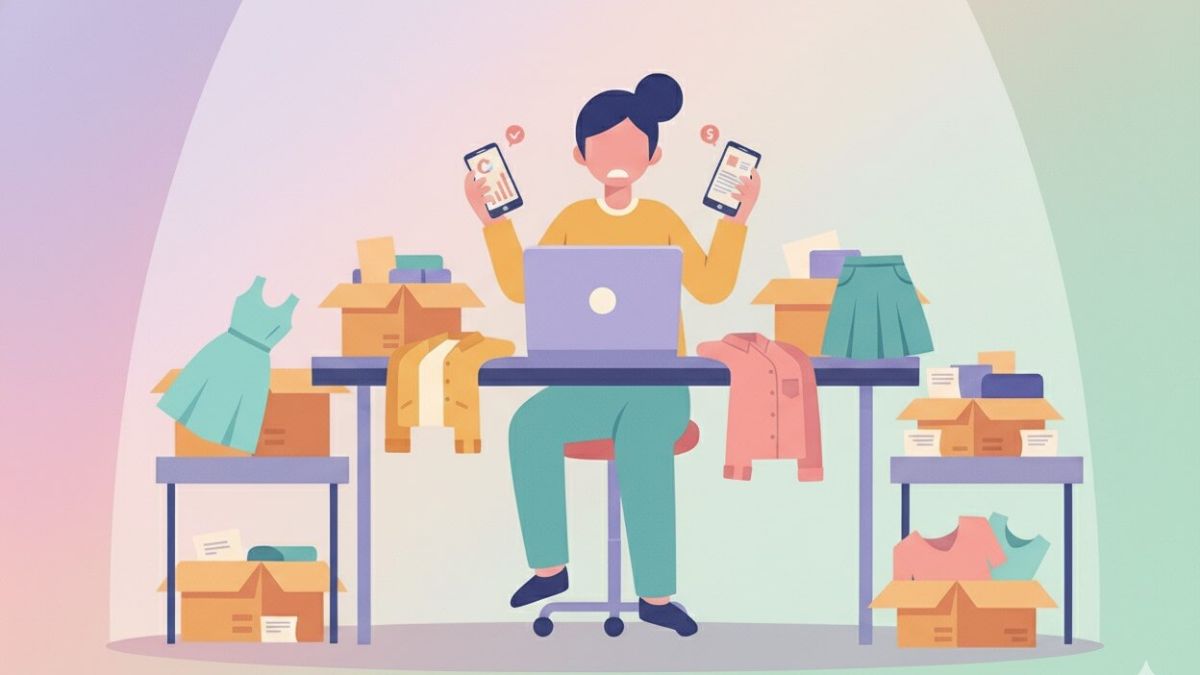
My first Etsy shop lasted about three weeks. I uploaded a handful of printable planners, copied a few popular keywords, and waited for the sales to roll in. They didn’t. What did arrive was a polite email telling me one of my listings didn’t meet the marketplace’s standards. I stared at it, confused, because I had no idea there were standards.
If you’re thinking about selling on Etsy, learn from my mistake: the rules matter, and they’ve been changing fast. Etsy has been cracking down on mass-produced and AI-generated listings, and its policies now spell out who made what. Sellers describe items as “made by,” “designed by,” “sourced by,” or “handpicked by” the seller. Digital downloads and original designs fall under “designed by.” AI-assisted work is still allowed in many cases, but recent updates tightened the rules further: AI-generated patterns and recipes are restricted, bot-generated listings with no human involvement aren’t allowed and can lead to a shop being removed, and photo rules now require accurate, mostly unedited product images, with exceptions for some digital, print-on-demand, customized, and made-to-order items.
In this guide, I’ll explain how to sell on Etsy as a stay-at-home mom: what to sell, how the current rules affect you, how to set up a shop, and how to avoid the mistakes that get listings removed. (Etsy policies change often, so always read the official seller policies. Earnings vary and aren’t guaranteed.)
What Sells on Etsy for Busy Moms
Ideas that fit around family life:
- Digital downloads: planners, budget templates, meal planners, chore charts, printable games, lesson plans, and checklists
- Handmade goods: candles, crochet items, personalized gifts, baby accessories, or baked treats (check local and platform rules for food)
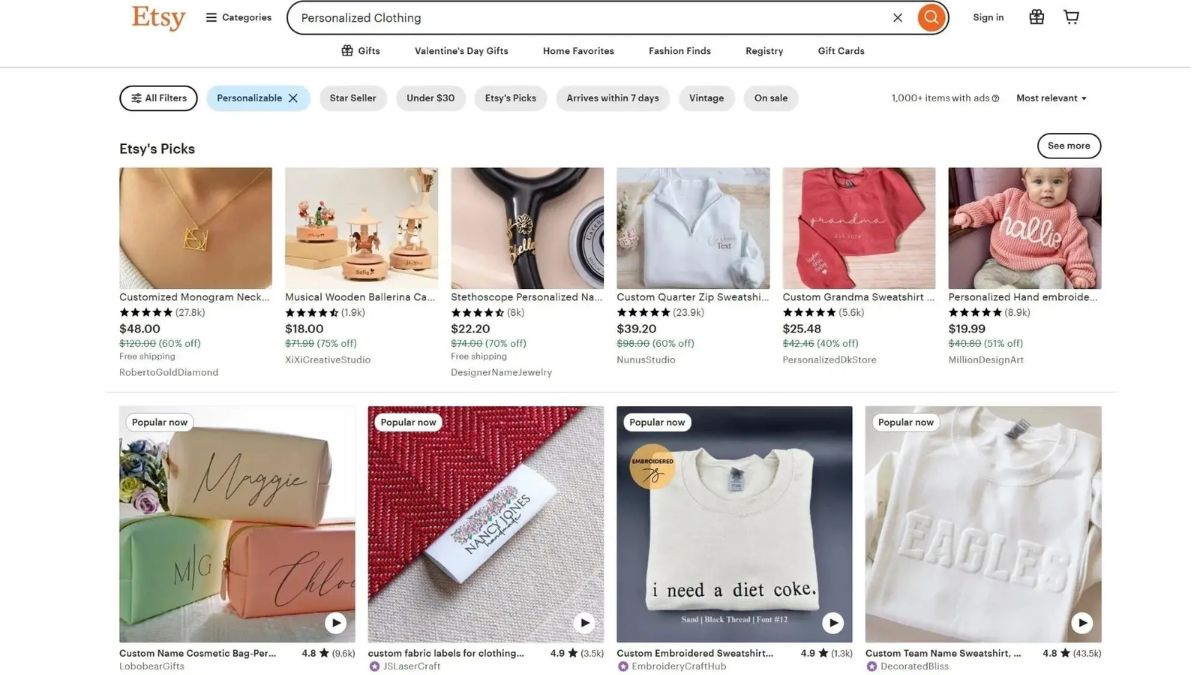
- Personalized items: names, dates, or custom art
- Vintage and curated finds: if you source them honestly
- Services and templates for small businesses
Pick something you can make well and explain clearly. Etsy buyers value uniqueness and a human touch.

Understand the Creativity Standards
Etsy’s rules revolve around your role in creating the item. In plain English:
- Made by you: items you physically make or assemble yourself, by hand or with tools.
- Designed by you: original designs you create, including digital downloads and designs produced by a third party, such as print-on-demand.
- Sourced by you: supplies and items that let buyers create something themselves.
- Handpicked by you: vintage items and curated collections.
Every listing must be honest about which one applies, and you can’t pass off AI-generated work as handmade or entirely your own creation.
What the AI Rules Mean for You
From recent coverage of Etsy’s updates:
- AI-assisted digital downloads can still be sold if you play a clear creative role, such as writing the prompts, curating, editing, and shaping the final design, and you disclose that AI was used.
- Bot-generated listings aren’t allowed. If a tool auto-publishes listings in bulk without your involvement, you risk removal of the listings and possibly your shop.
- AI-generated patterns and recipes face limits, so don’t rely on AI alone for instructions people will follow.
- Photos must represent the real item. Etsy has tightened requirements around unedited product photos and AI-generated imagery, with exceptions that depend on the product type. Digital downloads should include a visual preview or excerpt of what buyers receive, and print-on-demand items may use authorized mockups.
- Print-on-demand sellers must be the original designers of their artwork. Buying a design and printing it without meaningful changes may no longer meet standards.
- Enforcement can be automated. Many sellers report listings flagged before they understood why, so audit your shop proactively and use the policy page in your shop manager to see violations and appeal where available.
Here’s the truth: the shops that win are the ones with real creativity and honest listings, not the ones trying to flood the marketplace.

Step 1: Choose Your Product and Do Honest Research
- Search Etsy for your product idea. Look at what sells, price ranges, and what buyers complain about in reviews.
- Find a gap: a specific audience (new moms, homeschoolers, small business owners) or a better design.
- Make sure you can create it yourself or with licensed tools.
- Write one sentence: “I help [specific buyer] with [specific problem] through [my product].”
Step 2: Create Original, Licensed Work
- Design your own files or use tools whose licenses allow commercial resale of the finished product.
- Check fonts, graphics, and templates for commercial licenses.
- Avoid copyrighted characters, brand names, and logos.
- Don’t resell other people’s templates unless the license clearly allows it.
- If you use AI, shape the work with your own ideas and edits, proofread it, and disclose it as required.
Step 3: Set Up Your Shop
- Create your account and complete your shop profile with a clear name, banner, and about section.
- Set up payment and tax information accurately.
- Write clear policies: shipping, returns, and digital file terms.
- Read the seller handbook on policies and fees. Etsy charges listing fees, transaction fees, and payment processing fees, so factor them into your prices.
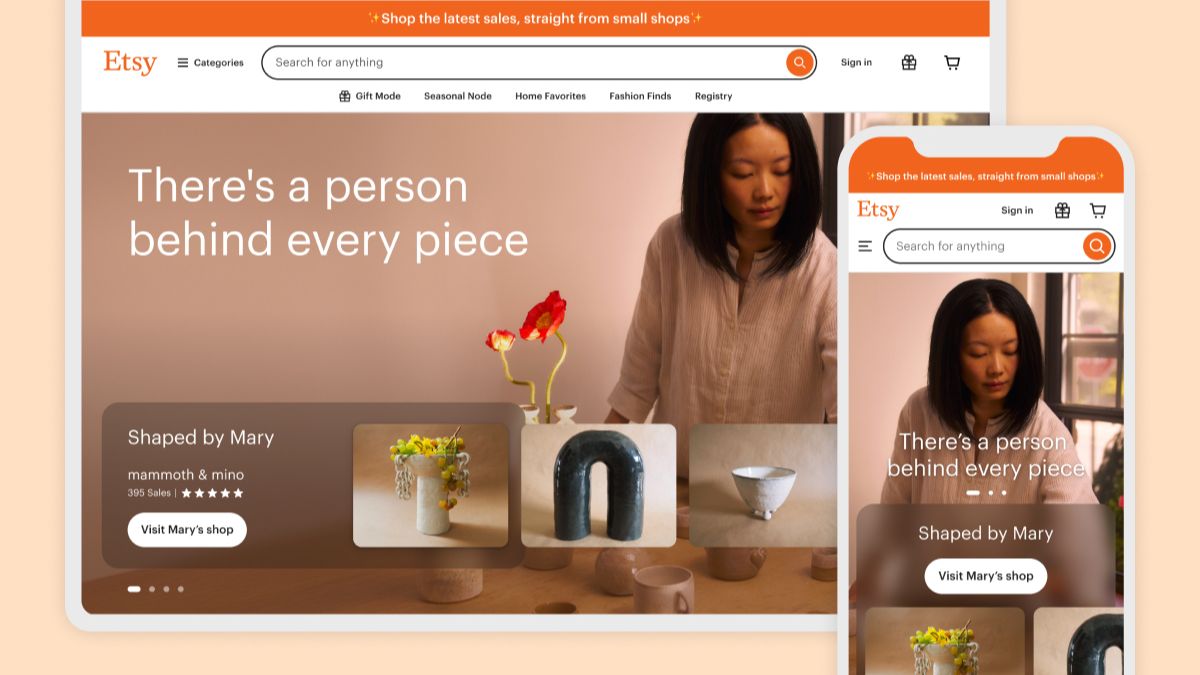
Step 4: Write Listings That Get Found
Etsy is a search engine. For each listing:
- Title: Include your main keyword naturally, like “Weekly Meal Planner Printable, Family Dinner Planner, Grocery List.”
- Photos: Show the real product. For digital items, include previews of the pages and photos of it in use, following the preview rules.
- Description: Explain what’s included, file types, sizes, how to use it, and your license terms.
- Tags and categories: Use phrases buyers would search.
- Price: Compare similar products and include fees.
- Disclosure: Select the correct “who made it” option and disclose AI use where required.
Step 5: Get Your First Sales
- Start with a small collection of five to ten polished listings, not fifty rushed ones.
- Share your shop with friends and communities, without spamming.
- Use Pinterest and short video to show your products in use, since Etsy shoppers often start on visual platforms.
- Ask for honest reviews from early customers.
- Respond quickly to messages.
- Collect emails from repeat customers where permitted so you aren’t dependent on one marketplace.
Be patient. Etsy is competitive, and early sales often take time.
Step 6: Stay Compliant and Protected
- Audit your listings against current policies regularly.
- Keep records of your designs, drafts, and licenses in case you need to appeal.
- Don’t use bulk-listing tools that publish without your review.
- Respect intellectual property.
- Handle taxes: marketplace income is business income. In the U.S., net self-employment earnings of $400 or more trigger self-employment tax, so keep records and set money aside.
Mistakes to Avoid
- Copying best-sellers.
- Using unlicensed fonts or images.
- Hiding AI use or overstating how handmade something is.
- Auto-generating listings.
- Misleading photos or mockups.
- Ignoring fees when you set prices.
- Relying only on Etsy for traffic.
Your 30-Day Etsy Launch Plan
- Week 1: Read Etsy’s seller policies, choose your niche, and research competitors.
- Week 2: Create your first five original products with licensed assets.
- Week 3: Open your shop, write policies, and publish listings with honest photos and disclosures.
- Week 4: Share your shop, ask for feedback, and review your policy page for any warnings.
Build Etsy Into a Bigger Plan
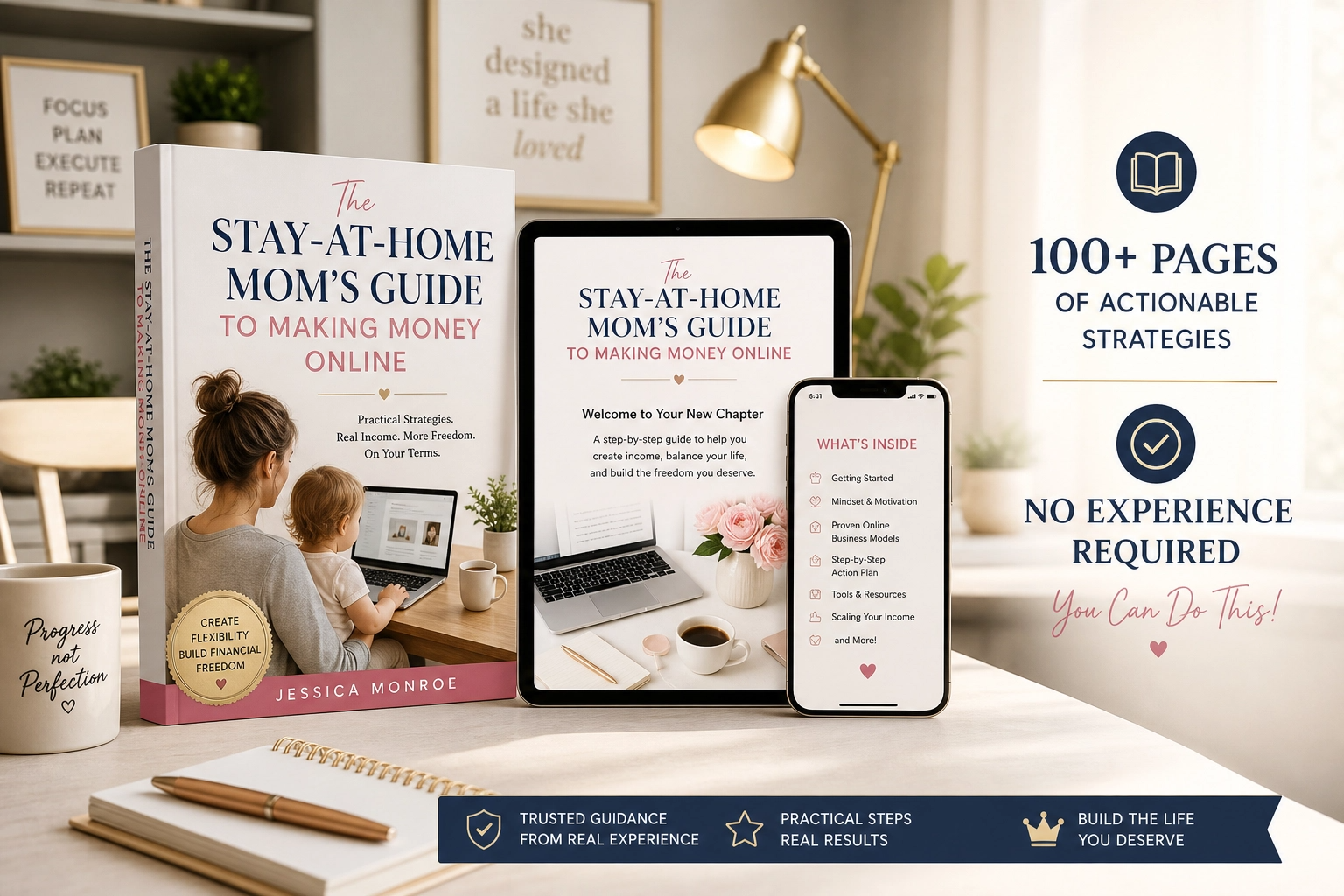
Etsy works best as one piece of an online income plan that also includes your own audience and a clear path from side hustle to steady income. If you’d like a beginner-friendly roadmap made for moms, take a look at my ebook:
The Stay-At-Home Mom’s Guide To Making Money Online
Trust me, a plan keeps you from chasing every marketplace rule change.
Final Thoughts
Etsy can be a lovely way for a stay-at-home mom to earn from creativity, but it rewards honesty and originality more than ever. Understand the Creativity Standards, be transparent about AI, show real products, and keep building your own audience too. Start small, learn the rules, and let your shop grow at a pace your family can handle.










Leave a Reply