

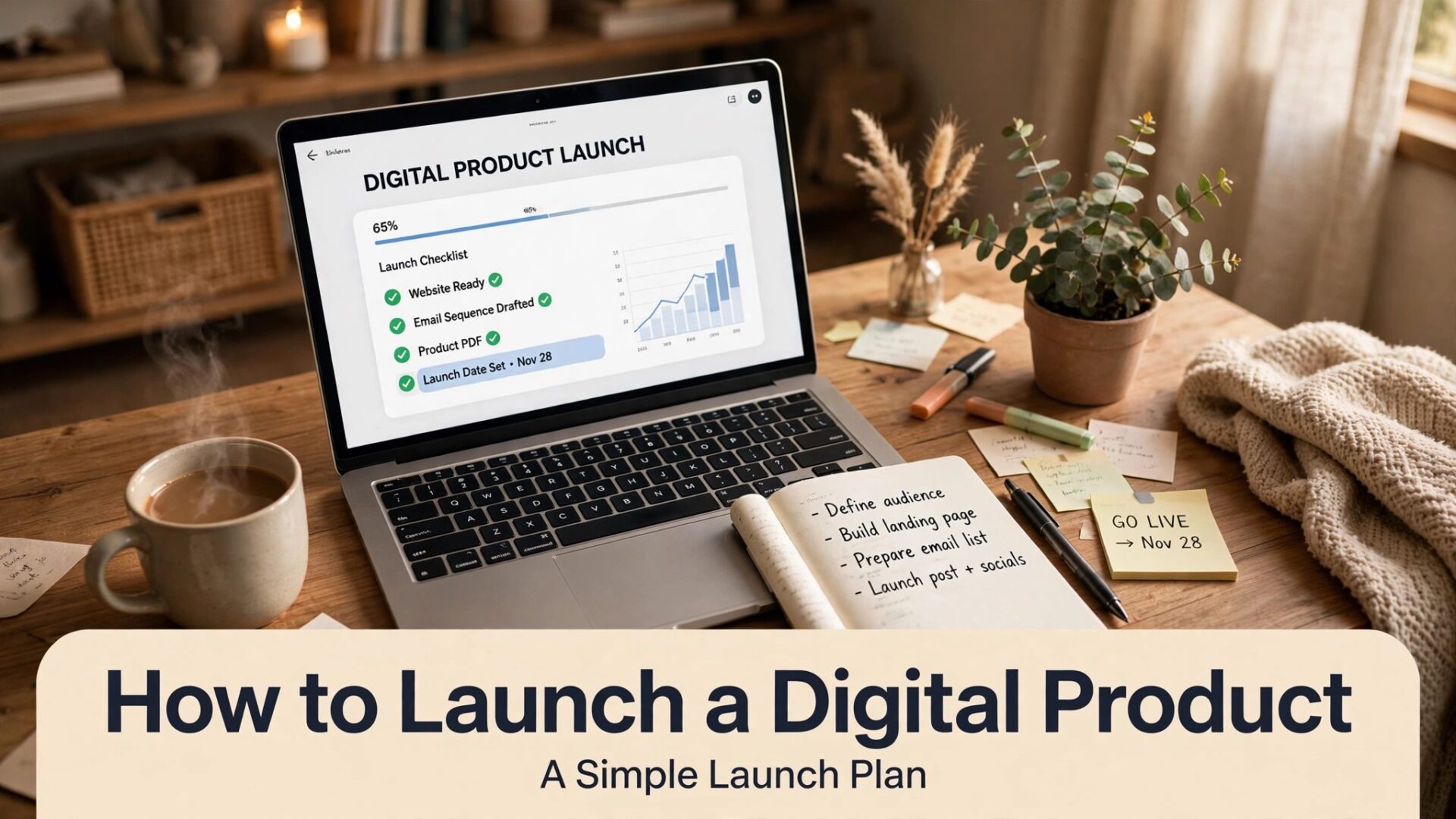
My first product launch consisted of one social media post that said, “My new planner is live!” and then hours of silent refreshing. Two people bought it. One was my mother-in-law. I learned that day that creating a product and launching a product are two completely different skills.
If you want to launch a digital product successfully, even with a small audience, you need more than a finished file. You need a plan that builds interest before launch day, gives people a reason to act, and follows up afterward.
In this guide, I’ll walk you through a simple launch timeline, how to build a waitlist, what to say in your emails, and how to learn from results so each launch gets easier.
What Is a Launch (and Why It Matters)?
A launch is a focused period of marketing and selling a product, usually with a defined start, a few days of heightened promotion, and a close or special offer.
Why launches work:
- Focus. Concentrated attention creates momentum.
- Urgency. Deadlines and bonuses help people decide.
- Learning. You get quick feedback on your offer and messaging.
- Visibility. A launch gives you reasons to talk about your product repeatedly.
The honest part: Launch results vary. A small audience may produce small sales, and that’s okay for a first launch. Use each launch as a learning cycle, and avoid hype or false urgency.
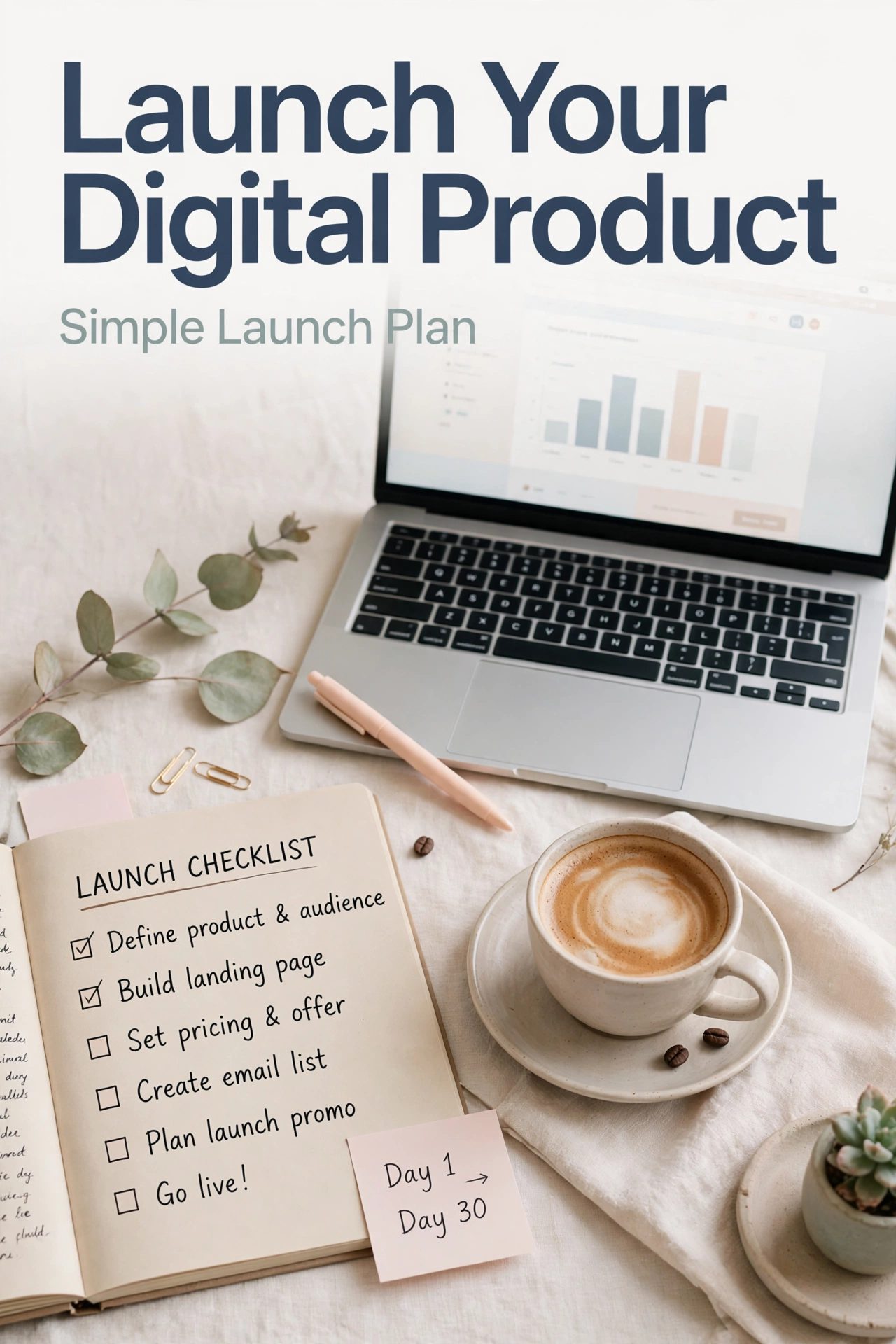
Step 1: Make Sure Your Offer Is Clear
Before launching, answer:
- Who is this for?
- What problem does it solve?
- What result will customers get?
- Why is it different?
- What does it include and cost?
Write a one-sentence promise: “This planner helps freelancers track income, expenses, and taxes in one simple system.”
Step 2: Choose Your Launch Style
Soft Launch
Quietly release to a small group, gather feedback, and refine. Great for first products.
Open Cart Launch
Open sales for a limited window, such as five to seven days, with a clear close date.
Evergreen Launch
The product is always available, with automated emails and ongoing marketing.
Pre-Launch or Founding Member Launch
Sell early access at a discount to a small group before the official launch.
Pro tip: For a first product, a soft launch followed by an open cart launch to your list is a good combination.
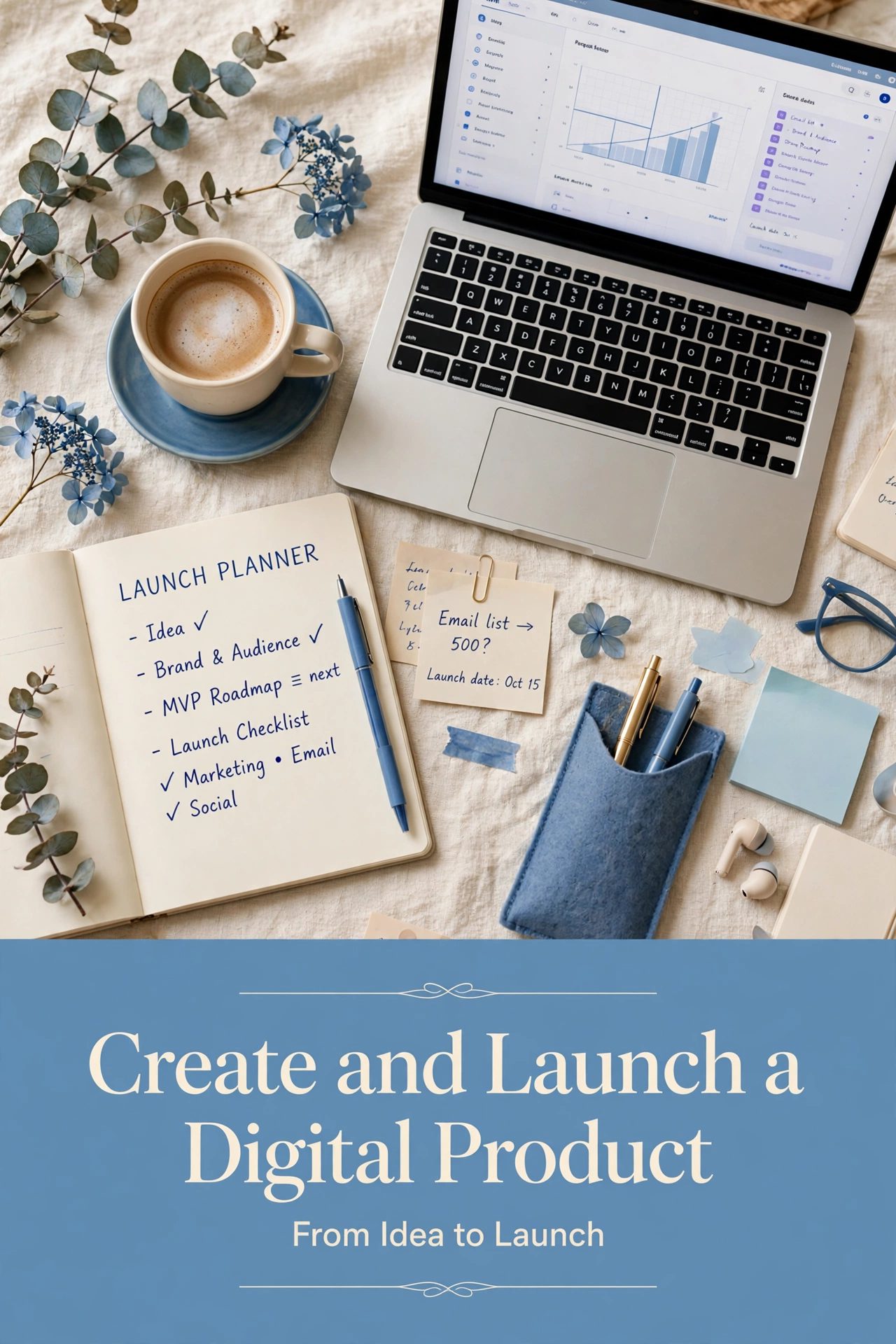
Step 3: Build a Waitlist and Warm Up Your Audience
Start two to four weeks before launch.
- Create a simple waitlist page with a clear benefit and sign-up form.
- Offer an incentive: early-bird pricing, a bonus, or a free sample.
- Share the “why” behind your product.
- Post behind-the-scenes content showing your creation process.
- Ask questions about your audience’s struggles.
- Share sneak peeks of pages or features.
Where to Promote Your Waitlist
- Email list.
- Social media.
- Pinterest.
- Blog posts.
- Communities where allowed.
- Collaborations.
AI can help brainstorm teaser content and email drafts. Edit everything to match your voice and keep your claims honest. The Claude Advantage shows how to prompt effectively for launch planning.
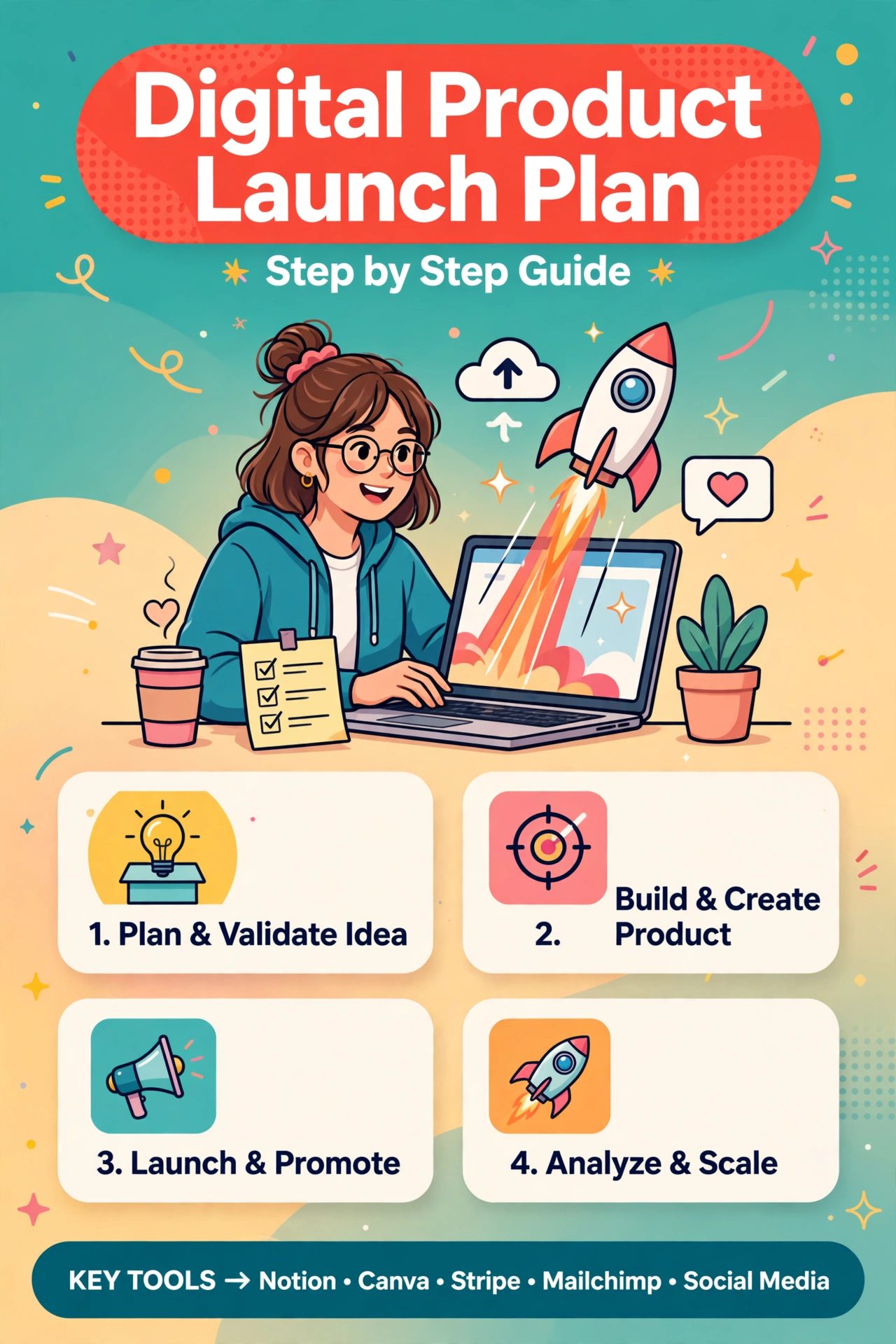
Step 4: Create Your Sales Page
A clear sales page is essential.
What to Include
- A headline stating the main benefit.
- A short intro describing the problem.
- What’s included with visuals.
- Benefits, not just features.
- Who it’s for (and who it isn’t).
- Testimonials or beta feedback.
- FAQ answering objections.
- A clear call to action with price and a buy button.
- Guarantee or refund policy.
Keep the language simple and honest. Avoid income or result guarantees you can’t support.
Step 5: Gather Social Proof Before Launch
Proof builds trust.
- Offer free or discounted beta copies to ten people in exchange for honest feedback.
- Ask for short testimonials with specific results.
- Share screenshots, examples, and before-and-after stories with permission.
- Display reviews or ratings where appropriate.
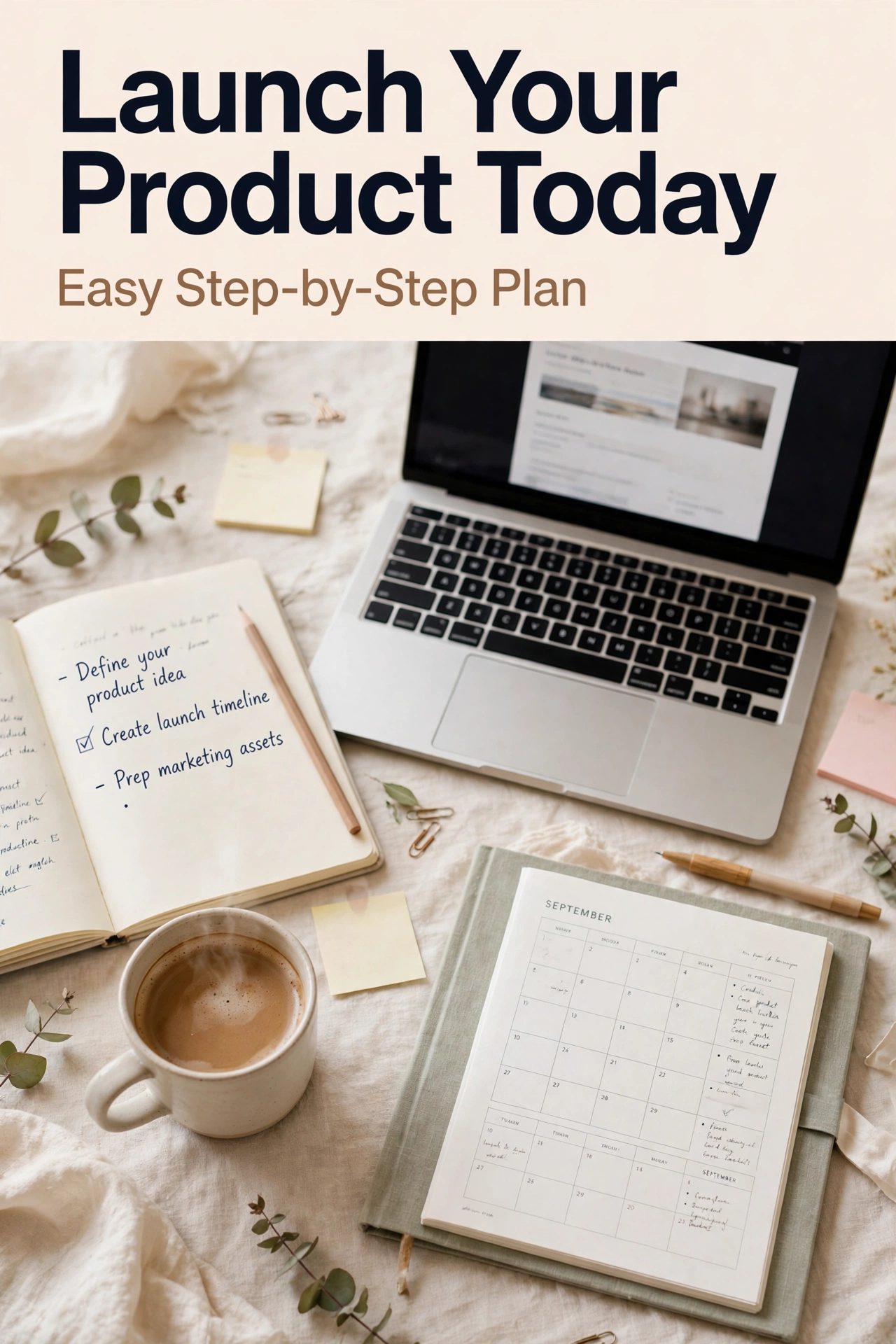
Step 6: Plan Your Launch Emails
Email is often where most launch sales happen.
A Simple Five-Email Launch Sequence
- Email 1 (Launch day): Announce the product, share the story, and link to the sales page.
- Email 2 (Day 2): Share a customer story or a detailed look at one feature.
- Email 3 (Day 4): Answer common questions and objections.
- Email 4 (Final 24 hours): Remind readers the offer is closing soon.
- Email 5 (Final hours): Send a short last-chance reminder.
Tips
- Write like you talk.
- Focus on benefits and stories.
- Use clear subject lines.
- Use genuine deadlines only.
- Segment buyers from non-buyers so you don’t keep promoting to people who purchased.
Step 7: Promote Across Channels
- Social posts: Behind-the-scenes, tips, and testimonials.
- Stories and short videos: Quick demos and Q&As.
- Pinterest: Pins linking to your sales page.
- Blog posts: Helpful articles that lead to your product.
- Collaborators and affiliates: Invite others to share with their audiences.
- Communities: Share helpful content and follow self-promotion rules.
The Digital Marketing Playbook explains how to attract and convert buyers, and The Personal Brand Blueprint can help you build trust that supports every launch. If you want more product ideas to launch next, The Stay-At-Home Mom’s Guide to Making Money Online is a great resource.
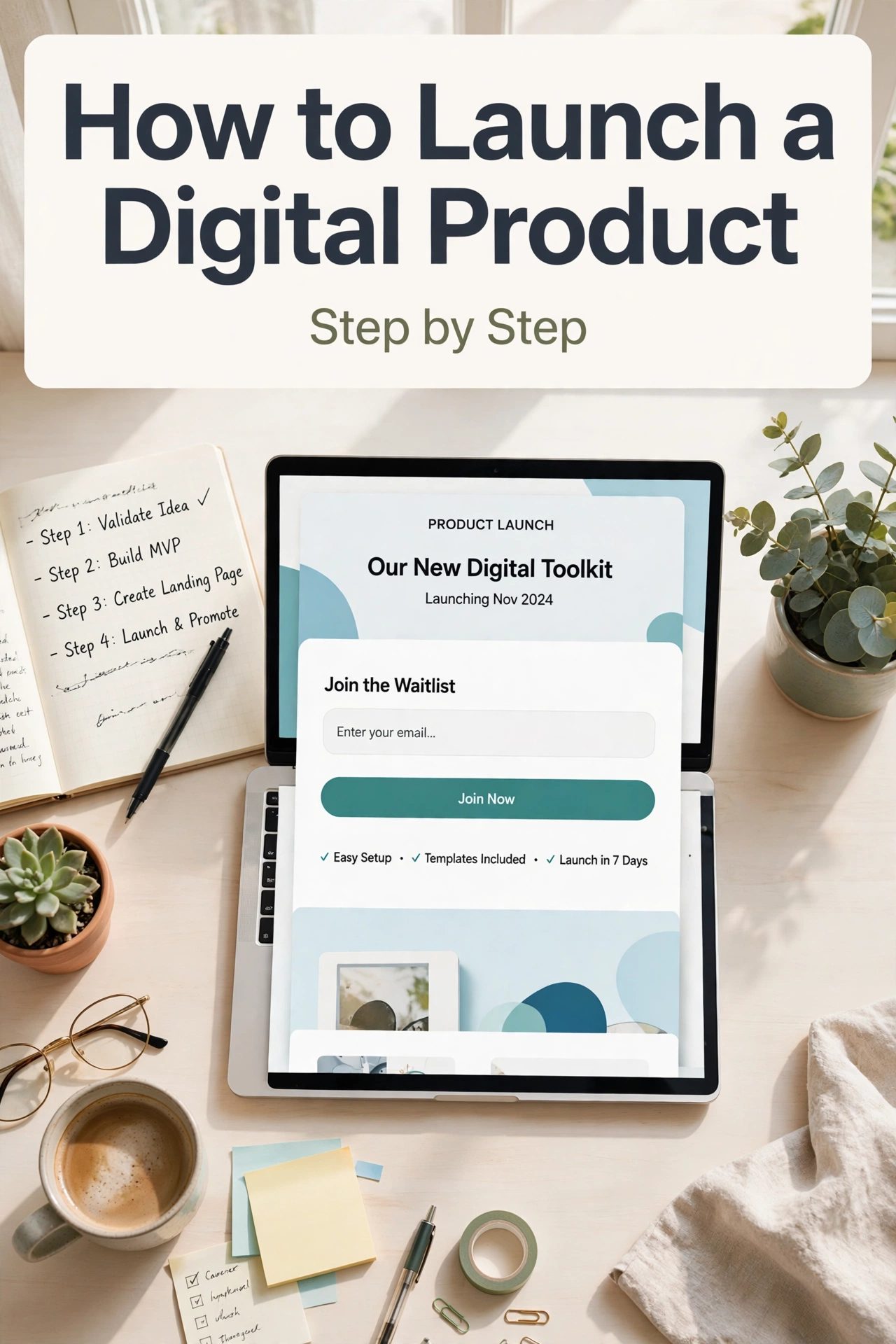
Step 8: Run Launch Day Smoothly
- Test your checkout and delivery process beforehand.
- Prepare customer support replies.
- Schedule posts and emails.
- Monitor questions and answer quickly.
- Celebrate each sale, however small.
Step 9: Follow Up After the Launch
The launch doesn’t end when the cart closes.
- Thank buyers and give clear next steps.
- Ask for feedback and testimonials.
- Share results and lessons with your audience, honestly.
- Offer a “late” option or make the product available on an ongoing basis.
- Review your numbers: visitors, conversion rate, email opens, and sales.
- Update and improve the product based on feedback.
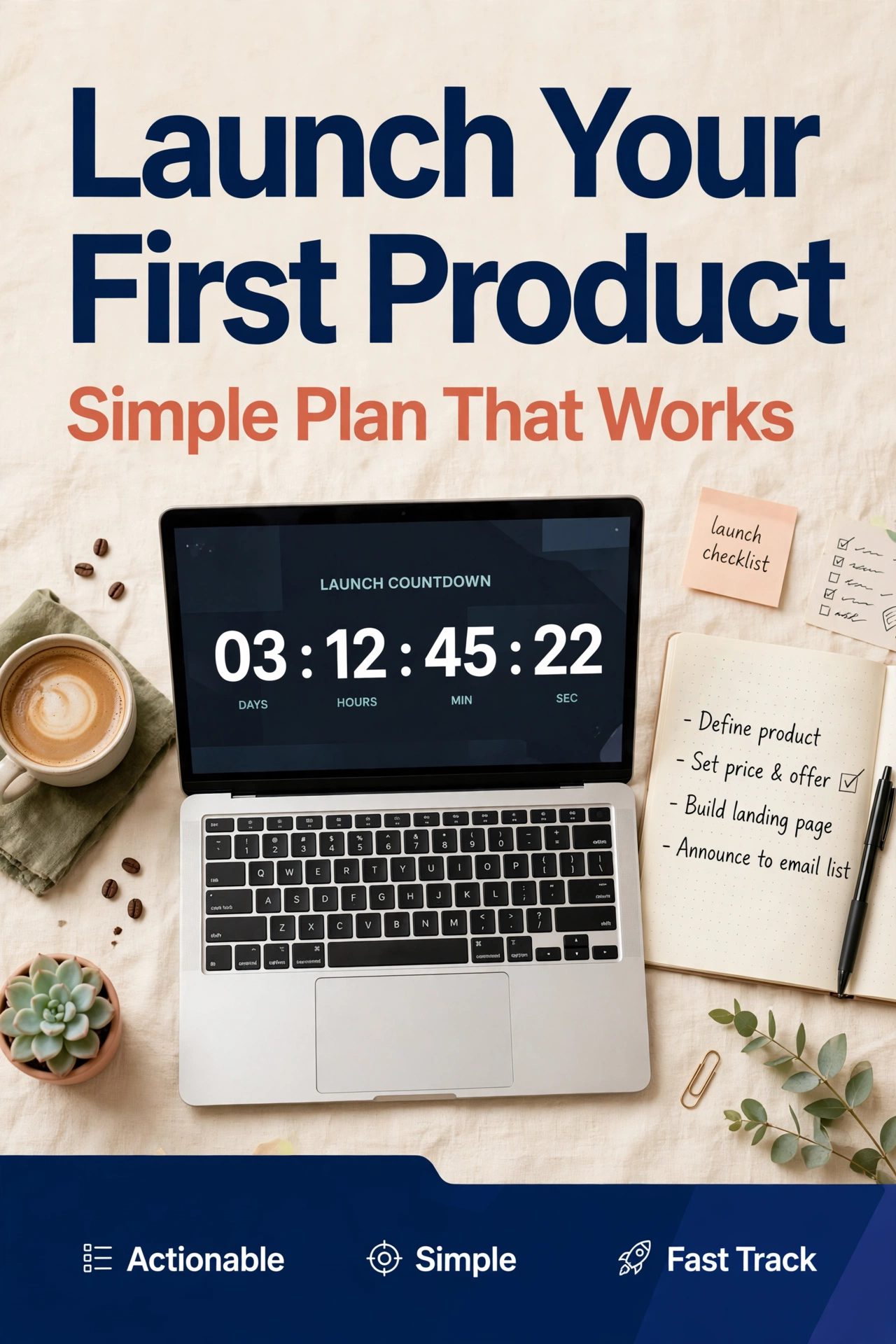
A 4-Week Launch Timeline
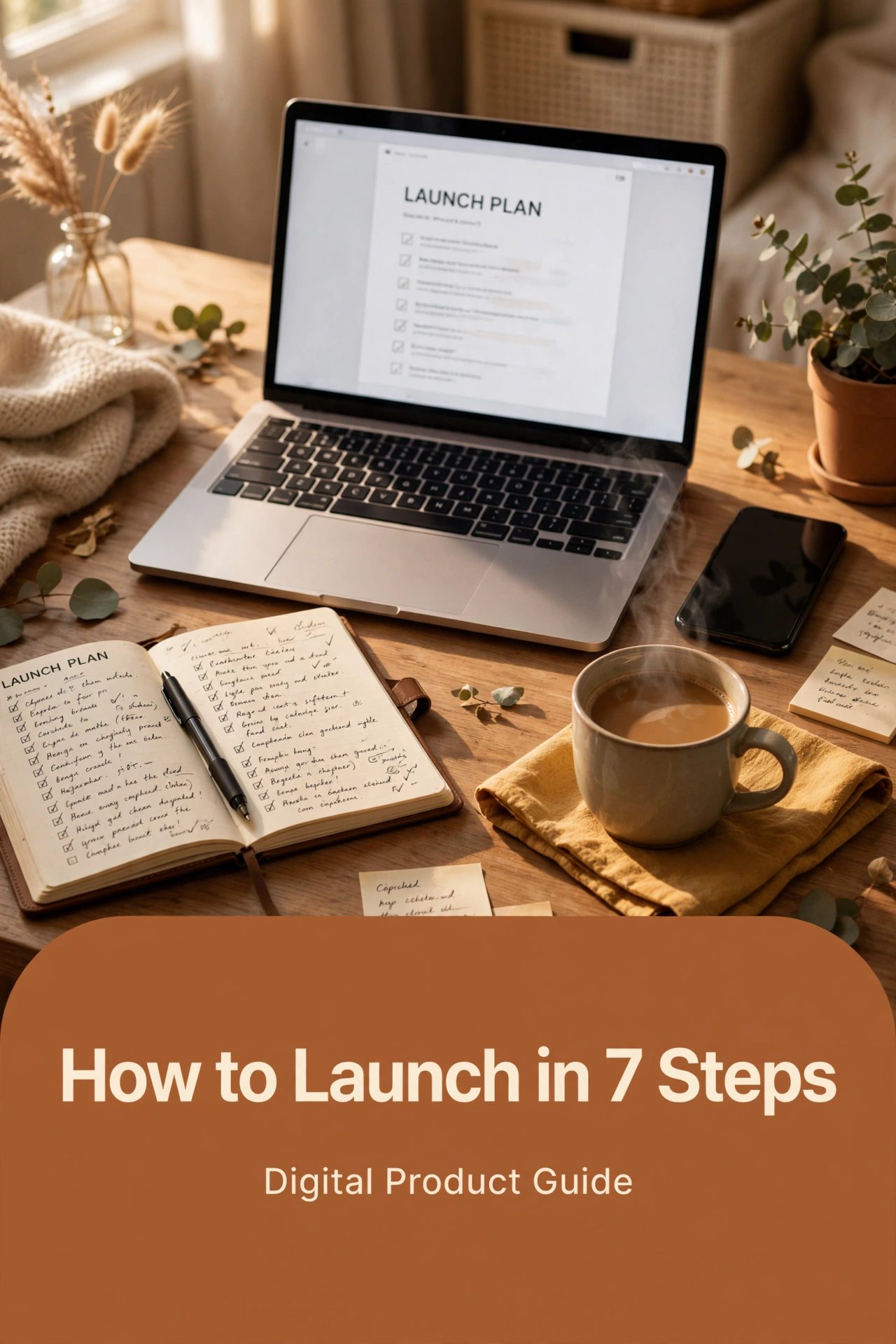
- Week 1: Clarify the offer, build the waitlist page, and start behind-the-scenes content.
- Week 2: Collect beta feedback, finalize the sales page, and write launch emails.
- Week 3: Open early-bird access to the waitlist and share testimonials.
- Week 4: Launch publicly, send the email sequence, and promote across channels.
Metrics to Track
- Waitlist sign-ups.
- Email open and click rates.
- Sales page visitors and conversion rate.
- Number of sales and revenue.
- Refunds and questions.
Use the data to improve your next launch.
Money and Legal Basics
- State clear terms, refund policies, and delivery details.
- Avoid exaggerated claims.
- Track income and expenses, and set aside money for taxes. Consult a qualified professional.
The Smart Mom’s Complete Guide to Money offers friendly guidance for handling new income.
Example Launch Email You Can Adapt
Writing the first launch email can feel intimidating, so here’s a simple structure with a sample:
Subject: It’s here: the Freelance Money Planner
Hi [Name],
A year ago, I opened my bank account and had no idea whether I could afford rent. That stress is why I created the Freelance Money Planner, a simple system for tracking income, taxes, and savings.
Today it’s open for the first time. It includes monthly trackers, a tax set-aside guide, and a one-page cash flow plan.
[Get the planner here]
If you have questions, just hit reply. I read every message.
Notice the story, the clear benefit, a single call to action, and an invitation to reply. This format works for almost any digital product.
What to Do If Your Launch Is Quiet
Many first launches are small. If sales are slower than you hoped, don’t panic:
- Ask buyers and non-buyers for feedback with a short survey.
- Check the basics: Is your link working, and is your checkout smooth?
- Review your messaging: Does the headline clearly state the result?
- Look at your audience size and be realistic about conversion rates, since a small list produces small numbers.
- Extend or reopen the offer with an improved bonus or clearer explanation.
- Plan your next launch using what you learned.
Every successful creator has had a quiet launch. What separates them is that they learn, adjust, and try again.
Mistakes to Avoid
- Launching without telling anyone beforehand.
- Unclear offers.
- False urgency or hype.
- Ignoring email.
- Forgetting to follow up.
- Expecting one launch to define success.
Quick Answers About Launching Digital Products
Can I launch with a small audience? Yes. A small, engaged list can produce meaningful first sales.
How long should a launch last? Many open-cart launches run five to seven days, with a few weeks of warm-up.
What if nobody buys? Review your offer, audience, and messaging, talk to potential customers, and try again with adjustments.
Do I need ads? Not necessarily. Many creators launch with email, social, and Pinterest alone.
Every Launch Teaches You Something
Launching a digital product is about preparation, clear communication, and learning. Build a waitlist, tell honest stories, give people a reason to act, and follow up with care.
This week, create your waitlist page and share it with five people. Trust me, the first time a stranger buys because of an email you wrote, you’ll feel the thrill of a launch done right. Let’s launch!









Leave a Reply