

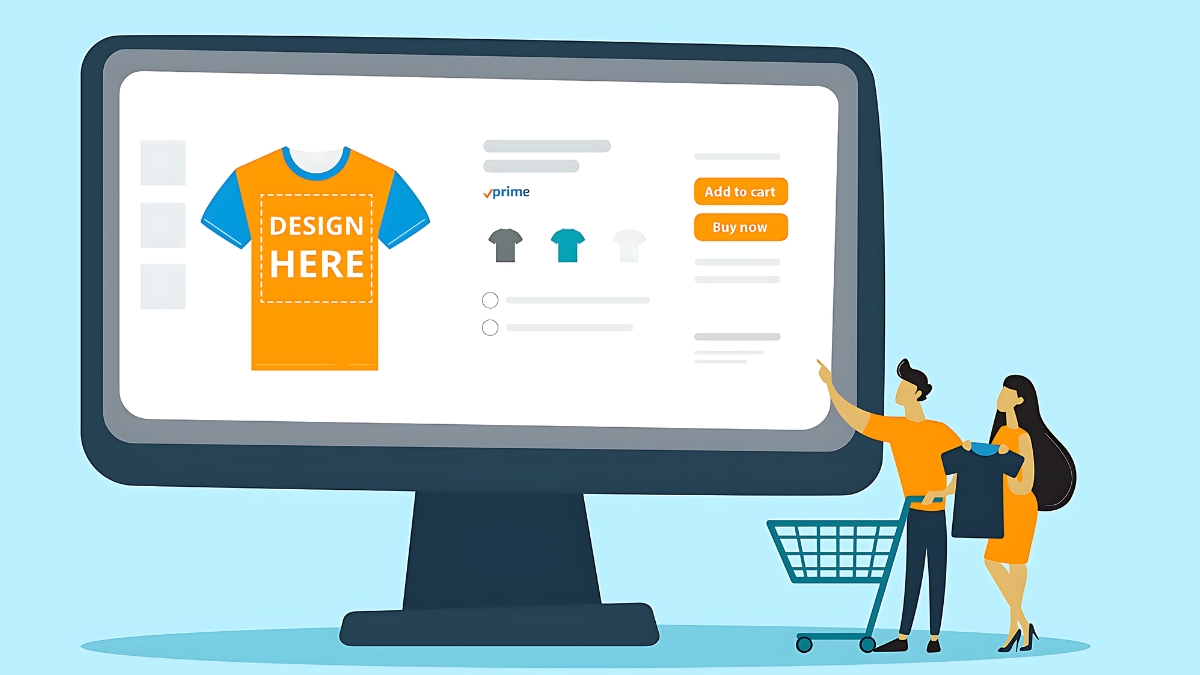
Here’s something that surprised me when I first dug into it: print-on-demand is one of the few business models where you can sell a physical product without ever touching inventory, a shipping label, or a packing tape gun. Someone orders a mug, a third-party partner prints it, ships it, and you keep the difference. No garage full of boxes. No upfront bulk order that sits unsold for months.
I remember when I first heard about it. I was sitting at my kitchen table, working my 9-to-5 by day and scrolling side hustle ideas by night, convinced that “real” businesses needed warehouses and big budgets. Boy, was I wrong. My first print-on-demand shop had exactly six designs, a logo I made in twenty minutes, and zero idea what I was doing. It took a few months and a lot of trial and error before the first sales trickled in, but that little shop taught me more about online business than anything else I’d tried.
In this comprehensive guide, I’ll walk you through everything you need to know about starting a print-on-demand business in 2026: how the model works, how to pick a niche, where to find (or create) designs, which platforms to use, and how to get your first sales. Let’s get into it.
What Is Print-on-Demand and Why Does It Work?
Print-on-demand (POD) means you upload a design, attach it to a blank product like a T-shirt, tote bag, mug, or phone case, and list it for sale. When a customer buys, your POD partner prints the item on demand and ships it directly to them. You never pay for a product until someone has already paid you.
Here’s why the model works so well for beginners:
- Low startup cost: You can launch with little more than a computer and a free design tool.
- No inventory risk: Unsold designs cost you nothing.
- Endless testing: You can list dozens of designs and let the market tell you what sells.
- Location freedom: Run it from your couch, a coffee shop, or a beach in another country.
Here’s the truth, though: low barriers to entry mean plenty of competition. The shops that win aren’t the ones with the most designs. They’re the ones with the clearest niche and the most consistent effort. Trust me on this one.

Step 1: Choose a Niche You Can Actually Stick With
When I started, I made the classic mistake of designing for “everyone.” Big mistake. A shop for everyone is a shop for no one. A shop for, say, dog-loving nurses or introverted bookworms or plant-obsessed apartment dwellers gives shoppers an instant reason to say “this was made for me.”
How to Find a Profitable Niche
- Start with your own interests. You’ll design better and market more naturally when you genuinely care.
- Look for passionate communities. Hobbies like gardening, crocheting, fishing, and teaching all have buyers who love gifts that say “I’m one of you.”
- Check demand on Etsy and Pinterest. Search your idea and see whether other shops are selling it consistently. Competition is actually a good sign, because it proves people buy.
- Narrow it down. “Funny shirts” is too broad. “Funny shirts for remote workers” is a real starting point.
- Think in seasons. Holidays, back-to-school, and graduation give you predictable spikes.
Pro tip: Write down three niches and design five test products for each. After a month, double down on the one getting the most views, favorites, and saves.
Step 2: Get Your Designs Ready
This is where a lot of beginners freeze up. “I’m not an artist,” they say. I said it too! The good news is you don’t need to draw anything from scratch.
Your Design Options
- Make your own in Canva. Text-based designs, simple layouts, and quote graphics are beginner-friendly and sell surprisingly well.
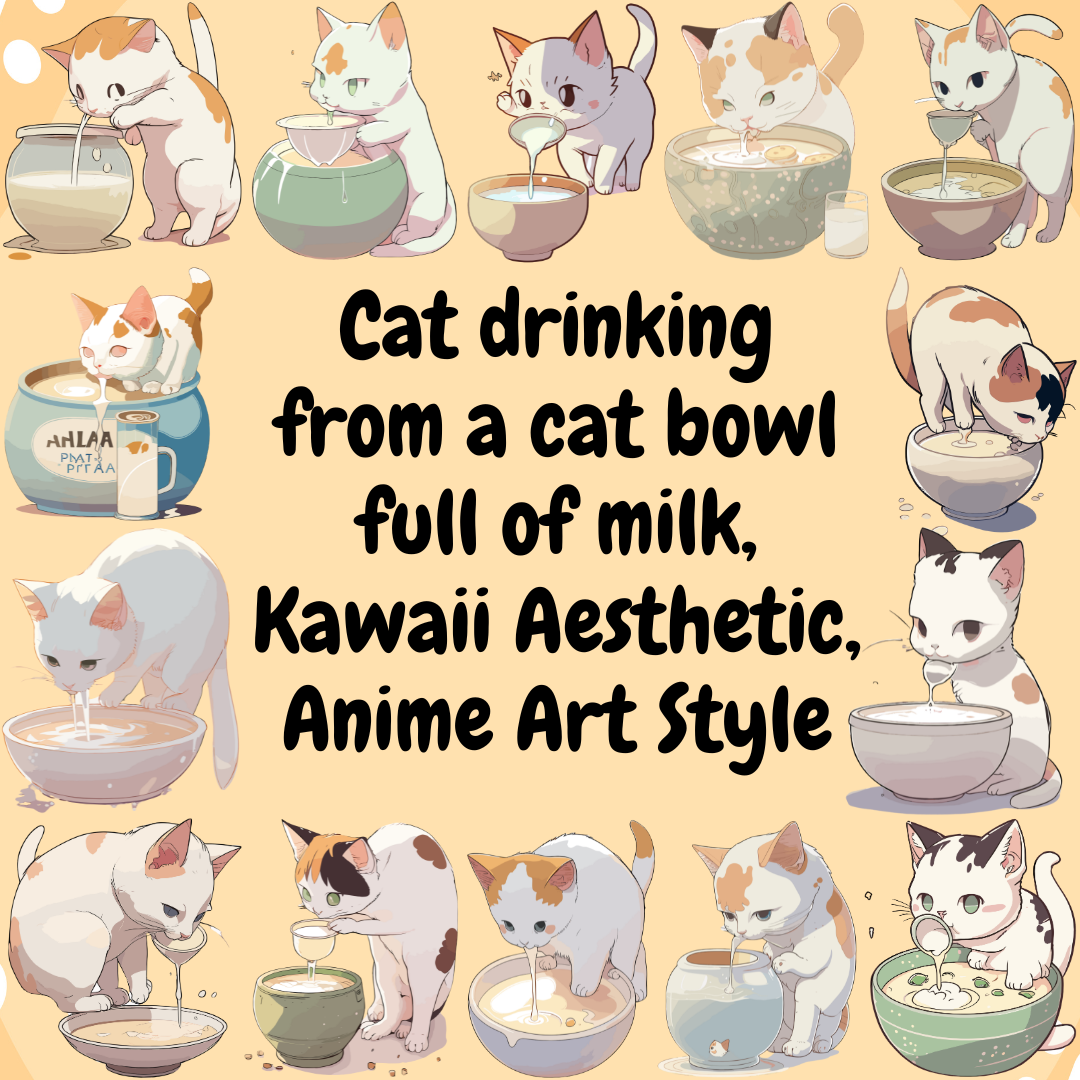
- Use commercial-use clip art. Ready-made illustrations let you build cohesive designs in minutes. For example, a cute, kawaii-style illustration like this cat drinking from a bowl of milk clipart can be a great starting point for a cat-lover niche. Just read the product page carefully for the license details before you put any design on a product you plan to sell.
- Try retro or humor graphics. Workplace humor sells, especially with a nostalgic twist. Something like the 90s-style “Per My Last Email” computer clipart fits perfectly into an office-humor niche.

- Hire a freelance designer. Once you have proof that a niche sells, paying for custom art can make sense.
If you want to browse more options, you can explore the full clip art collection at Omnimart24h and see which styles match your niche.
Design Tips That Actually Matter
- Keep designs simple and readable at thumbnail size, because most shoppers see them on a phone.
- Use transparent PNG files at high resolution (most POD platforms want at least 300 DPI).
- Stay consistent with fonts and color palettes so your shop feels like a brand.
- Test designs on dark and light product colors, because a design that pops on white can vanish on black.
Step 3: Pick Your Platform and POD Partner
You need two things: a place where customers find you, and a partner that prints and ships.
Marketplaces (built-in traffic):
- Etsy
- Amazon Merch on Demand (invite/approval-based)
- Redbubble and TeePublic
Your own store:
- Shopify or WooCommerce connected to a POD partner
Popular POD partners:
When I started, I chose Etsy because the shoppers were already there. Little did I know how much easier that made the early days. With your own store, you control everything, but you also have to drive every single visitor yourself. My advice: start on a marketplace, learn what sells, then consider building your own shop later.
Quick note on fees: Every platform charges some combination of listing fees, transaction fees, and payment processing fees, and those change often. Check current rates before you price anything.
Step 4: Set Up Your Shop Like a Real Business
Your shop is a storefront. Treat it like one.
- Choose a brand name that’s easy to spell and fits your niche.
- Create a simple logo and banner in Canva.
- Write a warm “About” section. Shoppers love knowing a real person is behind the shop.
- Order samples. I learned this the hard way when a beautiful design turned out muddy on the actual fabric. Always order a sample of your bestsellers.
- Set up business basics. Depending on where you live, you may need to register your business or track income for taxes. I used to get nervous sweats thinking about this stuff! A local small business office or a qualified accountant can walk you through what applies to you.
Pricing Your Products
Work backward from your costs:
- Base cost from the POD partner
- Platform fees
- Shipping (if you offer free shipping, bake it into the price)
- Your desired profit per sale
A simple rule of thumb: aim for a healthy margin after all fees, and don’t race to the bottom on price. Customers buying a gift usually care more about the design than saving two dollars.
Step 5: Write Listings That Rank and Sell
Great designs don’t matter if nobody finds them. This is where SEO comes in.
Listing Checklist
- Title: Lead with your main keyword, like “Funny Office Humor Mug for Coworkers.”
- Tags: Use every tag slot with specific phrases buyers actually search.
- Description: Explain the product, the sizing, the material, and who it’s perfect for.
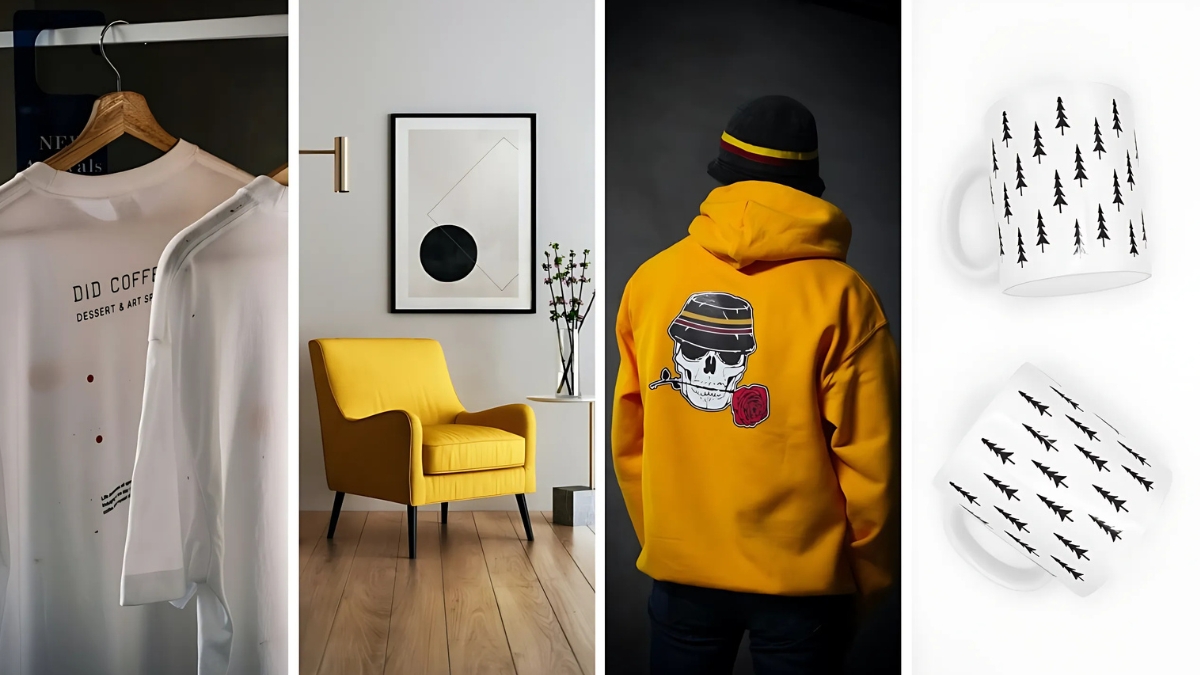
- Photos: Use mockups showing the product in real settings. Lifestyle mockups outperform flat images almost every time.
- Keywords research: Tools like eRank or Marmalead can show you what shoppers search for.
Here’s what I learned: My first listings had vague titles like “Cute Cat Shirt.” Once I rewrote them to include the audience and occasion, such as “Cat Lover Gift for Women, Cute Kawaii Cat Tee,” my views climbed noticeably.
Step 6: Drive Traffic and Get Your First Sales
Even with perfect listings, the first few sales usually need a push.
- Pinterest: Create vertical pins linking to your listings. Pinterest works like a search engine, so pins keep driving traffic for months.
- Social media: Share behind-the-scenes design clips on Instagram Reels or TikTok.
- Email list: Offer a small freebie to collect emails, then announce new designs.
- Friends and family: Yes, really. A few early sales and reviews build social proof.
- Seasonal launches: Release designs 6 to 8 weeks before a holiday so they have time to rank.
Be patient. Most shops don’t explode overnight. Mine grew slowly, then a few designs started to get traction, and that momentum changed everything.
Common Mistakes to Avoid
- Using copyrighted material. Never use brand names, movie quotes, or characters you don’t own the rights to. Your shop can be shut down.
- Ignoring licenses. Always confirm that any clip art or font allows the kind of use you have in mind.
- Launching too few designs. A shop with three listings rarely gets noticed. Aim for at least 20 to 30 to start.
- Skipping analytics. Check which designs get views and which get sales, then make more like the winners.
- Giving up in month two. This is the big one.
Your Next Steps
Starting a print-on-demand business is one of the most beginner-friendly ways to build an online income stream in 2026. You don’t need to be an artist, you don’t need a big budget, and you don’t need a garage full of stock. What you need is a clear niche, a handful of strong designs, well-written listings, and the patience to keep improving. By following this guide and consistently showing up, you’ll be well-equipped to launch a shop that grows over time. Pick your niche this week, design your first five products, and hit publish. Future you will be glad you did!







Leave a Reply