


A bakery owner once told me, “I know I should email my customers, but every time I open the software I close it again.” She wasn’t lazy. She was overwhelmed by templates, segments, and subject lines, and she had a business to run. That moment taught me something useful: small business owners aren’t short on email software. They’re short on time, confidence, and someone to do it for them.
That’s a real opportunity for a mom who’s organized, writes clearly, and likes systems. Email remains one of the few channels businesses own, and the work is shifting in interesting ways. AI inboxes now summarize and prioritize messages, which has inflated open rates in large datasets while click-through has dipped, so good freelancers focus on clicks, replies, and revenue instead of opens. Deliverability basics like authentication and low spam complaints still decide whether emails reach inboxes at all.
In this guide, I’ll explain how to become an email marketing freelancer: what you’d do, what to learn, how to package and price, and how to find your first clients. (Income varies and isn’t guaranteed.)
What an Email Freelancer Does
- Plans and writes newsletters on a regular schedule
- Builds automated flows: welcome sequences, abandoned cart reminders, post-purchase emails, and win-back campaigns
- Manages the list: segmenting, cleaning, and handling unsubscribes
- Designs simple templates in the client’s email platform
- Tests subject lines, offers, and send times
- Reports results in plain language
Skills to Build
- Clear, friendly writing with a strong first line and a single call to action
- Basics of at least one popular email platform
- Deliverability fundamentals: SPF, DKIM, DMARC, list hygiene, and keeping spam complaints very low (often cited as under about 0.3%)
- Segmentation and automation logic
- Reading metrics: clicks, conversions, revenue per recipient, and replies
- Privacy and consent: opt-ins, unsubscribe links, and local email laws
Step 1: Choose a Niche
Clients trust specialists:
- E-commerce shops
- Local service businesses
- Coaches and course creators
- Nonprofits
- Real estate agents
- Wellness studios
Choose an industry you understand or enjoy.
Step 2: Create Samples
- Write a welcome sequence of three to five emails for a pretend or real business, labeled honestly.
- Create a sample newsletter with a clear structure.
- Build a sample abandoned cart email and a post-purchase email.
- Prepare a sample monthly report with made-up numbers.
Step 3: Package Your Services
- Setup package: welcome flow plus one automation.
- Monthly newsletter package: a set number of newsletters and a report.
- Flow package: abandoned cart, post-purchase, and win-back flows.
- List cleanup and audit: authentication check, segmentation plan, and recommendations.
Define deliverables, revisions, approval process, and reporting.
Step 4: Price Fairly
- Estimate how long each deliverable takes, including strategy, writing, building, testing, and reporting.
- Research what similar freelancers charge in your niche.
- Use monthly retainers for steady work and project fees for setup.
- Charge extra for design, rush work, and extra revisions.
- Don’t promise specific revenue results.
Step 5: Write Emails That Survive AI Summaries
- Put the key point first. If an AI summarizes the email, the main message should still come across.
- Use clear structure and short paragraphs.
- One clear call to action.
- Be useful, not just promotional.
- Judge success by clicks, replies, and sales, not opens.
Use AI for brainstorming and first drafts if you like, then edit in the client’s voice, verify facts and links, and get approval before sending.
Step 6: Find Clients
- Warm outreach to businesses you know.
- Audit offers: review a small business’s welcome email and share three specific improvements.
- Local business groups and online communities where owners ask for help.
- Freelance marketplaces for early projects.
- Referrals from web designers, social media managers, and bookkeepers.
A simple pitch: “I noticed your welcome email doesn’t mention your best-selling product. Would you like a short audit?”
Step 7: Protect Your Clients and Yourself
- Get written permission to access their email platform, and use proper user access, not shared passwords.
- Follow consent and privacy rules. Never import purchased lists.
- Include confidentiality terms in your contract.
- Be careful with customer data when using AI tools.
- Keep records of approvals and results.
Mistakes to Avoid
- Celebrating open rates.
- Skipping authentication.
- Emailing people who didn’t opt in.
- Over-promising results.
- Sending without approval.
- Underpricing.
- Taking too many clients at once.
Your 30-Day Launch Plan
- Week 1: Choose your niche and learn one email platform.
- Week 2: Create three samples and a sample report.
- Week 3: Write your packages and agreement, and send 10 audit-style pitches.
- Week 4: Run discovery calls and onboard your first client.
Build Your Freelance Income on a Roadmap
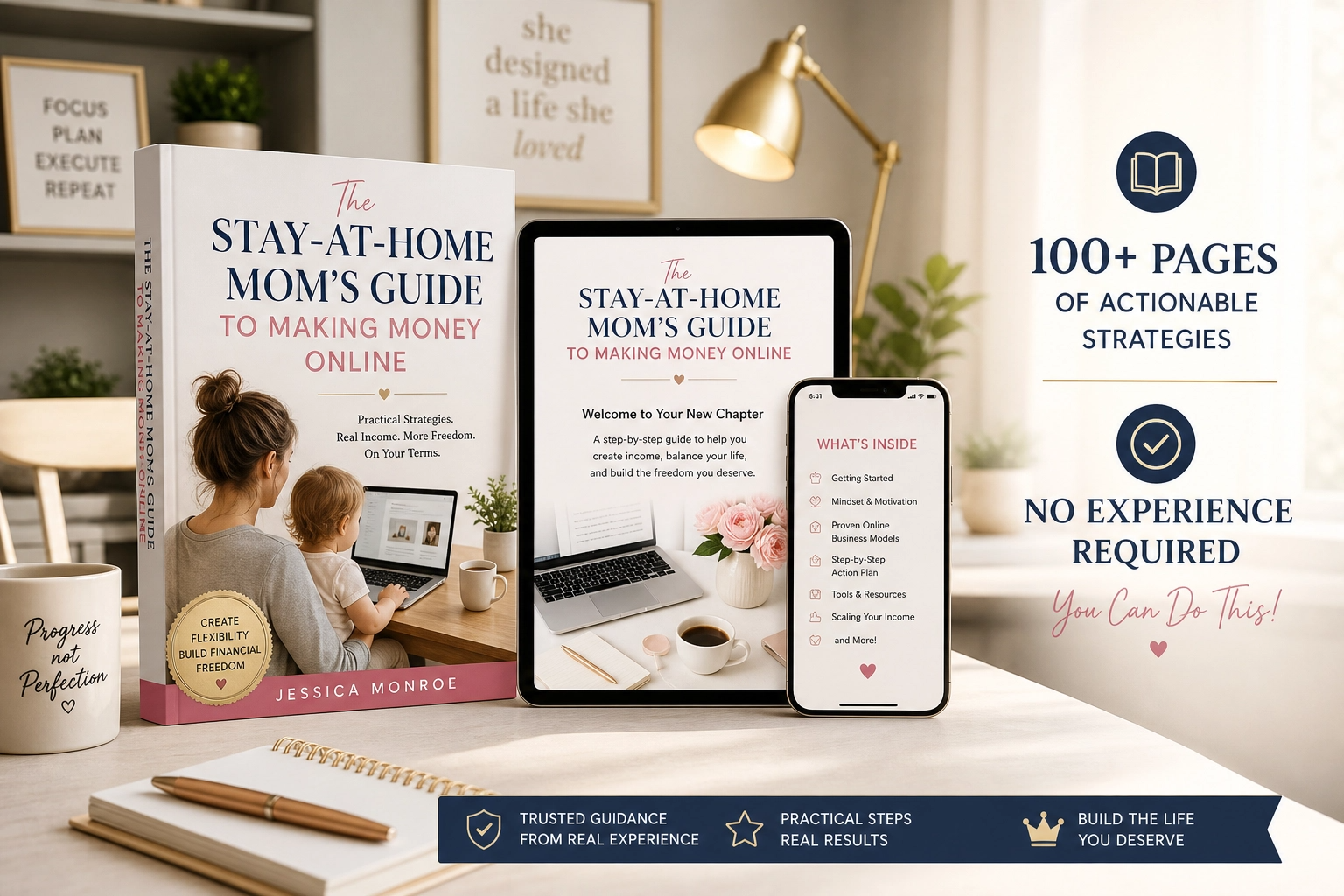
If you’d like a beginner-friendly roadmap for making money online as a stay-at-home mom, take a look at my ebook:
The Stay-At-Home Mom’s Guide To Making Money Online
Trust me, a service that helps businesses talk to their customers will never go out of style.
Final Thoughts
Email marketing freelancing rewards clear writing, steady systems, and honest reporting. Learn the basics, build samples, package your work, and measure outcomes beyond opens. Small businesses need help, and you can be the person who makes email feel easy.








Leave a Reply