


For the longest time, I thought “personal branding” was something only celebrities, CEOs, and people with ring lights and perfect lattes needed to worry about. I’d cringe whenever someone said the word. Brand? I was just a regular woman trying to make some extra income online.
Then something happened that changed my mind. I noticed two people selling almost the exact same service. Same price, same skills, same results. One had a steady stream of clients, and the other struggled to get a single reply. The difference wasn’t talent. It was that one of them was known for something specific, and people trusted her before they ever spoke to her.
Boy, was I wrong about branding being “just for famous people.” A personal brand is simply what people say about you when you’re not in the room, and in the online world, you’re always shaping it, whether you mean to or not. The good news is that you can shape it on purpose.
In this complete guide, I’ll show you how to build a personal brand online from scratch in 2026. We’ll cover what a personal brand really is, how to find your niche and positioning, how to create a simple visual identity, which platforms to choose, how to plan content, how to build assets you own, and how to turn your brand into income. No fake persona, no cringe, and no need for a big following to begin.
What Is a Personal Brand (And Why Does It Matter)?
Your personal brand is the combination of your expertise, personality, values, and reputation as people experience it online. It’s the answer to three questions: Who are you? What do you help people with? Why should anyone trust you?
Here’s why it matters, especially if you want to earn online:
- It builds trust before the sale. People buy from those they know, like, and trust, and branding speeds that up.
- It sets you apart. In a crowded market, being the “go-to person” for something specific beats being a generalist.
- It attracts opportunities. Clients, collaborations, and brand partnerships find you instead of you chasing them.
- It supports higher prices. A recognized expert can usually charge more than an unknown beginner.
- It’s an asset you own. Jobs and platforms can change, but your reputation goes with you.
Pro tip: A personal brand doesn’t mean oversharing. It means being consistently you in a way that’s useful to the people you want to help.
Step 1: Get Clear on Your Foundation
Before you pick a logo or open a new account, spend time on clarity. Skipping this step was my biggest early mistake, and I ended up with a brand that was a confusing mix of everything.
Answer these questions in a notebook:
- What am I good at? List your skills, experience, and the things friends always ask you for help with.
- What do I genuinely enjoy? You’ll be talking about this topic for years, so pick something that won’t bore you.
- What values matter to me? Honesty, creativity, freedom, family, and so on. Your values shape your voice and your boundaries.
- Who do I want to help? Be specific about their age, stage of life, and struggles.
- What’s my story? Your struggles, turning points, and lessons are what make your brand human.
Now look for the overlap between your skills, your interests, and a real audience need. That intersection is your sweet spot.
Step 2: Choose Your Niche and Write a Positioning Statement
“I help everyone with everything” doesn’t work. A clear niche makes you memorable and makes marketing dramatically easier. I know, narrowing down feels scary because you worry about losing potential customers. But in practice, specific beats broad every time.
A simple formula for your positioning statement:
“I help [specific audience] achieve [specific result] through [your approach or unique angle].”
Examples:
- “I help new moms start side businesses using simple, no-tech strategies.”
- “I help freelance designers raise their prices with confidence.”
- “I help busy professionals build healthy morning routines in 20 minutes.”
Test your statement with these checks:
- Can a stranger understand it in five seconds?
- Does it name a real problem people already want solved?
- Does it feel like something you could talk about for years?
You can always evolve your niche later. Think of your first positioning statement as a starting point, not a life sentence.

Step 3: Define Your Brand Voice and Personality
Your brand voice is how you sound in writing, video, and conversation. Consistency here builds recognition.
Pick three to five words that describe how you want to come across, such as warm, honest, practical, funny, direct. Then decide:
- What do you always do? For example, share real numbers, admit mistakes, give step-by-step instructions.
- What do you never do? For example, use hype, promise overnight results, or put others down.
- What are your signature phrases or themes? Repeated ideas become part of your identity.
When I defined my voice as “friendly, candid, and encouraging,” writing became easier. I stopped trying to sound like other creators and just sounded like me, which turned out to be exactly what readers wanted.
Step 4: Create a Simple Visual Identity
You don’t need a pricey designer to look professional. You need consistency. Here’s a lean setup:
- Colors: Choose two to three main colors and one neutral. Use them everywhere.
- Fonts: Pick one heading font and one body font.
- Profile photo: Use a clear, well-lit photo where your face is visible. People connect with faces.
- Logo (optional): A simple text-based wordmark made in Canva is plenty for a beginner.
- Templates: Create a few reusable social media templates so every post looks cohesive.
- Handle and bio: Use the same username across platforms when possible, with a short bio that states who you help and how.
I built my early branding entirely in Canva. Today I use Canva Pro ($119/year) for about 90% of my designs, but the free version is more than enough to start.

Step 5: Pick Your Platforms Wisely
The fastest way to burn out is trying to be everywhere. Choose one primary platform and one owned channel, then expand later.
Match the platform to your strengths and audience:
- Instagram or TikTok: Great for visual, short-form video and lifestyle topics.
- YouTube: Ideal if you enjoy teaching on camera and want long-term, searchable content.
- Pinterest: A search engine for ideas that drives long-lasting traffic, especially for women-focused niches.
- LinkedIn: Strong for professional services, B2B, and career topics.
- A blog or website: Your home base, where you control the content and can rank on Google.
- Email newsletter: The channel you own completely, and often the best for sales.
Here’s what I learned: social platforms are rented land. Algorithms change overnight and accounts can get restricted. Always direct people toward your email list and website, because those are yours.
Step 6: Plan Content Around a Few Core Pillars
Random posting creates a random brand. Content pillars are three to five themes you return to again and again, so people know exactly what you stand for.
For example, a brand about side hustles for women might use these pillars:
- Education: How-to guides and step-by-step tutorials.
- Story: Personal lessons, wins, and mistakes.
- Inspiration: Mindset, motivation, and encouragement.
- Proof: Client results, testimonials, and behind-the-scenes.
- Offers: Your products, services, and invitations to work with you.
A simple weekly rhythm:
- Create one anchor piece of content, like a blog post, video, or long post.
- Repurpose it into three to five smaller pieces for social media.
- Send one email to your list that summarizes or builds on it.
- Spend 15 minutes a day engaging with your community. Reply to comments and start real conversations.
Consistency matters more than perfection. Showing up three times a week for six months beats posting daily for two weeks and disappearing.
Step 7: Build Assets You Own
Your personal brand needs a solid home base. Here’s the order I recommend:
- An email list. Offer a free checklist, template, or mini-guide and invite visitors to subscribe.
- A simple website. One page with your story, who you help, a way to work with you, and an email signup is enough to start.
- A portfolio or proof page. Collect testimonials, case studies, or samples that show your results.
- A signature offer. A product, service, or program that represents your expertise.
Strong brands compound because every piece supports the others. A reader finds your post, joins your list, trusts your emails, and eventually buys your offer.

Step 8: Build Authority and Credibility
Trust grows when other people vouch for you. Beyond posting your own content, look for ways to extend your reach:
- Guest posts and podcast interviews put you in front of other people’s audiences.
- Collaborations with creators in related (not competing) niches introduce you to new followers.
- Speaking or hosting a free workshop, live video, or webinar demonstrates your expertise.
- Testimonials and case studies give social proof that’s stronger than anything you say about yourself.
- Consistency over time is the ultimate credibility builder. Staying active for a year makes you stand out from the people who quit at month two.
Always be honest about your experience. If you’re a beginner, say so, and frame your story as “I’m documenting what I’m learning.” Authenticity beats pretending to be an expert you aren’t.
Step 9: Turn Your Personal Brand Into Income
A brand is valuable only if it supports the life you want. Here are common ways to monetize:
- Services: Freelancing, consulting, or coaching based on your expertise.
- Digital products: Ebooks, templates, workbooks, and mini-courses.
- Affiliate marketing: Recommending tools and products you genuinely use. Always disclose affiliate relationships clearly.
- Sponsored content and brand deals: As your audience grows, brands may pay to reach it.
- Memberships and communities: Ongoing paid access to your content or support.
- Speaking and workshops: Paid opportunities that grow from your authority.
Start with one income stream, and add others as your audience and confidence grow. Many creators begin with a simple digital product or service because those require no one’s permission and have low startup costs.
Common Personal Branding Mistakes
Let me save you some pain with the mistakes I wish I’d avoided:
- Trying to appeal to everyone. A vague brand gets scrolled past.
- Copying other creators. Learn from them, but find your own voice and angle.
- Inconsistent posting and messaging. If people can’t tell what you stand for, they can’t recommend you.
- Ignoring email. Followers can disappear overnight, but subscribers stay.
- Overpromising. Hype may attract attention, but it destroys trust.
- Giving up too soon. Brands take months to build, and the compounding really kicks in later.
Recommended Reading: Three Ebooks to Accelerate Your Brand
I could talk about branding all day, but a clear step-by-step blueprint will take you further than scattered tips. If you want to shortcut the learning curve, these three ebooks are where I’d start.
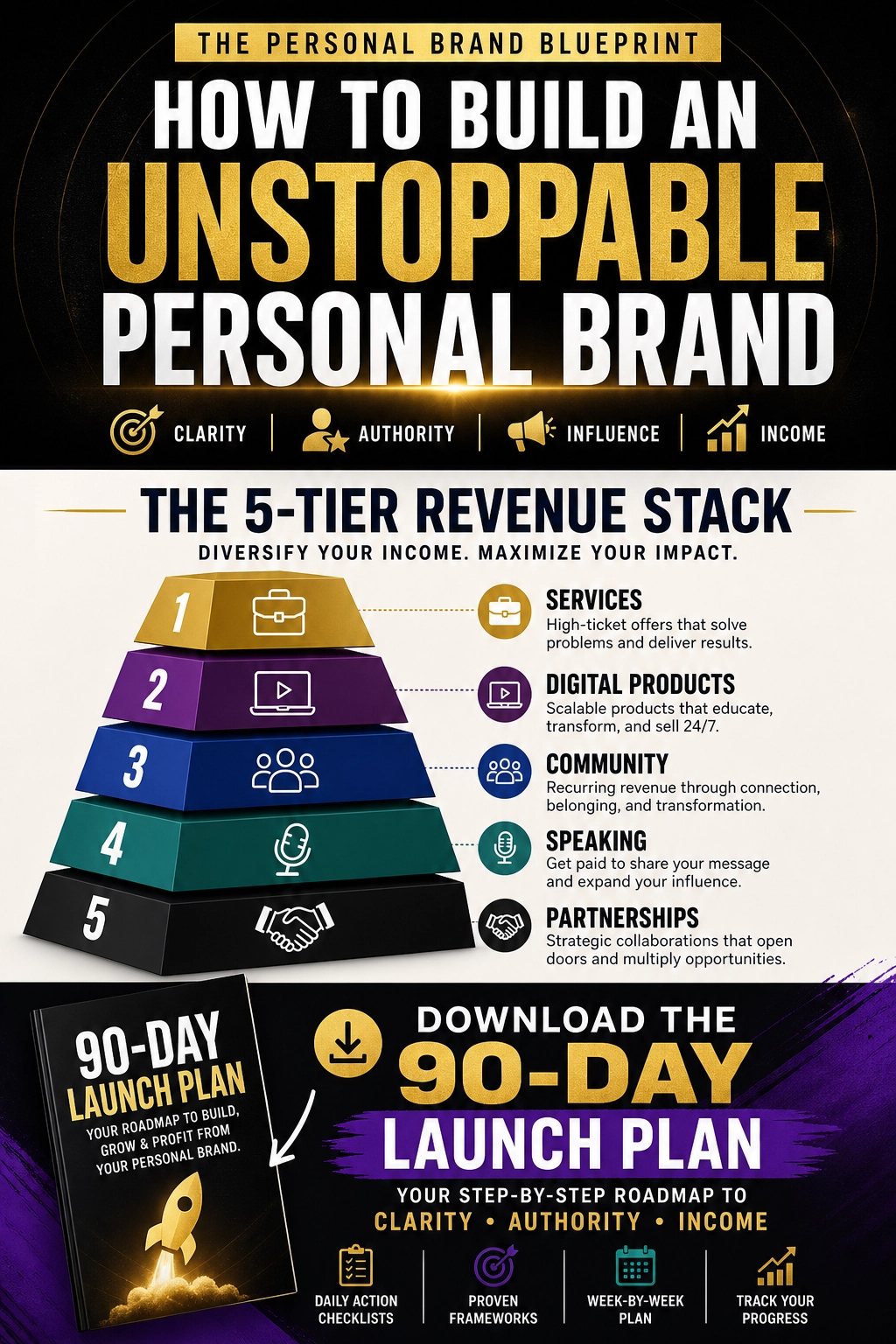
1. The Personal Brand Blueprint This is the foundation. It’s designed to help you define who you are online, position yourself clearly, and build a brand that attracts the right audience and opportunities. If this article inspired you, the Blueprint is the next logical step.
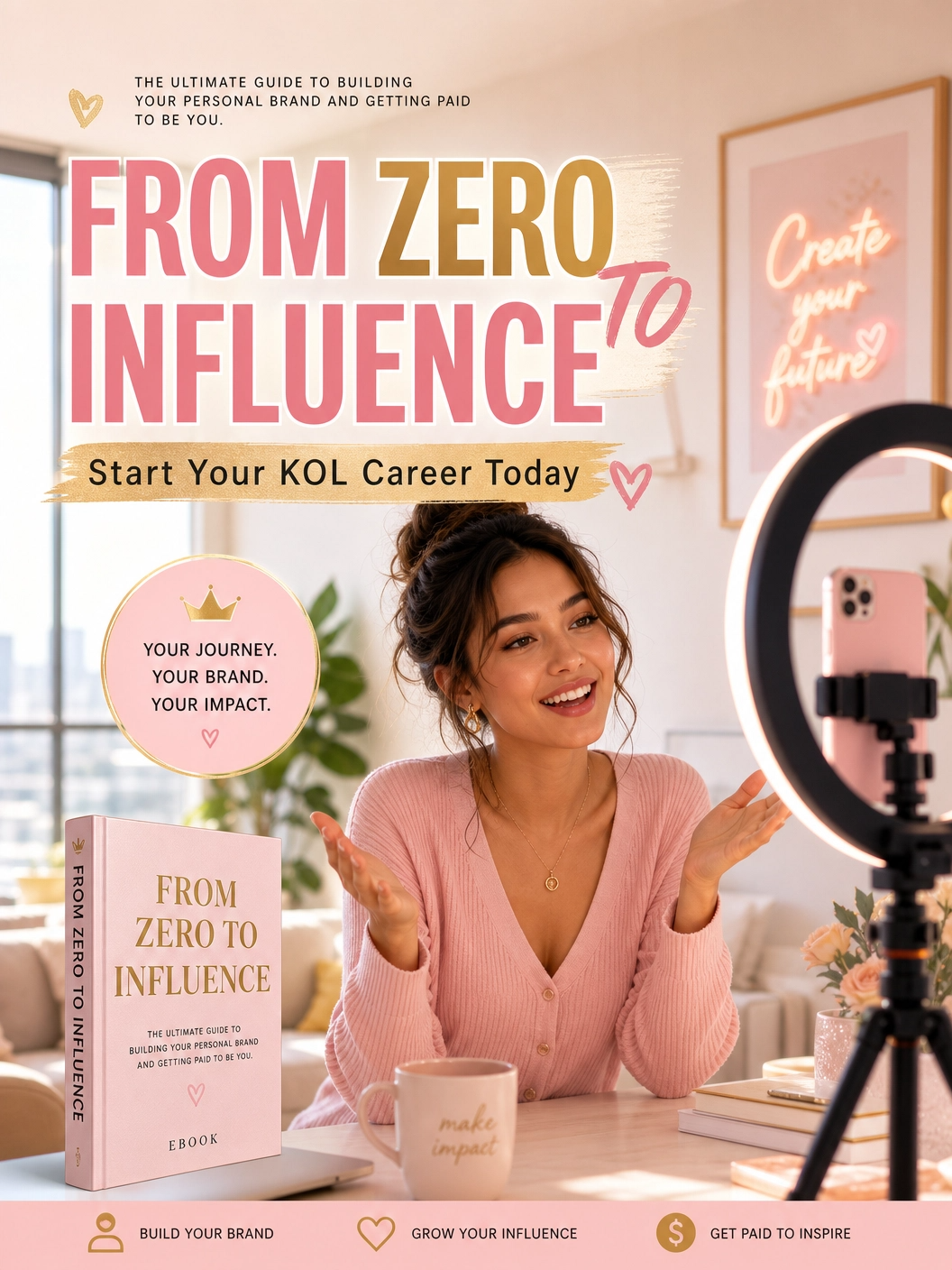
2. The Complete Beginner’s Guide to Building a KOL & Influencer Career Want to grow an audience and eventually earn from your influence? This guide covers choosing your niche and platform, working with brands, and building multiple income streams from your online presence.
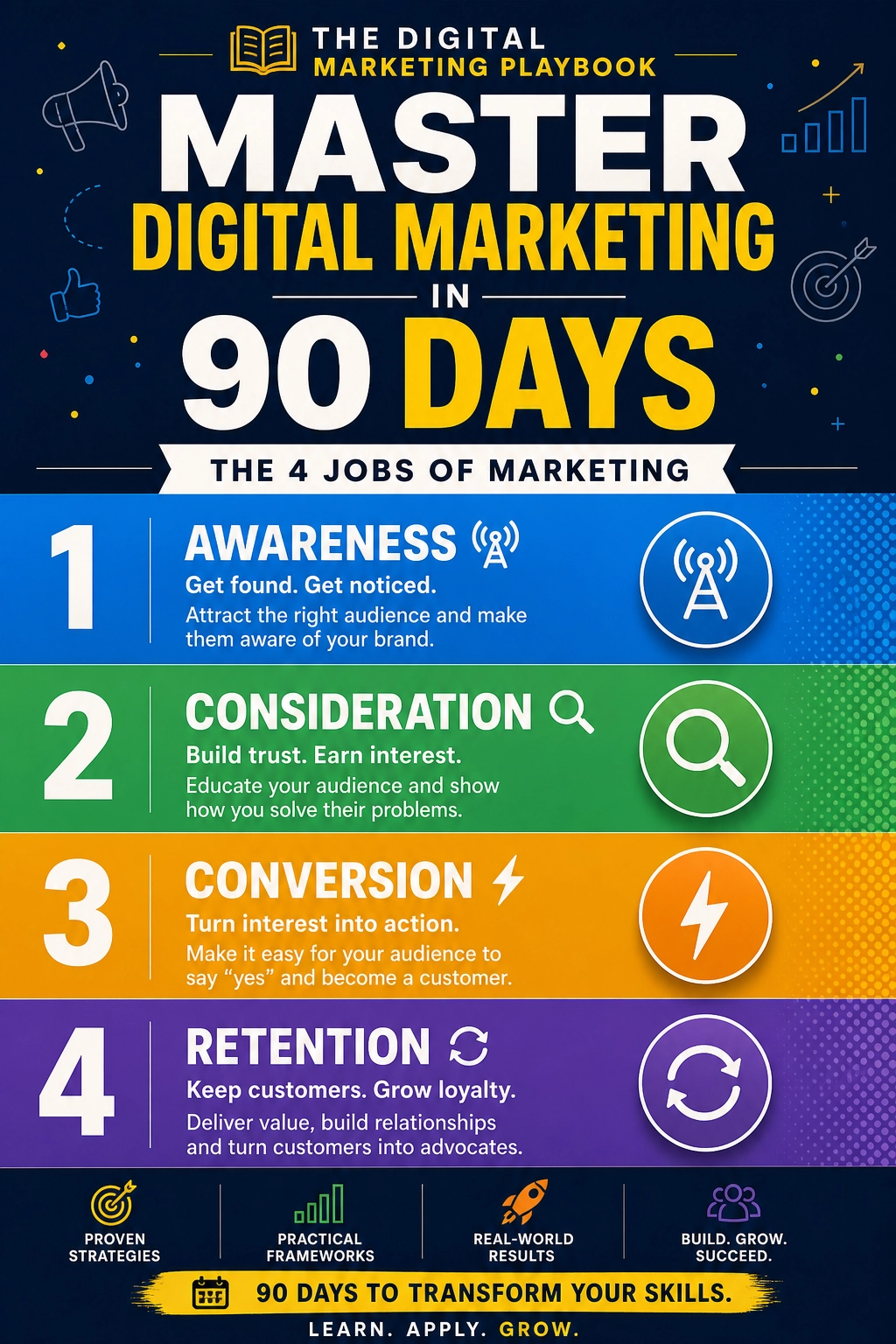
3. The Digital Marketing Playbook A strong brand needs visibility. This playbook walks through the main marketing channels, including SEO, content, social media, email, paid ads, and AI, so your message reaches the people who need it.
Trust me: a personal brand is the one asset that grows more valuable every year, and a good guide shortens the learning curve by months. These are instant-download ebooks you can start today. Choose the one that fits your current stage and take your first step before this feeling of motivation fades.
Start Building Your Brand Today
Building a personal brand online isn’t about becoming someone else or chasing followers. It’s about getting clear on who you are, who you help, and how you want to show up, then doing it consistently until people remember you. You don’t need a perfect logo, a huge audience, or a studio. You need a clear message, one platform, and the courage to be seen.
This week, write your positioning statement. Choose your three brand voice words and set up your profile photo and bio. Pick one platform, plan your first five posts around your content pillars, and start your email list. Then get a blueprint in your hands so you’re building with a plan instead of guesswork.
The woman who’s known for something specific always beats the woman who’s good at everything but remembered for nothing. Be the one people remember. Go build your brand, Lady Boss. The world needs your voice.



Leave a Reply