


For years, my mornings looked like a small disaster. Alarm blares, I hit snooze twice, grab my phone before my eyes are fully open, and fall into a day of reacting to everyone else’s emergencies. Breakfast was coffee and whatever I could eat standing up. By 3 p.m., I was foggy, snappy, and craving sugar like it was my job.
I assumed that was just what being a busy woman felt like. Then I started paying attention to the small things that shape how our bodies feel through the day: when we wake, how we get light, what we eat first, how we move, and how we handle stress. Little by little, I built a calmer morning, and I noticed I felt more steady and more like myself. Game-changer is an understatement.
Before we go any further, an important note: I’m not a doctor, and this article is educational, not medical advice. Hormones are complex, and symptoms like very irregular cycles, severe fatigue, unexplained weight changes, hair loss, mood changes, or hot flashes can have medical causes. If you’re concerned, please talk to a qualified healthcare professional. Lifestyle habits can support your body, but they don’t replace diagnosis or treatment.
With that said, daily routines genuinely matter. In this guide, I’ll show you how to build a morning routine that supports hormone balance in 2026. We’ll cover how your body’s natural rhythms work, a step-by-step routine you can customize, what to eat and when, how to move and manage stress, and the mistakes to avoid. It’s simple, flexible, and designed for real women with real schedules.
Why Mornings Matter for Your Body
Your body runs on rhythms. Your sleep-wake cycle, energy levels, appetite, and many hormones follow patterns across the day. One well-known example is cortisol, often called the “stress hormone,” which naturally rises in the early morning to help you wake up and feel alert, then generally eases through the day.
Here’s why a thoughtful morning matters:
- It sets your body clock. Regular wake times and morning light help anchor your circadian rhythm.
- It shapes your stress response. Starting the day calm instead of frantic can influence how you feel for hours.
- It guides your eating pattern. What and when you eat first can affect energy, hunger, and cravings.
- It builds identity. Keeping small promises to yourself each morning builds confidence.
Pro tip: You don’t need a two-hour routine. A consistent twenty to thirty minutes beats an elaborate plan you abandon in a week.
What “Hormone Balance” Really Means (and What It Doesn’t)
Let’s clear up some confusion, because wellness marketing can get wild.
- Your hormones naturally fluctuate across the day, across your cycle, and across life stages like pregnancy, postpartum, perimenopause, and menopause. “Perfectly balanced” doesn’t mean flat. It means your body is functioning within healthy ranges for you.
- No morning routine can cure conditions like PCOS, thyroid disorders, or other hormonal conditions. These need medical evaluation and often treatment.
- Be cautious of anyone promising quick fixes, “detoxes,” or miracle supplements. If a product sounds too good to be true, it probably is. Always discuss supplements with your doctor, since some can interact with medications or aren’t right for everyone.
- What routines can do is support sleep, stress management, steady energy, and healthy habits, all of which contribute to how you feel.
So think of this routine as supportive, not a treatment. It’s the foundation you build alongside professional care when needed.
Step 1: Wake Up at a Consistent Time
If you only change one thing, make it this. A regular wake-up time helps regulate your body clock, which supports better sleep at night and steadier energy during the day.
How to do it:
- Choose a wake time you can keep most days, including weekends when possible.
- Work backward to set a bedtime that gives you enough sleep, which for most adults is around seven to nine hours.
- Move your alarm across the room or use a gentle sunrise alarm if the snooze button is your nemesis.
- Adjust gradually. Shift your wake time by 15 minutes every few days instead of forcing a drastic change.
Here’s what I learned: the consistency matters more than the exact time. A 7 a.m. wake-up that happens daily beats a 5 a.m. goal that happens twice a month.
Step 2: Get Natural Light Within the First Hour
Morning light is one of the simplest ways to help set your internal clock, which affects sleep timing and alertness.
- Open the curtains as soon as you wake up.
- Step outside for 5 to 15 minutes if you can. Drink your coffee on the porch, walk the dog, or stand by a sunny window.
- Cloudy day? Still go outside. Outdoor light is generally much brighter than indoor lighting, even when it’s overcast.
- Never stare directly at the sun. Just be in daylight.
Combine it with other habits, like stretching or sipping water, so it takes no extra time.

Step 3: Hydrate Before You Caffeinate
After hours without drinking, your body appreciates fluids. A glass of water first thing is an easy, no-cost habit.
- Keep a glass or bottle by your bed so it’s ready when you wake up.
- Add a pinch of salt or a squeeze of lemon if you enjoy the taste, though plain water is perfectly fine.
- Enjoy your coffee or tea after you’ve had some water and ideally after a little food, especially if caffeine tends to make you jittery.
If you notice caffeine makes you anxious or interferes with your sleep, experiment with having less or switching to a gentler option earlier in the day. Everyone’s tolerance differs.
Step 4: Eat a Balanced Breakfast (Or Your First Meal)
What you eat first can influence how steady you feel through the morning. Many women find that a breakfast with protein, fiber, and healthy fats helps keep hunger and energy more stable than a sugary, carb-only start.
Simple ideas:
- Eggs with vegetables and whole-grain toast.
- Greek or plain yogurt with berries, nuts, and seeds.
- Oatmeal topped with nut butter and fruit.
- A smoothie with protein, leafy greens, fruit, and a spoonful of seeds.
- Avocado toast with an egg or beans on the side.
- Leftover dinner. There’s no rule that breakfast must look like breakfast.
Quick tips:
- Prep ahead. Overnight oats, boiled eggs, or chopped fruit make busy mornings easier.
- Listen to your hunger. Some women feel best eating soon after waking, while others prefer a bit later. Pay attention to your body.
- Avoid extreme restriction. Skipping meals or severely cutting calories can backfire for energy, mood, and cycles. Aim for nourishment, not punishment.
If you have medical conditions, are pregnant or breastfeeding, have diabetes, or have a history of disordered eating, work with your doctor or a registered dietitian before changing how you eat.

Step 5: Move Your Body Gently
Morning movement can boost mood and energy, but more isn’t always better. Intense, long workouts on very little sleep or food can leave some women feeling more depleted than energized.
Beginner-friendly options:
- A 10 to 20 minute walk, ideally outside to combine with light exposure.
- Gentle stretching or yoga to release stiffness.
- Short strength sessions, like squats, push-ups on a counter, and glute bridges.
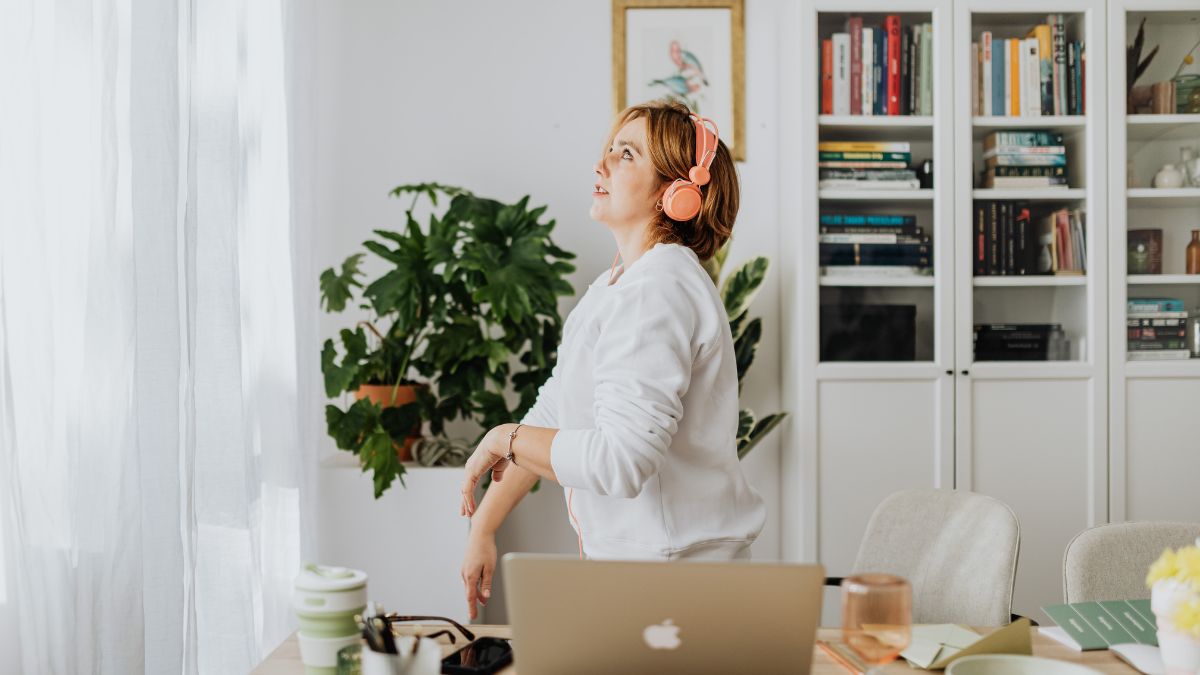
- Dancing in the kitchen. It counts.
Listen to your cycle and your energy. Many women feel more energetic at certain points in their cycle and want gentler movement at others. Tracking how you feel can help you adjust. If you’re postpartum, recovering from illness, or dealing with health conditions, ask your healthcare provider what level of activity is right for you.
Step 6: Add a Calm Moment for Stress
Chronic stress can affect sleep, appetite, mood, and cycles, so building a short stress-soothing ritual into your morning is a smart investment. And no, you don’t need to meditate for an hour.
Try one of these for 3 to 10 minutes:
- Deep breathing. Inhale slowly through your nose for four counts, then exhale gently for six counts. Repeat for a few minutes.
- Journaling. Write down three things you’re grateful for or three priorities for the day.
- Quiet sipping. Drink your tea or coffee without your phone, just noticing the warmth and taste.
- Short meditation or prayer. Whatever fits your beliefs.
- Brain dump. Empty your mental to-do list onto paper so it stops spinning in your head.
If stress, anxiety, or low mood feels heavy or constant, please reach out to a doctor or mental health professional. You deserve real support.

Step 7: Protect Your Phone-Free Window
Remember my old habit of grabbing my phone before my eyes were fully open? It meant my day started with other people’s demands, news, and notifications before I’d even brushed my teeth.
Try this experiment:
- Charge your phone away from your bed.
- Wait 20 to 30 minutes before checking messages or social media.
- Use that time for light, water, movement, and your calm moment.
You’ll be surprised how different the whole morning feels when you’re in charge of it.
Step 8: Put Your Routine Together
Here’s a sample 30-minute morning routine to adapt:
- Minutes 0 to 2: Wake at your set time, drink a glass of water, and open the curtains.
- Minutes 2 to 12: Step outside or by a window for light, and do gentle stretching or a short walk.
- Minutes 12 to 17: Take a calm moment with breathing or journaling.
- Minutes 17 to 30: Prepare and eat a balanced breakfast, then plan your top three priorities for the day.
Don’t have 30 minutes? Here’s the 10-minute version: water, light, three deep breaths, and a protein-rich snack.
Start small. Add one habit per week. By week four, you’ll have a full routine that feels natural rather than forced.
Step 9: Support Your Mornings With Your Evenings
A great morning often starts the night before. Keep these evening habits in mind:
- Wind down at a consistent time, and dim the lights.
- Limit late-night screens and heavy meals.
- Prepare tomorrow: lay out clothes, prep breakfast, and write your priorities.
- Get enough sleep. It’s the foundation for everything else.

Common Mistakes to Avoid
I’ve made nearly all of these, so learn from my missteps:
- Doing too much too fast. Add habits gradually.
- Following extreme wellness trends. Be skeptical of strict rules, miracle claims, and fear-based advice.
- Skipping breakfast and then crashing. Notice how your body responds, and nourish yourself.
- Over-exercising. Gentle consistency often beats intensity.
- Ignoring symptoms. Persistent or severe symptoms deserve a doctor’s visit, not another supplement.
- Comparing your routine to someone else’s. Your life stage, health, and schedule are unique.
- Giving up after a missed day. Just restart tomorrow.
When to See a Healthcare Professional
Lifestyle habits are helpful, but they aren’t a substitute for medical care. Consider talking with a doctor if you experience:
- Very irregular, missing, or unusually heavy or painful periods.
- Persistent fatigue that doesn’t improve with rest.
- Significant unexplained changes in weight, skin, or hair.
- Ongoing mood changes, anxiety, or low mood.
- Hot flashes, night sweats, or other symptoms that disrupt your life.
- Difficulty getting pregnant or concerns about postpartum health.
Getting answers is empowering. You know your body best, so advocate for yourself.
Three Ebooks to Support Your Wellness Journey
If you’d like a clear, step-by-step guide and a little extra motivation, these three ebooks are where I’d start.
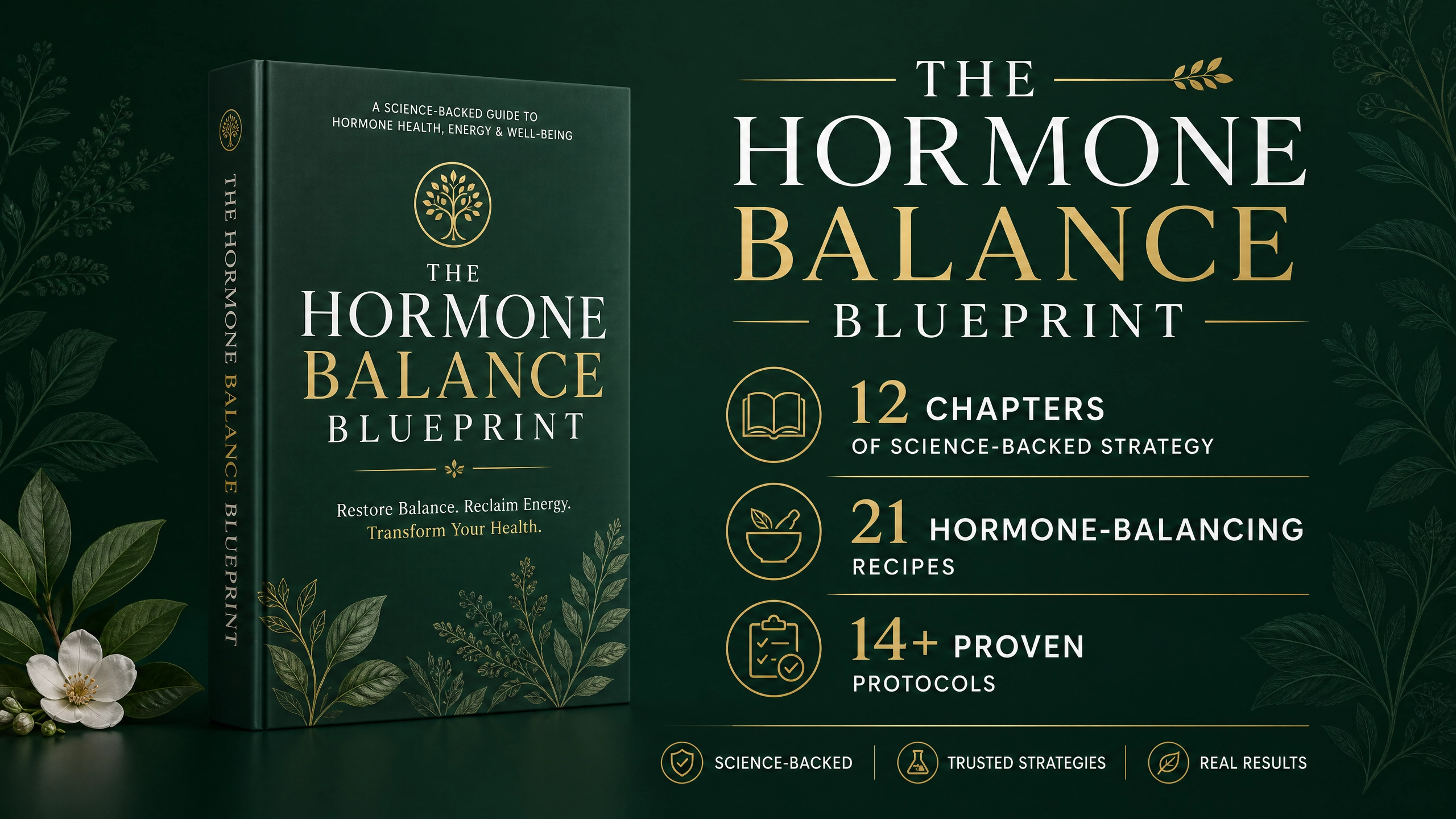
1. The Hormone Balance Blueprint This is the ebook made for exactly this topic. It’s designed to help you build supportive daily habits and understand how lifestyle choices can contribute to feeling more balanced and energized. It’s educational, so use it alongside guidance from your healthcare provider.
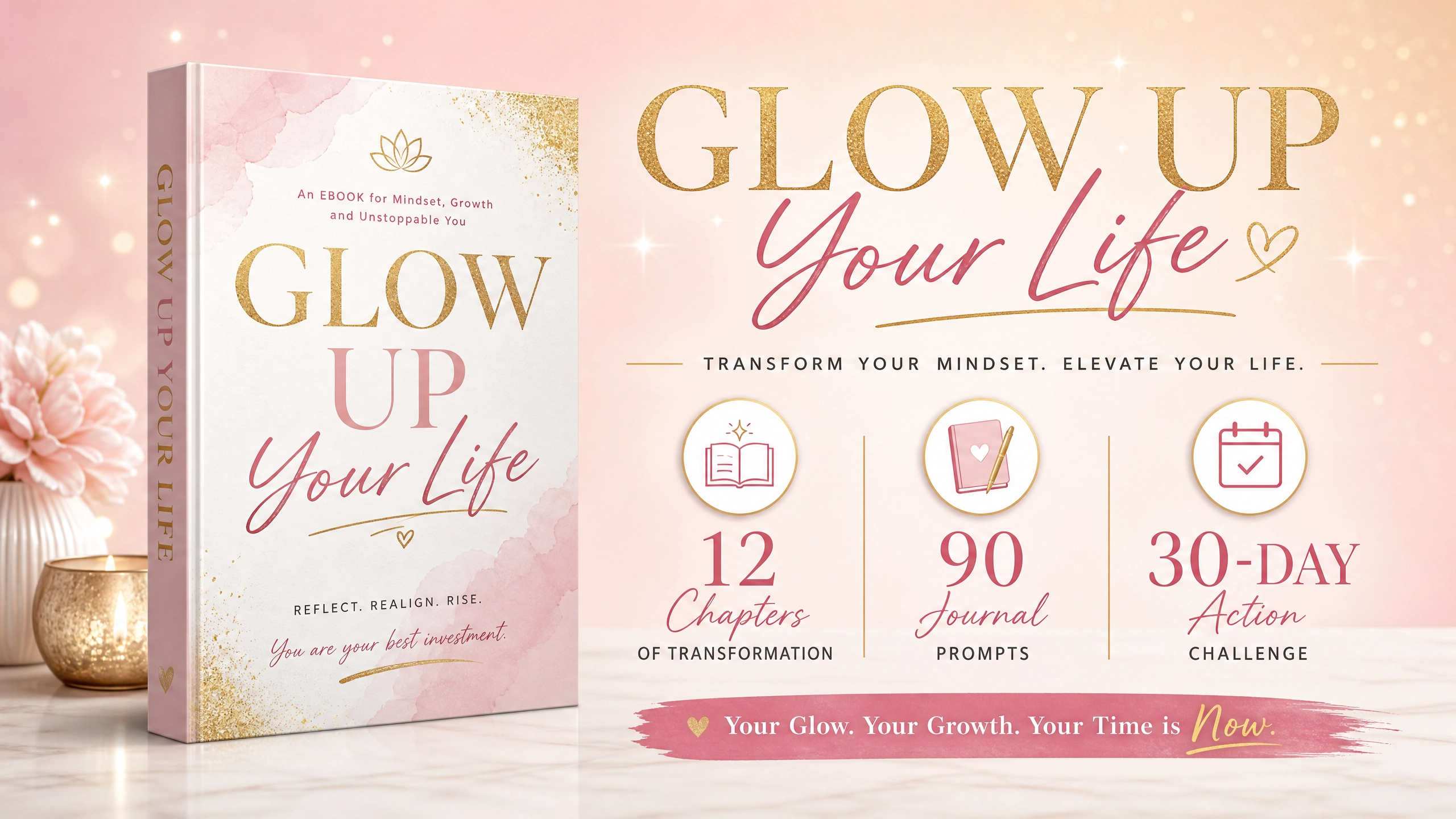
2. Glow Up Your Life Your routine is one piece of a bigger picture. This guide helps you build better habits, create a more intentional lifestyle, and grow more confident in every area of your life.
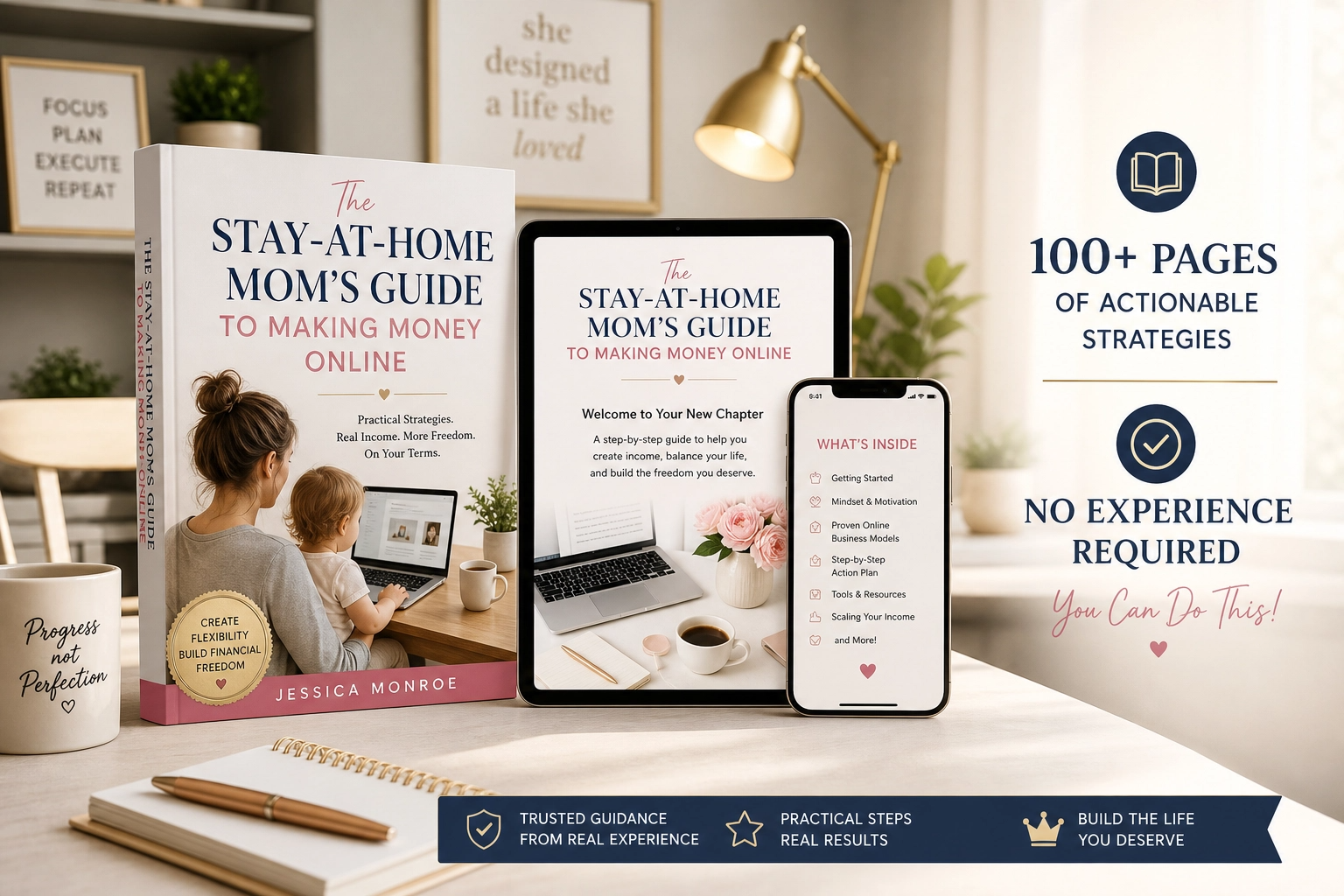
3. The Stay-At-Home Mom’s Guide to Making Money Online Less financial stress often means less overall stress. If you’re a mom looking for flexible ways to earn from home, this ebook offers practical steps to start building income around your family’s schedule.
Trust me: investing in your wellbeing is never wasted, and a clear guide beats scattered internet advice every time. Each of these is an instant-download ebook you can read on any device. Choose the one that fits your needs right now and start tonight, while you’re feeling inspired.
Your Best Mornings Begin Tonight
Building a morning routine that supports your hormone health isn’t about perfection or an hour-long ritual. It’s about a few steady habits: waking at a consistent time, getting morning light, hydrating, eating a balanced breakfast, moving gently, and giving yourself a calm moment before the day pulls you in a hundred directions. Small, repeatable choices create real change over time.
Tonight, set your wake-up time and put a glass of water by your bed. Tomorrow, step outside for five minutes before you touch your phone. This week, add one more habit and write down any symptoms you want to discuss with your doctor. Then grab a guide that supports you along the way.
That foggy, snooze-button version of me didn’t need more willpower. She needed a gentler start and a little structure. You deserve the same. Go build your mornings, Lady Boss. Your body will thank you.








Leave a Reply