

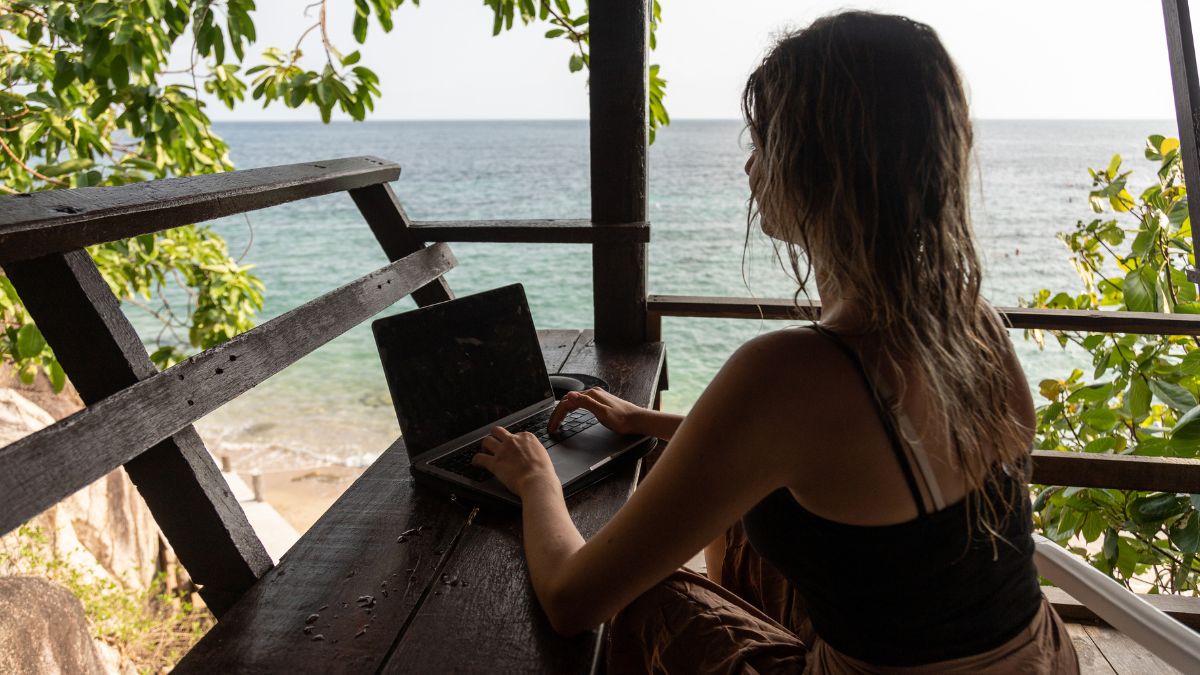
I was standing in my kitchen one evening, scrolling through photos of a mom working from a laptop on a sunny balcony while her kids played nearby, when a thought popped into my head: Could that actually be me?
My very next thought came right on its heels: No way. Not with kids. Not with school, bedtime routines, and a million things that could go wrong.
Sound familiar? For a long time, I believed the digital nomad lifestyle was reserved for twenty-something solo travelers with backpacks and zero responsibilities. Then I started talking to moms who were actually doing it. Some traveled for a few months at a time, others settled into one place abroad for a season, and some simply used remote work to build a life with more flexibility. Boy, was I wrong about what was possible.
The truth is, you don’t have to sell everything and fly across the world to live like a digital nomad mom. Flexible, location-independent work can mean different things for different families. And it all starts with the same foundation: reliable online income.
In this comprehensive guide, I’ll walk you through how to become a digital nomad mom in 2026. We’ll cover how to build remote income, how to choose destinations and plan your budget, how to handle schooling, health, legal, and safety considerations, how to create routines that keep everyone sane, and the mistakes to avoid. Whether you dream of a month by the sea or a year of adventure, you can build toward it step by step.
What Does a Digital Nomad Mom Actually Do?
A digital nomad mom earns her income online, so her work isn’t tied to one location, and she uses that flexibility to live and travel in ways that suit her family. But the lifestyle looks different for everyone:
- Slow travelers: Stay in one place for one to six months or more, which is easier with kids because routines can settle.
- Seasonal nomads: Spend part of the year traveling and part of the year at home.
- Long-term expats: Relocate to another country and work remotely from there.
- Weekend-and-holiday nomads: Keep a home base but use remote work to extend trips and travel during school breaks.
- Domestic nomads: Explore within their own country, like road-tripping or spending months near extended family.
Pro tip: You don’t need to start big. Try a one- or two-week “workcation” first. It’s a low-risk way to test whether your income, your kids, and your own energy can handle the lifestyle.
Step 1: Build Reliable Remote Income First
Here’s the thing most travel inspiration skips: the lifestyle only works when your income does. I strongly recommend establishing steady online earnings before you book one-way tickets.
Beginner-friendly remote income options for moms:
- Freelance services: Writing, design, virtual assistance, bookkeeping, customer support, social media management, and editing.
- Remote employment: Many companies now offer fully remote roles, especially in customer success, marketing, operations, and tech support.
- Digital products: Ebooks, templates, planners, and courses that can sell while you travel.
- Online coaching or tutoring: Teaching a skill or language by video call.
- Blogging and content creation: Building an audience that supports sponsorships, affiliate income, and your own offers.
Your income readiness checklist:
- You’ve earned consistent income for at least three to six months.
- You have an emergency fund that covers several months of expenses.
- You can do your work with only a laptop and reliable internet.
- You have at least one backup income plan if a client leaves or a platform changes its rules.
Take your time here. Building income first makes everything else dramatically less stressful. If you’re starting from zero, don’t worry. Many of the moms I admire began exactly where you are.
Step 2: Choose Your Destination Wisely
Not every dream destination suits a family with kids. Here’s the checklist I use when evaluating a place:
- Internet reliability: Your income depends on it. Ask other remote workers about real speeds, not just advertised ones.
- Time zones: Make sure your working hours still line up with clients or employers.
- Cost of living: Compare rent, groceries, transport, and childcare.
- Safety and healthcare: Research local safety levels, quality of medical care, and how to find pediatric services.
- Child-friendly environment: Look for parks, playgrounds, family-friendly neighborhoods, and activities.
- Community: Expat groups and remote-worker communities can be a lifeline.
- Visa and legal rules: This one is non-negotiable (more below).
- Climate and lifestyle: Choose a place your whole family can enjoy, not just you.
Here’s what I learned: For families, “slow travel” almost always beats “fast travel.” Moving every few days is exhausting with kids. Staying for several weeks lets everyone settle, builds routine, and keeps your work productive.

Step 3: Understand Visas, Taxes, and Legal Basics
This is the not-so-glamorous part, but skipping it can create serious problems. I used to get nervous sweats thinking about this stuff, so let me break it into manageable pieces.
- Visas and work permissions: Tourist visas often don’t permit working for local employers, and rules about remote work vary by country. Some countries offer dedicated digital nomad or remote-work visas. Always check the official government immigration website of your destination before you go.
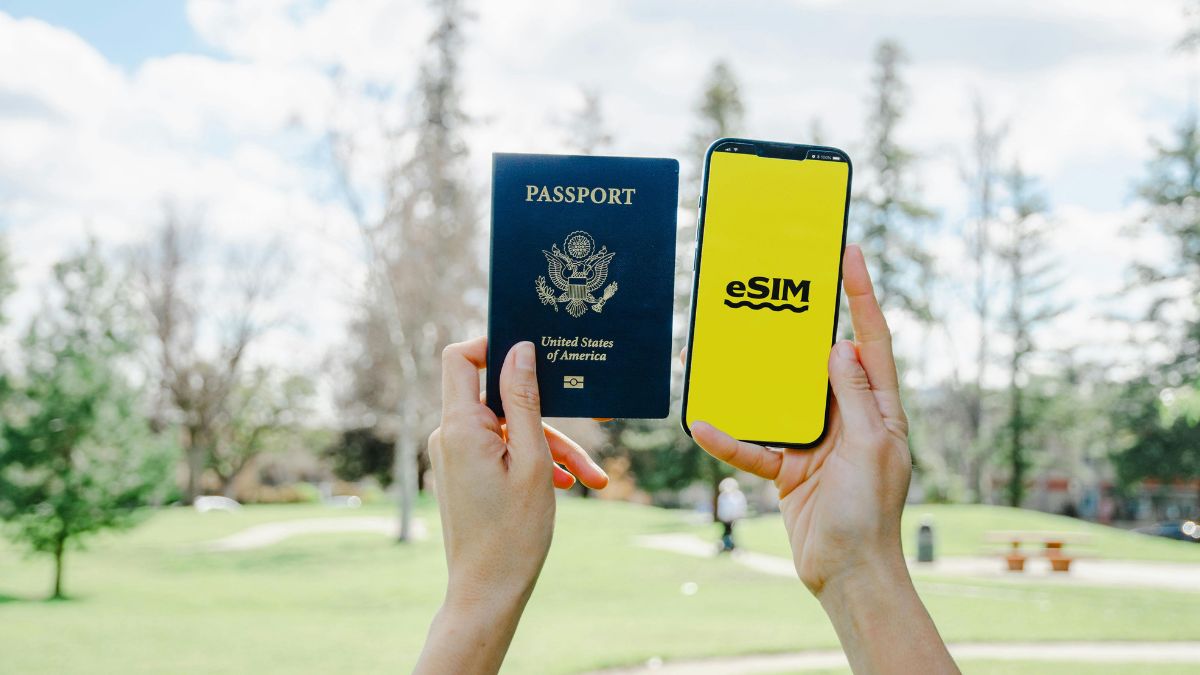
- Passports and documents: Check that passports are valid long enough (many countries require several months of validity beyond your stay). Keep copies of birth certificates, custody papers if relevant, and any required travel consent letters.
- Traveling with kids: If you’re traveling without the other parent, some countries require notarized consent letters. Research the requirements for each country on your route.
- Taxes: Your tax obligations can depend on your citizenship, residency, how long you stay somewhere, and where your clients are. Talk to a tax professional who understands international situations rather than relying on forum advice.
- Business structure: If you freelance, ask a professional whether your business setup still works while you’re abroad.
I can’t give legal or tax advice, and rules change often, so rely on official sources and qualified professionals for your specific situation.
Step 4: Plan Your Travel Budget
A realistic budget keeps the dream sustainable. Start by listing your income and then every expense category for a typical month abroad:
- Accommodation: Look for monthly rentals, which are often much cheaper per night than short stays.
- Food: Cooking at home usually costs less than eating out every meal.
- Transportation: Flights, local transit, and rental cars or rideshares.
- Health and travel insurance: Don’t skip this, especially with kids.
- Childcare, schooling, or activities.
- Workspace costs: Coworking memberships, SIM cards, or backup internet.
- Home-base costs: Rent or storage you may still be paying at home.
- Buffer fund: Set aside extra for surprises, because they will happen.
My budgeting tips:
- Aim to keep your living costs comfortably below your monthly income.
- Keep a separate emergency fund that you don’t touch for ordinary expenses.
- Track spending weekly during your first month abroad so you can adjust quickly.
- Book longer stays to unlock lower rates and reduce planning stress.

Step 5: Solve the School and Childcare Question
For many moms, this is the biggest worry, and it’s a valid one. The right approach depends on your kids’ ages and your family’s goals.
Common options:
- Homeschooling or worldschooling: Use curricula, online programs, and real-world experiences as your classroom. Check the homeschooling regulations in your home country, because some require registration or reporting.
- Online school: Accredited online programs offer structure and recognized credentials.
- Local or international schools: Enrolling kids in a school at your destination works well for longer stays.
- Travel during school breaks: Keep your home-country school and do extended trips in holidays and summers, while working remotely.
- Childcare and babysitters: For younger children, local nannies or daycare can give you protected work hours. Vet carefully by checking references and meeting in person first.
Talk to your kids’ school or local education authority well before you leave, so you understand attendance rules and how to transition back.
Step 6: Create Routines That Keep Everyone Sane
Travel is exciting, but kids thrive on predictability. A few consistent anchors can make a new place feel like home.
- Keep the same bedtime routine. A familiar story, song, or comfort item works wonders anywhere.
- Set work blocks. Work during naps, school hours, or while a sitter is with the kids, and protect that time.
- Schedule daily outdoor time. A morning walk or park visit burns energy and improves everyone’s mood.
- Plan one “big” activity per week rather than something every day, so you don’t burn out.
- Maintain a simple packing system. Pack light, use packing cubes, and keep essentials like medicines, chargers, and documents in one bag.
- Build in downtime. A slow day with pajamas and movies is not wasted. It’s maintenance.
- Have a backup work plan. Know where nearby cafés or coworking spaces are in case the Wi-Fi fails.
Be kind to yourself, too. Some days your best work will happen at 9 p.m. in a hotel bathroom with the fan on to muffle the keyboard, and that’s okay. Flexibility is the whole point.
Step 7: Prioritize Health, Safety, and Support
Protecting your family’s wellbeing comes before any adventure.
- Travel and medical insurance: Choose coverage that includes medical care and emergencies for your whole family.
- Vaccinations and health prep: Talk to your doctor or a travel clinic in advance about recommended preparations, medications, and kids’ vaccination schedules.
- A basic first-aid kit: Include children’s pain relievers appropriate for their ages, plasters, thermometer, and any prescription medications.
- Safety basics: Share your itinerary with a trusted person, keep digital copies of key documents, and learn local emergency numbers.
- Connection: Join expat or digital nomad mom communities online and in person. Having other moms to lean on makes a huge difference.
- Your own wellbeing: Don’t neglect sleep, movement, and time for yourself. A burnt-out mom can’t enjoy the adventure.

Common Mistakes Digital Nomad Moms Make
Let me save you some stress with the mistakes I’ve seen most often:
- Leaving before income is stable. Build first, travel second.
- Moving too fast. Slow travel is gentler on kids and your work.
- Underestimating time zone differences. Check them before committing.
- Skipping insurance and documents. A small mistake can become a big problem abroad.
- Overpacking. You’ll use only a fraction of what you bring.
- Expecting a Pinterest-perfect life. Real nomad life includes laundry, tantrums, and slow Wi-Fi.
- Ignoring your own needs. Rest is part of the plan.
Your Starter Library: Three Ebooks for the Journey Ahead
You can absolutely piece this lifestyle together from blogs and videos. But when I think back to how scattered my early research felt, I wish I’d had a clear guide for each stage of the journey. If you want a head start, these are the three ebooks I’d start with.
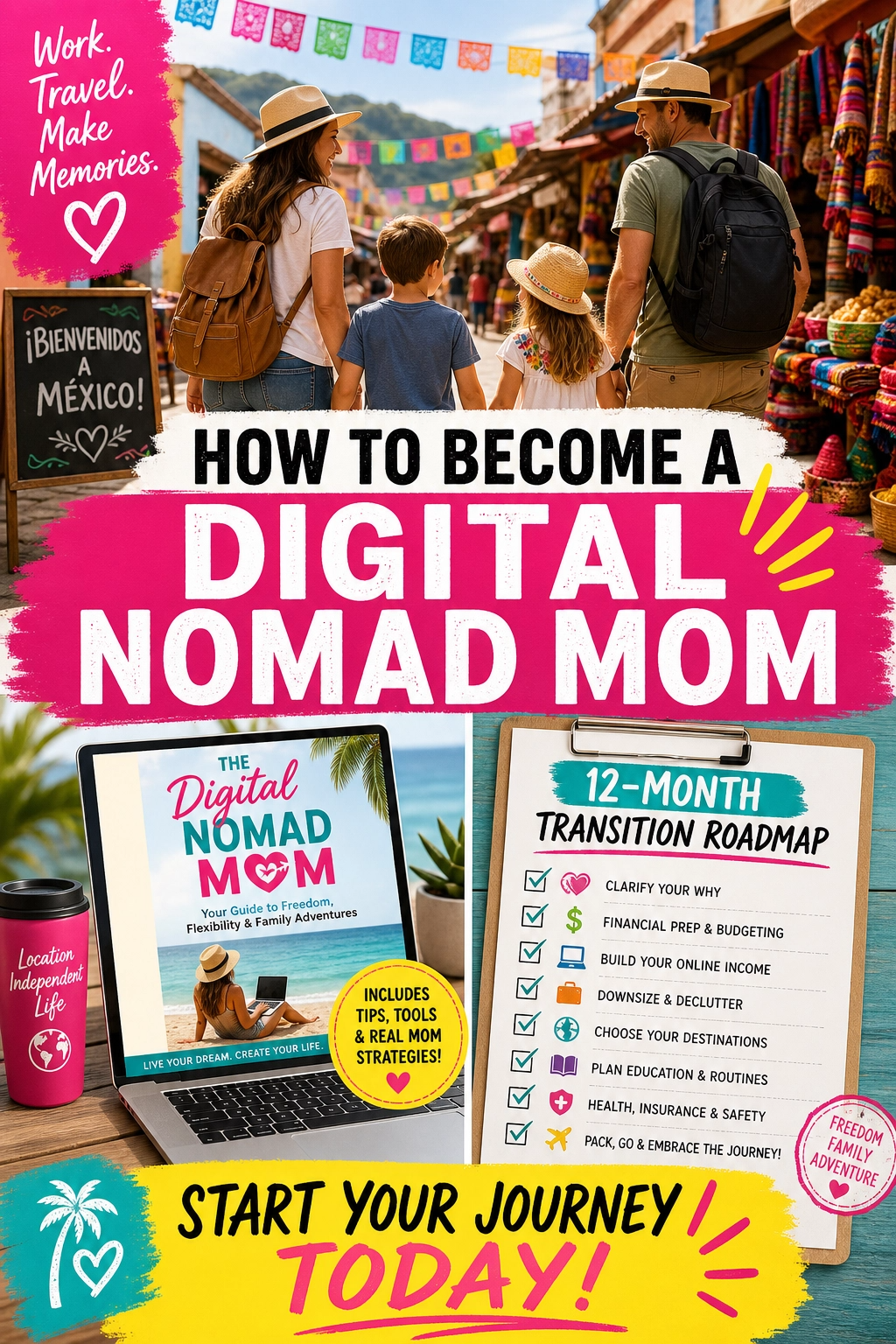
1. The Digital Nomad Mom This is the guide made for moms who want freedom and flexibility without giving up their family life. If this article sparked your imagination, this ebook is the practical next step toward making it real.
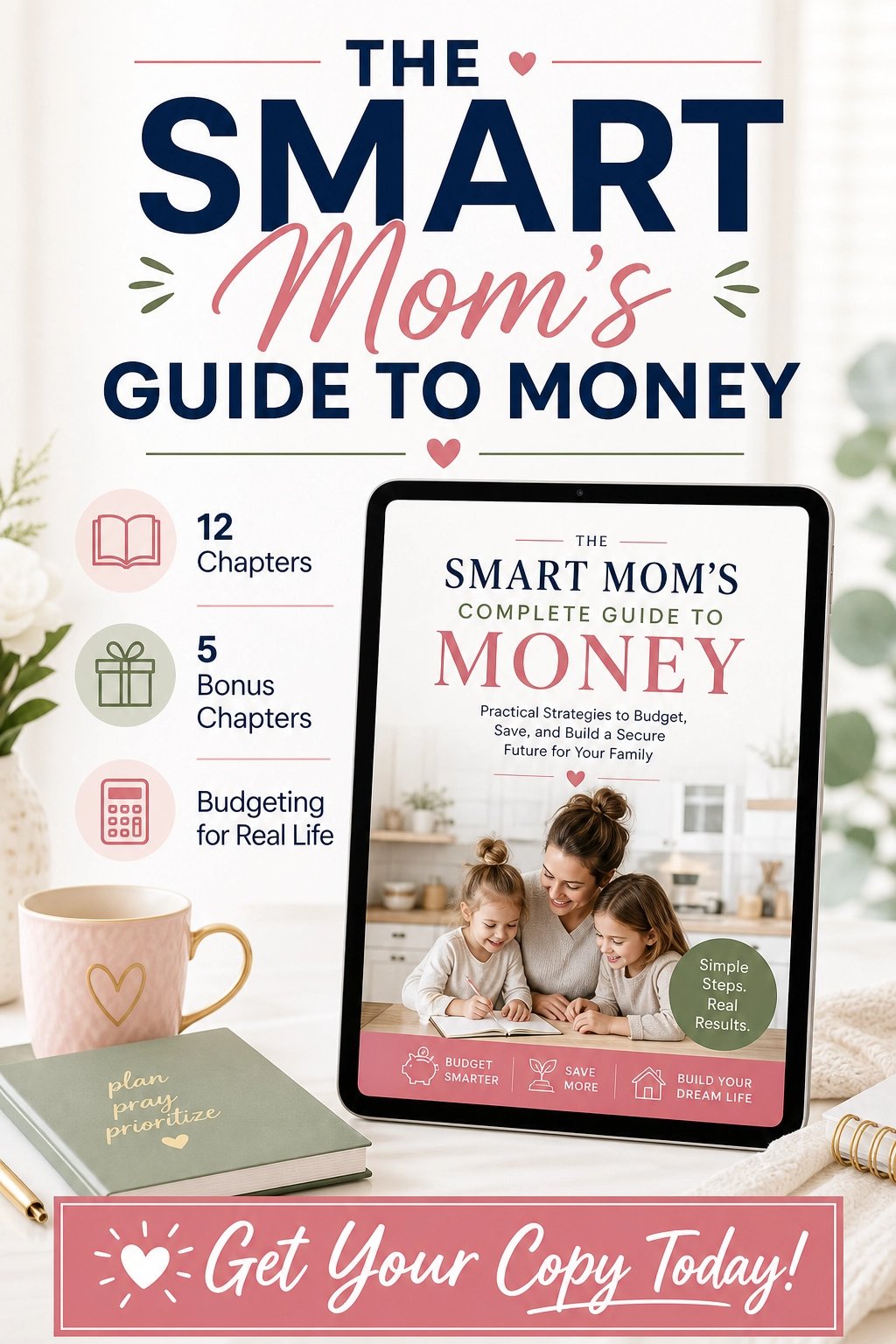
2. The Stay-At-Home Mom’s Guide to Making Money Online The nomad lifestyle runs on income, and this ebook shows you practical ways to start earning from home, so you can build the financial foundation before you pack your bags.

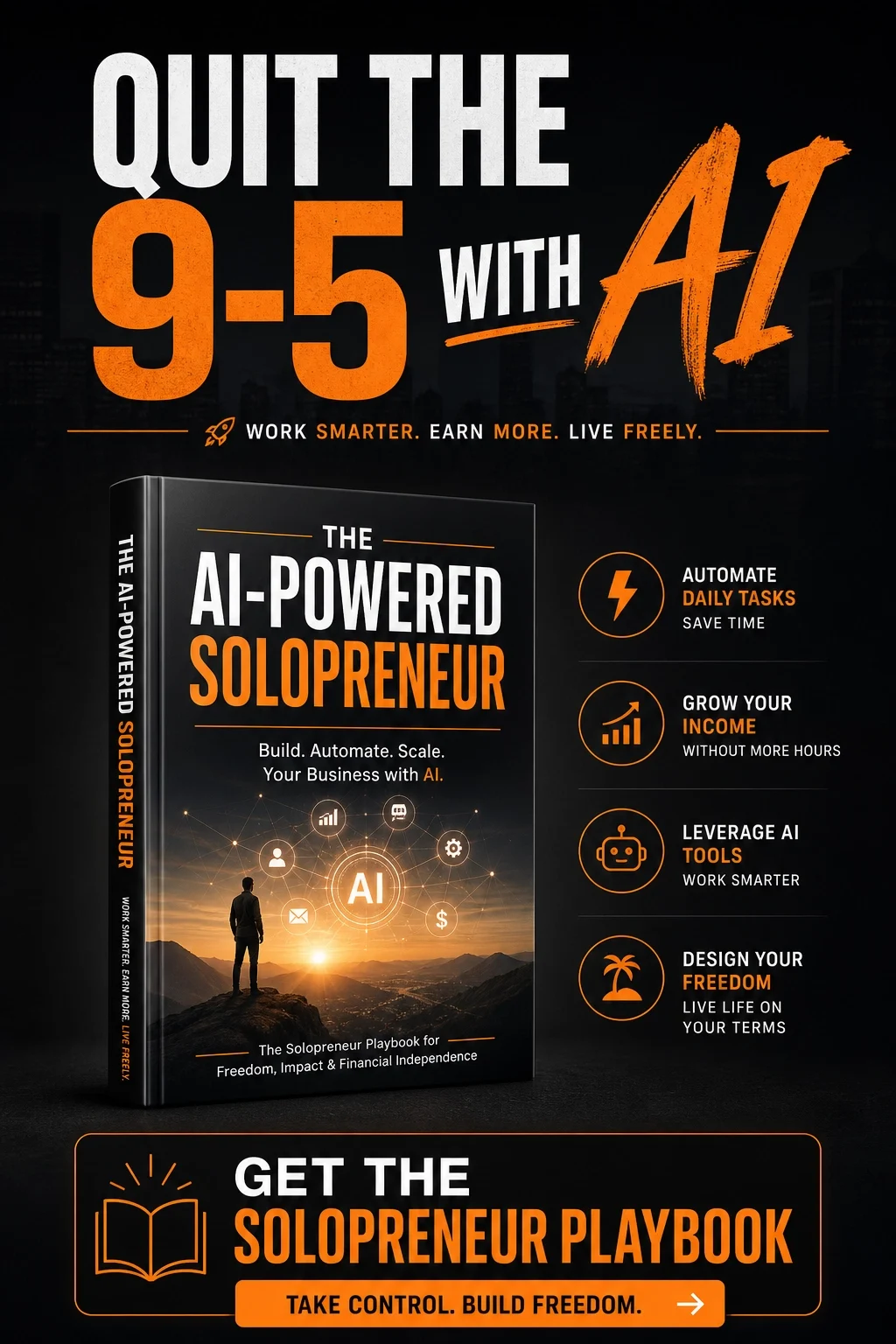
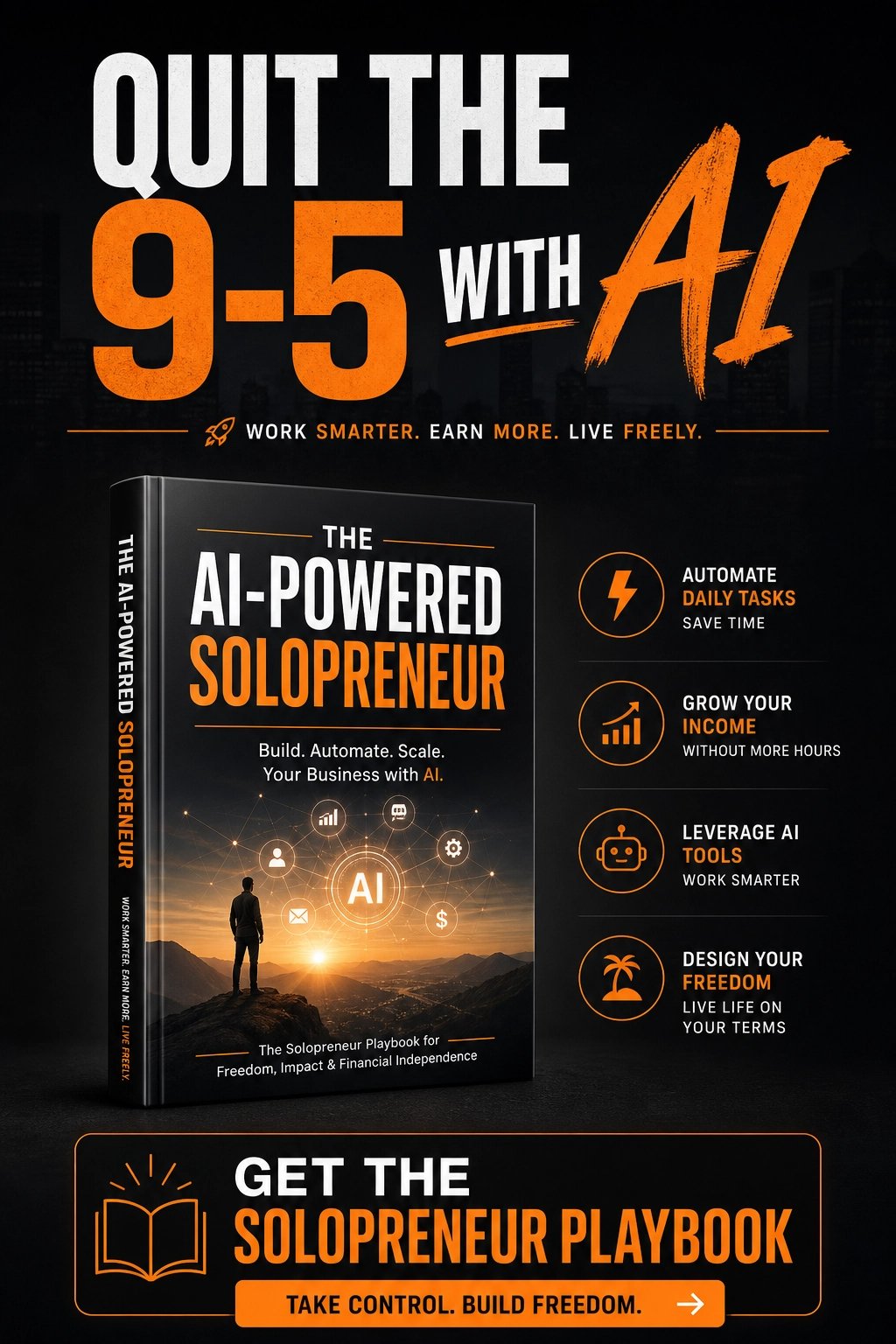
3. The AI-Powered Solopreneur Working from different places means your time is precious. This guide shows how to use AI tools to run a lean business, saving hours so you can spend more of your day with your family.
Trust me: a clear roadmap is cheaper than a mistake made in a foreign country. All three ebooks are instant downloads that you can read on your phone or tablet, even on the plane. Choose the one that matches your stage today, and start before the excitement fades.
Your Adventure Begins With One Small Step
Becoming a digital nomad mom isn’t about having a perfect plan or a limitless budget. It’s about building income you can take anywhere, planning thoughtfully for your kids, and taking one brave step at a time. Start with a week away. Then try a month. Learn what works for your family and build from there.
This week, assess your income readiness and write down your dream destination and your top three concerns. Research the visa and insurance basics, and plan a small “workcation” test. Then get a guide in your hands so every decision feels clearer and calmer.
That evening in my kitchen, the idea felt impossible. Today, it feels like a question of when. You deserve a life with more freedom, more presence with your kids, and more adventure. Go build it, Lady Boss. The world is bigger than your to-do list.








Leave a Reply