

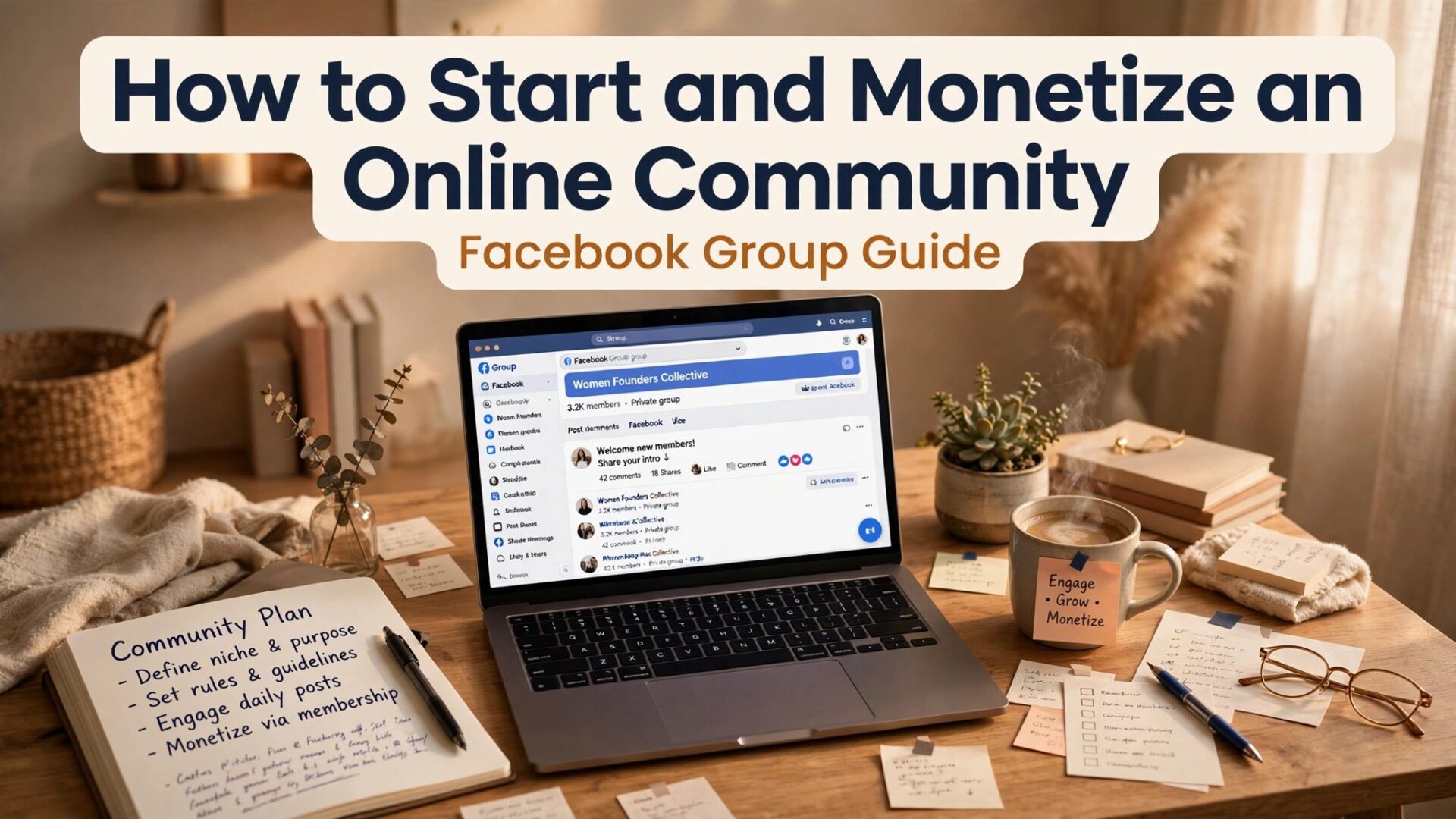
I started my first online community with eleven members, mostly friends who were curious about side hustles. For weeks, the only person posting was me. Then one evening, a member shared a tiny win: her first $20 sale. Others cheered, asked questions, and swapped ideas. Within a month, the group had a life of its own. That was the moment I understood that a community isn’t a megaphone. It’s a living room.
If you want to monetize an online community, you’re building something with long-term value. People pay for belonging, support, accountability, and expertise, especially when they feel seen. A well-run group can become the center of your business.
In this guide, I’ll walk you through choosing a niche, setting up a space, growing members, keeping engagement high, and earning through products, services, and memberships.
Why Communities Are Powerful
- Trust and loyalty. Members who feel connected stay longer and buy more.
- Market research on tap. You learn what people struggle with.
- Word of mouth. Happy members invite friends.
- Multiple income paths. Memberships, courses, coaching, products, and sponsorships.
- Reduced reliance on algorithms, especially if you also build an email list.
The honest part: Communities take time to grow, moderation requires effort, and platform rules can change. Facebook groups are free but you don’t own the space, so build an email list as a backup.
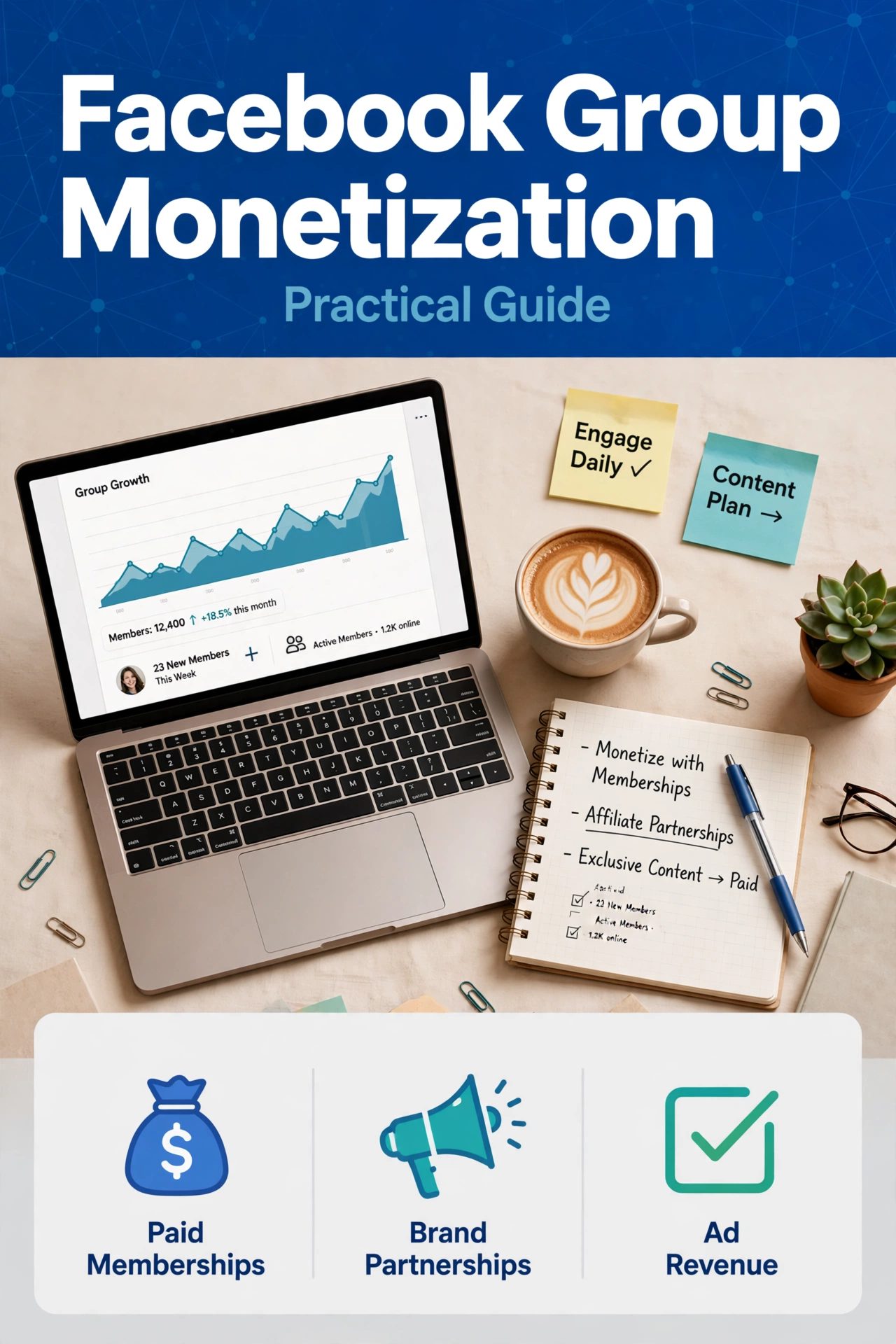
Step 1: Choose a Clear Niche and Promise
Specific communities attract engaged members.
Questions to Ask
- Who is this for?
- What shared problem or goal brings them together?
- What transformation or support will they get?
- Why am I the right person to lead it?
Niche Ideas
- Moms building online income.
- New freelancers finding their first clients.
- Etsy and digital product sellers.
- Budgeting and debt-free journeys.
- Remote workers and digital nomads.
- Wellness habits and accountability (avoid medical advice).
- Bloggers and Pinterest creators.
Pro tip: Write a one-sentence promise: “A supportive space for busy moms to start and grow an online side income.”

Step 2: Choose Your Platform
Options include:
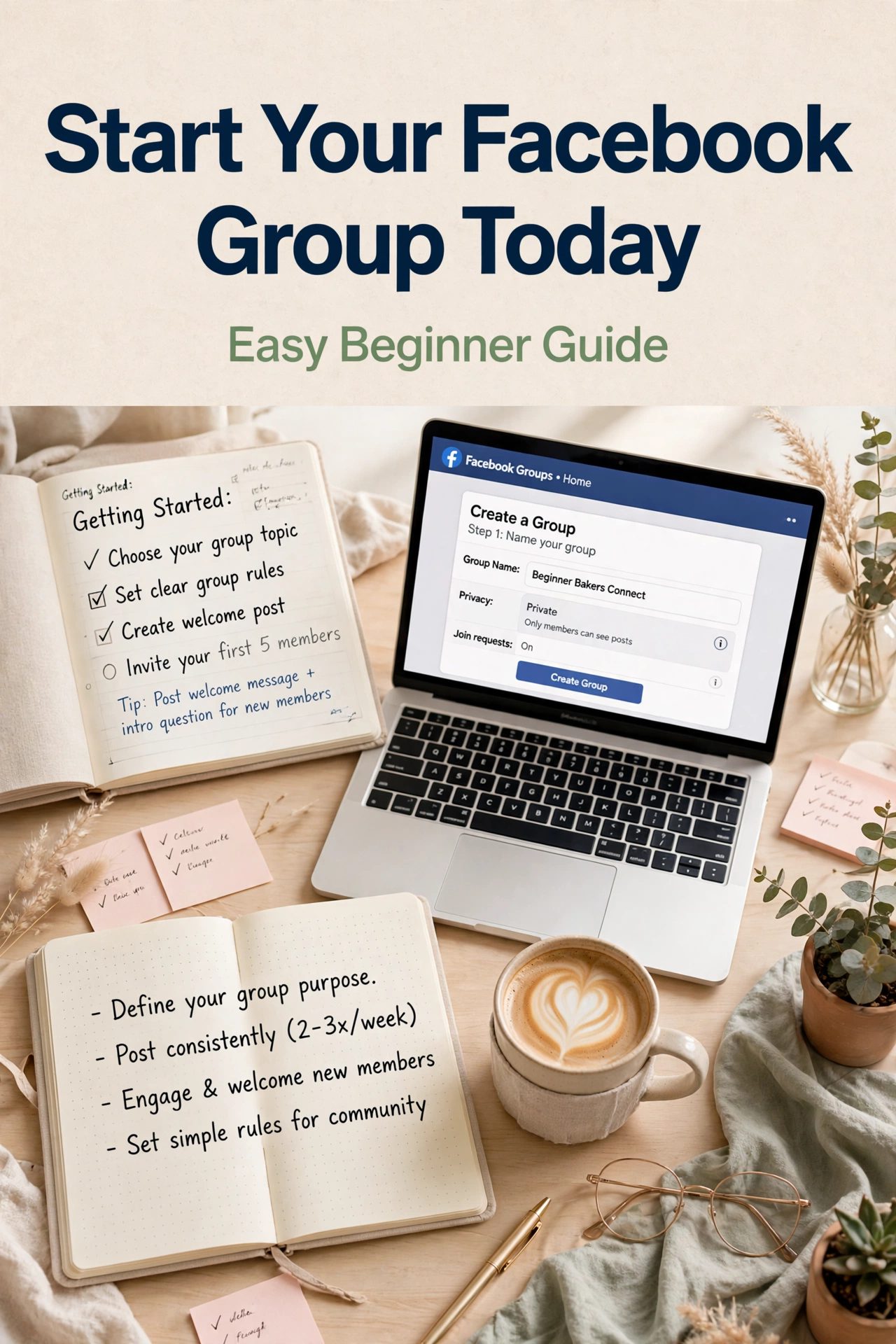
- Facebook Groups: Easy to start, widely used, free, but you don’t own it and attention can be distracting.
- Discord or Slack: Great for chat-based communities.
- Circle, Mighty Networks, and similar tools: Designed for paid communities with courses and events.
- WhatsApp or Telegram groups: Convenient for small, close-knit groups.
- Forums or membership sites.
Consider your audience’s habits, your budget, and your goals. Many creators start in a free group, then move paying members into a dedicated platform.
Step 3: Set Up Your Space Professionally
- Choose a clear name and cover image.
- Write a welcoming description with the promise and who it’s for.
- Create clear rules, such as respect, no spam, and privacy.
- Add membership questions to keep out bots and spammers.
- Plan a welcome post for new members.
- Set up topics or categories for easy navigation.
- Pin helpful resources.
Step 4: Seed Your Community With Great Content
An empty room feels awkward. Prepare content before launch.
- Create 10 to 15 starter posts including questions, tips, and mini-challenges.
- Plan a weekly rhythm, such as Motivation Monday, Question Wednesday, and Win Friday.
- Invite 10 to 20 friendly people to join first and participate.
- Ask members to introduce themselves.
- Reply to every post early on.
AI can help brainstorm discussion prompts and weekly themes. Edit them to match your voice. The Claude Advantage shows how to prompt effectively for content planning, and The Personal Brand Blueprint helps you become the trusted guide members want to follow.
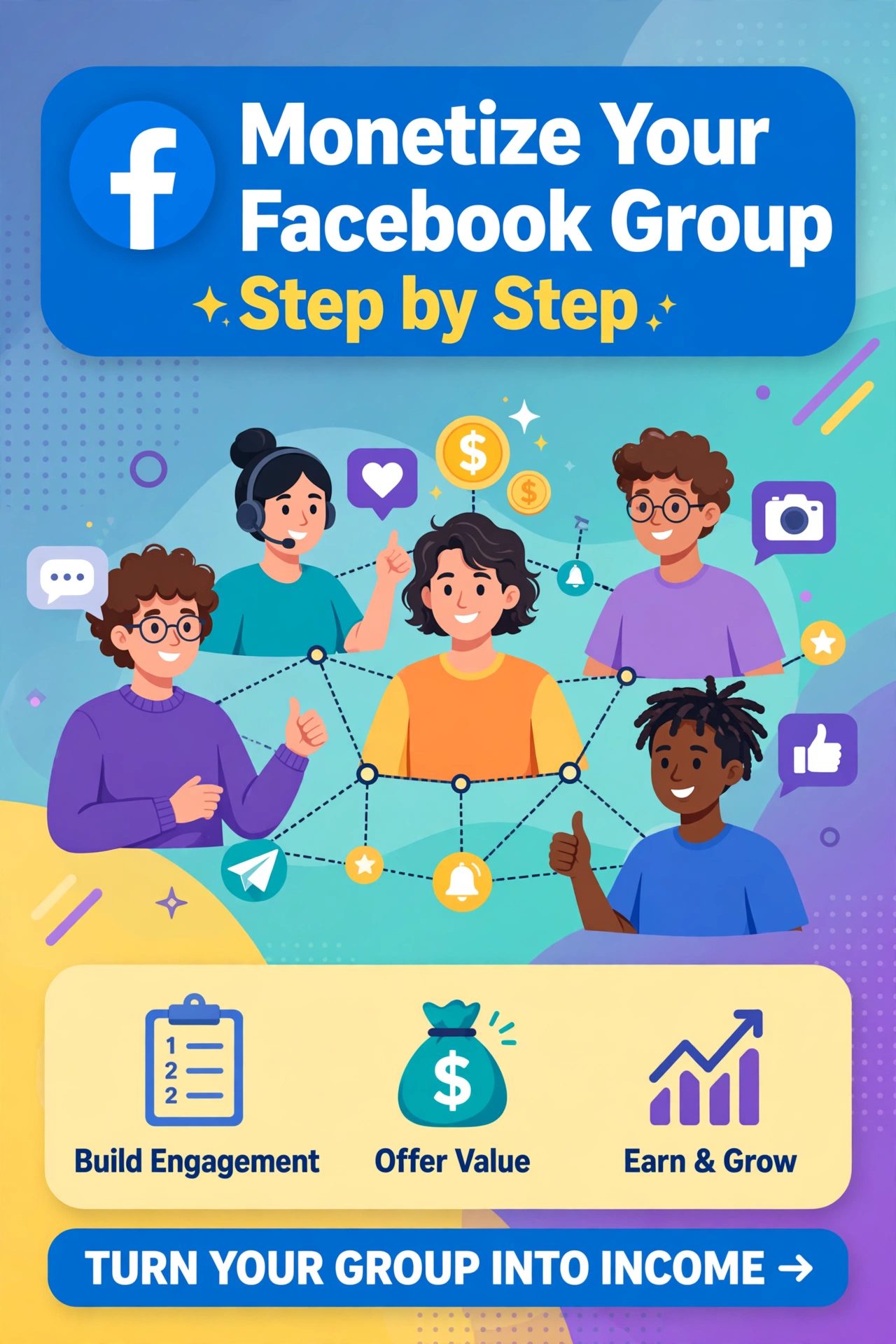
Step 5: Grow Your Membership Ethically
- Invite your existing audience: email list, social followers, and customers.
- Share valuable content that links to the community.
- Collaborate with creators who serve the same audience.
- Create a free lead magnet that includes an invitation.
- Ask members to invite friends.
- Use Pinterest, blog posts, and short videos to attract people.
- Follow platform rules about promotion and self-promotion.
For beginner-friendly marketing strategies, The Digital Marketing Playbook explains how to attract the right audience.
Step 6: Keep Engagement High
Communities thrive on connection.
- Show up daily or several times per week.
- Ask open-ended questions.
- Celebrate wins and milestones.
- Host live Q&As, workshops, or co-working sessions.
- Spotlight members and their progress.
- Create challenges, such as a 7-day launch sprint.
- Share behind-the-scenes content.
- Moderate kindly but firmly.
Remember that members engage with people, not just posts. Your presence sets the tone.
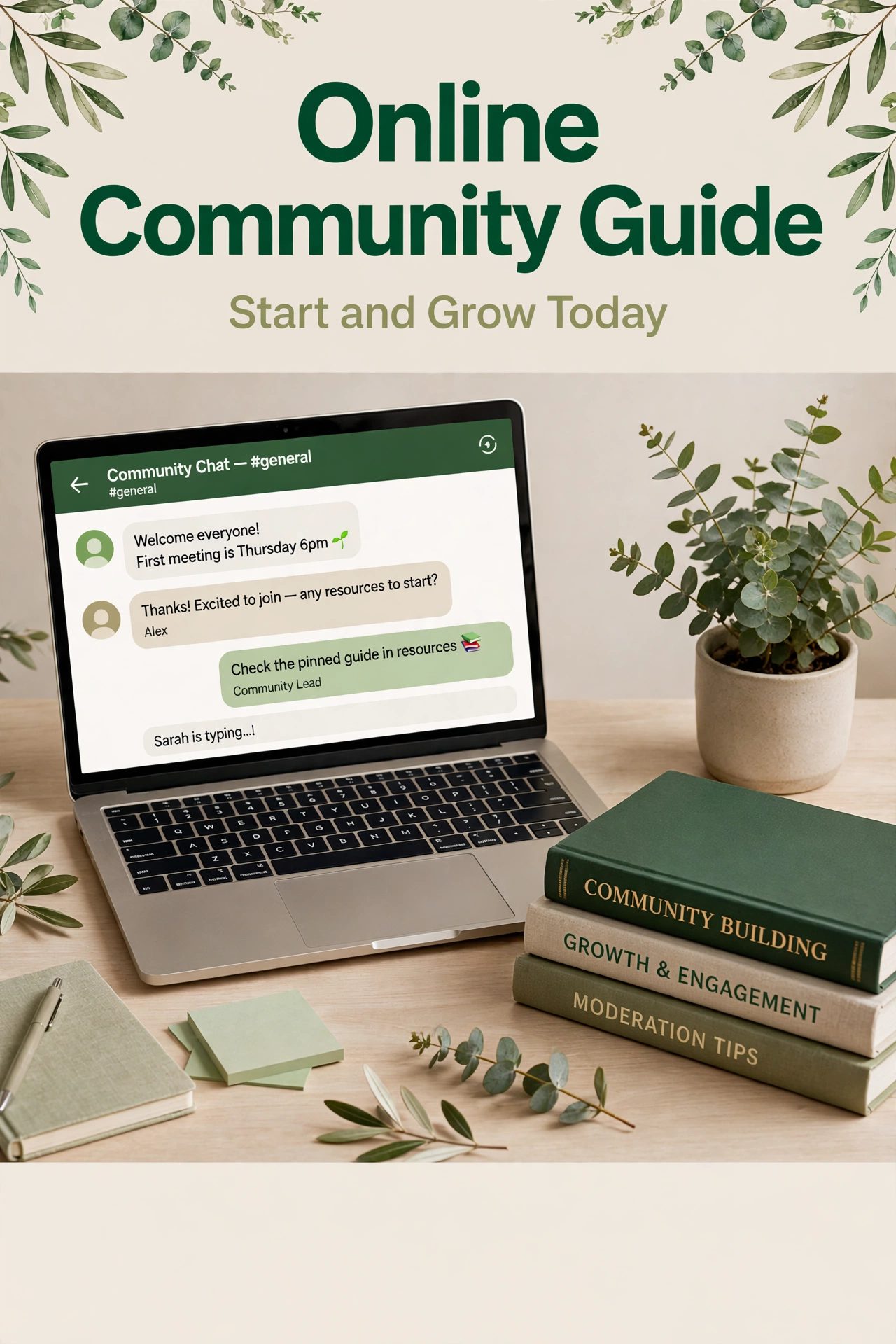
Step 7: Monetize Your Community
1. Paid Membership
Charge a monthly or annual fee for access to a private community, with benefits such as events, resources, and support.
2. Digital Products
Sell templates, guides, and workbooks that solve members’ problems. The Stay-At-Home Mom’s Guide to Making Money Online offers ideas for beginner-friendly products.
3. Courses and Workshops
Teach what members ask about most.
4. Coaching and Services
Offer group coaching, one-on-one sessions, or done-for-you services.
5. Affiliate Recommendations
Recommend tools you genuinely use, with clear disclosure and following group rules.
6. Sponsorships and Partnerships
Brands may pay to reach an engaged niche audience. Choose partners carefully.
7. Events and Masterminds
Host paid virtual events, retreats, or mastermind groups.
Pro tip: Offer a free tier and a paid tier. Let members experience value before they upgrade.

Step 8: Price and Package Your Membership
- Research similar communities.
- Price by value: support, resources, and access.
- Offer founding-member pricing to early joiners.
- Consider monthly and annual options.
- Clearly state what’s included and what’s not.
- Set refund and cancellation policies.
Typical paid community fees vary widely, so test and adjust based on member feedback.
Step 9: Moderate and Protect Your Community
- Enforce rules consistently.
- Handle conflict privately and kindly.
- Remove spam quickly.
- Protect privacy: Remind members not to share sensitive information.
- Avoid giving medical, legal, or financial advice unless qualified, and add disclaimers where relevant.
- Appoint moderators as the group grows.
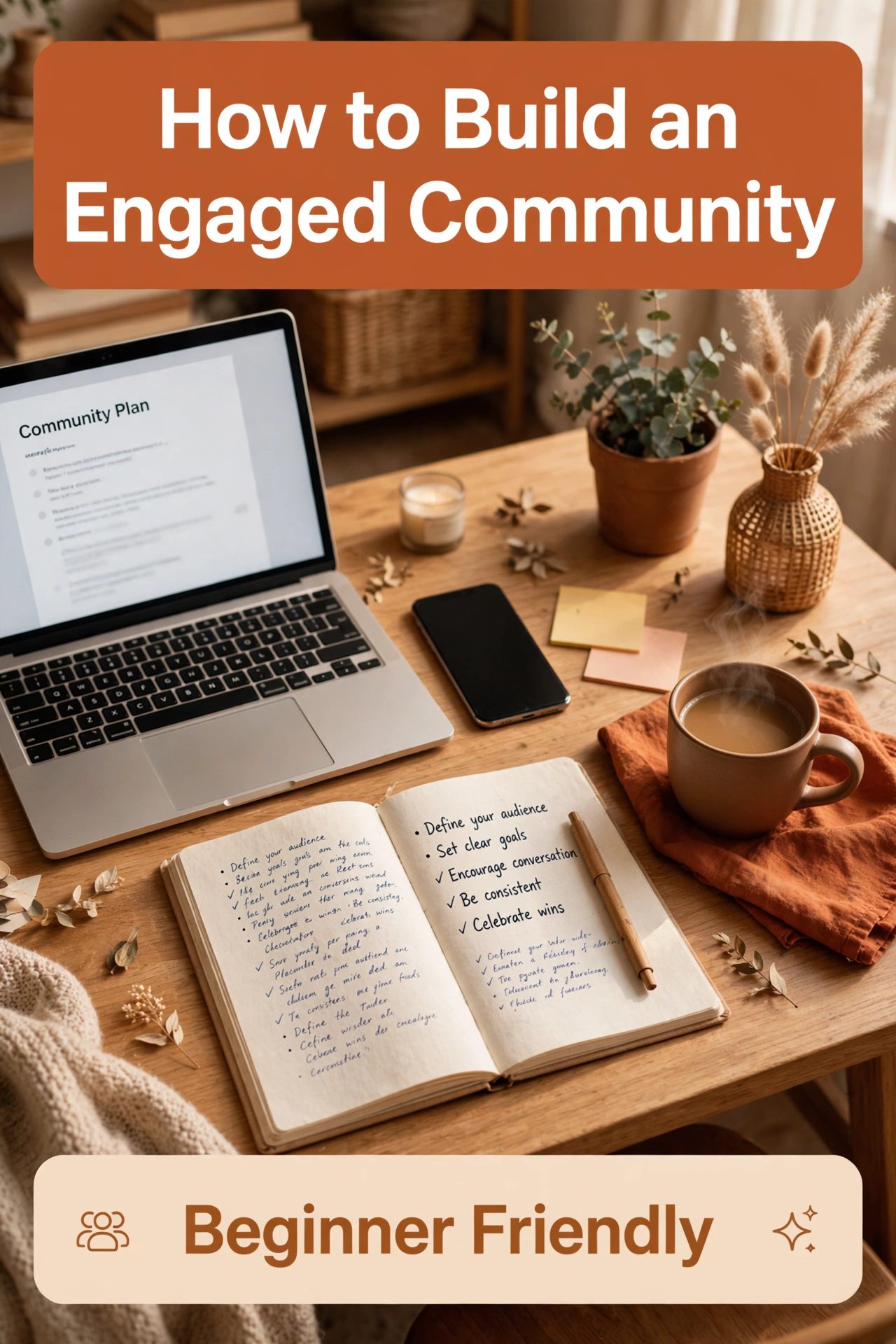
A 30-Day Community Launch Plan
- Week 1: Choose your niche, platform, and promise. Set up your space.
- Week 2: Create starter posts and invite your first 20 members.
- Week 3: Host a welcome event, start a short challenge, and invite more members.
- Week 4: Gather feedback, plan your first product or membership, and set a weekly rhythm.
Money and Business Basics
- Track income and expenses.
- Set aside money for taxes. Consult a qualified professional.
- Understand payment processor fees and platform terms.
The Smart Mom’s Complete Guide to Money offers friendly guidance for managing business income.

Sample Weekly Rhythm for Your Community
A predictable schedule makes it easy for members to participate. Here’s a simple weekly plan you can adapt:
- Monday (Goal Setting): Ask members to share one goal for the week.
- Tuesday (Tip Tuesday): Post a short, practical tip or tutorial.
- Wednesday (Question Day): Invite questions and answer them in detail.
- Thursday (Resource Share): Share a helpful tool, template, or article.
- Friday (Win Friday): Celebrate member progress, big or small.
- Weekend: Light conversation, such as a fun prompt or a poll.
Add a monthly live session, like a Q&A or workshop, so members have something to look forward to. When people know what to expect, they build the habit of checking in.
How to Handle Common Community Problems
Every community runs into a few predictable issues:
- Silent members: Ask low-pressure questions, such as polls or one-word answers, to encourage participation.
- Self-promotion spam: Create a dedicated promo thread and enforce the rule kindly but consistently.
- Conflict between members: Step in privately first, remind everyone of the rules, and remove members who repeatedly cross the line.
- Burnout: Appoint volunteer moderators, schedule time offline, and automate welcome messages.
- Declining engagement: Survey members, refresh your content themes, and try new formats like challenges or live sessions.
A healthy community culture is built through consistent, calm leadership. Members notice how you handle tension, and that tone shapes the whole space.
Mistakes to Avoid
- Launching without a clear promise.
- Selling too early or too aggressively.
- Posting only when promoting.
- Ignoring moderation.
- Relying only on one platform.
- Quitting before the community finds its rhythm.
Quick Answers About Monetizing Communities
How many members do I need to make money? You can earn with a small, engaged group by offering valuable products or memberships.
Should I charge from day one? Some creators start free to build momentum, others launch paid with a founding group. Both can work.
Is Facebook still good for communities? It can be, but consider building an email list and an owned platform too.
How much time does it take? Plan for short daily check-ins and a few hours per week for content and events.
Build a Place People Want to Belong
Starting and monetizing an online community is about connection first and income second. Choose a clear niche, welcome people warmly, deliver consistent value, and offer paid options when trust is strong.
This week, write your one-sentence promise and draft ten starter posts. Trust me, the first time a member says, “This group changed my week,” you’ll know you’ve built something special. Let’s gather your people!










Leave a Reply