


Working from home sounds like a dream: no commute, flexible hours, comfy clothes, and your own coffee. But anyone who’s done it knows the reality can be different. The laundry calls your name. The fridge is ten steps away. Family members wander in. And somehow the workday stretches from 7 a.m. to 9 p.m., yet you’re not sure you accomplished much.
The solution isn’t more willpower. It’s a schedule that fits your real life and the boundaries to protect it. In this guide, I’ll show you how to build a work-from-home schedule that helps you stay focused, get meaningful work done, and still have a life outside of work.
The Challenges of Working From Home
Before we build the solution, let’s name the problems:
- Blurred boundaries: Work and home life blend together, so you’re never fully “on” or “off.”
- Distractions: Chores, family, pets, deliveries, and social media all compete for your attention.
- Isolation: Without coworkers, you may feel disconnected or unmotivated.
- Lack of structure: With no set start or end time, days can feel shapeless.
- Overworking: The computer is always there, so it’s tempting to keep going.
- Procrastination: Without a manager nearby, it’s easy to put things off.
- Interruptions: If you share space with kids or a partner, your day can be unpredictable.
Recognizing these challenges helps you create strategies to handle them.
Step 1: Define Your Work Hours
Decide when you’ll work, and communicate it to everyone who needs to know. Even if your hours are flexible, having a general window creates structure.
Consider:
- When are you most productive? Schedule important work then.
- When are clients, customers, or coworkers available?
- What are your household needs? School runs, caregiving, and meals.
- How many hours do you need to work?
Write down your core hours, for example 8:30 a.m. to 3:30 p.m., and treat them like an office job. When your hours are over, step away.
If you have a variable schedule, plan your week ahead and create a rough template for each day.

Step 2: Create a Morning Routine
A good start sets the tone. Instead of rolling out of bed and straight to your laptop, add a short routine:
- Wake up at a consistent time.
- Get dressed (yes, even if it’s casual).
- Eat breakfast and hydrate.
- Move your body, even for 10 minutes.
- Take a few minutes to reflect or journal.
- Review your plan for the day.
The 10 Minutes to Let Your Mind Reflect, Joy & Thanks journal is a lovely way to begin the day calmly. It creates a mental “commute” that signals the shift from home mode to work mode.

Step 3: Plan Your Day
Before you start working, know what you’ll do. Spend five minutes choosing your top three priorities and mapping out your time.
The Work Day Organizer is great for this, offering space to write priorities, schedule blocks, and jot notes. When you know what’s most important, you’re less likely to drift into busywork.

Tips:
- Put your most important task in your peak energy hours.
- Group similar tasks, such as emails, calls, and admin.
- Add breaks and lunch to your schedule.
- Leave buffer time for the unexpected.
Step 4: Set Up a Workspace
You don’t need a dedicated office, but having a defined space helps your brain associate it with work.
- Choose a consistent spot: A desk, a corner of the dining table, or a particular chair.
- Keep it tidy: Clear away clutter before you start.
- Make it comfortable: Good lighting, a supportive chair, and your screen at eye level.
- Gather supplies: Notebook, pens, water, chargers.
- Add something that makes you smile: A plant, a candle, or a photo.
- Pack it up at the end of the day if you share your space. This creates a clear end to work.
Step 5: Use Time Blocks
Time blocking is one of the best ways to structure a work-from-home day. Divide your day into chunks with specific purposes.
Sample WFH schedule

Adjust it to fit your job and your life. If you have kids at home, your blocks might be shorter or split into several segments.
Step 6: Protect Your Focus
Home distractions are real, so create strategies to minimize them.
- Silence your phone or put it in another room.
- Close unnecessary tabs and use website blockers if needed.
- Set boundaries with family. Use a “do not disturb” sign or a signal like a closed door or headphones.
- Batch your chores. Don’t start laundry or dishes during work blocks unless they’re breaks.
- Use focus sessions: Work for 25-50 minutes, then take a short break.
- Play music or white noise. A playlist from the Monthly Playlist Journal can help you get in the zone.
- Keep a “parking lot” list for stray thoughts and tasks that pop up.

Step 7: Take Real Breaks
Breaks are essential for energy and focus. Aim to:
- Step away from your screen every hour or so.
- Move: Stretch, walk around, or step outside.
- Eat lunch away from your desk.
- Hydrate.
- Rest your eyes by looking at something distant.
- Connect with someone, even briefly, if you feel isolated.
Schedule breaks like appointments, so they don’t get skipped.
Step 8: Build Healthy Habits
Home offers freedom to build habits that support your well-being:
- Morning or midday walks
- Healthy lunches
- Stretching or quick workouts
- Water and snack routines
- Regular bedtime
Start with one or two habits and track them with the Mini Habit Tracker Journal. Small, consistent habits create a stable rhythm.

Step 9: Handle Kids, Partners, and Pets
If you share your home with others, communication is key.
With kids
- Set expectations by age. Even young children can learn “mommy is working” signals.
- Create activity boxes for independent play.
- Use schedules or visual timers so kids know when you’ll be available.
- Work in shifts with a partner when possible.
- Plan breaks for connection, such as a snack together.
- Be flexible. Some days will be messy, and that’s okay.
With partners
- Share your schedule and clarify your core working hours.
- Divide household tasks fairly.
- Respect each other’s focus time.
With pets
- Provide exercise and attention before work.
- Offer chew toys or puzzles during calls.
Step 10: Set a Shutdown Routine
Ending your workday clearly prevents work from spilling into your whole evening. Try:
- Review what you accomplished. Celebrate wins.
- Move unfinished tasks to tomorrow.
- Plan tomorrow’s top three.
- Close your laptop and tidy your workspace.
- Say “I’m done.” A phrase or small ritual helps your brain switch off.
- Change your scene: Take a walk, change clothes, or start dinner.
If lingering thoughts linger, jot them down on a Brain Dump Worksheet so you can let go until tomorrow.

Staying Accountable and Motivated
Working alone requires self-motivation. To stay on track:
- Set clear goals for the day and week.
- Track progress. The Staying on Track Journal is helpful for logging accomplishments and keeping yourself accountable.
- Find an accountability partner to share goals with.
- Join online communities of remote workers or entrepreneurs.
- Reward yourself for milestones.
- Review your week every Friday to see what worked and what to improve.

If You Run a Business From Home
If your home is also your business headquarters, add structure for tasks such as orders, customer service, and finances:
- Schedule order fulfillment at specific times. Use an Order Form Journal to keep orders organized.

- Plan inbox time. The Inbox Tracker (Editable in Canva) helps you track replies and follow-ups.

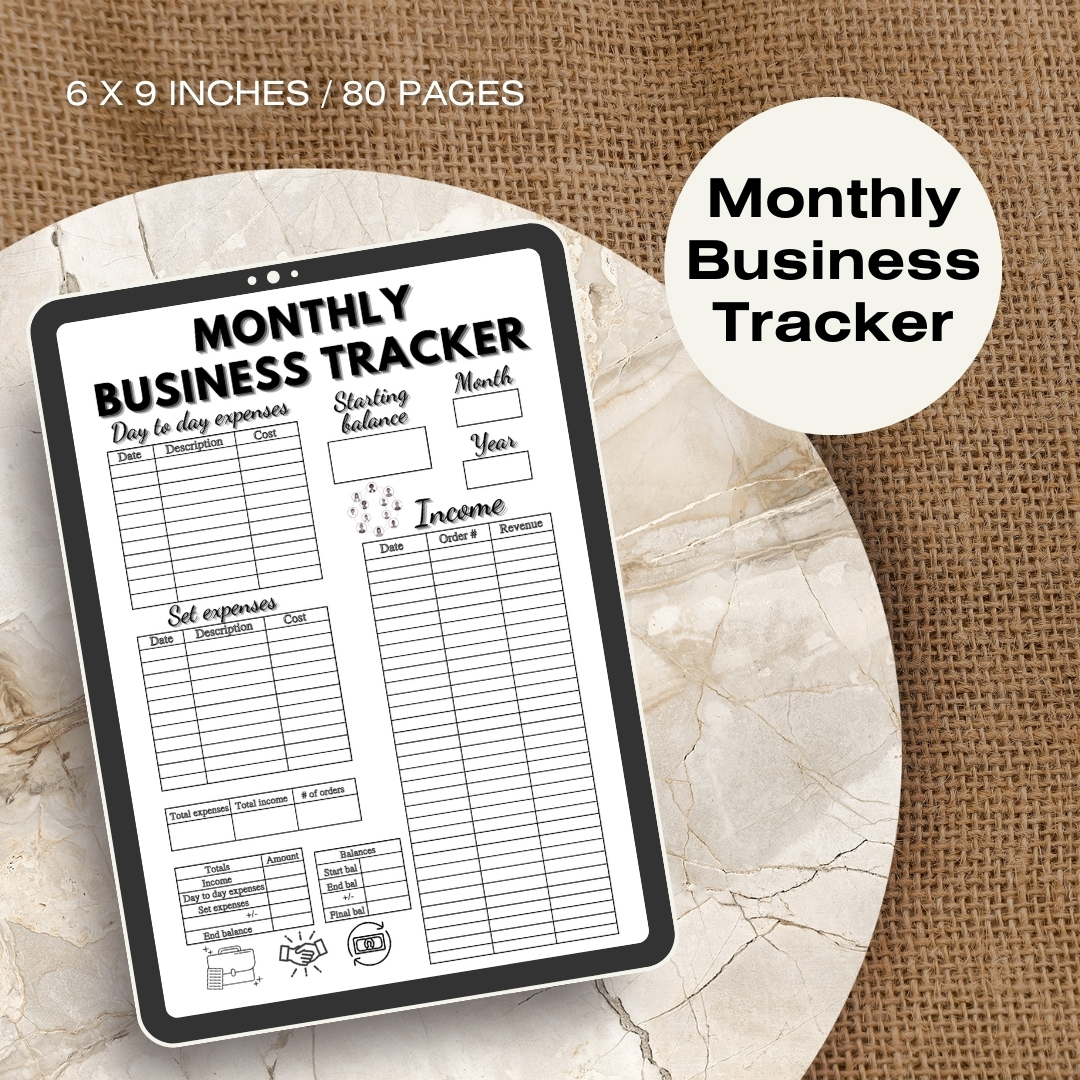
- Review your numbers weekly or monthly with a Monthly Business Tracker.
- Set work hours for customers. Let them know when you’ll respond.
- Keep business and personal tasks separate during your work blocks.
Avoiding Burnout at Home
When work lives in your house, rest requires intention:
- Respect your end-of-day time.
- Take full days off from work.
- Leave your workspace at night.
- Spend time outside and with friends.
- Watch for signs of burnout: fatigue, irritability, and loss of motivation.
- Use tools like a Wellness Journal to check in on your well-being.

Common WFH Schedule Mistakes
No defined start and end times. Set boundaries.
Working in pajamas all day (if it affects your mindset). Get dressed to signal the start of work.
Skipping breaks. Rest improves performance.
Multitasking with chores. Keep work and chores separate.
Not planning. A few minutes of planning prevents wasted hours.
Ignoring isolation. Make time for social connection.
Being too rigid. Allow flexibility for real life.

Work-From-Home Schedule Checklist
[ ] Define core work hours
[ ] Create a morning routine
[ ] Plan your top three priorities
[ ] Set up a comfortable workspace
[ ] Use time blocks
[ ] Protect your focus
[ ] Take regular breaks
[ ] Track healthy habits
[ ] Set expectations with family
[ ] End the day with a shutdown ritual
[ ] Review weekly
Final Thoughts
Working from home can be incredibly rewarding when you have the right structure. A clear schedule, defined boundaries, and supportive habits help you get your work done and enjoy your life. Start by choosing one or two changes, such as setting work hours or adding a shutdown ritual, and build from there.
Ready to design your workday? Plan with the Work Day Organizer, build habits with the Mini Habit Tracker Journal, and stay accountable with the Staying on Track Journal.










Leave a Reply