


A few years ago, a mom in one of my online groups posted something that made my stomach drop. She’d been so excited: a “recruiter” had texted her about a flexible job rating products online, paying per task, perfect for nap times. She completed the tasks, watched her “earnings” climb on a slick-looking dashboard, and then was told she needed to deposit a little money to unlock her withdrawal. She did. Then she needed to deposit more. By the time she realized what was happening, she’d lost far more than she could afford.
She wasn’t careless or naive. She was a tired, hopeful mom who wanted to help her family. And that’s exactly who scammers look for.
The numbers are sobering. According to FTC data summarized in tax and security reporting, reports of job and employment agency scams nearly tripled over a four-year stretch, while the money consumers reported losing grew from about $90 million to about $501 million. The FTC has also warned that a type of fraud called a task scam exploded: reports rose from roughly 5,000 in an entire year to about 20,000 in just six months, and task scams made up nearly 40% of reported job scams at that point.
In this guide, I’ll walk you through the most common work-from-home scams targeting moms, the red flags to watch for, how to verify an opportunity, and what to do if you’ve already been caught. (This is general information, not legal or financial advice.)
Why Moms Are Targeted
Scammers don’t pick victims at random. A fraud expert at the Identity Theft Resource Center told reporters these schemes often prey on people who are new to the job market, people re-entering it after time away (such as homemakers), and people under financial pressure. The reasons are painfully simple:
- You’re searching for flexible work that fits around kids.
- You may have a gap on your resume and feel less confident.
- You’re often short on time to research thoroughly.
- You may be worried about money, which makes “easy income” tempting.
- Scam messages are polished and often personalized.
As one FTC official noted, most people who lose money to scammers are behaving fairly rationally. The scams are sophisticated and keep changing. And only about 4.8% of people who experience fraud report it, so the real numbers are likely much higher.
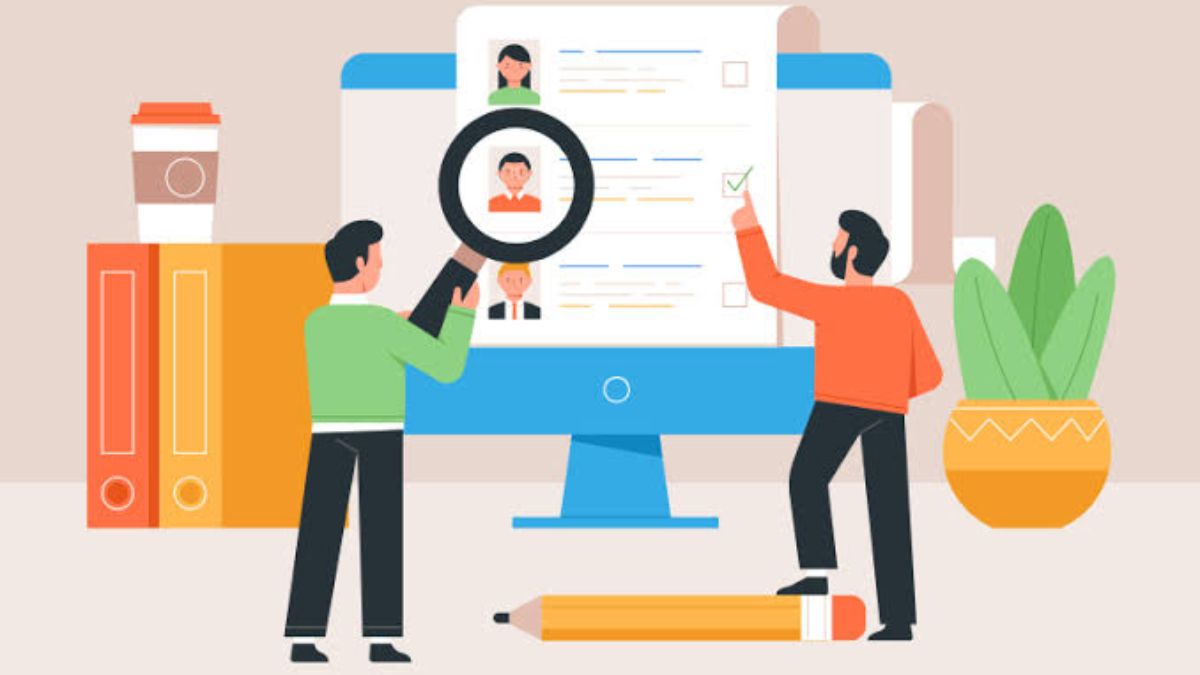
The Most Common Work-From-Home Scams
1. Task scams (a.k.a. gamified job scams)
How it works: You get an unexpected text or WhatsApp message from a “recruiter” offering online work, such as “boosting” products, optimizing apps, or liking or rating content. You complete simple tasks and see growing “earnings” on a platform. Then you’re asked to deposit your own money, often in cryptocurrency, to unlock more tasks or withdraw your balance. The earnings aren’t real, and the money you send is gone. Some scammers add you to group chats where fake “coworkers” share success stories.
Red flags: Unsolicited message, vague job, pay per click or like, a request to deposit money, crypto payment.
2. Fake check scams
How it works: A “company” hires you for a remote job and sends a check for equipment or supplies. You deposit it, then are told to send part of the money to a vendor. The check later bounces, and you owe the bank.
Red flag: Any employer who asks you to deposit a check and send money elsewhere.
3. Reshipping scams
How it works: The job is advertised as “quality control manager” or “virtual assistant.” You receive packages at home, repackage them, and forward them to another address. The goods are often bought with stolen credit cards, which can pull you into a crime without your knowing.
4. Reselling scams
How it works: You’re offered a chance to buy brand-name products at a discount and resell them for a profit. After you pay, the products never arrive or turn out to be junk.
5. Pay-to-work and “training” scams
How it works: You’re told you must buy a starter kit, training, software, or certification before you can work. The materials are useless, and the job never materializes. You might also notice unauthorized charges on your card.
6. Fake recruiter and identity theft scams
How it works: A fake employer asks for your Social Security number, bank details, or copies of your ID “for payroll” before you’ve even had a real interview. The goal is identity theft, which can also create tax headaches.
7. “Get paid to review” schemes
How it works: You’re asked to post fake reviews for products. Besides being a scam risk, paid fake reviews can be illegal.

12 Red Flags of a Fake Online Job
- They contact you first by text, WhatsApp, or social media with a vague offer.
- No real interview, or a very quick one.
- You’re asked to pay anything to get the job: fees, kits, training, equipment.
- You’re asked to deposit a check or move money for them.
- The pay is too good for the work involved.
- They want crypto, gift cards, or wire transfers.
- They push you to act fast.
- They ask for sensitive info early like your Social Security number or bank login.
- No company website, or a brand-new one with no real history.
- Poor grammar and generic messages that don’t mention your actual skills.
- They move you off a legitimate platform to a private chat.
- You can’t verify them with an independent search.
The golden rule from the FTC and security experts: You should never pay to get paid, or to get a job. A legitimate employer won’t ask you for money.
How to Verify a Work-From-Home Opportunity (Step by Step)
- Pause. Scammers create urgency. Take a day to research.
- Search the company name plus “scam” or “reviews.” Check complaints with consumer protection agencies and the Better Business Bureau.
- Go to the company’s official website yourself. Don’t use links from the message. Look for a careers page and see if the job is listed.
- Contact the company using contact info you found independently to confirm the recruiter is real.
- Check the recruiter’s profile on a professional networking site and see if it matches the company.
- Ask for a written offer and contract. Read every line.
- Never give sensitive information until you’ve verified the employer and received a formal offer.
- Ask someone you trust to look at it with you.

What Legitimate Online Work Looks Like
Real ways to earn from home generally have:
- A clear client or employer you can verify
- A defined scope and pay rate in writing
- Payment from the client to you, never the other way around
- Reputable platforms that protect both sides, or a direct contract you’ve reviewed
- A real interview or conversation before the work begins
Freelance work (like virtual assistance, writing, design, or social media help), selling your own products, creating content, and affiliate marketing are legitimate paths, but they require real effort and rarely produce instant, effortless income.
What to Do If You’ve Been Scammed
It happens to smart people. Act quickly and kindly toward yourself:
- Stop all contact and payments immediately.
- Contact your bank or card company right away. Ask about stopping or reversing payments and securing your accounts.
- If you sent crypto or a wire, report it to the platform and your bank immediately. Recovery can be difficult, but fast reporting helps.
- Change your passwords, and turn on two-factor authentication.
- If you shared your Social Security number or ID, consider placing a fraud alert or credit freeze and monitoring your credit reports.
- Report the scam to the Federal Trade Commission through its fraud reporting site and to the FBI’s Internet Crime Complaint Center if money was lost.
- Save evidence: screenshots, messages, payment receipts.
- Talk to someone. Shame keeps scams hidden. Telling your story can help protect other moms.
If you cashed a fake check, tell your bank right away and ask what to do.

A Safety Checklist Before You Say Yes
- I found this opportunity myself, or I verified the recruiter independently
- I’m not being asked to pay anything
- I’m not being asked to deposit a check and send money elsewhere
- I’ve researched the company and found real, consistent information
- I have a written offer or agreement
- I haven’t shared my Social Security number or bank login
- I’ve talked to someone I trust
Safer Ways to Start Earning From Home
- Freelance on established marketplaces, where payment is protected.
- Start with people you know: neighbors, friends, former coworkers, local businesses.
- Sell digital products on platforms you’ve researched.
- Create content, like short videos, and apply to reputable brand programs.
- Learn a skill like virtual assistance, social media management, or design, and build a portfolio.

Build Your Income on a Solid Foundation
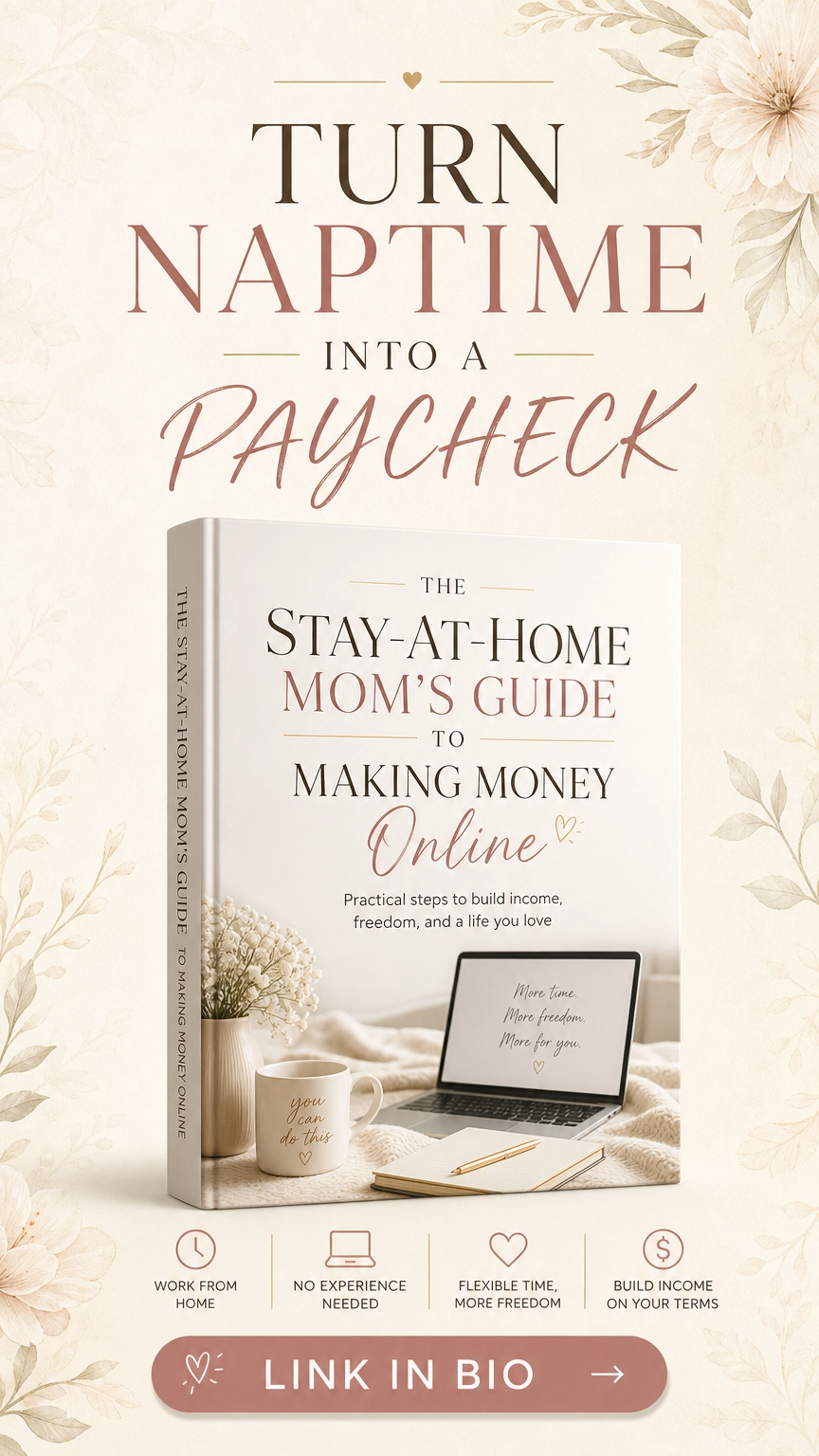
The best protection against scams is knowing what real opportunities look like, and having a plan. If you’d like a beginner-friendly roadmap for making money online as a stay-at-home mom, take a look at my ebook:
The Stay-At-Home Mom’s Guide To Making Money Online
Trust me, when you know the real routes, the fake ones lose their shine.
Final Thoughts
Work-from-home scams are growing, and they’re built to catch hopeful, busy people. If someone contacts you first, asks you to pay, or promises big money for easy tasks, walk away. Verify before you trust, never pay to get paid, and keep your private information private. You deserve real opportunities, and there are plenty of them.









Leave a Reply