

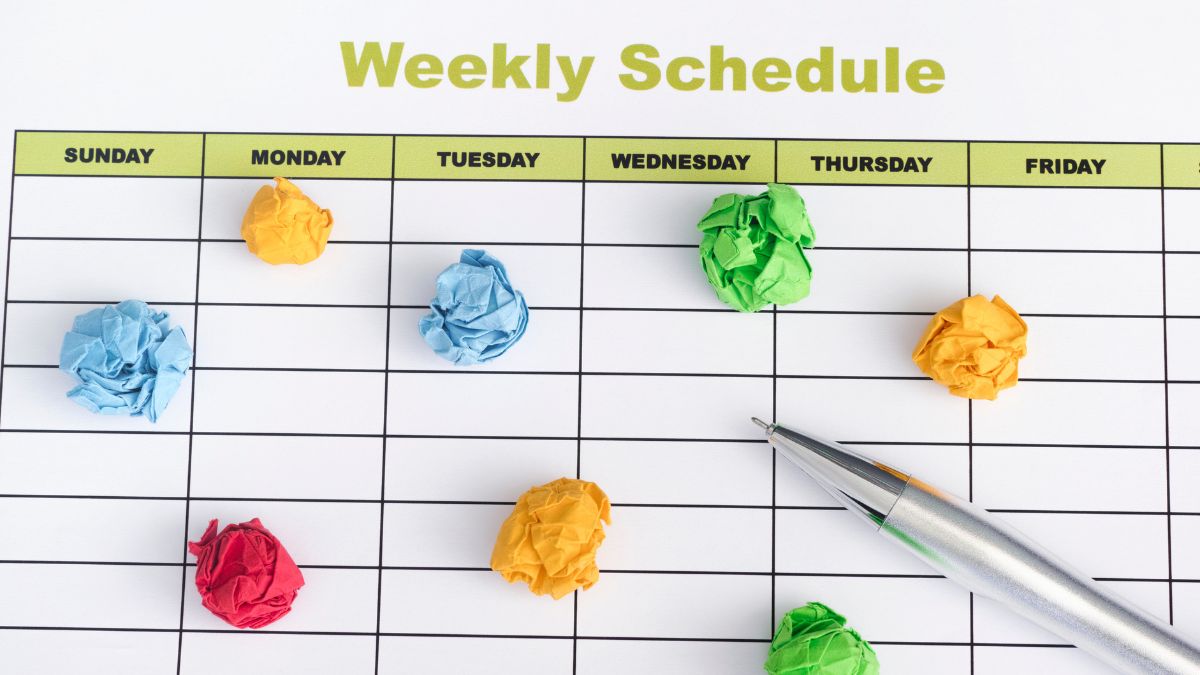
Let’s be honest: most of us start the week with good intentions and end it wondering where the time went. Monday arrives, emails pile up, someone needs something “real quick,” and suddenly it’s Friday and your most important goals haven’t moved an inch.
Sound familiar? You’re not lazy and you’re not “bad at time management.” You just don’t have a weekly planning system.
The good news is that you only need about 30 minutes to build one. In this guide, I’ll walk you through the exact process I recommend to busy business owners, side hustlers, and working moms who want to feel in control of their week instead of chasing it.
Grab your coffee, a pen, and your favorite planner. Let’s do this.
Why Weekly Planning Beats Daily Planning
Daily to-do lists are great, but they only show you today. When you plan your week, you see the bigger picture: deadlines, meetings, personal commitments, and the projects that actually grow your income.
Here’s what a solid weekly planning routine does for you:
- Reduces decision fatigue. You decide once what matters, instead of re-deciding every morning.
- Protects your priorities. Big-ticket tasks get scheduled before small distractions swallow your time.
- Prevents overcommitting. When you see your week on one page, you realize quickly what’s realistic.
- Builds momentum. Finishing a planned week feels amazing and makes the next one easier.
Think of it like a road trip. You wouldn’t drive across the country without a map. Your week deserves the same respect.
Step 1: Do a Quick Brain Dump (5 Minutes)
Before you can plan anything, you need to get everything out of your head. Racing thoughts, half-remembered tasks, and “don’t forget to…” reminders clog your mental space and make planning feel overwhelming.
Set a timer for five minutes and write down everything on your mind: work tasks, personal errands, ideas, worries, appointments. Don’t organize it yet. Just dump it.
If you want a guided way to do this, our Brain Dump Worksheets give you prompts and sections so nothing gets missed. You’ll be surprised how much lighter you feel after emptying your mind onto paper.

Step 2: Review Last Week (5 Minutes)
Planning without reflecting is guessing. Take a quick look back and ask yourself:
- What went well this week?
- What didn’t get finished, and why?
- Did anything take longer than I expected?
- What drained my energy?
- What do I want to repeat?
You’re not looking to judge yourself. You’re collecting data. If you notice that you always run out of time for marketing on Thursdays, that’s useful information, and you can fix it this week.
If you like to keep track of the wins and lessons, the Staying on Track Journal is a simple place to log your progress and keep yourself accountable from week to week.

Step 3: Choose Your Top 3 Goals (5 Minutes)
This is where most people go wrong. They write a to-do list with 25 items and call it a plan. The truth is that if everything is a priority, nothing is.
Pick three main goals for the week. These should be the outcomes that, if completed, would make the week a win. Ask yourself:
- Which tasks move my business or life forward the most?
- Which tasks have deadlines?
- What would I regret not doing?
Write them at the top of your page and keep them visible all week. The Top 3 Main Goals Right Now Journal was designed exactly for this: it keeps your focus on what matters most so you’re not distracted by busywork.
Pro tip: Make each goal specific. “Work on website” is vague. “Publish the new About page and add three testimonials” is clear and finishable.

Step 4: Map Out Your Fixed Commitments (5 Minutes)
Now add the things you can’t move: meetings, appointments, school pick-ups, client calls, and deadlines. Put them on your calendar or planner first.
Seeing your fixed commitments helps you spot the open pockets of time where real work can happen. It also stops you from scheduling a deep-work session at the same time as a dentist appointment (we’ve all done it!).
If meetings are a big part of your week, take a look at our Business Meeting Minutes template. Keeping notes and action items in one place means follow-ups don’t slip through the cracks and you can plug them straight into next week’s plan.

Step 5: Schedule Your Priorities First (5 Minutes)
Here’s the secret that changes everything: schedule your top 3 goals before anything else.
Look at your open time blocks and assign each goal a spot. Be realistic. A task that takes two hours needs a two-hour block, not a “squeeze it in when I can” promise.
A few guidelines:
- Put your hardest, most creative work during your peak energy hours (for many people, that’s the morning).
- Group similar tasks together (emails, calls, admin) to avoid constant switching.
- Leave buffer time between tasks. Life happens.
- Never schedule back-to-back for more than three hours without a break.
Once your priorities are in place, fill in the smaller tasks around them. If a task doesn’t fit this week, it moves to next week or gets delegated, and that’s okay.
Step 6: Create a Daily Game Plan (5 Minutes)
Your weekly plan is the roadmap; your daily plan is the turn-by-turn directions. Break each day into a short list of three to five tasks that support your weekly goals.
The Work Day Organizer is perfect for this. It gives you a clean daily layout for priorities, tasks, notes, and time blocks, so you start each morning knowing exactly what to tackle first.
A quick morning ritual helps too: spend two minutes reviewing your plan, adjust if something urgent popped up, and then dive into your most important task before checking email.

Step 7: Plan Your Non-Negotiables
A productive week isn’t only about work. If you’re running on empty, your results will suffer. Add the following to your plan as if they were client meetings:
- Movement: a walk, a workout, a stretch break.
- Meals: plan simple lunches so you’re not skipping them.
- Rest: at least one evening where you completely unplug.
- Joy: something fun, even if it’s 20 minutes with a book.
Self-care isn’t a reward for finishing your list; it’s the fuel that lets you finish it. If you want to build healthy routines into your week, a tool like the Mini Habit Tracker Journal makes it easy to check off small daily habits without feeling overwhelmed.

Common Weekly Planning Mistakes (and How to Fix Them)
Mistake #1: Planning too much
If your plan has no breathing room, it will fall apart by Tuesday. Aim to fill about 60-70% of your available time and leave the rest for surprises.
Mistake #2: Ignoring your energy levels
Not every hour is created equal. Schedule demanding tasks when you’re sharp and routine tasks when you’re tired.
Mistake #3: Skipping the review
If you never look back, you’ll keep repeating the same mistakes. Even a five-minute review makes a difference.
Mistake #4: Having no system for “random” tasks
Keep a running “parking lot” list for ideas and tasks that pop up mid-week. Review it during your next planning session instead of letting it derail you in the moment.
Mistake #5: Making the plan too complicated
The best planning system is the one you’ll actually use. Keep it simple, and add complexity only if you truly need it.
Your 30-Minute Weekly Planning Checklist
Here’s the whole process at a glance. Do it every Sunday evening or Monday morning:
[ ] Brain dump (5 min)
[ ] Review last week (5 min)
[ ] Choose top 3 goals (5 min)
[ ] Add fixed commitments (5 min)
[ ] Schedule priorities (5 min)
[ ] Create daily game plans (5 min)
That’s it. Thirty minutes that can save you hours of stress and wasted effort.
Make It a Ritual
The secret to making weekly planning stick is consistency. Pick the same day and time every week, put on your favorite playlist, pour a drink you love, and make it something you look forward to.
If you’d like to make it even more enjoyable, try our Monthly Playlist Journal to curate a “planning day” playlist that puts you in the right headspace.

How Weekly Planning Grows Your Business
If you run a business or side hustle, weekly planning is even more valuable. When you decide ahead of time which days are for content, which are for client work, and which are for admin, you stop reacting and start leading.
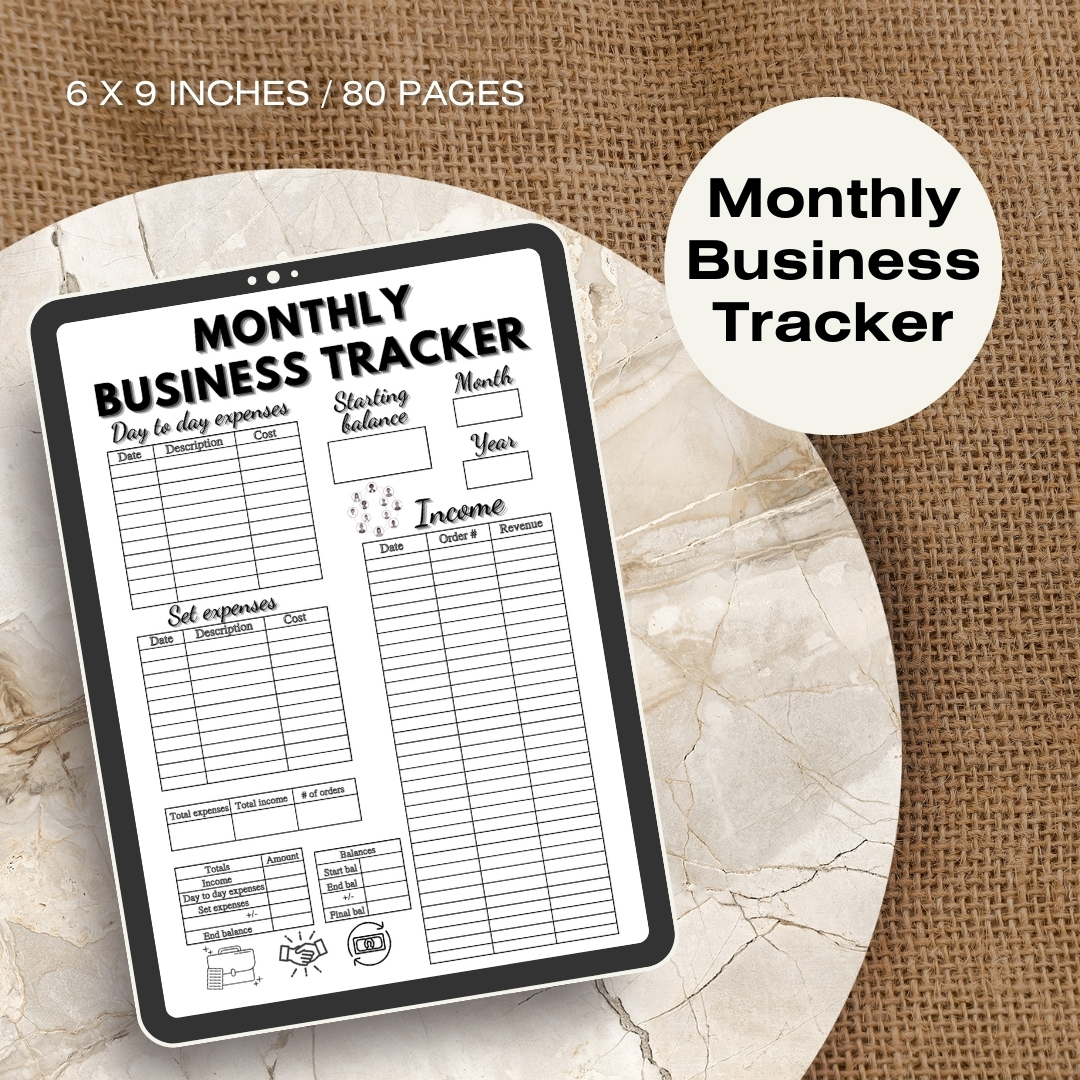
Pair your weekly plan with a monthly view, like the Monthly Business Tracker, to see how your weekly efforts add up to bigger results. When your weeks are aligned with your monthly targets, growth stops feeling random and starts feeling predictable.
Final Thoughts
You don’t need a perfect planner, a color-coded calendar, or three hours of free time to plan your week well. You need a simple process, a few quality tools, and the willingness to show up for yourself every week.
Start this week: do your brain dump, pick your top three goals, and block time for them. By next Sunday, you’ll feel the difference. And once planning becomes a habit, you’ll wonder how you ever got by without it.
Ready to get organized? Browse our Work Day Organizer, Brain Dump Worksheets, and Top 3 Main Goals Right Now Journal to build your weekly planning system today.










Leave a Reply