

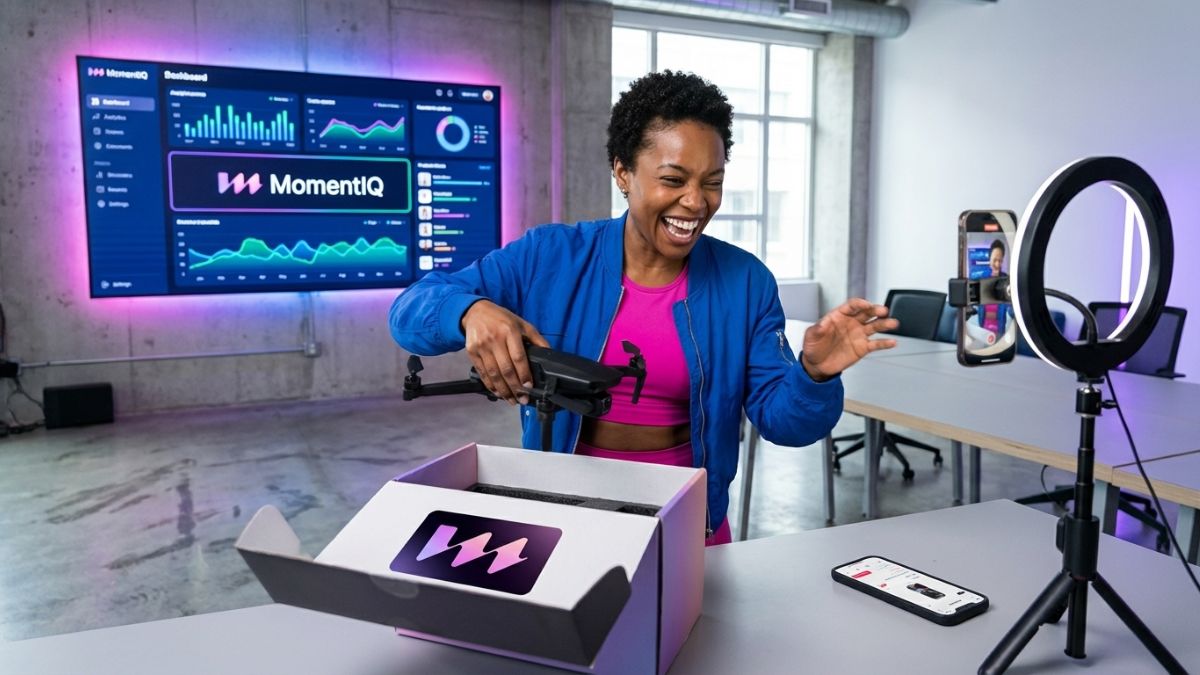
My most-watched TikTok video was an accident. I filmed it in two takes, forgot to add captions, and posted it at midnight because I couldn’t sleep. By morning it had more views than everything else I’d ever posted combined. My first reaction was joy. My second was panic: now what? Because I had no idea how to repeat it.
That’s the nature of TikTok. It can send you a surprise audience, but a career isn’t built on surprises. It’s built on consistency, a clear audience, and a business behind the content. And the platform is increasingly built for commerce. A Digiday report cited in creator-economy newsletters found TikTok Shop creators who posted 20 or more videos averaged about $74 per video, compared with about $7 for creators who posted just one. TikTok has announced a dedicated holiday shopping season, opened its Ad Network to U.S. advertisers, and introduced adjustable automation in its ad tools. Since mid-year, TikTok Shop has banned AI voices standing in for live presenters. And in Vietnam, where social commerce is very strong, livestream selling can reach huge scale: one case reported a single livestream generating about VND 75 billion in sales.
In this guide, I’ll explain how to build a TikTok creator career: how to grow, how to earn through TikTok Shop and live selling, what the rules require, and how to avoid common pitfalls. (Results vary widely, and nothing here is a guarantee.)
What the Data Suggests About Success on TikTok
- Volume and consistency matter. The 20-videos-versus-one finding is an average, not a promise, but it suggests treating TikTok like a skill you practice rather than a lottery.
- Real faces and voices are an advantage. TikTok Shop’s ban on AI voices for live presenters favors real hosts.
- Commerce is integrated. Shopping features let viewers buy without leaving the app.
- Local discovery is growing. TikTok launched a local guide for restaurants in several U.S. regions and says millions of people have visited small businesses after finding them on TikTok (a company claim).
- Brands are testing aggressively. TikTok’s cost per lead fell in one large benchmark study while Meta’s rose, which helps explain why brands are putting more creator-style content on TikTok.
- Enforcement is increasing. Sponsored content labels, ad declaration tools, and moderation are expanding.

Step 1: Choose a Niche and a Content Style
Pick a topic you can create about for months:
- Product reviews and honest comparisons
- Cooking, food, and local eating
- Beauty and skincare routines
- Tech tips and gadget reviews
- Home, organization, and DIY
- Parenting and family life
- Money, career, and study tips
- Fashion and styling
Choose a style you can sustain: talking head, voiceover, demonstration, storytelling, or humor.
Step 2: Master the First Two Seconds
TikTok viewers decide fast. Strong hooks include:
- A problem: “Why is my [thing] always [problem]?”
- A surprising result: show the end first.
- A bold, honest claim you can support.
- A question your audience is already asking.
After the hook, deliver value quickly, and end with a simple call to action.

Step 3: Build a Repeatable Production System
- Plan weekly: list 7 to 10 ideas based on questions from comments and DMs.
- Batch film: shoot several videos in one session.
- Use simple setups: natural light, clear audio, and clean backgrounds.
- Edit with captions and keep pacing tight.
- Post at a steady rhythm you can keep, such as three to five times a week.
- Study analytics: watch time, completion rate, shares, and saves.
Don’t judge one video. Judge patterns across 10 to 20.
Step 4: Earn From TikTok
TikTok Shop and affiliate commissions
- Promote products from sellers through video, live streams, or showcases and earn commission.
- Test products honestly, and show real use.
- Use your 20-video test to learn what works.
Brand partnerships
- Pitch brands that fit your niche.
- Price usage rights separately if a brand wants to run your content as ads.
- Disclose using TikTok’s branded content tools and clear wording.
Livestream selling
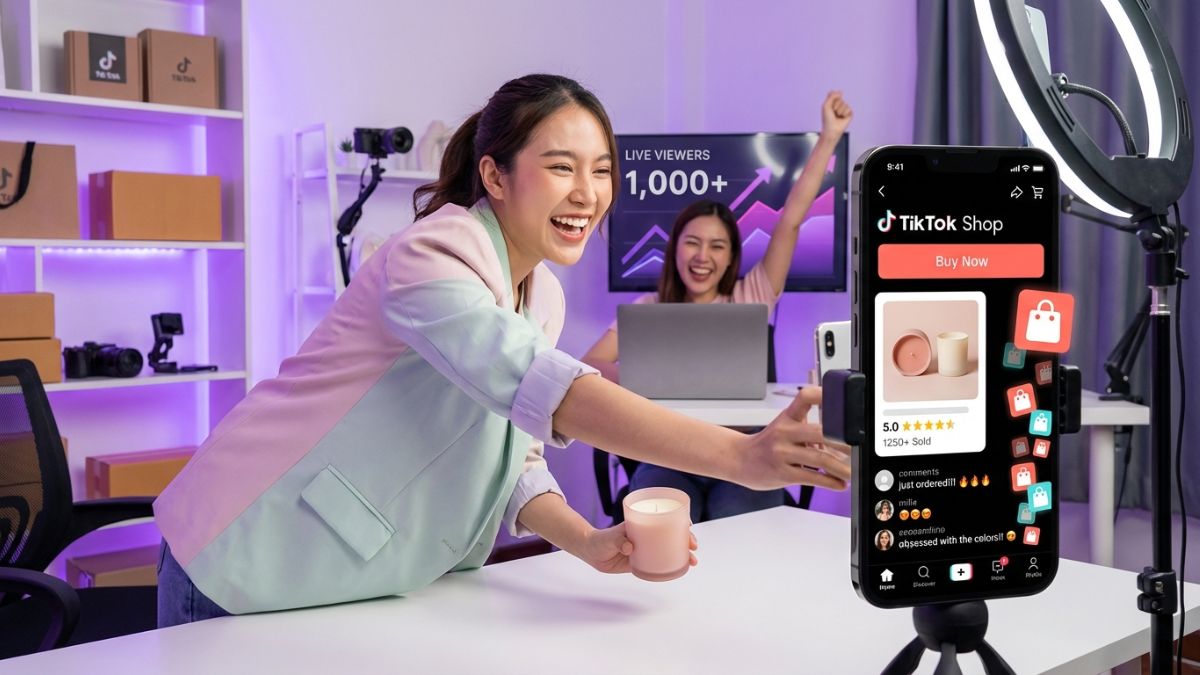
Live selling can convert well in social commerce markets. To start:
- Start small: short, scheduled sessions.
- Prepare your product facts and a run-of-show: intro, demo, Q&A, offer.
- Use real presenters and voices. AI voices standing in for live presenters are banned on TikTok Shop.
- Verify claims. In Vietnam, the amended advertising law defines influencer responsibilities and allows joint liability for false or misleading product promotion.
- Disclose ads and affiliate relationships during the stream.
- Follow platform behavior rules. Industry speakers have cited bans for unsafe or inappropriate behavior during live streams, such as streaming while driving.
Your own products and services
Digital products, merchandise, coaching, and services can build income that doesn’t depend on commissions.
Step 5: Use Paid Tools Carefully
If you promote your own products, TikTok’s ad tools now offer adjustable automation, and its Ad Network extends reach to other apps. Start organically, then test small budgets once something sells. Track results by cost per sale, not clicks.
Step 6: Protect Yourself
- Verify products and certifications before promoting health, beauty, and food items.
- Never buy followers, likes, or comments. Brands often check for fake engagement, and it can lead to rejection or bans.
- Disclose clearly and use the platform’s ad tools.
- Use written agreements.
- Watch for scams: fake brand deals that ask you to pay, buy products first, or deposit a check and send money elsewhere.
- Protect your privacy, especially when livestreaming from home.
Step 7: Build Beyond TikTok
Platforms change. Protect your career by:
- Collecting emails or Zalo/Messenger community members where appropriate.
- Repurposing your best content to YouTube Shorts and Reels, adding original value.
- Building a simple website or link page.
- Developing skills and products you own.
Mistakes to Avoid
- Posting one video and giving up.
- Copying trends with no unique angle.
- Making unverified claims in live sales.
- Using AI voices as live presenters on TikTok Shop.
- Buying engagement.
- Depending only on TikTok income.
- Ignoring comments.
Your 30-Day TikTok Plan
- Week 1: Choose your niche, study five creators, and plan 20 video ideas.
- Week 2: Film and publish at least five videos with strong hooks.
- Week 3: Publish five more, reply to comments, and test one product honestly.
- Week 4: Review analytics, double down on the best formats, and pitch five fitting brands or sellers.
Build Your TikTok Career on a Roadmap
If you’d like a step-by-step guide to building a KOL or influencer career, take a look at my ebook:
The Complete Beginner’s Guide to Building a KOL/Influencer Career
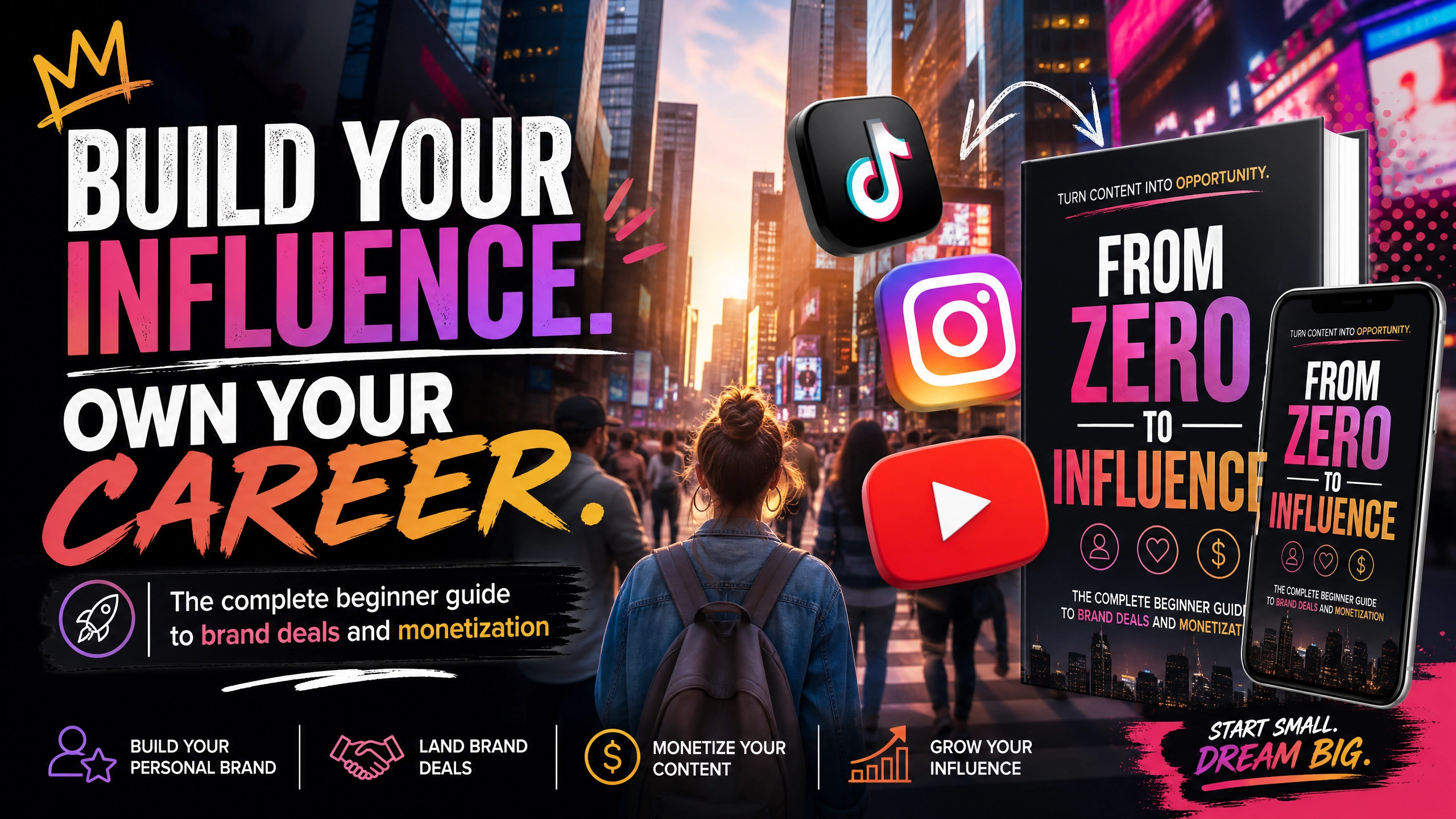
Trust me, consistency plus a plan beats luck every time.
Final Thoughts
TikTok can launch creators quickly, but a career comes from consistency, honesty, and multiple income streams. Learn to hook viewers, post regularly, sell responsibly, follow the rules, and build assets you own. Your next accidental viral video will be much more useful if you’ve built a system to catch it.










Leave a Reply