


There’s a reason many full-time creators eventually say, “I wish I’d started on YouTube sooner.” A video can keep working for years. A tutorial I filmed on a whim, in a cluttered corner of my apartment, is still bringing me viewers long after I forgot I made it. That kind of slow, steady discovery is rare on feed-based platforms, and it’s why YouTube remains one of the best long-term foundations for a creator career.
But the platform is changing. YouTube said Shorts recommendations will prioritize original content and reduce reach for videos re-uploaded from other creators without meaningful additions. It has clarified that repetitive, template-style content, including some AI-persona content, may not qualify for monetization. It extended likeness detection to all creators aged 18 and over and requires disclosure of realistic synthetic content. Its conversational AI search, Ask YouTube, has expanded to all U.S. users. A YouTube trends report found 73% of respondents call it the best place to explore personal interests and 65% say something feels more legitimate when they see it on YouTube. And research shared in newsletters found that about 60% of product videos cited by AI recommendation tools came from creators, versus about 10% from brands, with honest, detailed reviews mattering most.
In this guide, I’ll walk you through a YouTube creator career playbook: how to find your niche, create videos that get found, understand monetization, and earn from several streams. (Results vary widely, and most channels take a long time to earn meaningfully.)
Why YouTube Is a Strong Career Base
- Videos last. Search and recommendations can bring viewers for years.
- It builds trust. Longer videos let people see your expertise and personality.
- It supports many income streams: ads, affiliate, brand deals, products, and services.
- It feeds other channels. One video can become Shorts, posts, an email, and a lead magnet.
- AI answers and Ask YouTube pull from videos. Clear, helpful videos have more ways to be found.

What’s Changed Recently
- Original content is favored, especially in Shorts. Commentary, remixing, and your own perspective still count, but plain re-uploads lose reach.
- Template-style and mass-produced content is risky for monetization. Faceless channels with repetitive formats and little original contribution are under more scrutiny.
- Likeness protection is available to eligible creators, helping you detect deepfakes.
- Disclosure of realistic synthetic content is required.
- Shopping and affiliate tools are expanding, including opening YouTube’s shopping affiliate program to Amazon’s catalog for some U.S. creators.
- A Shorts bonus program has been tested on an invite-only basis in several countries, and details may change.
Step 1: Choose a Niche and a Promise
Write: “My channel helps [specific viewers] [get a result or enjoy something] with [type of videos].” Strong niches combine your knowledge with consistent audience questions: personal finance, study skills, skincare, cooking, tech reviews, parenting, language learning, or local travel.
Step 2: Plan Videos Around Questions
With Ask YouTube and AI answers rising, question-based videos have an advantage:
- Collect questions from comments, DMs, and communities.
- Use YouTube search suggestions to see what people type.
- Create videos like “How to [do X],” “[X] vs. [Y],” and “Mistakes to avoid when [doing Z].”
- Put the answer in the first 10 seconds, then expand.
- Add chapters so viewers and search systems can find sections.
Step 3: Make Original, Honest Videos
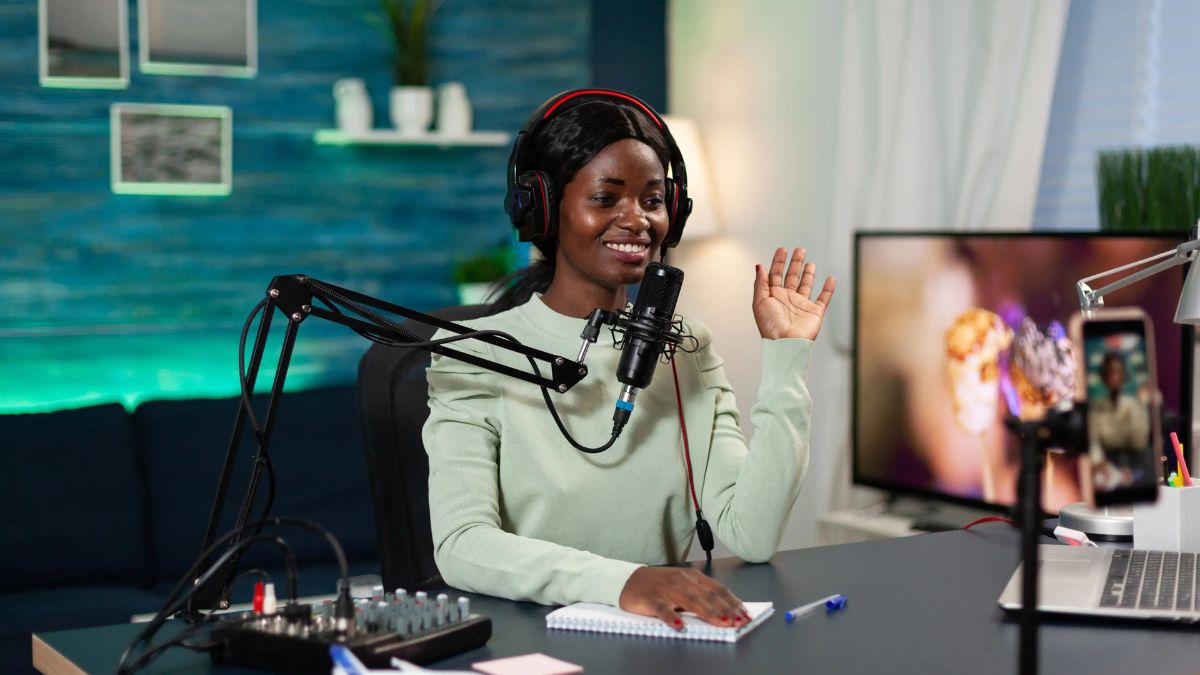
- Share your own experience, results, and opinions.
- Show real demos and screens, not only stock footage.
- Be balanced in reviews: pros, cons, and who it’s for.
- Credit sources and avoid copying other creators.
- If you use AI for scripts or editing, add your voice and verify facts. Don’t use automated narration over recycled clips.
Step 4: Optimize for Discovery
- Titles: clear, natural language that matches how people search.
- Thumbnails: simple, high-contrast, with a few readable words.
- Descriptions: a summary in the first lines, plus links.
- Chapters and captions.
- Playlists that guide viewers to the next relevant video.
Check YouTube Analytics for impressions, click-through rate, average view duration, and where viewers drop off.

Step 5: Understand Monetization
- YouTube Partner Program: eligibility is based on subscriber and watch time or Shorts view thresholds, with some lower tiers for earlier features. Requirements change, so check YouTube’s official page.
- Affiliate links: disclose clearly and use shopping tools where available.
- Brand deals: pitch relevant brands, and price usage rights separately.
- Your own products: guides, templates, courses, and services.
- Memberships and fan funding, when eligible.
Diversify early. Ad income can fluctuate.
Step 6: Use Shorts Wisely
- Make Shorts that are original, not reposts.
- Pull highlights from your long videos, adding a clear hook.
- Avoid repetitive templates that only swap footage.
- Credit original creators when you react to or build on others’ work.
Step 7: Protect Your Channel and Identity
- Use two-factor authentication and secure your accounts.
- Use likeness detection if you’re eligible.
- Label synthetic content as required.
- Respect copyright in music, clips, and images.
- Disclose sponsorships, affiliate links, and gifts.
- Verify products before promotion, especially health and beauty items.
Mistakes to Avoid
- Posting reposted or templated content.
- Chasing clickbait you can’t deliver.
- Skipping chapters and clear titles.
- Depending only on ad revenue.
- Ignoring disclosure rules.
- Quitting after a few videos.
- Not building an email list.
Your 30-Day YouTube Plan
- Week 1: Choose your niche and collect 20 audience questions.
- Week 2: Publish two helpful videos with clear titles, chapters, and thumbnails.
- Week 3: Publish two more plus three original Shorts that point to them.
- Week 4: Review analytics, reply to comments, and plan your next 10 videos.
Build Your YouTube Career on a Roadmap
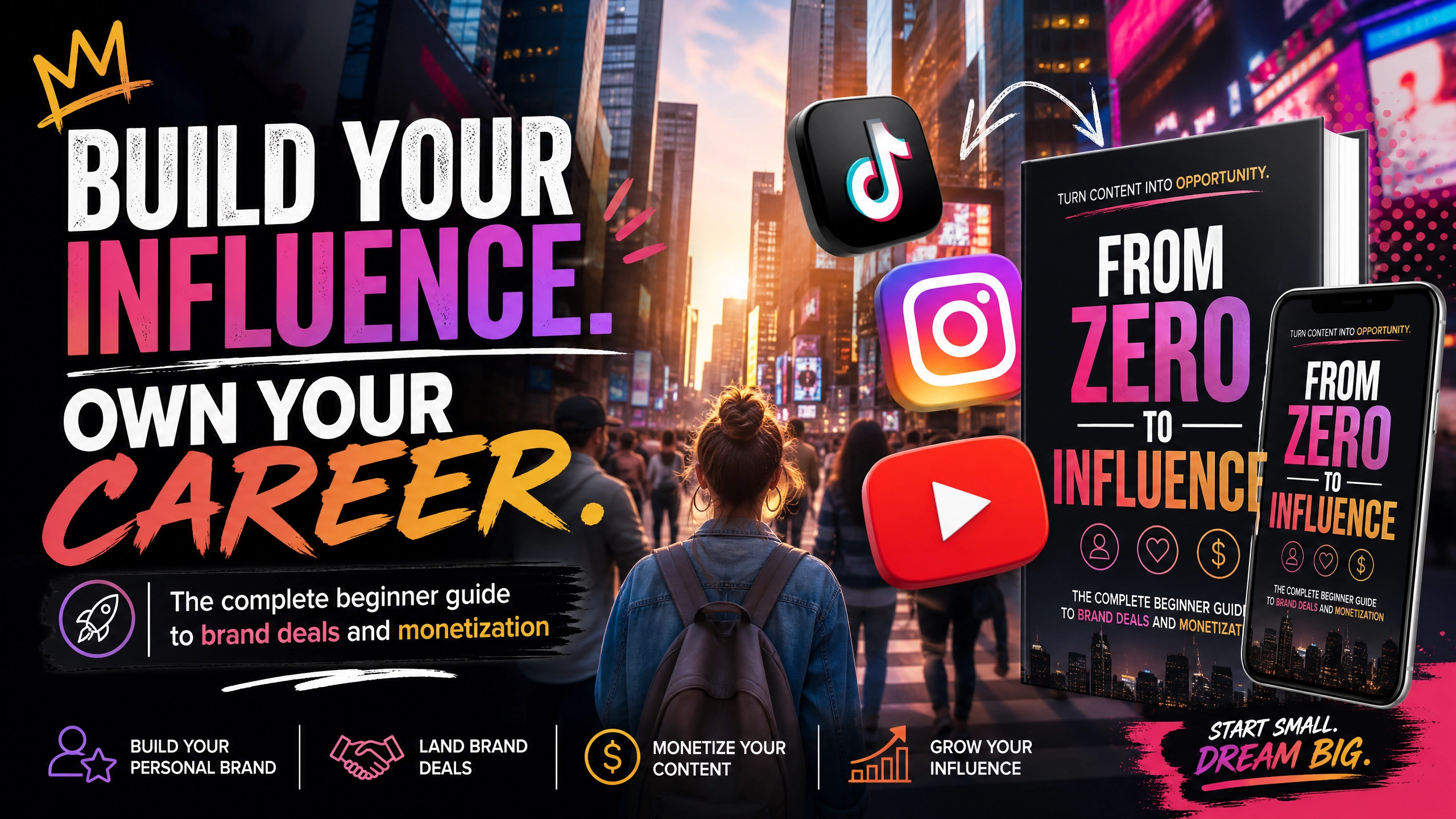
If you’d like a step-by-step guide to building a KOL or influencer career, take a look at my ebook:
The Complete Beginner’s Guide to Building a KOL/Influencer Career
Trust me, YouTube rewards patience more than any other platform.
Final Thoughts
YouTube is a long game, and the rules increasingly favor original, helpful, honest creators. Answer real questions, show your expertise, diversify your income, and protect your identity. Your next video might be found years from now by someone who needed exactly that answer.









Leave a Reply