


“You should be a coach!” is one of the most common things people say to a mom who gives good advice. And it can be true: you might be great at helping other parents get organized, build routines, manage budgets, or return to work. But there’s a big difference between being helpful and running a coaching business that’s honest, safe, and sustainable.
Coaching is one of the most crowded corners of online business, and one of the most scrutinized. Platforms and regulators pay close attention to unrealistic income claims and health promises. Audiences are also wary: surveys of online shoppers and creators show people want honest, specific help from real people, and creators who can show proof and clear boundaries earn more trust. At the same time, the tools are friendlier than ever: video calls, simple booking pages, and email lists let one person run a small coaching practice from home.
In this guide, I’ll explain how to start an online coaching business as a mom: how to choose a niche, define your scope, set boundaries (especially around health, money, and legal topics), market honestly, and price and deliver your services. (Income varies widely, and no one can guarantee client results or earnings.)
What Coaching Is (and Isn’t)
Coaching helps people set goals, build skills, stay accountable, and take action. It generally isn’t:
- Therapy or mental health treatment
- Medical advice or nutrition prescriptions (unless you hold the right qualifications and follow the rules for your location)
- Legal, tax, or investment advice
- A guarantee of results
Be very clear about this in your marketing and agreements. If a client needs professional help, refer them to a qualified professional.

Good Coaching Niches for Moms
Pick a topic where you have genuine experience and results:
- Organization and routines for busy families
- Returning to work after a career break
- Budgeting and money habits (education, not personalized financial advice)
- Meal planning and household systems
- Productivity for work-from-home parents
- Homeschooling planning
- Career transitions and job search confidence
- Starting an online side business
A narrow niche helps people recognize themselves in your offer.
Step 1: Define Your Promise and Your Limits
Write two sentences:
“I help [specific people] [achieve a specific, realistic outcome] through [your method].”
“I don’t provide [therapy, medical, legal, or financial advice], and I refer clients to qualified professionals when needed.”
Realistic outcomes are things like “build a weekly planning routine,” not “change your life in 30 days” or “double your income.”
Step 2: Build a Simple Method
People hire coaches for structure. Design a clear process:
- Assess: where is the client now?
- Set goals: specific and measurable.
- Plan: small steps and timelines.
- Act: weekly tasks.
- Review: what worked and what to adjust.
Create simple tools: intake form, goal worksheet, weekly check-in template, and session notes.

Step 3: Choose Your Format
- One-on-one coaching: private calls and messaging support
- Small group coaching: shared sessions and community
- Short programs: a defined set of sessions over four to twelve weeks
- Workshops: one-time paid classes
- Hybrid: a self-paced mini course plus live Q&A
Start with a short, clearly defined program so you can learn what works.
Step 4: Set Prices and Policies
- Research what coaches in your niche charge, and price based on the result, time, and your support level.
- Offer packages rather than single sessions, since results come from consistency.
- Set policies: payment terms, cancellations, rescheduling, confidentiality, and response times.
- Include a clear refund policy.
- Avoid pressure tactics.
Step 5: Use a Coaching Agreement
Even a simple agreement should cover:
- What you provide and what you don’t
- Session length, number, and schedule
- Payment and refunds
- Confidentiality
- Client responsibilities
- No guarantees of results
- Referral to professionals when needed
- Whether you use AI tools in your work, and how client information is protected
Consider having a professional review your template.
Step 6: Market Honestly
- Share what you actually know: helpful posts, short videos, and email tips.
- Show real proof: testimonials with permission, case studies with anonymized details, and your own experience.
- Don’t promise income or health outcomes. Be careful with before-and-after claims.
- Disclose material connections if you promote partner products or affiliate links.
- Be careful with fake urgency or scarcity.
- Build an email list, since platforms can limit link reach and change rules.
Some platforms limit link posts for free business accounts, so use bio links, comments, stories, and email wisely.

Step 7: Use AI and Tools Carefully
- Use AI for planning: drafting worksheets, session outlines, and follow-up emails, then adapting them to the client.
- Don’t paste sensitive client information into tools you haven’t vetted.
- Be transparent about tools you use.
- Keep your voice and judgment at the center of the relationship.
Step 8: Protect Your Boundaries and Wellbeing
- Set working hours and communication boundaries.
- Limit client load to what you can handle well.
- Don’t act as a therapist. If a client discusses crisis, self-harm, or abuse, encourage them to contact appropriate emergency or professional resources.
- Take care of your own support: peer groups or supervision.
- Keep notes secure and private.
Step 9: Handle Business Basics
- Taxes: in the U.S., net self-employment earnings of $400 or more trigger self-employment tax. Keep records and set money aside.
- Insurance and legal structure: ask a professional what suits your situation.
- Credentials: consider training or certification if it helps you learn, but be cautious about expensive programs that promise guaranteed clients.
- Refund and complaint handling: respond fairly and promptly.

Mistakes to Avoid
- Promising specific results.
- Giving health, legal, or financial advice you’re not qualified to give.
- Working without an agreement.
- Using unrealistic or misleading testimonials.
- Overbooking and burning out.
- Paying for programs that guarantee clients.
- Ignoring client privacy.
Your 30-Day Launch Plan
- Week 1: Choose your niche, promise, and limits.
- Week 2: Build your method, intake form, and agreement.
- Week 3: Create a simple page and send 10 personal invitations to people who may benefit.
- Week 4: Offer a pilot program to two or three clients, collect feedback, and refine.

Build Your Online Income on a Roadmap
If you’d like a beginner-friendly roadmap for making money online as a stay-at-home mom, take a look at my ebook:
The Stay-At-Home Mom’s Guide To Making Money Online
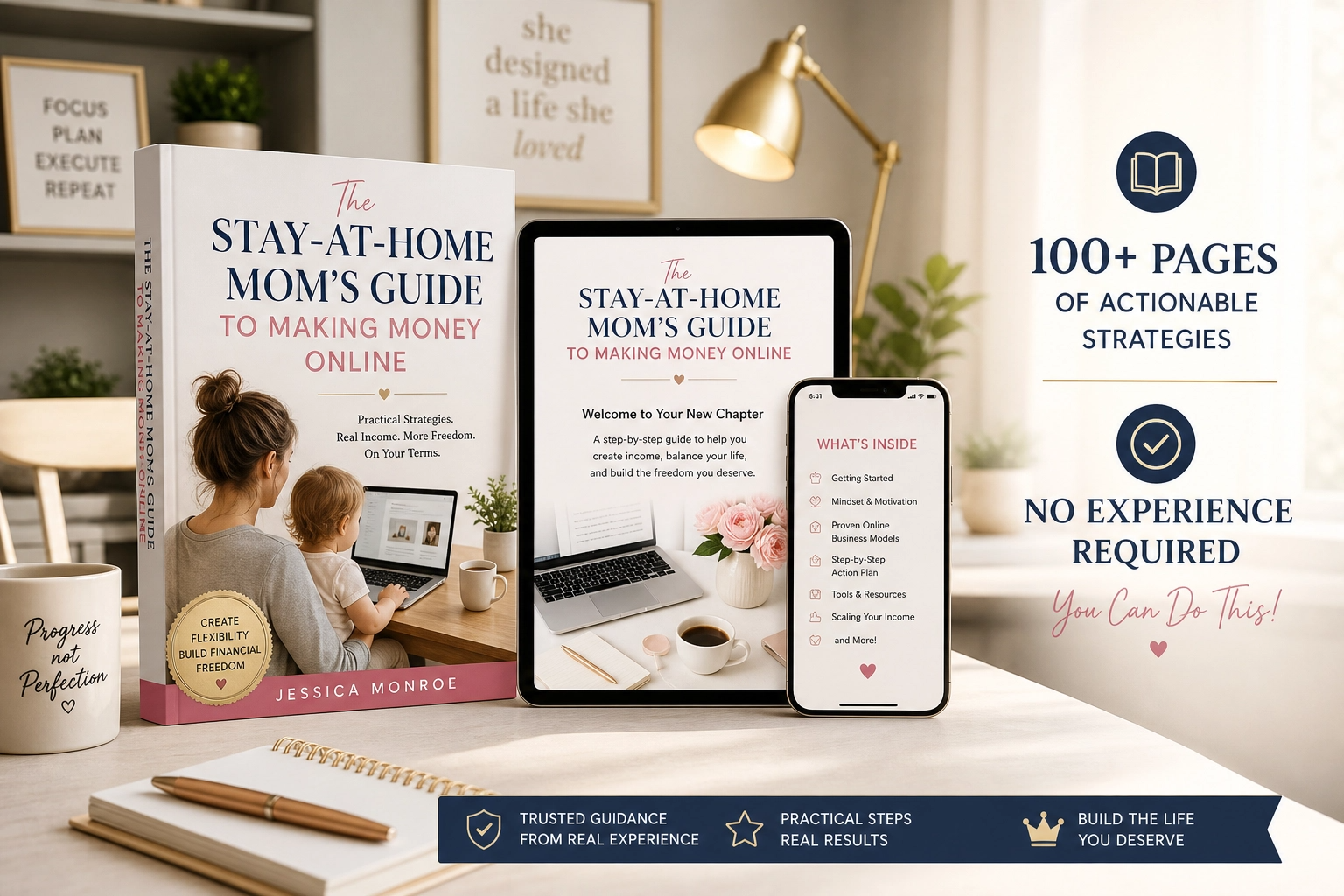
Trust me, a coach who knows her limits is one clients can trust.
Final Thoughts
A coaching business can be rewarding when it’s built on real experience, clear boundaries, honest marketing, and fair agreements. Choose a niche, define your scope, protect your clients and yourself, and let results and reputation grow slowly.










Leave a Reply