


The first time a client asked, “What’s your rate?” I froze, blurted out a number that felt safe, and immediately regretted it. It was far too low. For months, I worked long hours, resented the pay, and wondered why freelancing felt so draining. Then a mentor asked me one question: “Do you charge based on what the work is worth or on what you’re afraid they’ll say?” I realized I’d been doing the second one.
If you want to price freelance services with confidence, you’re tackling one of the most important parts of running a business. The right price protects your time, attracts better clients, and makes your work sustainable.
In this guide, I’ll walk you through pricing models, simple formulas, how to research the market, and how to raise your rates without losing clients or sleep.
Why Pricing Matters More Than You Think
- It signals value. Very low prices can make clients doubt your quality.
- It determines your income, not just how many hours you work.
- It shapes your clients. Fair prices attract respectful clients, while rock-bottom prices often attract the opposite.
- It prevents burnout. Underpricing forces you to take more work than you can handle.
The honest part: Pricing involves experimentation. You may adjust several times as you learn. That’s normal.
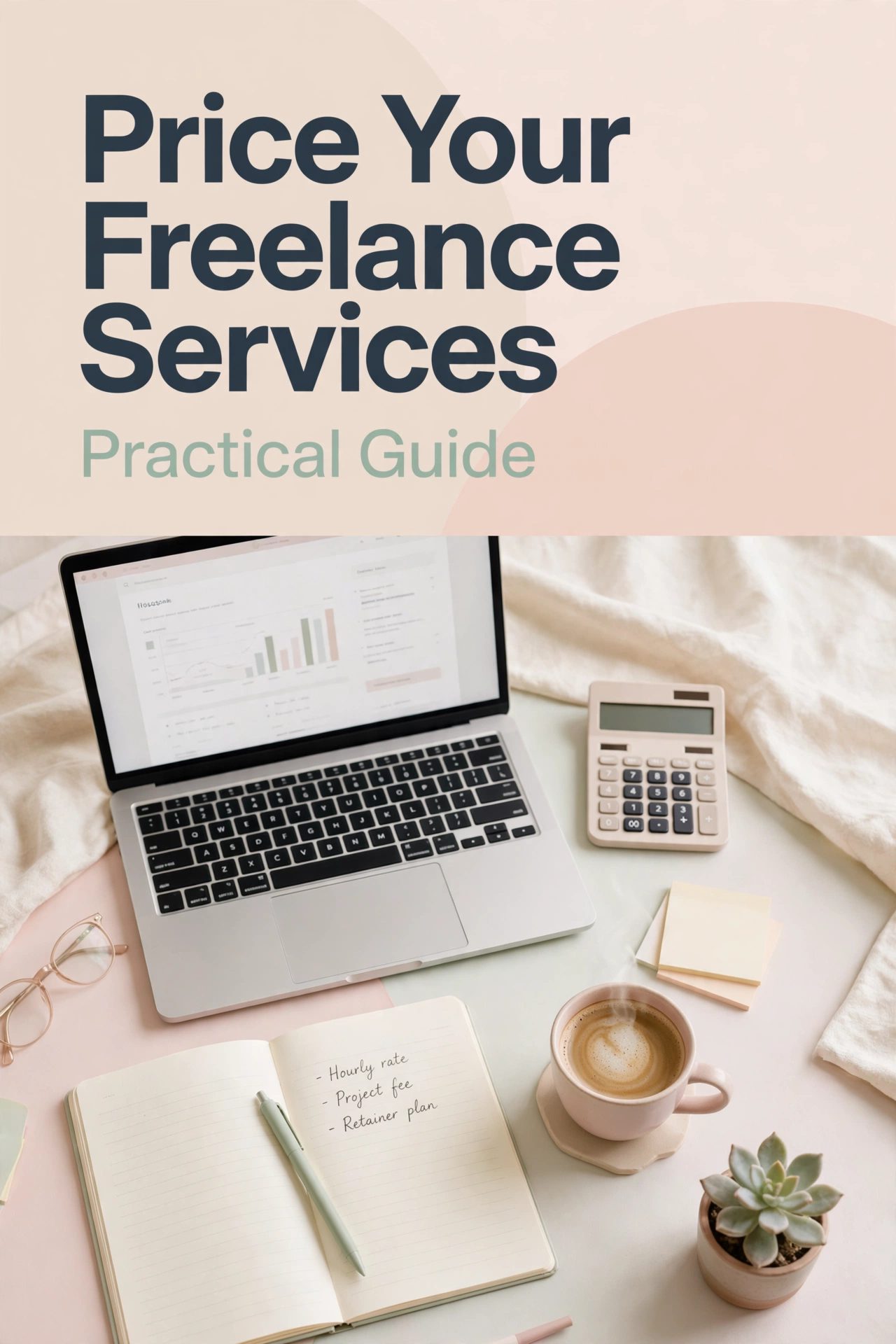
Step 1: Know Your Numbers
Start with what you need to earn.
Calculate Your Target Income
- List monthly personal expenses: housing, food, insurance, debts, savings, and fun.
- Add business costs: software, equipment, marketing, and professional fees.
- Add taxes and a buffer. Many freelancers set aside a significant percentage for taxes, and the right amount depends on your location. Consult a qualified professional.
- Add a profit margin for growth and rest.
- Convert to an annual target.
Estimate Billable Hours
You won’t bill every working hour, because you also handle marketing, admin, and learning. Many freelancers bill only 50 to 70 percent of their working time. If you work 30 hours weekly and bill 18, your billable time is 18 hours.
Find Your Minimum Hourly Rate
Target income ÷ billable hours per year = minimum hourly rate.
For example, if you need $48,000 per year and bill 900 hours, your minimum is about $53 per hour. This isn’t necessarily what you’ll charge, but it shows the lowest sustainable number.

Step 2: Research the Market
- Look at what peers charge for similar services in your niche and region.
- Check freelance platforms and rate surveys from industry groups.
- Talk to other freelancers in communities, where people are often willing to share ranges.
- Consider your experience, results, and specialization.
Use the middle of the market as a reference, not the cheapest option. You aren’t competing on price alone.
Step 3: Choose a Pricing Model
Hourly Pricing
You charge for time.
Pros: Simple and fair for unpredictable work.
Cons: Rewards slowness, punishes efficiency, and caps your income.
Project-Based Pricing
You charge a fixed fee for a defined project.
Pros: Clients know the cost, and you benefit from efficiency.
Cons: Scope creep can hurt if you don’t define the project clearly.
Retainer Pricing
Clients pay a monthly fee for ongoing work or availability.
Pros: Predictable income and deeper client relationships.
Cons: Requires clear boundaries on what’s included.
Value-Based Pricing
You price based on the value your work creates for the client.
Pros: Can lead to much higher income.
Cons: Requires understanding the client’s goals and results, and confidence.
Pro tip: Many freelancers begin with hourly, move to project pricing, and then shift to retainers or value-based pricing as they gain confidence.

Step 4: Build Your Price
Use this simple method for project pricing:
- Estimate hours the project will take, including meetings, revisions, and admin.
- Add a buffer of 15 to 25 percent for surprises.
- Multiply by your target hourly rate.
- Adjust for value, rush timelines, or specialized skills.
- Define scope clearly: deliverables, revisions, and timeline.
For example, if a project is estimated at 10 hours, plus a 20 percent buffer, you have 12 hours. At $60 per hour, the price is $720. If the work produces significant value for the client, you might price higher.
AI tools can help you estimate tasks, draft proposals, and outline scopes. Always review the numbers yourself. The Claude Advantage shows how to prompt effectively for planning and proposals.
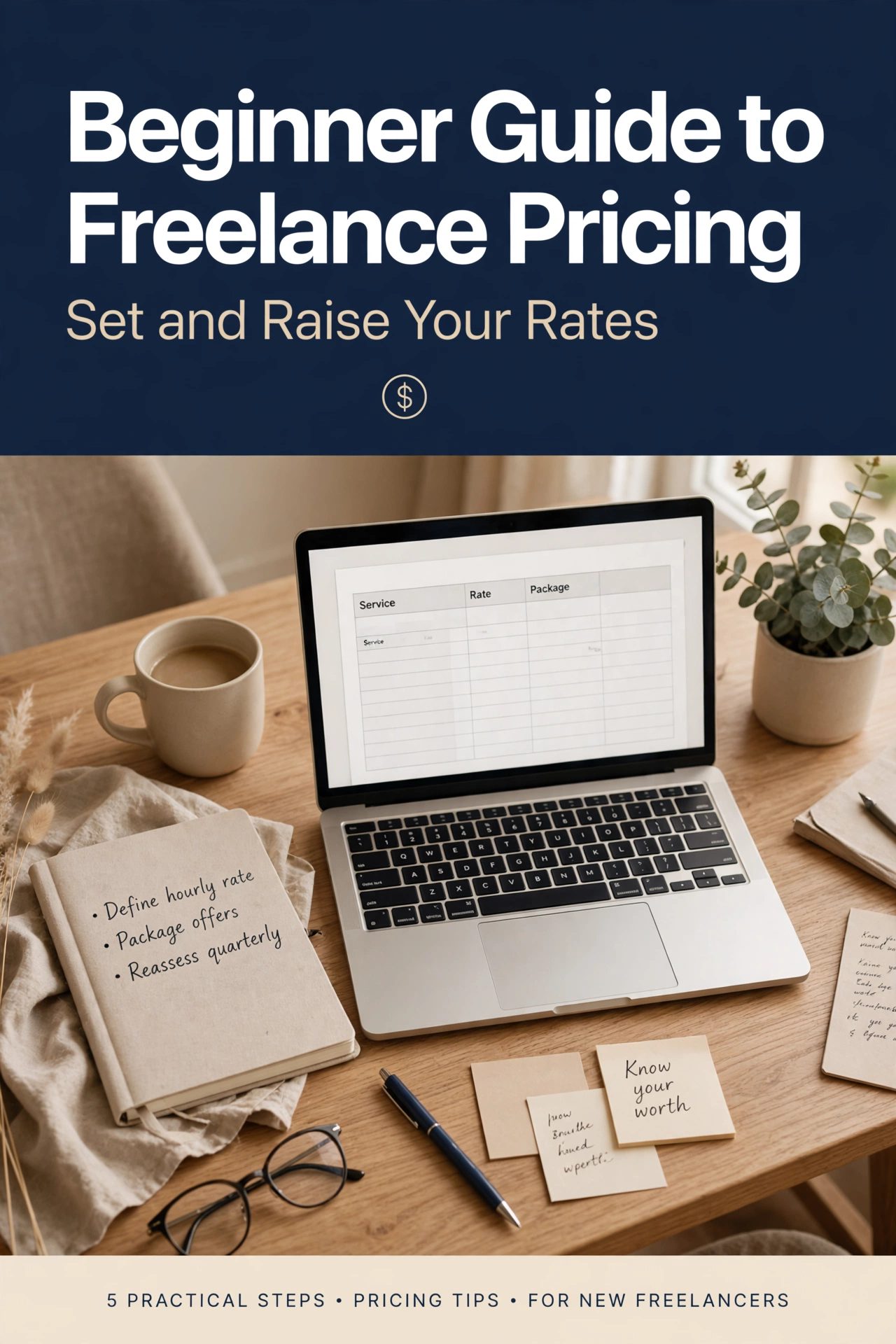
Step 5: Present Your Price Confidently
How you share your price matters.
- Lead with value, then the price.
- Offer packages: a basic, standard, and premium option, so clients choose rather than negotiate.
- State the price clearly, without apologizing.
- Explain what’s included and what’s not.
- Require a deposit for new projects.
- Put everything in writing with a contract or proposal.
Avoid phrases like “I know it’s expensive, but…” Confidence is communicated through calm, clear language. The Personal Brand Blueprint can help you build the professional presence that supports higher rates.
Step 6: Handle Price Objections
When a client says, “That’s more than I expected,” respond calmly.
- Ask questions. “What budget did you have in mind?”
- Reconnect to value. “Here’s what this will help you achieve.”
- Offer options. Reduce scope instead of dropping the price.
- Be willing to walk away if the client isn’t a fit.
Discounts should come with trade-offs, such as fewer deliverables, longer timelines, or prepayment.

Step 7: Know When to Raise Your Rates
Signs it’s time:
- You’re booked solid or have a waiting list.
- Clients accept your price without hesitation.
- Your skills and results have improved.
- You’ve gained testimonials and case studies.
- Your costs have increased.
- You feel resentful about your rates.
Many freelancers review their rates every six to twelve months.
Step 8: Raise Rates Without Losing Clients
For New Clients
Simply quote the new rate. You don’t owe anyone an explanation for increasing your prices.
For Existing Clients
- Give notice, typically 30 to 60 days.
- Be brief and appreciative.
- Explain the value you’ve delivered and your growth.
- State the new rate and effective date.
- Offer options, such as locking in the current rate with a longer commitment.
Sample Message
“Hi [Name], thank you for working with me. Over the past year, I’ve [mention results or growth]. Starting [date], my rate for [service] will be [new rate]. I’d love to continue working together and am happy to discuss options if helpful.”
Some clients may leave, and that’s okay. Usually, most stay, and the ones who leave make room for better-fit clients.
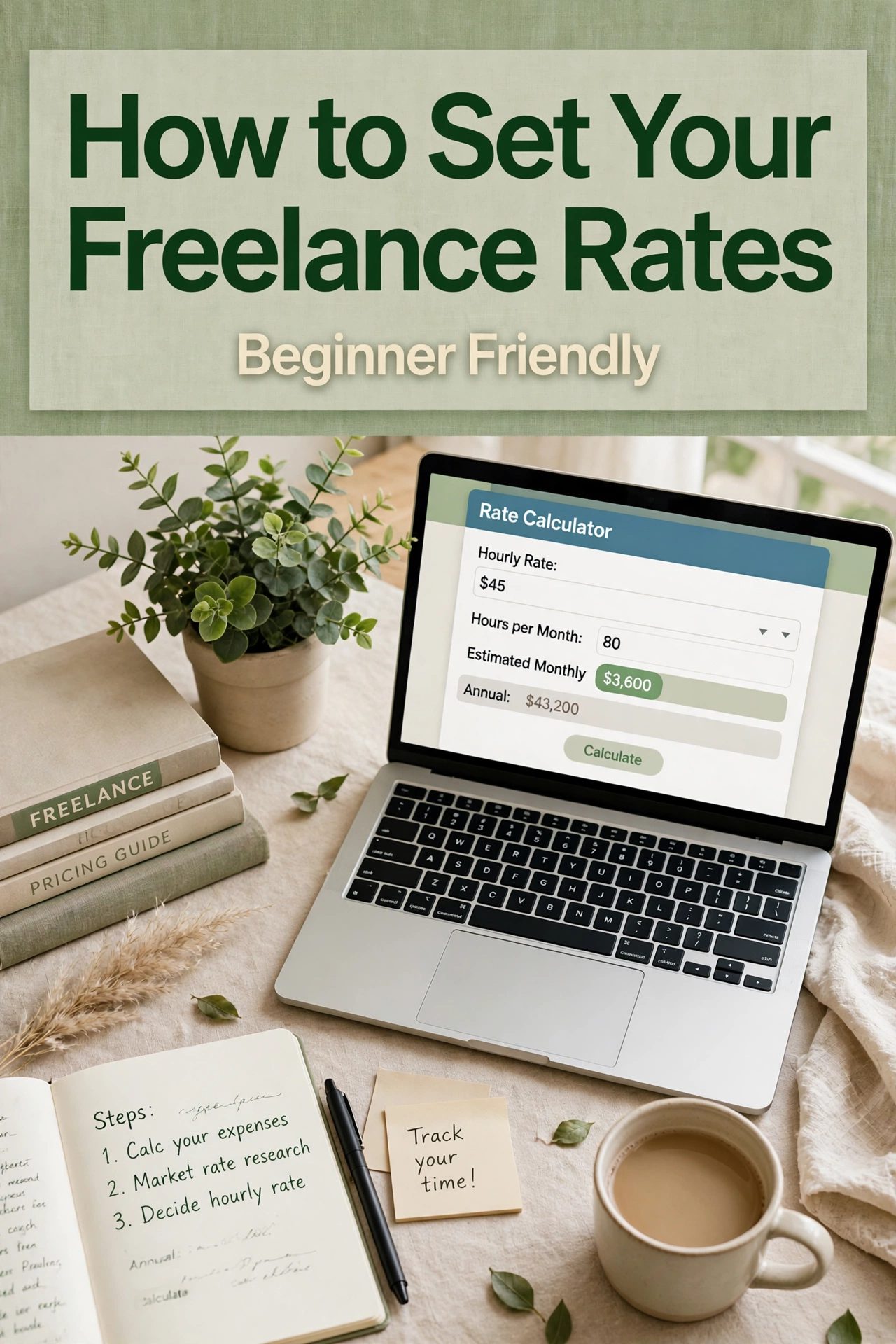
Step 9: Build Systems That Support Higher Prices
- Raise service quality with clear processes.
- Document results in case studies.
- Specialize in a niche.
- Create packages and productized services.
- Improve communication and professionalism.
For marketing that supports premium positioning, The Digital Marketing Playbook explains how to attract clients who value your work, and The AI-Powered Solopreneur shows how to streamline operations so you can serve clients well.
A Sample 90-Day Pricing Plan
- Month 1: Calculate your target income, research the market, and set new base rates.
- Month 2: Create three packages and update your proposals and website.
- Month 3: Raise rates for new clients, and send notice to existing clients where appropriate.
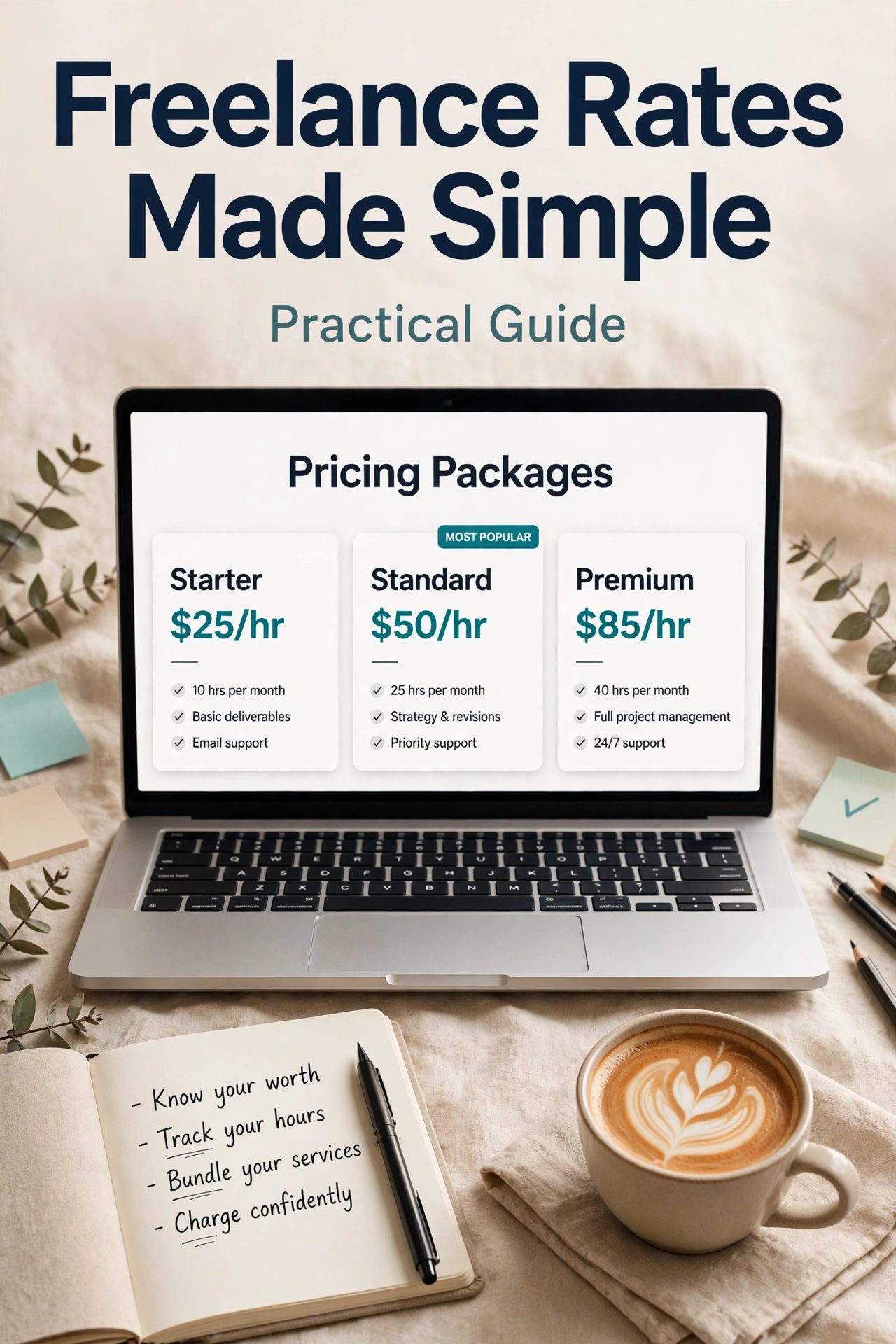
Money Basics
- Track income and expenses every month.
- Set aside money for taxes. Consult a qualified professional.
- Build an emergency fund of several months’ expenses.
- Invest in skills that increase your value.
The Smart Mom’s Complete Guide to Money offers friendly guidance for managing income. And if you’re a mom building flexible work, The Stay-At-Home Mom’s Guide to Making Money Online offers ideas for growth.
Mistakes to Avoid
- Pricing from fear.
- Charging only for visible hours.
- Skipping scope definitions.
- Giving unlimited revisions.
- Discounting without trade-offs.
- Waiting too long to raise rates.

Quick Answers About Freelance Pricing
How much should I charge as a beginner? It depends on your skill, niche, and region. Research the market and avoid the very bottom of the range.
Should I publish my prices? It depends. Published prices can pre-qualify clients, while custom quotes allow flexibility.
How often should I raise rates? Many freelancers review every six to twelve months.
What if clients push back? Stay calm, focus on value, offer options, and be willing to walk away.

Charge What Sustains You
Learning to price freelance services is about knowing your numbers, understanding your value, and communicating with confidence. Start with a fair baseline, choose the right model, and raise your rates as you grow.
This week, calculate your minimum hourly rate and review your current prices. Trust me, the day you quote a fair price without flinching, you’ll feel a new kind of confidence. You’ve got this!










Leave a Reply