

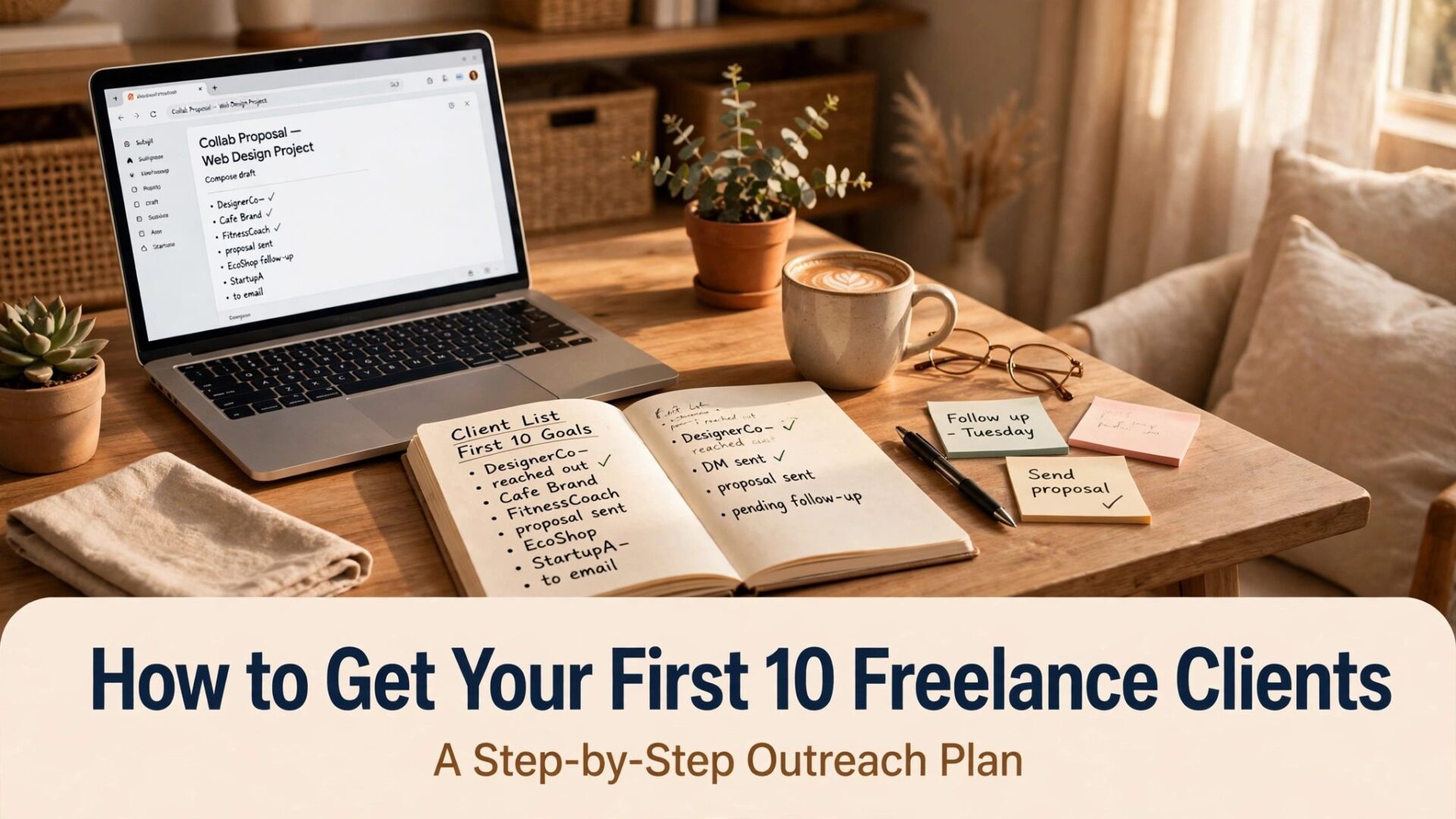
When I started freelancing, I believed good work would speak for itself. I built a pretty website, posted on social media, and waited for clients to find me. Three weeks later, I had two inquiries, both from relatives. That was my wake-up call. Clients don’t magically appear. You have to go and talk to them.
If you want to land your first 10 freelance clients, the good news is that it’s a numbers-and-skills game, and both can be learned. With a clear offer, a focused list, and consistent outreach, most beginners can book their first few clients within weeks.
In this guide, I’ll walk you through building your offer, finding prospects, writing messages that get replies, following up, and closing deals, step by step.
Why Most Beginners Struggle to Get Clients
- Vague offers. “I do writing and design” doesn’t help anyone decide.
- Too little outreach. Sending five messages and quitting.
- Waiting to feel ready.
- Fear of rejection.
- No follow-up. Most deals happen after the second or third touch.
The honest part: You’ll hear “no” or get ignored often. That’s normal. Treat each no as data, not as a verdict on your worth.
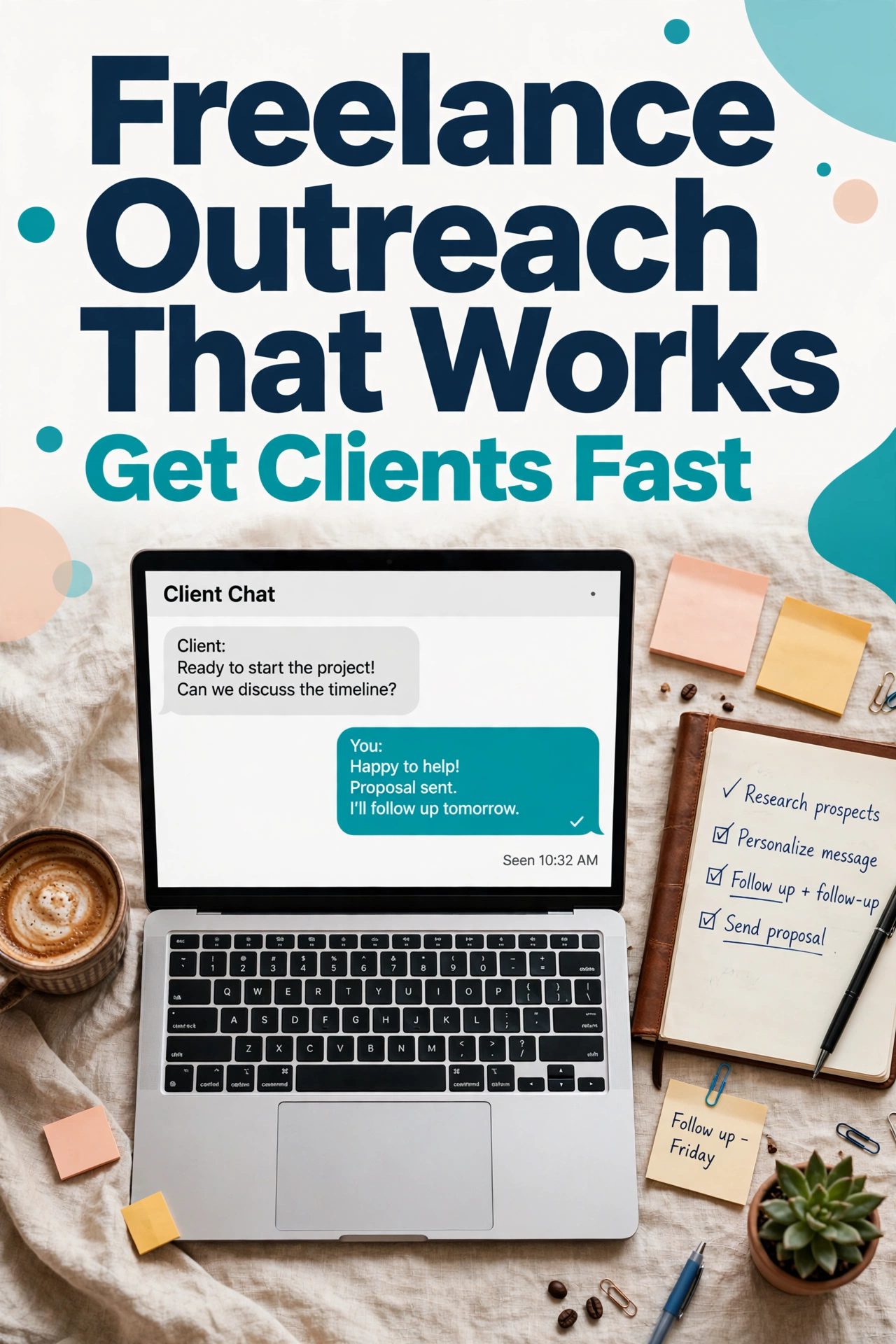
Step 1: Create a Clear, Specific Offer
Write one sentence:
“I help [specific audience] get [specific result] with [your service].”
Examples:
- “I help local yoga studios stay visible on Instagram with weekly content.”
- “I help coaches turn blog posts into email newsletters.”
- “I help online shops write product descriptions that convert.”
Make It Easy to Buy
- Create one to three simple packages with clear deliverables and prices.
- Set a timeline for delivery.
- Include a small starter option for hesitant clients.
AI can help you refine your offer wording and package descriptions. The Claude Advantage shows how to prompt effectively for positioning, outreach drafts, and planning.
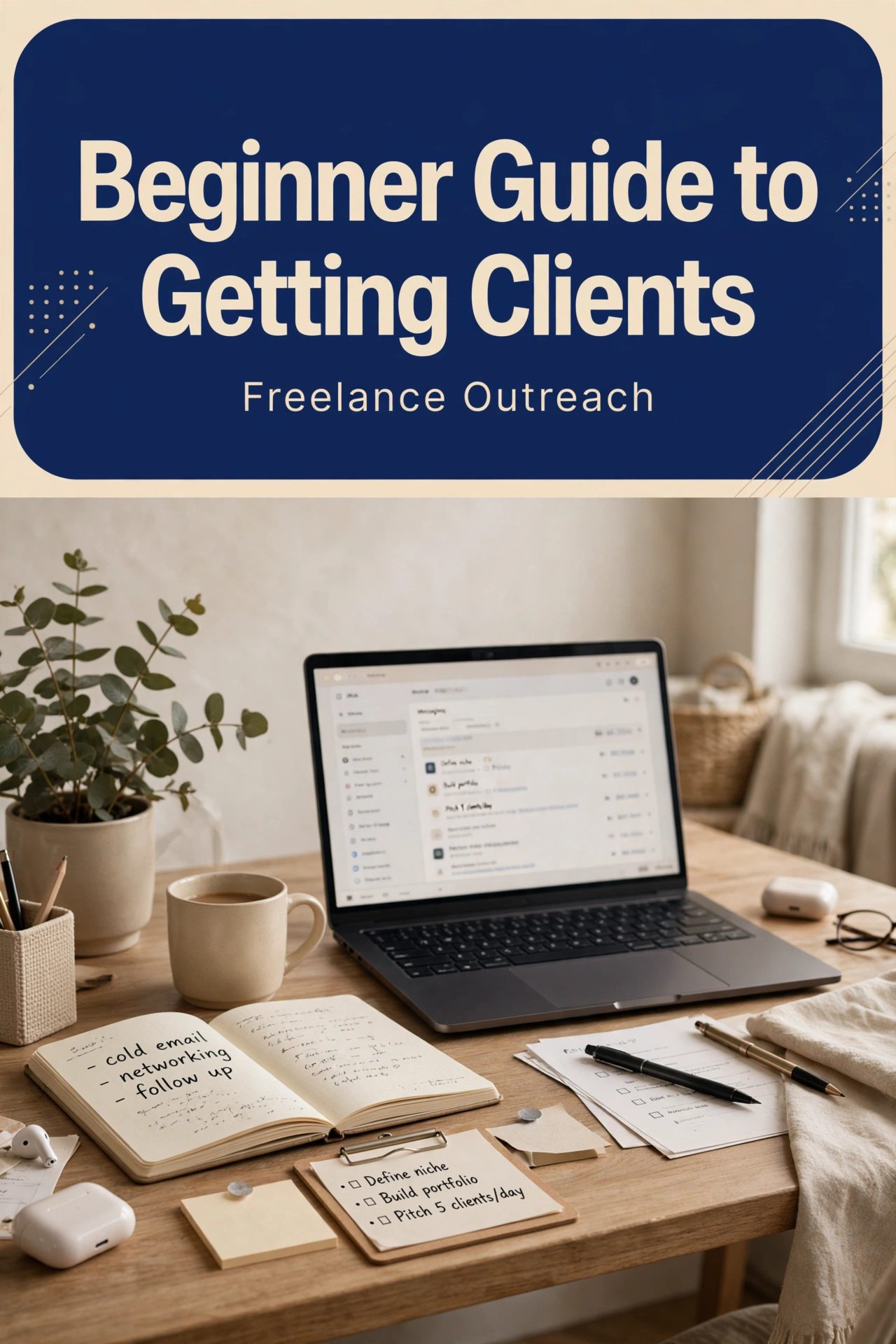
Step 2: Prepare Basic Proof
Clients want reassurance.
- Create two or three samples relevant to your niche.
- Offer one or two pilot projects at a reduced rate for testimonials.
- Set up a simple portfolio with a website, PDF, or Notion page.
- Collect short testimonials after each project.
If you’re new, be honest about your experience while showing strong work and a clear process. The Personal Brand Blueprint can help you build a professional presence.
Step 3: Build a Prospect List
You need people to contact. Aim for 50 to 100 potential clients.
Where to Find Prospects
- Your network: Friends, family, past coworkers, and acquaintances with businesses.
- Local businesses: Shops, studios, and service providers.
- Social media: Accounts in your niche that look under-supported.
- Online communities: Groups where your ideal clients gather, following rules.
- Directories and LinkedIn: Search by industry and role.
- Competitors’ clients and similar businesses.
Track Everything
Use a simple spreadsheet with columns for name, business, contact details, notes, date contacted, response, and next step.
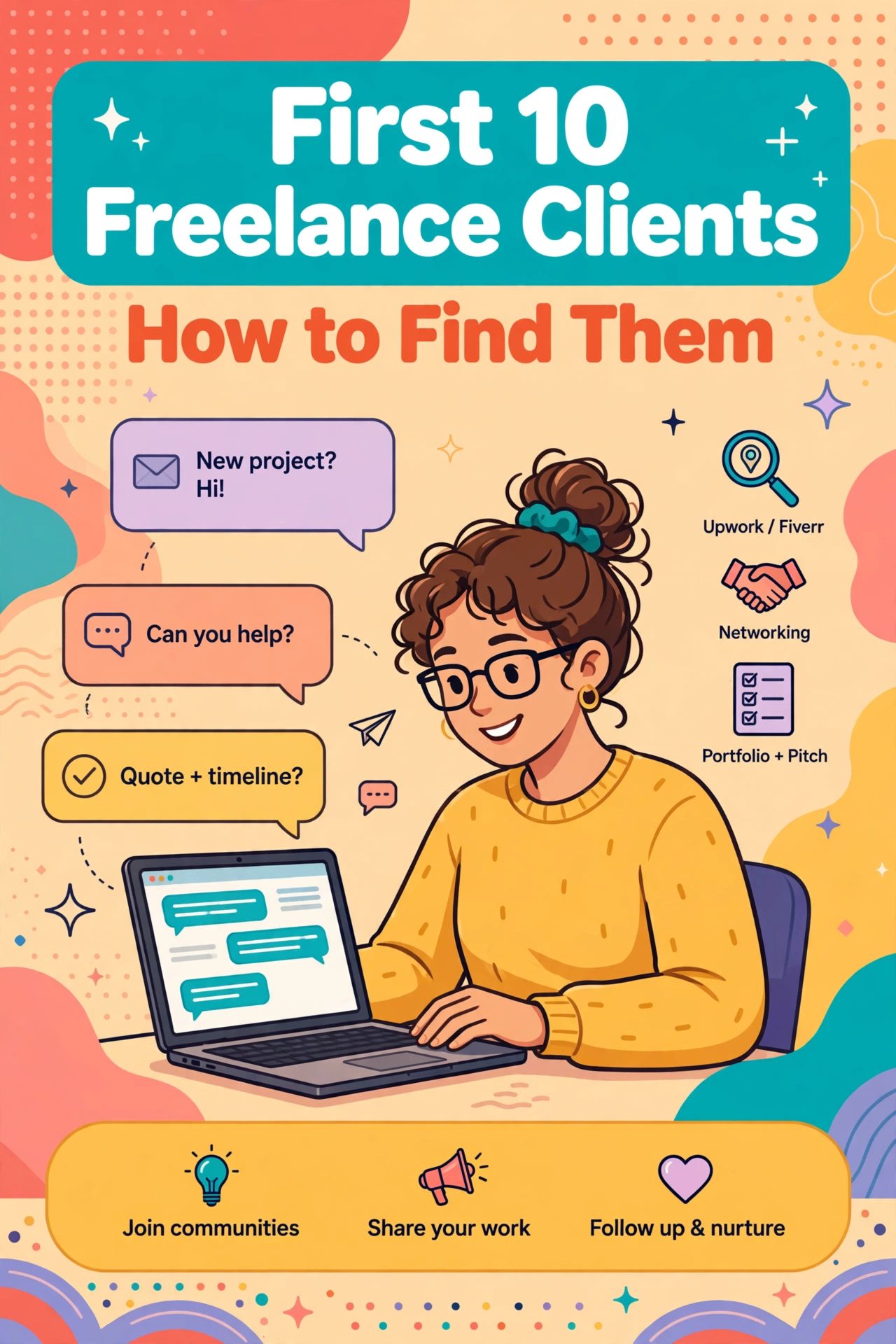
Step 4: Warm Outreach First
Start with people who already know you.
- Tell your network what you’re doing and who you help.
- Ask for introductions: “Do you know anyone who struggles with ______?”
- Share an update post on social media explaining your new service.
- Offer a pilot project to someone you trust.
Many freelancers book their first clients through warm connections.
A Simple Warm Message
“Hi [Name], I’ve started helping [type of business] with [service]. Do you know anyone who might benefit? I’d love an introduction, and I’m happy to return the favor.”
Step 5: Cold Outreach That Gets Replies
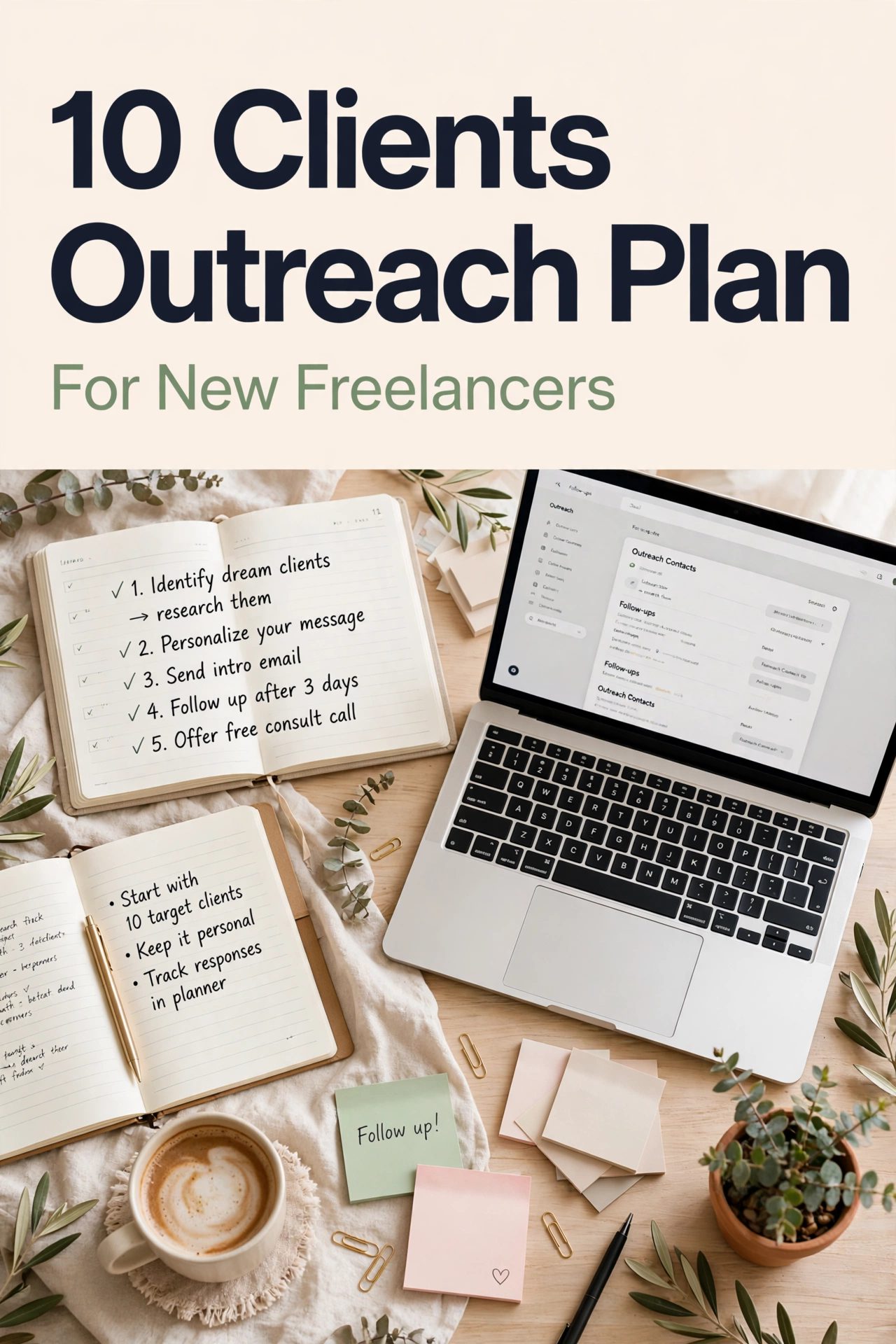
Cold outreach means contacting people who don’t know you. Done respectfully and personally, it works.
Principles
- Personalize. Mention something specific about their business.
- Be brief. Four to six sentences.
- Offer value. Point out a helpful idea or observation.
- Make it easy to reply. End with a simple question.
- Respect rules and privacy laws, and don’t spam.
A Cold Email Template
Subject: Quick idea for [Business Name]
Hi [Name],
I noticed [specific observation, such as “your recent product launch” or “your Instagram hasn’t posted in a month”]. I think a [specific idea] could help [result].
I’m a [role] who helps [audience] with [service]. Here’s an example of my work: [link].
Would you be open to a quick chat or a short outline of my idea?
Best, [Your name]
Other Channels
- LinkedIn messages: Keep them short and friendly.
- Instagram or social DMs: Start with genuine engagement, not a pitch.
- Community posts: Offer helpful advice and respond to requests.

Step 6: Follow Up Consistently
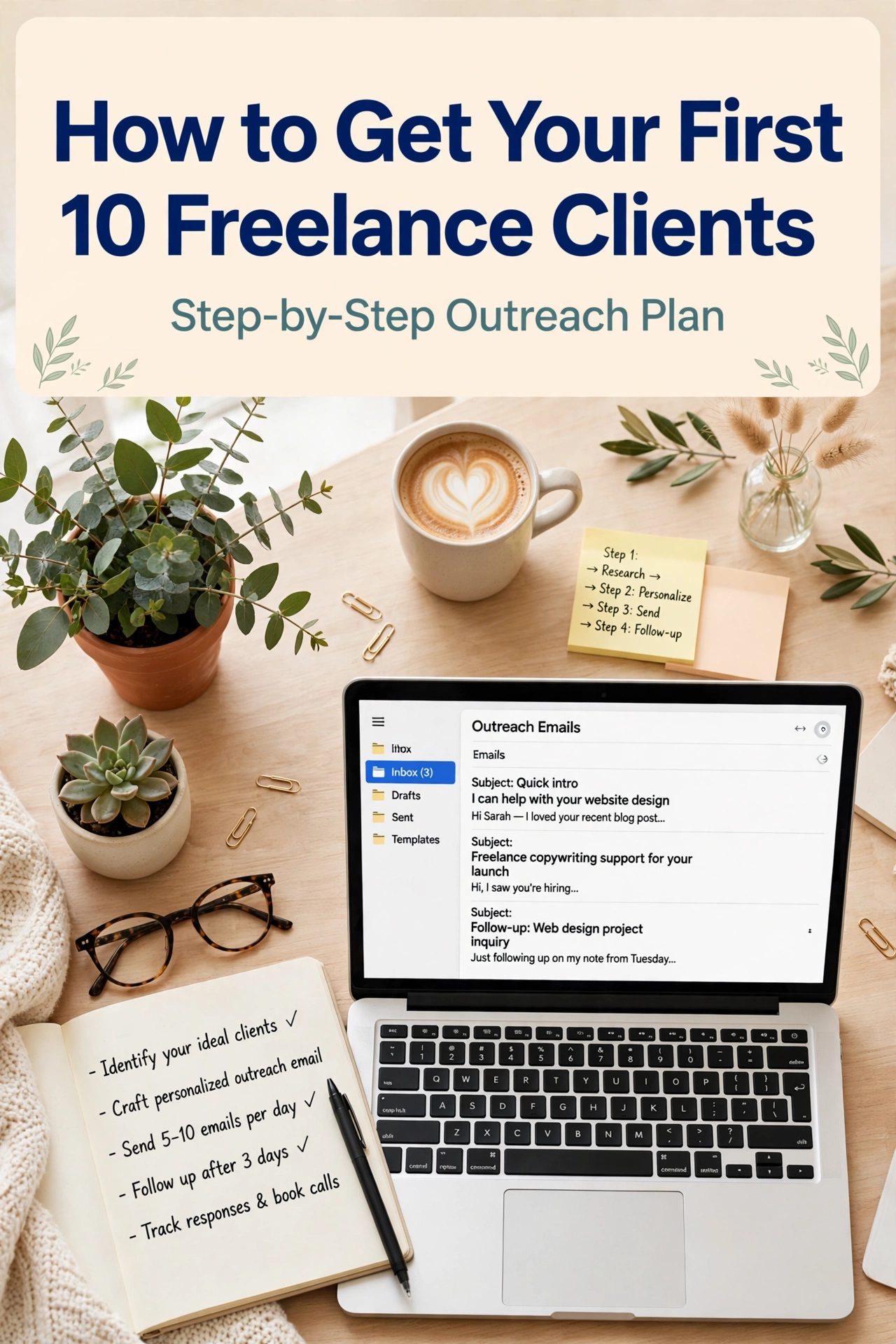
Most replies come after follow-ups.
- Follow up after 3 to 5 days, then again after a week or so.
- Add value, such as a quick tip or a relevant article.
- Keep it polite and short.
- Stop after three or four attempts unless they respond.
A Follow-Up Template
“Hi [Name], just following up on my note about [idea]. If it’s not a good time, no worries at all. Would it help if I sent a short sample?”
For beginner-friendly marketing strategies that bring leads to you, The Digital Marketing Playbook explains content, SEO, and email basics.
Step 7: Run Great Discovery Calls
When someone replies, a short call helps you understand their needs.
Simple Call Structure
- Build rapport with friendly small talk.
- Ask questions: goals, challenges, past experiences, timeline, and budget.
- Listen carefully.
- Explain how you can help in simple terms.
- Share your packages and prices.
- Agree on next steps.
Follow up within 24 hours with a short proposal.
Step 8: Send Clear Proposals and Close
- Summarize their goals in their own words.
- Outline your solution and deliverables.
- State the timeline and price.
- Include terms and payment details, such as a deposit.
- Make it easy to say yes with a simple signature or payment link.
Use a contract for every project to protect both sides.

Step 9: Turn Clients Into Referrals
- Deliver on time and over-deliver slightly.
- Ask for feedback and a testimonial.
- Ask for introductions to similar businesses.
- Offer a referral thank-you where appropriate.
- Stay in touch with past clients.
If you’re a mom building flexible income, The Stay-At-Home Mom’s Guide to Making Money Online offers more ideas to complement freelancing.
The Numbers Behind Your First 10 Clients
Let’s say about 1 in 4 conversations leads to a client, and about 1 in 5 outreach messages leads to a conversation. That means roughly 5 outreach messages to get one conversation, and 4 conversations for one client, or about 20 messages per client. To land 10 clients, you might need around 200 thoughtful messages and follow-ups. Your own numbers will differ, but the principle holds: consistent volume produces clients.
A 60-Day Outreach Plan
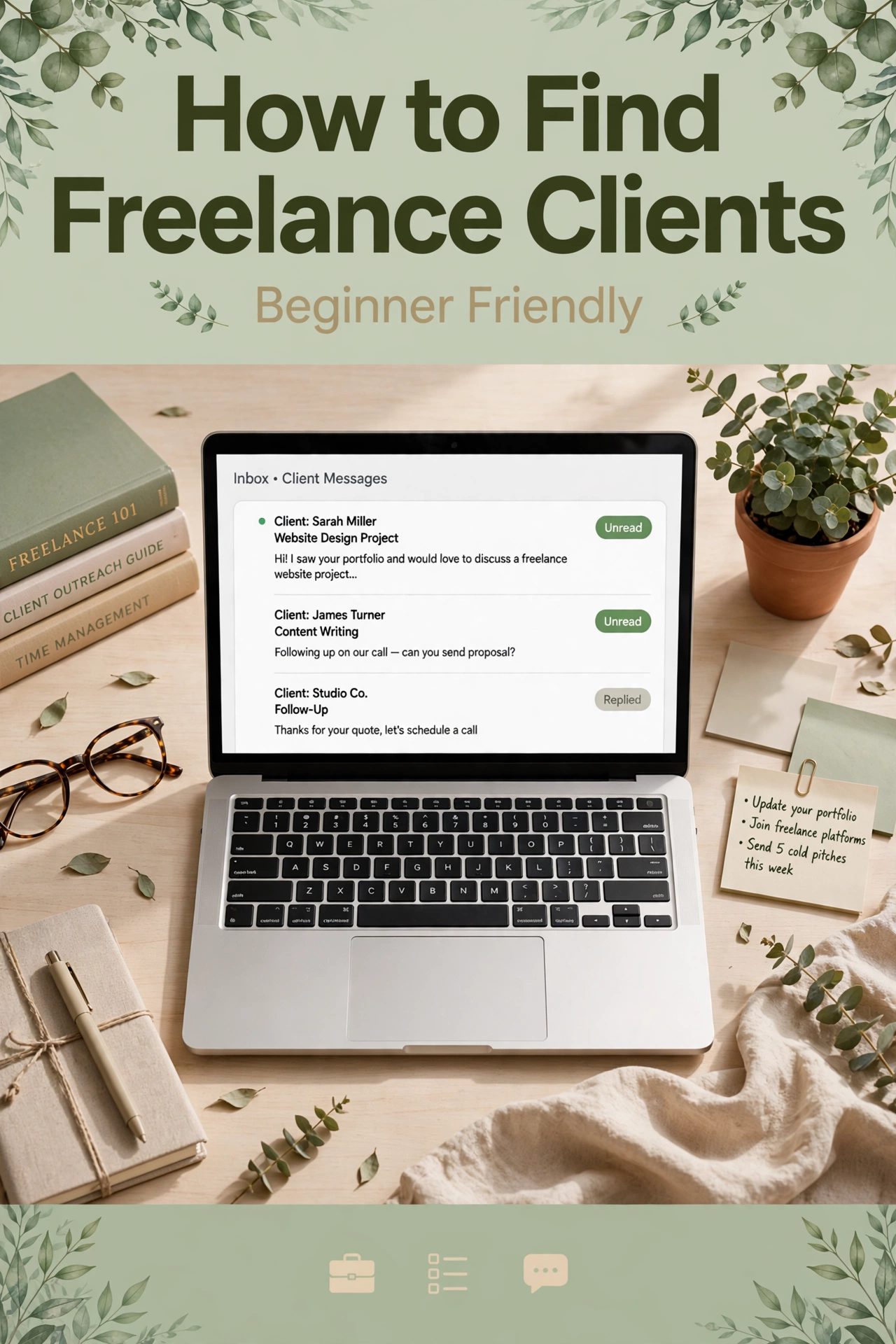
- Days 1–7: Create your offer, samples, and prospect list.
- Days 8–21: Do warm outreach and send five to ten personalized cold messages daily.
- Days 22–45: Follow up consistently, hold discovery calls, and send proposals.
- Days 46–60: Deliver projects, ask for testimonials, and request referrals.
Money Basics
- Use contracts and deposits.
- Track income and expenses.
- Set aside money for taxes. Consult a qualified professional.
The Smart Mom’s Complete Guide to Money offers friendly guidance for managing freelance income.
How to Stay Motivated Through Rejection
Rejection is the hardest part of outreach, so build habits that protect your confidence:
- Set activity goals, not result goals. “Send ten messages today” is something you control, while “land a client this week” isn’t.
- Keep a “wins” file with replies, compliments, and small victories.
- Review rejections for patterns, such as certain industries or subject lines that consistently get ignored.
- Take breaks after tough days, and return with a fresh mind.
- Find an accountability partner who also does outreach and share weekly numbers.
Remember that every no brings you closer to a yes. Most successful freelancers have a long history of unanswered emails behind them.
A Simple Weekly Outreach Tracker
Tracking keeps your outreach consistent. Create a sheet with weekly goals such as these:
- New personalized messages sent: 25
- Follow-ups sent: 15
- Conversations started: 5
- Discovery calls booked: 2
- Proposals sent: 1
- Clients signed: 1 every two to three weeks
Review your numbers every Friday. If messages are going out but conversations aren’t starting, adjust your targeting or opening line. If conversations happen but proposals stall, improve your discovery questions or clarify your pricing. The numbers tell you exactly where to improve next.

Mistakes to Avoid
- Waiting for clients to find you.
- Sending generic mass messages.
- Skipping follow-ups.
- Underpricing to get a yes.
- Working without a contract.
- Giving up after a few rejections.
Quick Answers About Getting Freelance Clients
How long does it take to get my first client? Many beginners land one within two to six weeks of consistent outreach, though it varies.
Is cold outreach effective? Yes, when it’s personalized, respectful, and paired with follow-up.
What if I get no replies? Review your offer, targeting, and message, then adjust and keep going.
Should I work for free? Avoid unpaid work, but a small discounted pilot with a testimonial can help early on.
Your Next Client Is a Message Away
Getting your first 10 freelance clients is about clarity, consistency, and courage. Build a simple offer, create a list, reach out personally, and follow up with kindness.
This week, write your offer and send ten personalized messages. Trust me, the first “Yes, let’s talk” will feel like a door opening. You’ve got this!










Leave a Reply