

The first time a small brand owner asked me whether she should hire an influencer, she showed me an Instagram account with half a million followers and said, “Do you think they’d work with us?” I asked what she could spend. She named a number that wouldn’t cover a single post from that account. Then I showed her a creator with 4,000 followers whose comments were full of real people asking where to buy. Two weeks later, that creator’s honest video had sold more of her product than anything she’d paid for.
That’s the shift happening across the creator economy. Brands are spending more, giving creators their own budget lines, and demanding proof. CreatorIQ’s large survey of brand and agency decision-makers found the average organization invests about $4.8 million in creator marketing, up roughly 33% year over year, with the share of creator budgets carved out of paid media falling from about 64% to 52%. About 48% reported 3x return or better, though many struggle to measure results. Newsletters report that performance-based pay now makes up about half of creator deals. And research shared this season found that around 60% of the product videos cited by AI recommendation tools came from creators, compared with about 10% from brands.
In this guide, I’ll explain how small brands can run influencer and creator partnerships: how to find the right creators, structure deals, protect yourself, and measure results.
What’s Changed in Creator Marketing
- Budgets are growing, and increasingly separate from ad budgets.
- Results are under scrutiny. Brands want measurable outcomes, not just impressions.
- Pay is shifting toward performance. Tools like ShopMy Spotlights find creator posts already driving affiliate sales and run them as Meta Partnership Ads and TikTok Spark Ads, paying creators commission instead of a one-time fee. (Launch case-study numbers came from the vendor, so treat them with caution.)
- Platforms are building marketplaces. Meta’s Creator Marketing Hub combines its creator marketplace and partnership ads, and Instagram live videos can now be used as ad inventory. LinkedIn is testing better creator discovery for B2B marketers.
- AI rules are evolving. Instagram now labels and limits reach for undisclosed AI-generated profiles, and TikTok Shop bans AI voices standing in for live presenters. Real creators have an advantage.
- Brands want partners, not ad space. Creators and marketers have been calling for partnerships built around shared ideas instead of follower counts.
Here’s the truth: small brands can compete by being clear, fair, and quick, not by outspending anyone.
Step 1: Define Your Goal and Budget
Choose one main goal:
- Sales: direct purchases, using trackable links or codes
- Leads: signups, bookings, or demo requests
- Content: authentic videos and photos you can reuse in ads and on your site
- Awareness: new audiences discovering you
Then set a test budget you can afford to lose. Plan on spending part of it on the creator and part on tracking, shipping product, and possibly paid amplification of the best content.
Step 2: Choose the Right Type of Creator
- Nano and micro-creators: smaller audiences, often higher trust and engagement, lower rates, and sometimes willing to work for product or commission.
- Mid-size creators: broader reach with more professional production.
- UGC creators: paid for content you run on your own channels, not for their audience.
- Affiliate creators: paid on commission when their audience buys.
- Experts and practitioners (especially for B2B): credibility often matters more than size.
For most small brands, a handful of micro-creators beats one big name.
Step 3: Find and Vet Creators
Where to look:
- Your own customers and followers. Fans who already love you are your best starting point.
- Creator marketplaces and platform tools.
- Hashtag, keyword, and search research on the platforms where your audience spends time.
- Communities and referrals from other founders.
How to vet:
- Read the comments. Are real people engaging and asking questions?
- Check audience fit: location, interests, and age range.
- Look at content quality and honesty. Do they review products fairly?
- Review past sponsored posts. Do they disclose properly and keep a consistent voice?
- Watch for red flags: sudden follower spikes, generic comments, or undisclosed AI personas.
- Ask for analytics screenshots, and be fair about privacy.
Step 4: Structure the Deal
Common structures:
- Flat fee: a set price per deliverable. Simple and predictable.
- Product only: best for small asks and genuinely interested creators, but be respectful of their time.
- Commission or affiliate: the creator earns a percentage of sales.
- Hybrid: a smaller base fee plus commission and a bonus above a sales threshold, often the fairest option.
- Usage rights add-ons: extra fees if you want to run their content as ads or use it on your site.
Creators can quickly tell when a deal is exploitative. Fair pay builds long-term partnerships.
Step 5: Write a Clear Brief
A good brief gives guidance without scripting every word:
- Goal and audience
- Key message and 2 to 3 must-mention points
- Do’s and don’ts (claims you can’t make, competitors to avoid)
- Deliverables and deadlines
- Disclosure requirements, following platform rules and advertising laws
- Usage rights and duration
- Approval process: how many rounds and how quickly you’ll respond
- Tracking: the unique link, discount code, or tag to use
Leave room for the creator’s voice. Their audience follows them for a reason.
Step 6: Put It in Writing
Even a simple agreement should cover:
- Payment amount, timing, and method
- Deliverables and revisions
- Usage rights, duration, and whether you can run content through their account
- Exclusivity, if any
- AI terms: whether AI-generated voices, avatars, or edits will be used, and who owns the assets
- Disclosure responsibilities
- Confidentiality and termination
Have a lawyer review your standard template once.
Step 7: Disclose and Stay Honest
- Require clear disclosure of paid or gifted relationships using each platform’s tools.
- Don’t ask creators to make false or unverified claims, especially about health, money, or results.
- Never ask for fake reviews.
- Be careful with AI-generated personas: platforms are limiting their reach and audiences say they don’t want them.
Step 8: Track Results Properly
- Unique links, codes, and landing pages for each creator
- UTM tags so your analytics identify the source
- “How did you hear about us?” at checkout
- Key metrics: clicks, conversion rate, sales, cost per acquisition, and content engagement
- Content value: videos you can reuse in ads or on your site
- Lasting impact: repeat customers and reviews
Because creator influence often shows up later as search or direct traffic, combine numbers with customer feedback.
Step 9: Amplify What Works
When a creator’s post performs, you can often boost it as an ad with permission, using the platform’s partnership ad tools. Compare the cost with other campaigns, and pay for usage rights if required.
Step 10: Build Relationships
- Pay on time and communicate clearly.
- Share results and feedback.
- Offer long-term partnerships to creators who deliver.
- Treat creators as collaborators, not ad space.
Repeat partnerships usually perform better and cost less than constantly starting over.
Mistakes to Avoid
- Choosing by follower count alone.
- Skipping a contract.
- Forgetting disclosure.
- Over-scripting content.
- Not tracking.
- Expecting overnight sales from one post.
- Underpaying and burning bridges.
Your 30-Day Creator Test
- Week 1: Set your goal and budget, and list 20 potential creators from your own customers and niche.
- Week 2: Vet them, and send personal outreach to your top 10.
- Week 3: Sign agreements with two to four creators, send products, and share your brief.
- Week 4: Track results, ask for feedback, and decide whom to rebook and which content to amplify.
Build Creator Marketing Into a Complete System
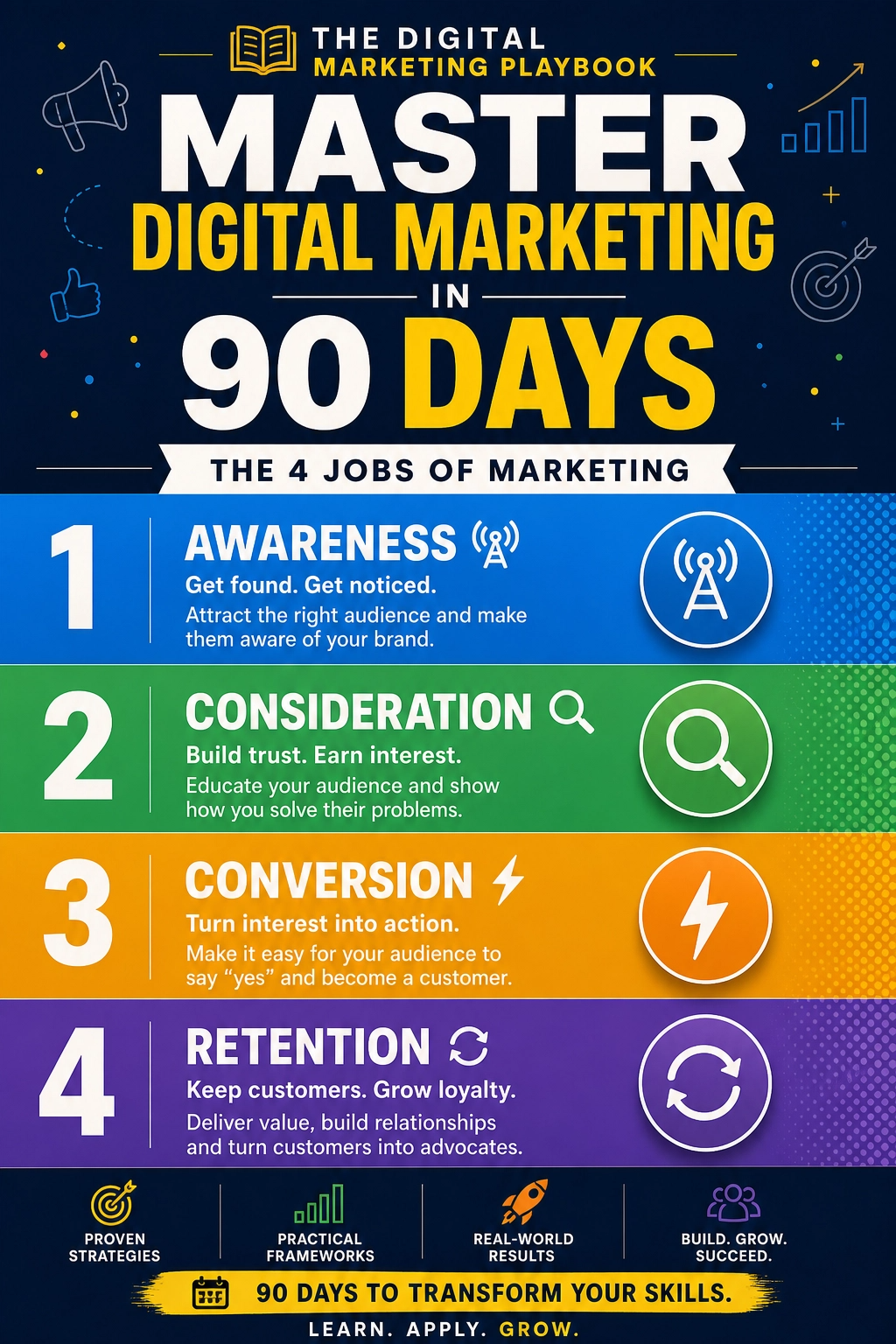
Creators work best alongside a strong offer, a good website, and email follow-up. If you’d like a step-by-step guide to building a complete marketing system, take a look at my ebook:
The Digital Marketing Playbook
Trust me, creators amplify what’s already working, so get the foundation right first.
Final Thoughts
Creator marketing has grown up. Budgets are bigger, pay is more performance-based, and everyone wants proof. Small brands can win by choosing relevant creators, paying fairly, writing clear briefs, tracking properly, and nurturing relationships. Start with a handful of micro-creators, learn what works, and grow from there.










Leave a Reply