


I’ll never forget the day I checked my phone and saw I had exactly 43 followers, and about half of them were relatives who felt obligated. I’d been posting for weeks. I’d followed all the advice: use trending audio, post at the “best time,” add the right hashtags. And yet, crickets.
I remember thinking, Maybe influencers are just born with it. Maybe I missed the window. Sound familiar?
Here’s the truth I wish someone had told me back then: influence isn’t a lucky accident. It’s a skill set and a system, and almost anyone willing to learn it can build it. The creators you admire didn’t start with big audiences either. They started with a clear focus, a consistent habit, and a willingness to keep going when it felt awkward.
In this comprehensive guide, I’ll walk you through how to become an influencer or KOL (Key Opinion Leader) from scratch in 2026. You’ll learn what a KOL actually does, how to pick a niche and platform, build a content system, grow an engaged audience, pitch brands, and create multiple income streams. I’ll also cover the legal and ethical basics, because trust is your most valuable asset, and the mistakes that slow beginners down.
What Is a KOL or Influencer (And What’s the Difference)?
The terms get tossed around constantly, so let’s clear them up.
- Influencer: Someone who builds an audience on social media and has the ability to affect their followers’ opinions and buying decisions.
- KOL (Key Opinion Leader): A term popular especially in Asia and in professional circles. A KOL is typically recognized for expertise in a specific field, like skincare, finance, parenting, or tech, and people trust their recommendations.
- Creator: Someone who makes content, whether or not they have a big audience.
In practice, they overlap heavily. The common thread is trust. Followers listen to you because they believe your guidance is honest and valuable. That’s why a small, loyal audience can be worth far more than a huge, disengaged one.
Pro tip: Don’t obsess over follower counts. Brands and customers increasingly care about engagement, niche relevance, and trust. A few thousand engaged followers in a clear niche can be more valuable than a hundred thousand scattered ones.
Step 1: Choose Your Niche
My early mistake was posting about everything: recipes on Monday, fashion on Tuesday, productivity on Wednesday. Nobody could tell what I stood for, so nobody followed for the long haul.
Your niche sits where three things overlap:
- Something you know or are willing to learn deeply.
- Something you can talk about for years without losing interest.
- Something an audience actively cares about, and ideally spends money on.
Popular niches include personal finance, side hustles, beauty and skincare, parenting, fitness and wellness, fashion, travel, home and lifestyle, tech and AI, and career development.
Narrow it down further. “Fitness” is broad, but “postpartum strength training for busy moms” is memorable. Specific niches attract passionate followers and make brand partnerships much easier because sponsors know exactly who you reach.
Quick test: Write down 30 content ideas for your niche. If you struggle to reach 30, the niche may be too narrow or not exciting enough. If you hit 30 in ten minutes, you’ve found something sustainable.

Step 2: Pick Your Main Platform
Trying to master five platforms at once is a recipe for burnout. Choose one main platform to focus on for your first six months.
- Instagram: Great for lifestyle, beauty, fashion, and photo or short-video storytelling. Strong for brand deals.
- TikTok: Powerful for discovery and fast growth through short videos, especially for relatable, personality-driven content.
- YouTube: Ideal for in-depth teaching and long-term search traffic. Growth is slower but loyalty is high.
- Pinterest: A visual search engine that sends steady traffic to blogs and products, especially in home, food, fashion, and wellness.
- LinkedIn: Best for career, business, and B2B expertise.
- Facebook groups: Community-focused, and useful for building a close-knit audience around a topic.
Ask yourself: Where does my ideal audience spend time? Which format do I enjoy making? Photos, short videos, long videos, and writing all work, but you’ll only stay consistent with a format you don’t dread.
Step 3: Build a Brand People Recognize
Influence is built on recognition. When people see your content, they should know it’s yours within a second. Cover these basics:
- A clear positioning statement: “I help [audience] with [result] through [your approach].”
- A consistent look: Colors, fonts, and editing style that repeat across your content.
- A recognizable voice: Whether you’re funny, calm, or no-nonsense, keep it consistent.
- A strong profile: A clear photo, a bio that states who you help, and a link to your email list or website.
- Your story: Why are you qualified or passionate about this topic? Real stories make you relatable.
If you want a deeper walkthrough, I covered this in detail in my guide on building a personal brand online.

Step 4: Create a Content System You Can Sustain
Here’s what separates successful creators from the ones who disappear: systems. Inspiration is unreliable. A repeatable process is not.
Build your system in five parts:
- Content pillars. Choose three to five recurring themes, such as tips, personal stories, product reviews, and behind-the-scenes.
- A content bank. Keep a running list of ideas. Note questions your audience asks, trending topics in your niche, and lessons you’ve learned.
- Batching. Film or write several pieces in one session. I batch a week of content in about two hours.
- A posting schedule. Start with something you can maintain, like three to four posts per week, and stick to it.
- Repurposing. Turn one idea into several pieces across formats, like a video, a carousel, a quote graphic, and an email.
What makes content perform:
- A strong hook in the first one to two seconds or the first line.
- Clear value: teach, entertain, or inspire.
- Personality: show your face, your voice, and your real opinions.
- A call to action: invite people to comment, save, share, or follow.
Don’t worry about making your first fifty posts good. Make them done. Improvement comes from volume and feedback, not from waiting until you feel ready.
Step 5: Grow an Engaged Audience
Followers come from consistently delivering value and building real relationships. Here’s what works:
- Engage daily. Spend 15 to 20 minutes replying to comments and visiting other creators’ posts in your niche. Real conversation grows reach.
- Collaborate. Partner with creators of similar size for shoutouts, joint lives, or content swaps.
- Use search-friendly titles and captions. Platforms like YouTube, Pinterest, and increasingly Instagram and TikTok work like search engines.
- Create “shareable” content. Checklists, relatable moments, and useful tips get passed along.
- Study your analytics. See which posts earn saves, shares, and watch time. Make more of what works.
- Build an email list. This one matters most. Offer a free resource in exchange for an email address, so you own a direct line to your audience no matter what an algorithm does.
Patience is part of the game. Most creators grow slowly at first, and the curve often bends upward after months of consistency. The people who quit at month two never see it.

Step 6: Understand How Influencers Actually Make Money
Many beginners assume influencer income means sponsorships only. In reality, successful creators build multiple income streams. Here are the main ones:
1. Brand Partnerships and Sponsored Content
Brands pay creators to feature their products. Rates vary widely based on audience size, engagement, niche, and the type of content, so research typical rates in your niche rather than guessing.
2. Affiliate Marketing
You earn a commission when people buy through your unique link. It works best when you genuinely use and recommend the product.
3. Your Own Digital Products
Ebooks, templates, presets, and mini-courses let you keep far more of each sale and deepen your authority. Many creators find this to be their most profitable and stable stream.
4. Platform Payouts and Ads
Some platforms share revenue through ads or creator funds. This income can be unpredictable, so don’t rely on it alone.
5. Services, Coaching, and Speaking
Your influence opens doors to paid consulting, coaching, workshops, and speaking opportunities in your area of expertise.
Pro tip: Diversify early. Depending on one platform or one brand deal is risky because rules and budgets change quickly.
Step 7: Pitch Brands and Build a Media Kit
You don’t have to wait for brands to find you. Once you have a consistent presence, you can reach out. Prepare these first:
Your media kit (1 to 2 pages) should include:
- A short bio and a professional photo.
- Your niche and the audience you serve.
- Your audience stats: followers, engagement, top locations, and demographics if available.
- Examples of past work or content that performed well.
- Your services and packages (such as one post, a video, or a bundle).
- Your contact details.
A simple pitch email:
“Hi [Name], I’m [Your Name], a [niche] creator who helps [audience] with [topic]. I love [specific thing about the brand], and I think my audience would genuinely benefit from [product]. I’d love to explore a collaboration. I’ve attached my media kit. Would you be open to a quick chat?”
Personalize each pitch, mention something specific about the brand, and follow up politely after a week. Rejections are normal. Treat each one as practice.

Step 8: Stay Honest, Ethical, and Legal
Trust takes years to build and moments to lose. Protect it.
- Disclose partnerships clearly. In many countries, including the US, rules require you to disclose paid relationships and affiliate links so your audience knows. Use clear labels such as “ad,” “sponsored,” or “affiliate link,” and check the rules where you live and on each platform.
- Only promote what you believe in. Your recommendations are your reputation.
- Don’t buy followers or fake engagement. It damages credibility and brands can usually spot it.
- Make honest claims. Avoid promising guaranteed results, especially around health, money, or beauty.
- Respect copyright. Use music, images, and clips you have the rights to use.
- Protect your wellbeing. Set boundaries, take breaks, and don’t tie your self-worth to your numbers.

Common Mistakes Beginner Influencers Make
I’ve made most of these myself, so I’m saying it with love:
- Posting inconsistently. Algorithms and audiences both reward reliability.
- Switching niches every month. Give a niche at least three to six months before judging.
- Chasing trends that don’t fit your brand. A trend that confuses your audience can hurt more than help.
- Ignoring comments and messages. Community is your competitive advantage.
- Waiting for a big following before monetizing. A small audience with a clear offer can earn real money.
- Comparing yourself to creators who are years ahead. Compare your month six to your month one.
- Skipping the email list. Don’t build your entire business on rented land.
Your Roadmap: Three Ebooks to Fast-Track Your Influence
You can piece this together through trial and error, and I certainly did. But if you’d rather follow a proven roadmap and avoid the slow, discouraging months I went through, these three ebooks are where I’d begin.
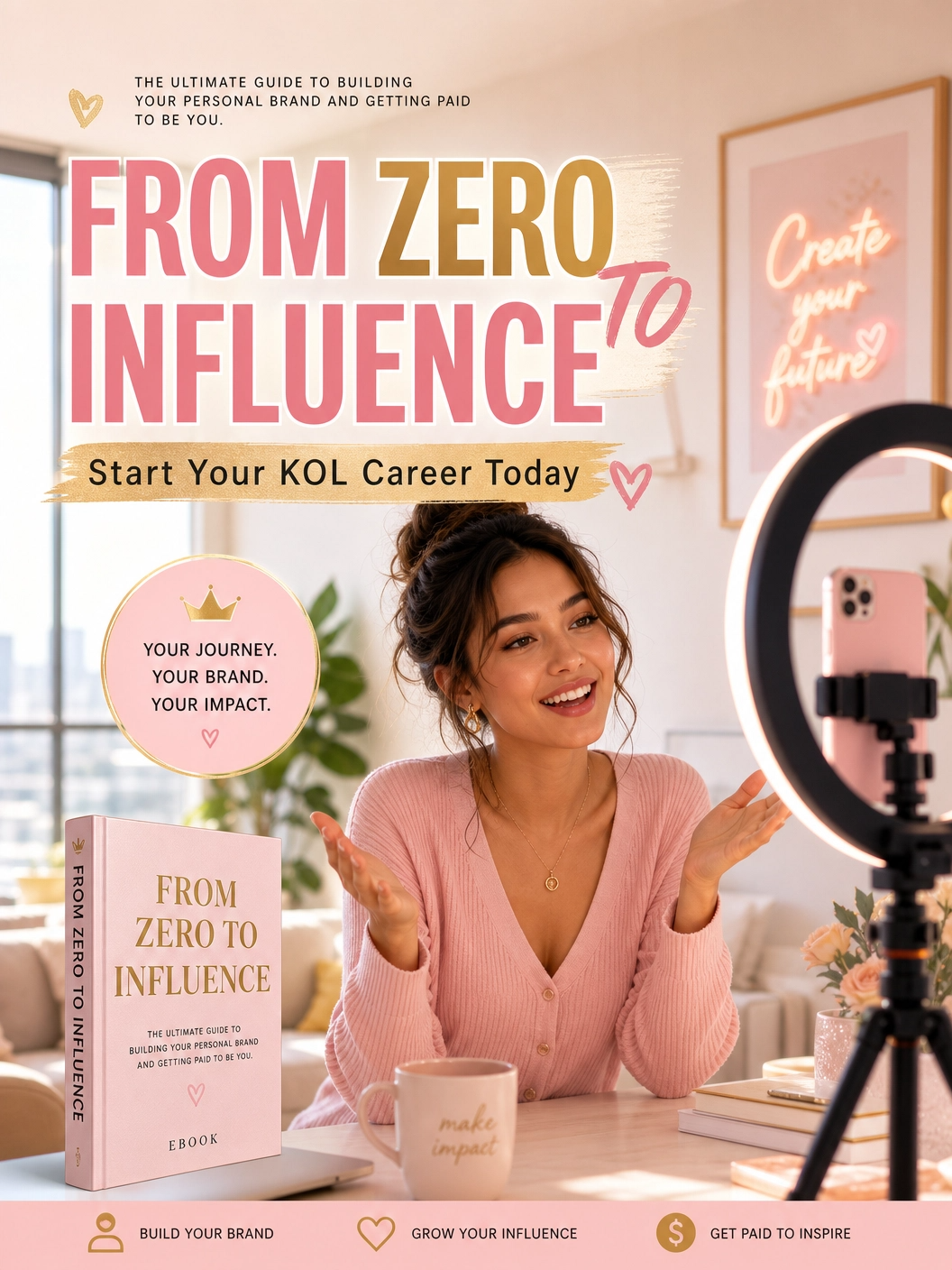
1. The Complete Beginner’s Guide to Building a KOL & Influencer Career This is the one made for exactly this journey. It covers choosing your niche and platform, working with brands, and building multiple income streams so your influence can become a real career. It’s the best next step if this article got you excited.
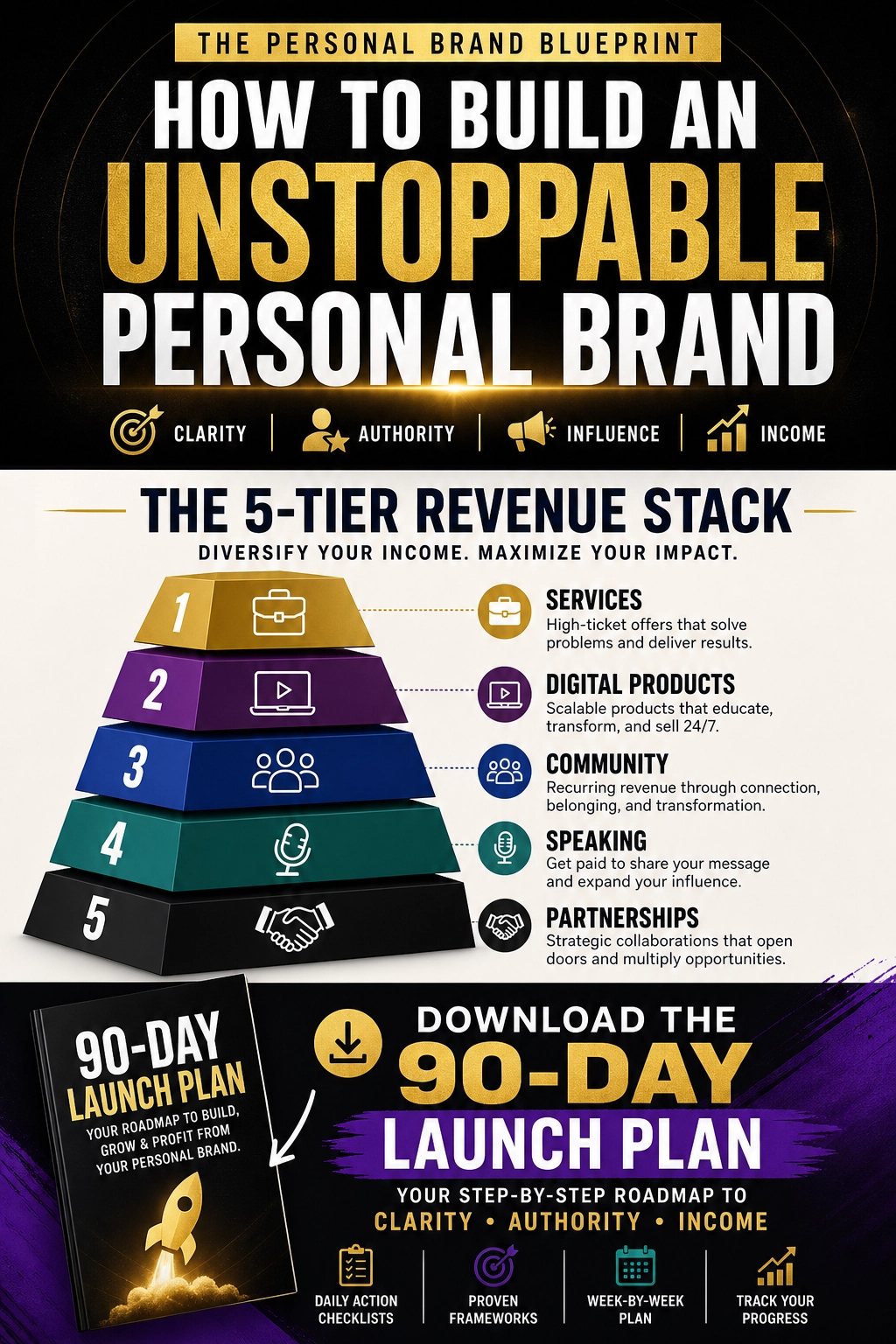
2. The Personal Brand Blueprint Influence grows from a brand people trust and remember. This blueprint helps you define your positioning, voice, and identity so you stand out in a crowded feed.
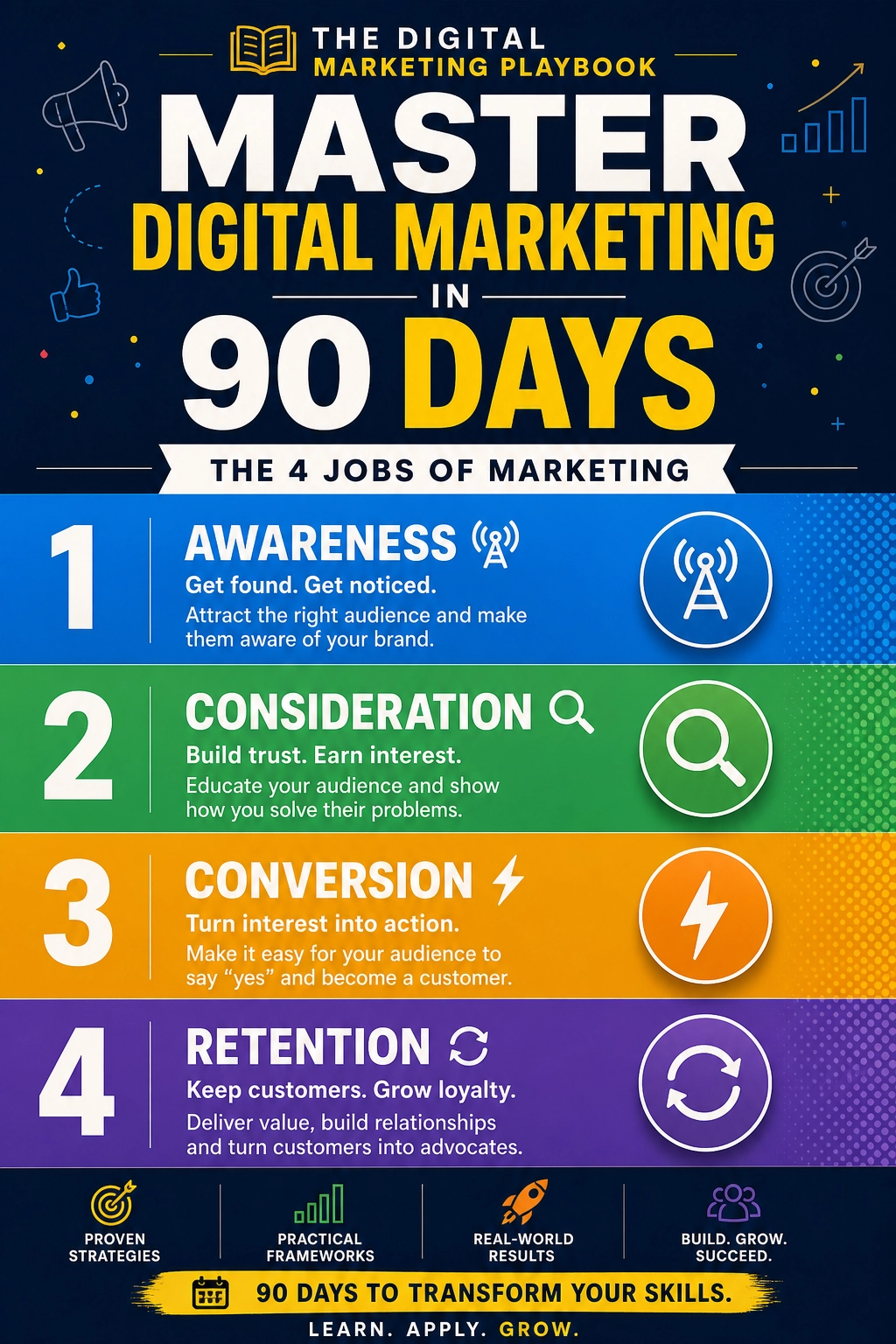
3. The Digital Marketing Playbook Understanding SEO, content, social media, email, and paid ads gives you the marketing skills to grow faster and sell smarter, whether you’re promoting brand deals or your own products.
Trust me on this: the creators who grow fastest are the ones who learn from a plan instead of guessing. Each ebook is an instant download you can read on your phone today. Pick the one that matches where you are right now and start before the motivation fades.
Your Influence Story Starts With One Post
Becoming an influencer or KOL in 2026 isn’t about luck, looks, or being “naturally charismatic.” It’s about choosing a niche, showing up consistently, building real trust, and creating income streams that don’t depend on a single platform. Forty-three followers isn’t a failure. It’s a starting line, and every creator you admire stood on it once.
This week, define your niche and write your positioning statement. Choose your main platform and plan ten pieces of content. Post your first one before you feel ready, and set up your email list so everything you build has a home. Then arm yourself with a roadmap so you’re never guessing what comes next.
Your voice matters, and someone out there is searching for exactly what you have to say. Go be seen, Lady Boss. I can’t wait to watch you rise.

Leave a Reply