

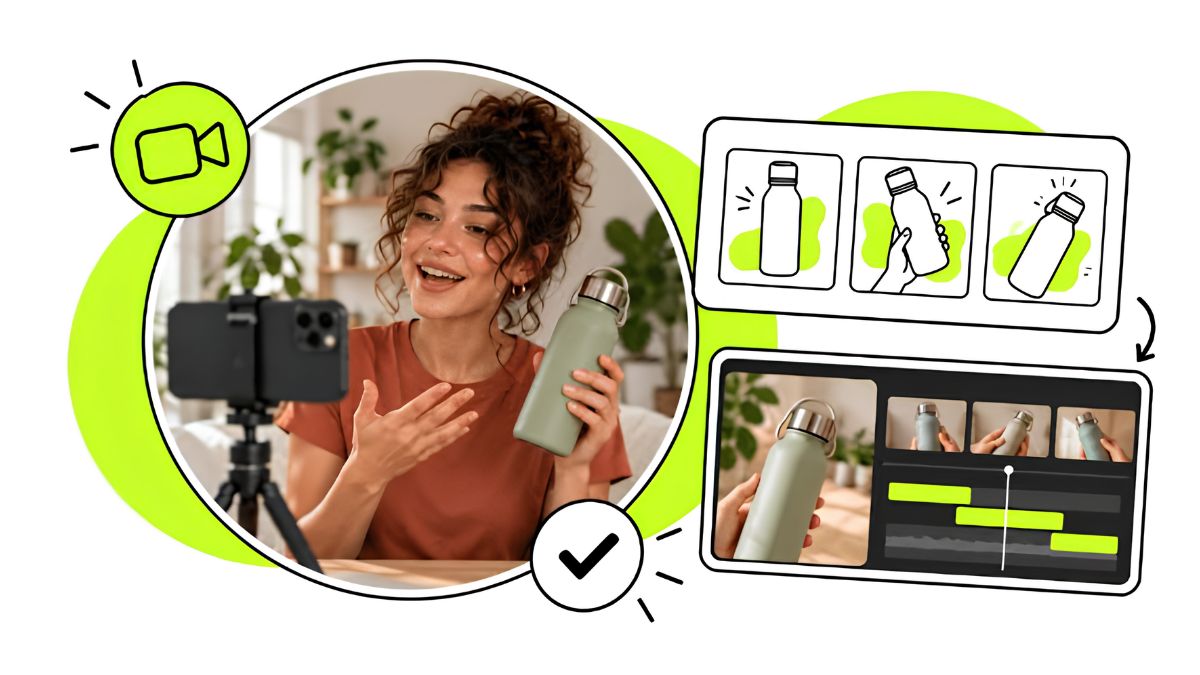
The first time I heard the phrase “UGC creator,” I assumed it was a fancy name for influencers. I pictured people with huge followings, ring lights, and a manager. Then a mom I know told me she’d earned a few hundred dollars one week filming short videos of herself using a product in her kitchen. She had about 300 followers. She wasn’t posting the videos anywhere. The brand was.
That’s the big difference, and it’s why UGC (user-generated content) is one of the most talked-about ways for stay-at-home moms to earn from home right now. A UGC creator is paid to make native-looking videos or photos that brands run as ads on their own channels. You sell the content, not your audience.
In this guide, I’ll explain how UGC works, what UGC creators really earn (with honest numbers), how to build a portfolio from scratch, and how to land your first clients. (Quick note: nobody can promise you a specific income, and this market is competitive, so I’ll share the real picture.)
What Is a UGC Creator?
A UGC creator produces content that looks like it was made by a real customer: a short video of you unboxing a product, showing how you use it, or sharing a testimonial. Brands pay for the content and run it in their ads, on their product pages, or on their social accounts.
UGC creator vs. influencer:
- Influencers are paid for their reach: the audience that sees the post on their account.
- UGC creators are paid for the content itself. Your follower count matters far less, and often you don’t post the video on your own page at all.
That’s why UGC suits moms who don’t have a big following but are good at showing products naturally on camera.

What Do UGC Creators Actually Earn?
Rates vary widely, and numbers online don’t always agree. Here’s what recent rate guides and marketplace data suggest:
- Beginners commonly charge about $50 to $150 per video. Several rate guides place first-time creators in this range.
- Intermediate creators often fall around $100 to $250, and experienced creators around $250 to $500 or more per video, depending on the guide.
- A snapshot of real briefs: One pay report that tracked hundreds of per-video UGC briefs found a median offer of about $100 per video, with half of listings between $50 and $200 and the top tenth offering $338 or more.
- Marketplace payouts can be lower. One UGC platform lists payouts of around $30 for brand-new creators on a 15-second video and about $70 for premium creators.
- Usage rights cost extra. Many creators charge 50% to 100% more to let a brand run the video as a paid ad, and brands may pay an additional monthly fee for permission to run ads through a creator’s own account (often called whitelisting or Spark Ads).
- Niche matters. Creators in specialized or higher-budget categories (like software or technology) can command more than creators in crowded niches with the same skills.
One more reality check: some industry commentary says the UGC market has grown quickly while average rates have dropped, because more creators are competing. Treat any single figure as a ballpark, not a guarantee.
Here’s the truth: your first few deals may pay modestly, and some brands pay in free product only. But the income can grow as you build a portfolio, specialize, and charge separately for usage rights.

Why UGC Works for Moms
- No big following required.
- Flexible hours. You film when it suits your day.
- Low startup cost. A smartphone, good light, and a quiet corner can be enough.
- You can start in your own niche. Moms are natural experts on products for kids, home, wellness, food, and organization.
- Brands want authentic faces. Real-life reviews can be persuasive.
Step 1: Choose Your Niche
Start with what you genuinely use and understand. Examples:
- Baby and kid products
- Cooking and kitchen tools
- Home organization and cleaning
- Skincare and wellness
- Pet products
- Budgeting, productivity, and apps
- Back-to-school and family routines
A clear niche makes it easier for brands to picture you in their ads.
Step 2: Learn the Basics of Good UGC
Brands love content that’s clear, natural, and persuasive. A simple formula for a 15 to 30 second video:
- Hook (first 2 seconds): A relatable problem or surprising claim.
- Demo: Show the product in use.
- Benefit: What changed for you?
- Call to action: A simple closing line.
Practice with products you already own. Focus on:
- Clear audio (a cheap microphone helps)
- Good natural light
- Steady framing and a clean background
- Honest, conversational delivery
- Captions on screen

Step 3: Build a Portfolio From Scratch
You don’t need clients to start. Create sample videos:
- Make 3 to 5 sample videos for products you already own.
- Show a range: a testimonial, an unboxing, a how-to, and a before-and-after.
- Put them in a simple portfolio: a free online page, a shared folder, or a one-page website.
- Add a short bio saying who you are, your niche, and what you offer.
- Label them honestly as samples.
Pro tip: If you make samples for real brands without being hired, don’t claim they were paid work, and don’t imply an endorsement the brand didn’t give.
Step 4: Decide Your Starter Packages
Packages make pricing simple. Example starter menu (adjust to your situation):
- Single video: One 15 to 30 second video, with a set number of revisions
- Video bundle: Three videos with different hooks
- Usage rights add-on: A limited period of paid-ad usage for an extra fee
- Raw footage add-on: Optional for an extra fee
Write down what’s included, how many revisions you offer, how long delivery takes, and what costs extra.
Step 5: Find Your First Clients
Here are practical places to look:
- UGC marketplaces and creator platforms where brands post briefs. Some are free to join. Be careful with anyone who asks you to pay to be listed.
- Direct outreach: Small online shops and local businesses often need content but can’t afford agencies. Send a short, specific pitch.
- Brands you already love: Look for their “creator” or “partnerships” page.
- Social media: Post your samples and tag your niche. Brands sometimes search for creators.
- Your network: Friends who run small businesses.

A simple pitch template
“Hi [Name], I’m [Your Name], a UGC creator who makes short, natural-looking videos for [niche] brands. I’ve been a customer of [Brand] and thought your [product] would work well in a quick demo. Here’s my portfolio: [link]. I’d love to create a few videos for you. Would you like to see rates?”
Step 6: Price Yourself
A simple starting approach:
- Look at current rate ranges for your experience level.
- Start with a modest, fair rate for your first few deals, and note how much time each takes.
- Charge separately for usage rights, extra hooks, and raw footage.
- Raise your prices as you gain proof of results, repeat clients, and a fuller schedule.
- Calculate your effective hourly rate, including filming, editing, and communication.
Warning: Free products alone rarely pay your time, so be selective about “product for content” deals.
Step 7: Protect Yourself With a Simple Agreement
Even a one-page agreement helps. Include:
- What you’ll deliver and by when
- Number of revisions
- Payment amount and due date
- How long and where the brand can use the content
- Whether the brand can run it through your account
- Exclusivity (if any)
- Whether AI-generated edits or voices will be used
- Who owns the content
If a brand wants broader rights than you’re comfortable with, negotiate a higher fee.
Step 8: Follow the Rules
- Disclose sponsored or gifted content according to each platform’s rules and applicable advertising laws.
- Be honest. Don’t claim results you didn’t get or make false health claims.
- Respect platform rules on AI. Platforms have introduced labels for AI-generated content, and TikTok Shop has banned AI voices standing in for live presenters. If a brand wants AI-assisted edits, make sure the labeling is clear.
- Don’t impersonate a real customer if you’re being paid, unless the brand and platform rules allow clear disclosure.
- Handle taxes. Income from UGC is self-employment income in the U.S., so set aside money and keep records.

Beware of UGC Scams
Because UGC is trending, scammers are following. Red flags:
- Anyone who asks you to pay to join or pay for “training” before getting work
- A brand that sends you a check and asks you to send money elsewhere
- Offers that require you to buy the product first with no reimbursement
- Brands that won’t put terms in writing
- Pressure to share sensitive personal information
Remember: you should never pay to get paid.
A 30-Day UGC Launch Plan
- Week 1: Choose your niche and learn the basic video formula. Film your first practice video.
- Week 2: Create three to five portfolio samples and set up a simple portfolio page.
- Week 3: Write your packages and a one-page agreement. Join one or two creator platforms and review open briefs.
- Week 4: Send 10 personalized pitches and apply to briefs. Track every response.
Common Mistakes to Avoid
- Underpricing and giving away usage rights for free.
- Skipping a contract.
- Making videos that feel like ads. UGC works because it feels real.
- Chasing every niche. Focus builds a stronger portfolio.
- Poor audio and lighting.
- Giving up after a few rejections. Most brands won’t reply to the first pitch.
Build This Into a Bigger Plan
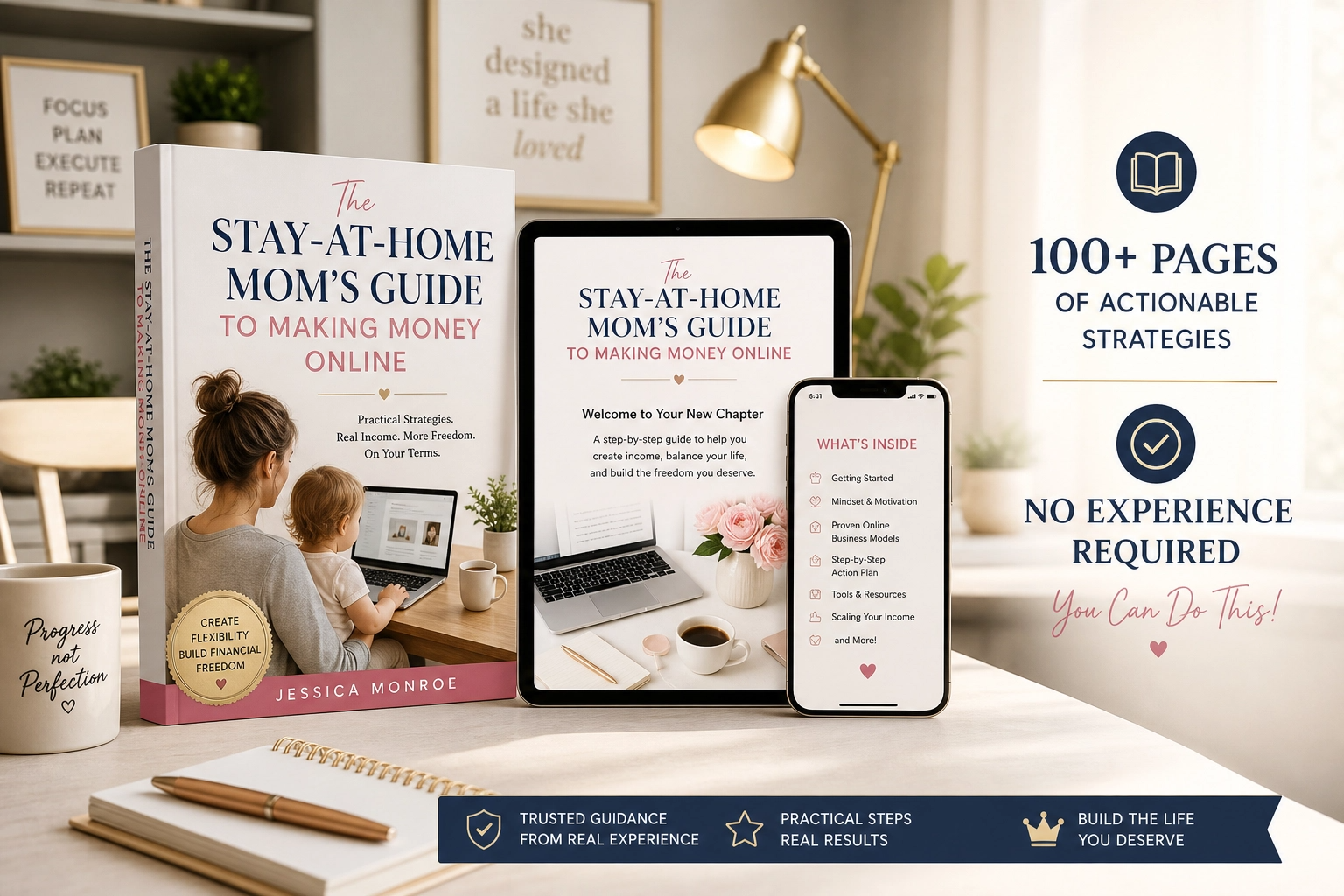
UGC can be a great first step into earning online. But it works best as part of a plan that includes your schedule, your pricing, your taxes, and your long-term goals. If you’d like a beginner-friendly roadmap made for stay-at-home moms, take a look at my ebook:
The Stay-At-Home Mom’s Guide To Making Money Online
Trust me, a plan keeps you from chasing every shiny trend.
Final Thoughts
UGC is one of the most accessible ways for a stay-at-home mom to start earning online, but it’s not effortless money. Start with a clear niche, build a small portfolio, charge fairly (and separately for usage rights), protect yourself with a simple agreement, and stay alert to scams. Your real voice and real-life experience are exactly what brands are looking for, so start with one video this week.










Leave a Reply