

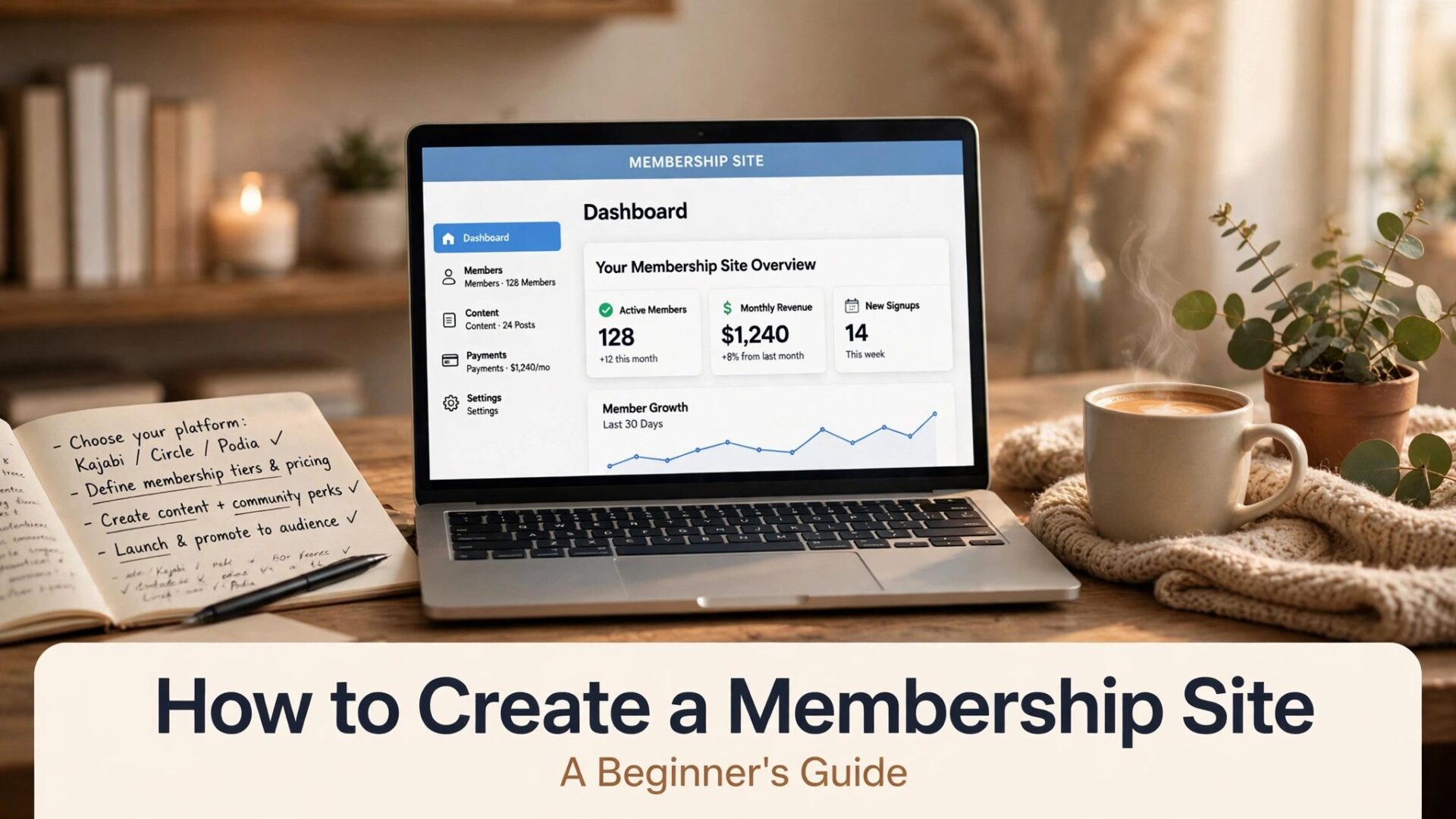
For years, my income looked like a roller coaster. A great month of product sales would be followed by a quiet one, and I’d spend the quiet weeks anxiously refreshing my dashboard. Then I launched a small monthly membership with a handful of loyal readers. The first month, it brought in just $87. But the next month, the same people were still there, and I felt something I hadn’t felt in a long time: predictability.
If you want to create a membership site, you’re building a business model based on recurring relationships rather than one-time sales. Members pay regularly in exchange for ongoing value, such as content, community, tools, or support. Done well, it can bring stability and deeper connection with your audience.
In this guide, I’ll walk you through choosing your offer, selecting a platform, pricing, creating content, and keeping members happy for the long haul.
What Is a Membership Site?
A membership site gives paying subscribers access to exclusive content, resources, community, or services for a recurring fee.
Common Membership Types
- Content libraries: templates, tutorials, courses, or guides.
- Community-based memberships: private forums with discussions and events.
- Coaching memberships: group coaching calls and accountability.
- Resource memberships: monthly templates, planners, or printables.
- Premium newsletters: deeper, members-only issues.
- Software or tool access: for niche tools.
Why it appeals:
- Recurring revenue that smooths income.
- Deeper relationships with your audience.
- Higher lifetime value per customer.
- Scalability, since you create once and serve many.
The honest part: Memberships require consistent delivery. Members expect fresh value, and cancellations (churn) are normal. If you don’t plan content and engagement, members leave. Start small and sustainable.
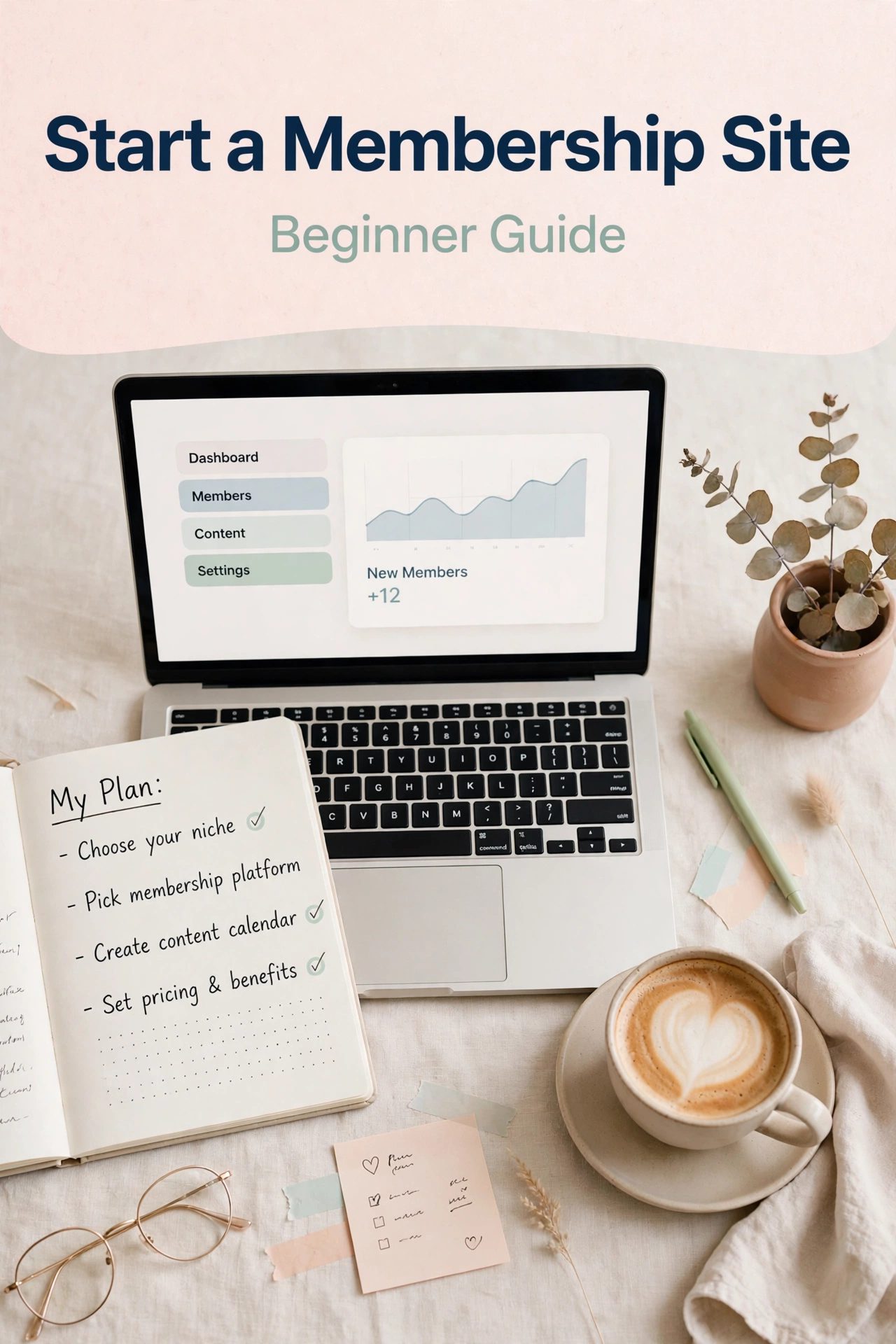
Step 1: Validate Your Membership Idea
Don’t build before you’re sure people want it.
- Identify a recurring need. Problems that persist over time, like planning, learning, or accountability, suit memberships well.
- Talk to your audience. Ask what ongoing help they’d pay for.
- Run a poll or waitlist.
- Pre-sell a founding membership at a discount to your first group.
- Study competitors to find gaps.
If people say “I’d love that” but won’t pay, rethink the offer.
Step 2: Define Your Promise and Benefits
Write a clear sentence:
“Members get [specific benefits] so they can [specific result].”
Example: “Each month, members get new printable planners and a live Q&A so they can stay organized and grow their side business.”
Benefits Members Value
- Exclusive content or templates.
- Community and connection.
- Live calls and Q&As.
- Accountability and challenges.
- Discounts on products or services.
- Early access to new releases.

Step 3: Plan Your Content and Schedule
Consistency is crucial.
A Sample Monthly Membership Rhythm
- Week 1: Release a new template or lesson.
- Week 2: Host a live Q&A or workshop.
- Week 3: Share a member spotlight, resource roundup, or challenge.
- Week 4: Offer a planning session or coworking hour, and preview next month.
Tips for Sustainable Content
- Batch create content in advance.
- Reuse and update evergreen resources.
- Limit your promises to what you can deliver consistently.
- Involve members with questions and suggestions.
AI can help brainstorm lesson ideas, outlines, and discussion prompts. Edit everything so it sounds like you and is accurate. The Claude Advantage shows how to prompt effectively for content planning, and The AI-Powered Solopreneur offers simple systems for managing recurring content as a one-person business.
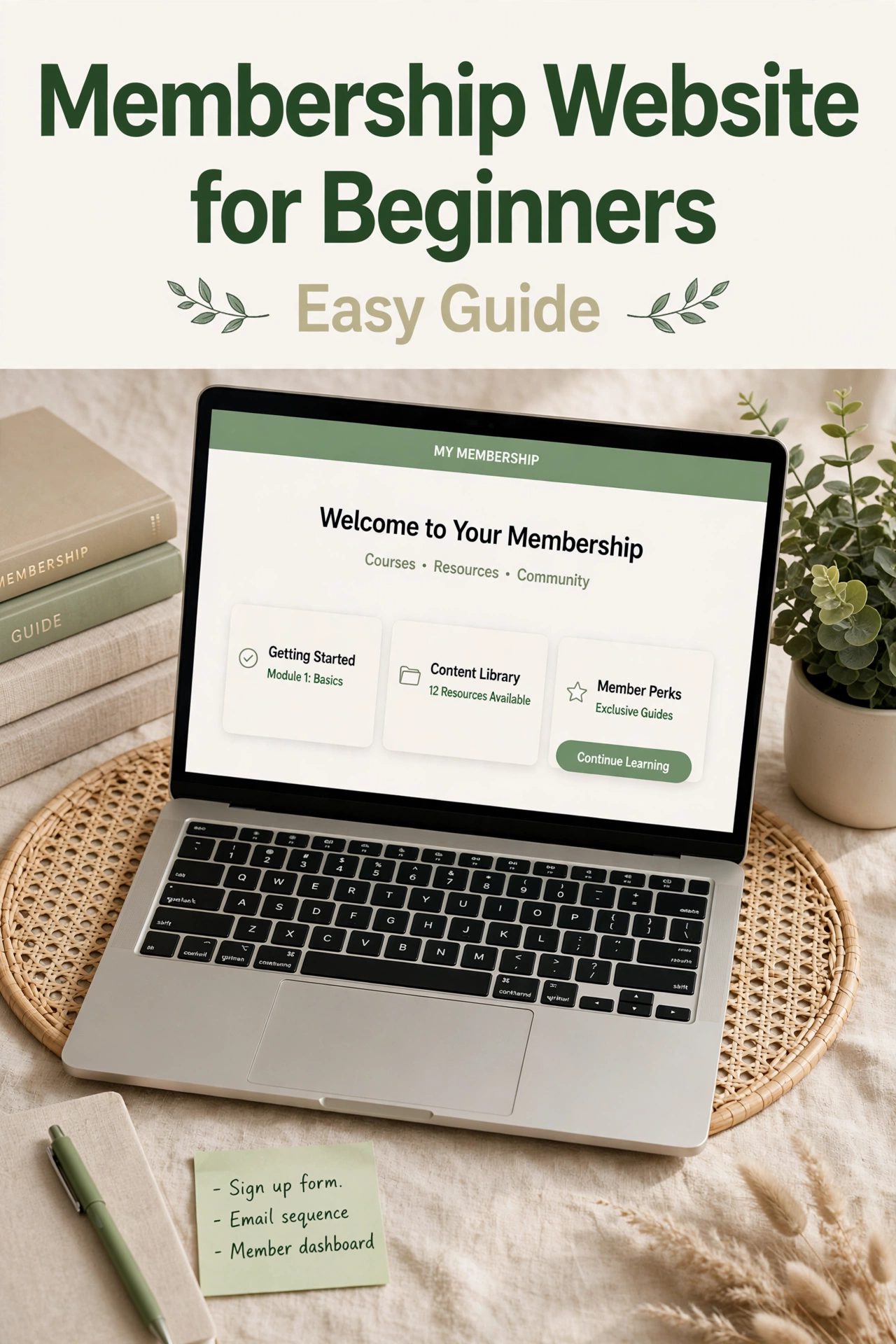
Step 4: Choose Your Platform and Tools
You’ll need ways to host content, collect payments, and manage access.
Options
- All-in-one membership and community platforms.
- Course platforms with membership features.
- WordPress with membership plugins.
- Newsletter platforms with paid tiers.
- Creator platforms with subscriptions.
What to Look For
- Easy setup and member management.
- Recurring billing and payment options.
- Content protection and drip scheduling.
- Community features.
- Analytics and email tools.
- Fees and ownership of your member list.
Prices and features change, so compare current options. Start with the simplest tool that works.
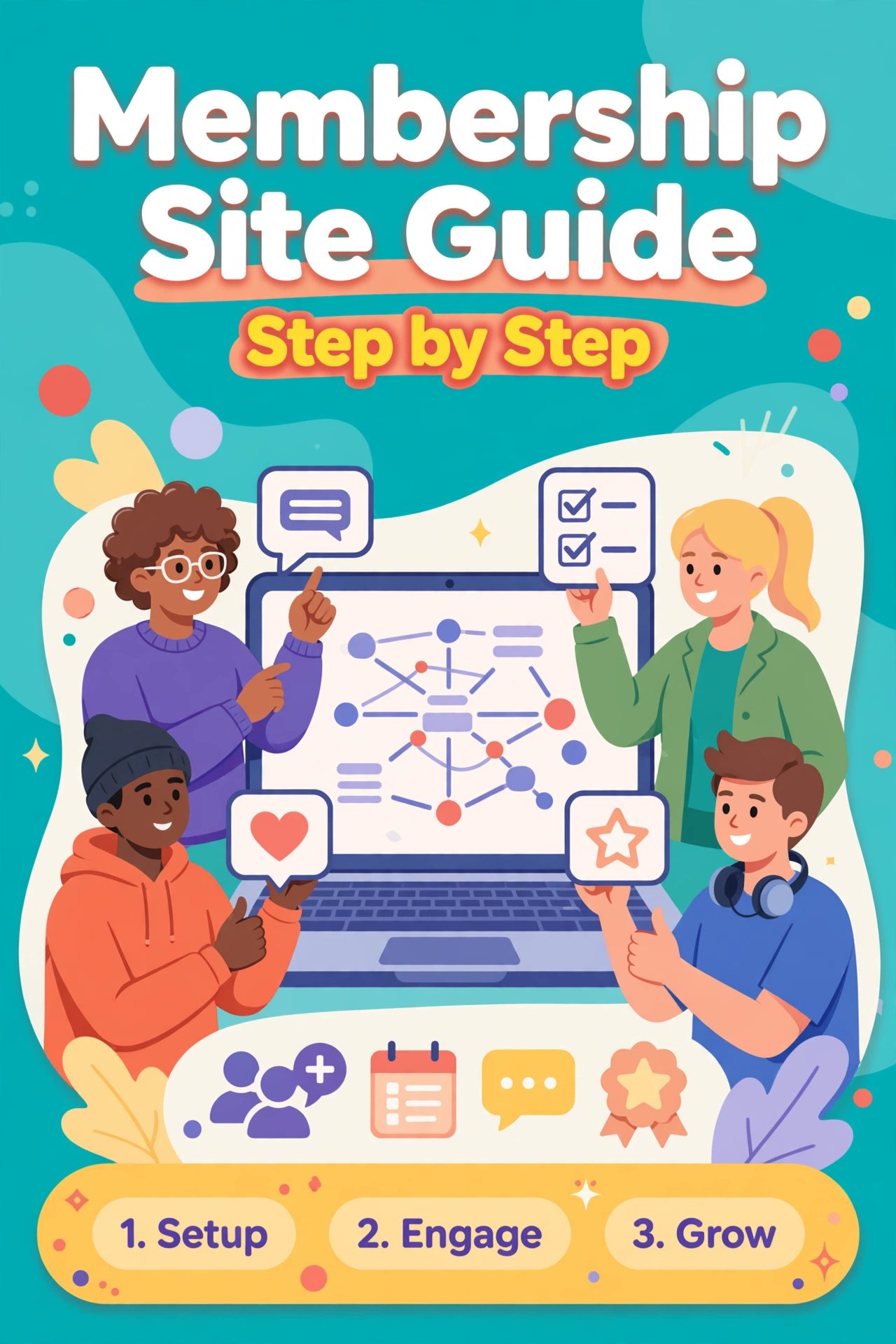
Step 5: Price Your Membership
- Research similar memberships.
- Price by value and outcomes.
- Offer monthly and annual options, with a discount for annual plans.
- Consider tiers, such as a basic tier with content and a premium tier with coaching.
- Offer founding-member pricing to early joiners.
- Be transparent about what’s included.
Example Tiers
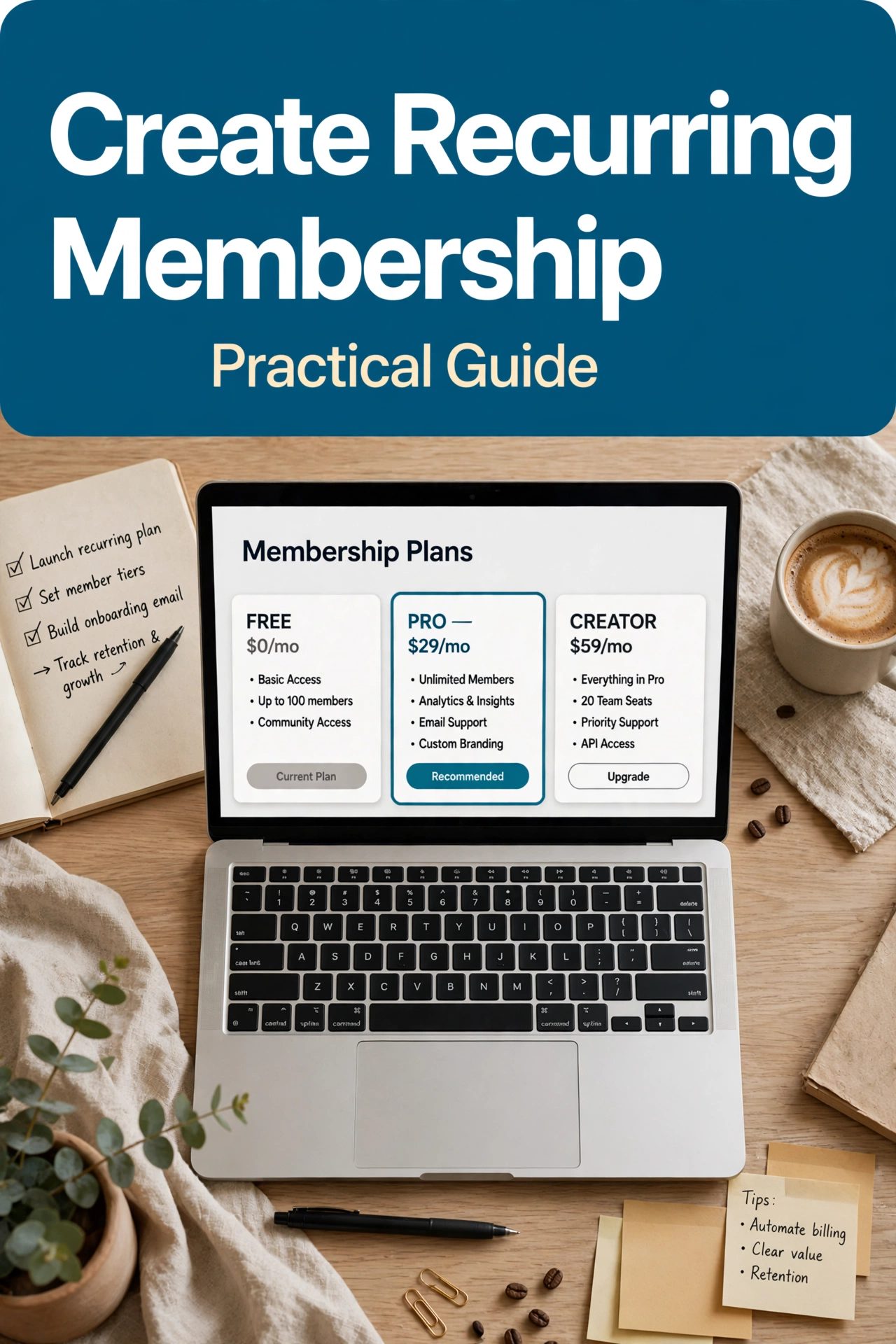
- Basic: Monthly templates and community access.
- Plus: Everything in Basic, plus live monthly workshops.
- Premium: Everything in Plus, plus group coaching or feedback.
Start modestly, listen to feedback, and adjust.
Step 6: Build a Strong Onboarding Experience
First impressions affect retention.
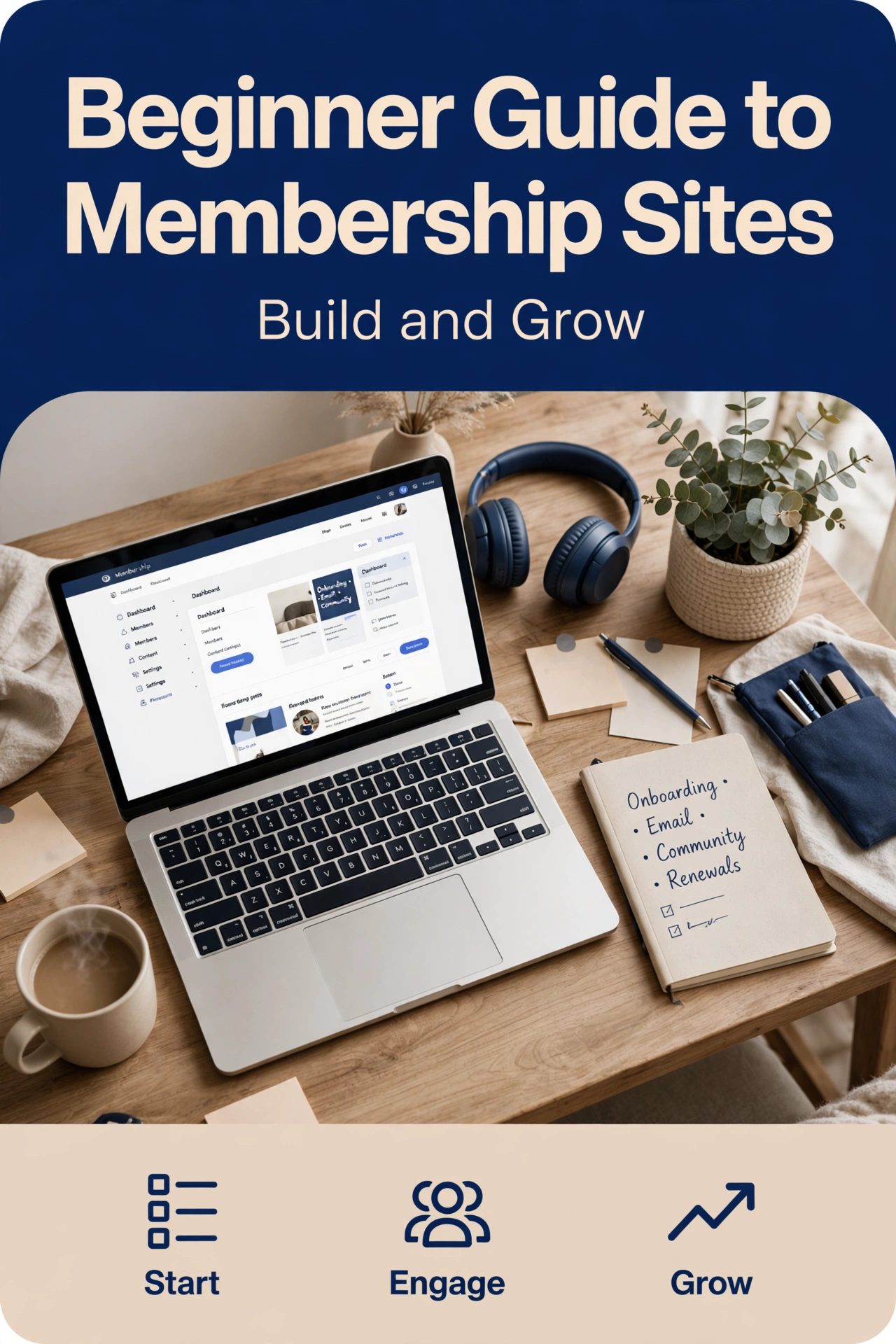
- Send a warm welcome email with clear first steps.
- Create a “Start Here” guide.
- Encourage introductions in the community.
- Offer a quick win in the first week.
- Check in after a few days.
Members who get value early are more likely to stay.
Step 7: Market Your Membership
- Email list: Your best source of founding members.
- Content marketing: Blog posts, videos, and social posts that point to your membership.
- Free samples: Offer a free mini-membership or trial.
- Collaborations and guest appearances.
- Testimonials and success stories.
- Limited-time enrollment windows to create gentle urgency.
The Digital Marketing Playbook explains beginner-friendly marketing strategies, and The Personal Brand Blueprint helps you build the trust that makes people willing to join. For flexible income ideas, The Stay-At-Home Mom’s Guide to Making Money Online is a great companion.
Step 8: Reduce Churn and Keep Members Happy
Retention is the heart of a membership business.
- Deliver consistently on your promises.
- Ask for feedback and act on it.
- Celebrate member wins.
- Stay visible in the community.
- Send reminders about benefits members haven’t used.
- Offer pause options instead of cancellations when possible.
- Use exit surveys to learn why people leave.
Metrics to Track
- Monthly recurring revenue (MRR).
- Churn rate: the percentage of members who cancel.
- Member engagement.
- Average member lifetime.
- Customer feedback.
A Simple Example
Suppose you have 50 members paying $15 per month. That’s $750 per month in recurring revenue before fees. If you lose five members per month but add ten, your base grows. If you lose ten and add five, it shrinks. This is why both acquisition and retention matter.
A 60-Day Launch Plan
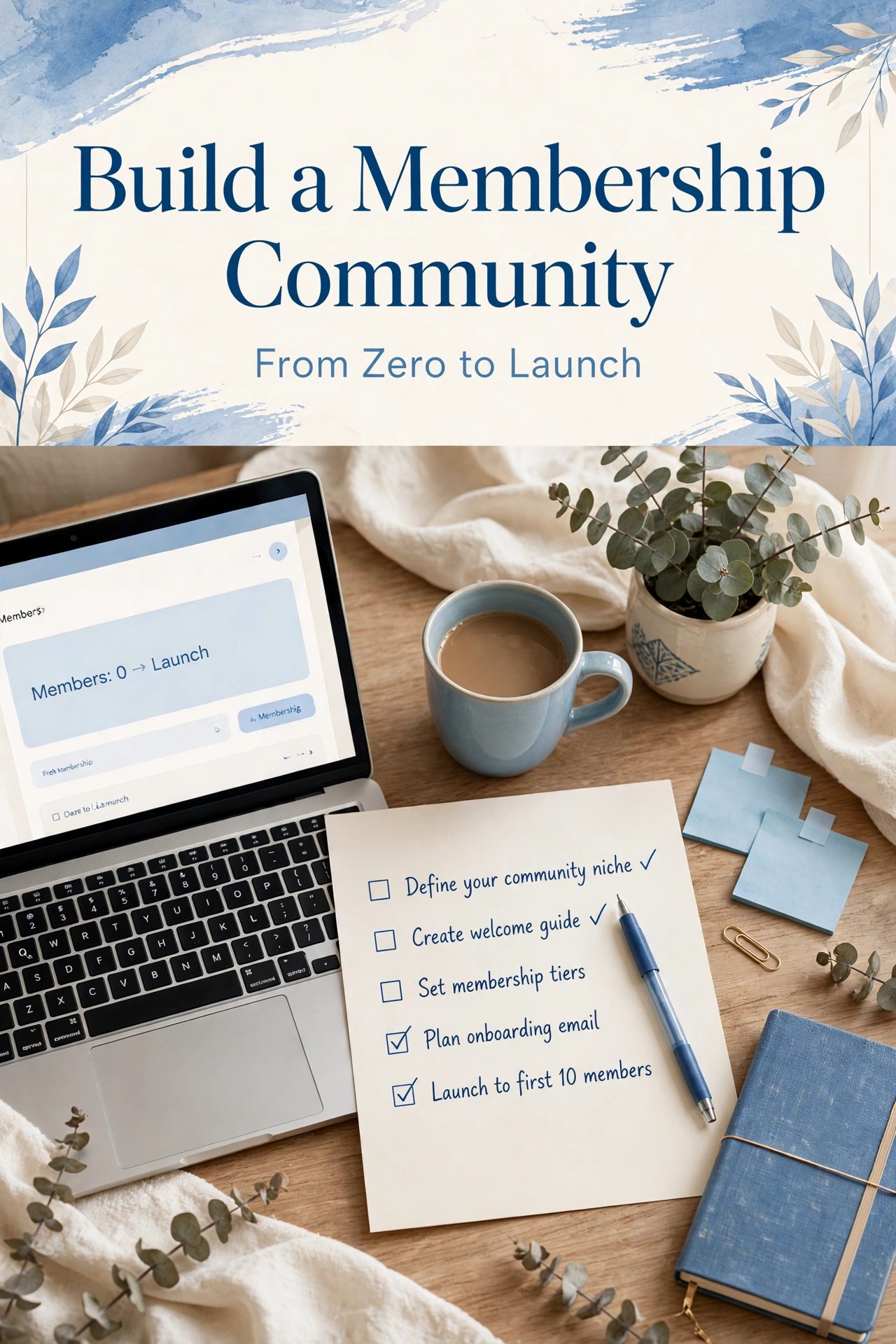
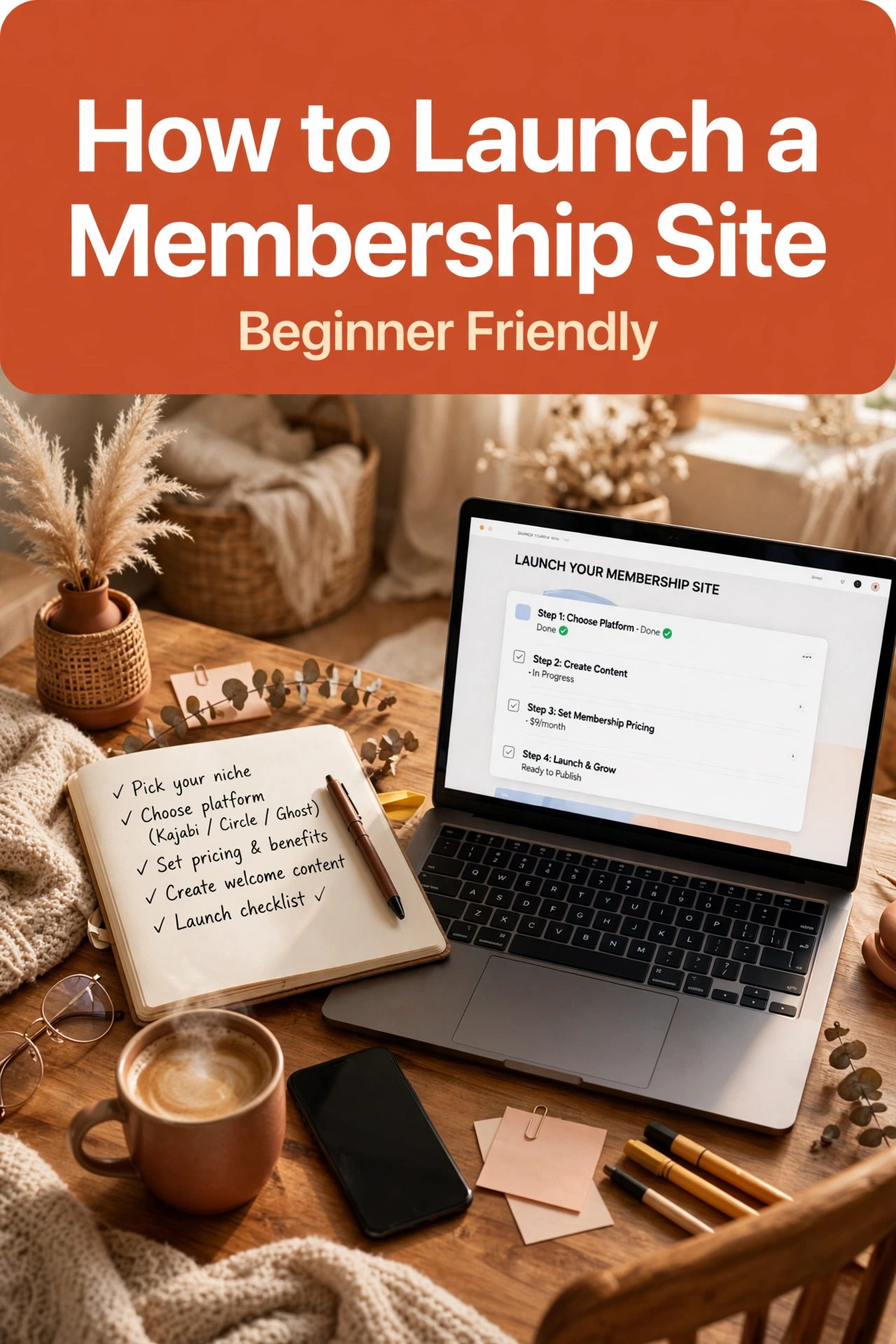
- Days 1–14: Validate your idea, define your promise, and choose your platform.
- Days 15–30: Create your first month of content and a welcome guide.
- Days 31–45: Pre-sell founding memberships to your audience.
- Days 46–60: Launch, onboard members, and gather feedback.
Legal and Money Basics
- Write clear terms, cancellation, and refund policies.
- Follow rules for recurring billing in your region.
- Protect member privacy.
- Track income and expenses, and set aside money for taxes. Consult a qualified professional.
The Smart Mom’s Complete Guide to Money offers friendly guidance for managing recurring income.
Sample Membership Offer You Can Adapt
Clear descriptions help people decide quickly. Here’s an example of how you might present a beginner membership for creators:
- Name: The Creator Studio
- Promise: Stay consistent and grow your online income with monthly templates, live feedback, and a supportive community.
- What members get each month: Two new Canva template packs, one live workshop, a members-only Q&A thread, and a monthly planning checklist.
- Price: A monthly fee with a discounted annual option and founding-member pricing for the first 25 members.
- Who it’s for: Beginner and intermediate creators who want accountability and ready-made resources.
- Who it’s not for: People looking for one-on-one coaching or advanced agency strategies.
Notice that the offer names a clear audience, a rhythm, and boundaries. People are more likely to join when they know exactly what they will receive and how often.
When to Close or Pause Enrollment
You don’t have to keep enrollment open all the time. Many membership owners use enrollment windows because they:
- Welcome members in groups, which makes onboarding and community-building easier.
- Create natural moments of urgency without false pressure.
- Protect their time by limiting how many new members they support at once.
- Get regular feedback from each new cohort.
If you prefer an always-open model, keep your onboarding automated and your welcome content strong. Either approach can work, so choose the one that fits your energy and capacity.
Mistakes to Avoid
- Launching without validation.
- Overpromising content.
- Ignoring onboarding.
- Neglecting community engagement.
- Underpricing and burning out.
- Not tracking churn.
Quick Answers About Membership Sites
How many members do I need? You can earn meaningful income with a small group if the price and value are right.
Do I need a big audience first? A smaller, engaged audience is often enough to start with founding members.
How much time does it take? Plan on consistent weekly time for content, community, and support.
What if people cancel? Some churn is normal. Focus on onboarding, value, and feedback.
Build Something People Want to Stay In
Creating a membership site is about delivering ongoing value to people who trust you. Validate your idea, set a sustainable schedule, price fairly, and nurture your members.
This week, write your membership promise and ask ten people whether they’d join. Trust me, the day your first recurring payment arrives from someone who believed in your idea, you’ll feel a calm confidence. Let’s build it!










Leave a Reply