

Here’s a question that changed how I run my business: if someone saw my product without my shop name on it, would they still recognize it as mine?
For a long time, the honest answer was no. My shop looked like a hundred others: random designs, mismatched fonts, generic product photos, and a shop name I’d chosen in five minutes. I was competing on price, and let me tell you, that’s a miserable race with no finish line. Every week another seller would undercut me by a dollar, and I’d feel that pit in my stomach.
Then I stopped thinking like a “seller” and started thinking like a brand. I picked a focus, defined a look, told a clear story, and suddenly things felt different. Customers commented on my style. Repeat buyers appeared. And I stopped feeling like every sale was a fight.
If you want your print on demand business to last, brand-building is one of the smartest investments you can make, and most of it costs time rather than money.
In this comprehensive guide, I’ll show you how to build a brand for your print on demand business in 2026. We’ll cover your niche and audience, brand name, visual identity, voice, packaging, product consistency, and how to use Printful and Printify to bring your brand to life. Let’s dive in!
Why Branding Matters in Print on Demand
Print on demand has low barriers to entry, which means lots of competition. Many sellers offer similar shirts and mugs. What separates you isn’t the blank product. It’s the experience and identity around it.
What a strong brand does for you
- Justifies higher prices: People pay more for brands they trust and love.
- Builds loyalty: Customers return because they connect with your style and story.
- Makes marketing easier: A clear identity attracts the right audience.
- Creates recognition: People remember you across social media, marketplaces, and email.
- Protects you from copycats: Anyone can copy a design, but not your entire brand experience.

What branding is NOT
Branding isn’t just a logo. It’s the combination of your audience, message, visuals, product quality, customer service, and personality. Think of it as the feeling people get every time they interact with your shop.
Pro tip: You don’t need a big budget. A simple, consistent brand beats a fancy, inconsistent one every time.
Step 1: Define Your Audience and Positioning
Great brands don’t try to be for everyone. They speak directly to someone specific.
Questions to answer
- Who is my ideal customer? Age range, interests, values, and lifestyle.
- What do they care about? Humor, sentimentality, style, community, or self-expression?
- What problem or desire do I serve? Gift ideas, self-identity, home décor, or belonging?
- How am I different? Design style, personality, quality, or niche focus.

Write a positioning statement
Fill in this simple template:
“I create [type of products] for [specific audience] who want [benefit or feeling].”
Example: “I create cozy, funny sweatshirts and mugs for night-shift nurses who want to laugh through the hard days.”
That single sentence guides your designs, your product choices, and your marketing.
Step 2: Choose a Memorable Brand Name
Your name is often the first thing customers notice, so choose thoughtfully.
What makes a good POD brand name
- Easy to spell and pronounce
- Memorable and distinct
- Fits your niche without limiting you too much
- Available as a domain and social media handle
- Free of trademark conflicts
Naming approaches
- Descriptive: “Cozy Nurse Co.” (clear but sometimes limiting)
- Evocative: Words that create a mood, like “Little Ember Goods.”
- Personal: Your name or a family name, if it suits your brand.
- Playful: Puns and humor that match your niche.
Before you commit
- Search the name on Google, Etsy, and social platforms.
- Check trademark databases in your country.
- Confirm you can claim the domain and handles.
- Say it out loud. Does it sound natural?
I learned the hard way that changing a brand name later is a headache. Take time now to save yourself trouble.
Step 3: Create Your Visual Identity
Visual consistency is what makes people recognize you instantly.
Core visual elements
- Logo: Keep it simple and legible at small sizes.
- Color palette: Choose 3 to 5 colors that fit your audience’s vibe.
- Fonts: Pick 2 or 3 fonts for headlines and body text.
- Design style: Retro, minimalist, boho, playful, bold, or cozy.
- Photo style: Bright and airy, warm and earthy, or moody and dramatic.
Tools to build your identity
Canva is a friendly option for creating logos, banners, and templates. Save your colors and fonts in a brand kit so everything you make stays consistent. Always check licensing terms for any fonts, icons, and graphics you use commercially.
Consistency across platforms
Use your brand elements everywhere:
- Etsy shop banner and icon
- Shopify theme and product pages
- Pinterest profile and pin templates
- Instagram and TikTok visuals
- Email newsletters
- Packing slips and inserts
Here’s what I learned: Once I used the same colors and fonts everywhere, my shop suddenly looked twice as professional, without spending extra money.
Step 4: Develop Your Brand Voice and Story
Your voice is how you sound. Your story is why customers care.
Define your voice
Choose three words that describe how you communicate, such as warm, witty, and encouraging or bold, edgy, and direct. Use these consistently in:
- Product descriptions
- Shop announcements
- Social captions
- Emails
- Customer messages
Tell your story
Customers love knowing who’s behind a shop. Share:
- Why you started your business.
- Who you create for and why they matter to you.
- What you value, such as quality, humor, kindness, or self-expression.
- What makes your products special.
Add this to your Etsy “About” section, your website’s About page, and your social bios. A genuine story builds trust faster than any sales pitch.
Step 5: Build a Cohesive Product Line
A brand isn’t a random collection of designs. It’s a curated experience.
How to create cohesion
- Stick to a niche or theme. Your products should feel like they belong together.
- Use consistent design styles. Repeated fonts, color palettes, and layouts create recognition.
- Create collections. Group products by theme, season, or audience.
- Limit your product types at first. Master a few before expanding.
- Keep improving quality. Retire products that don’t match your standards.
Choosing partners that support your brand
The products you choose reflect your brand. That’s why I recommend testing both platforms:
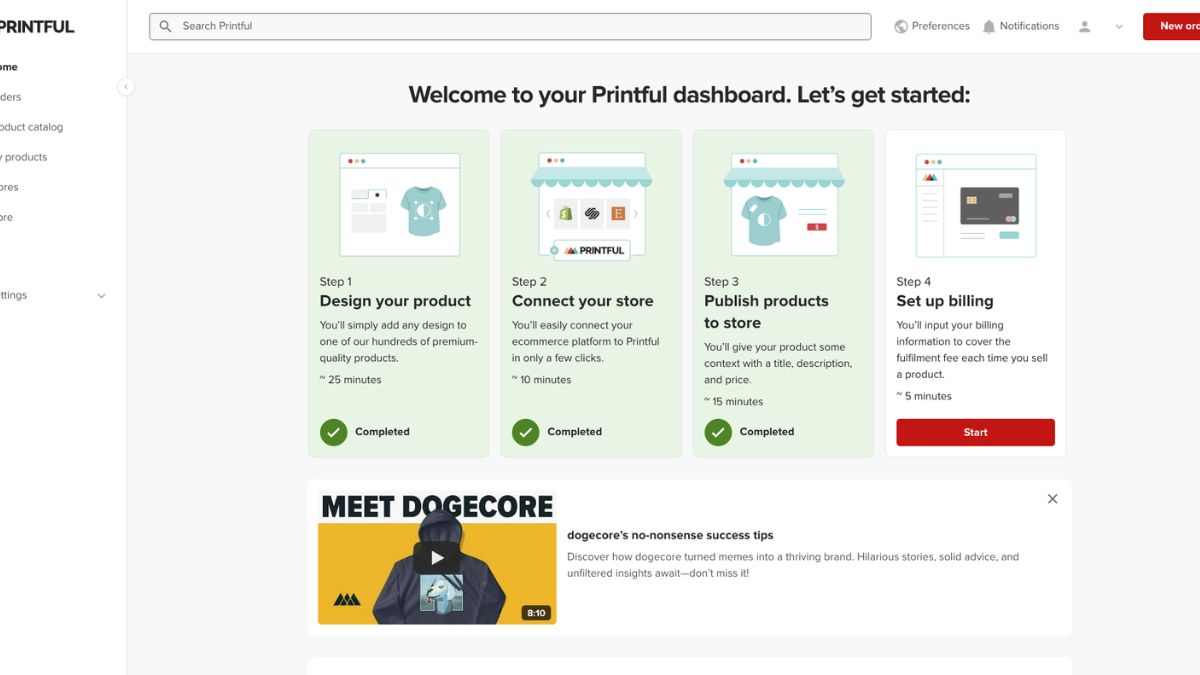
- Printful is a great fit when consistent quality and brand touches matter. It offers branding options like custom packing slips, and on select apparel, custom inner labels, which help your orders feel like they came from a real brand.
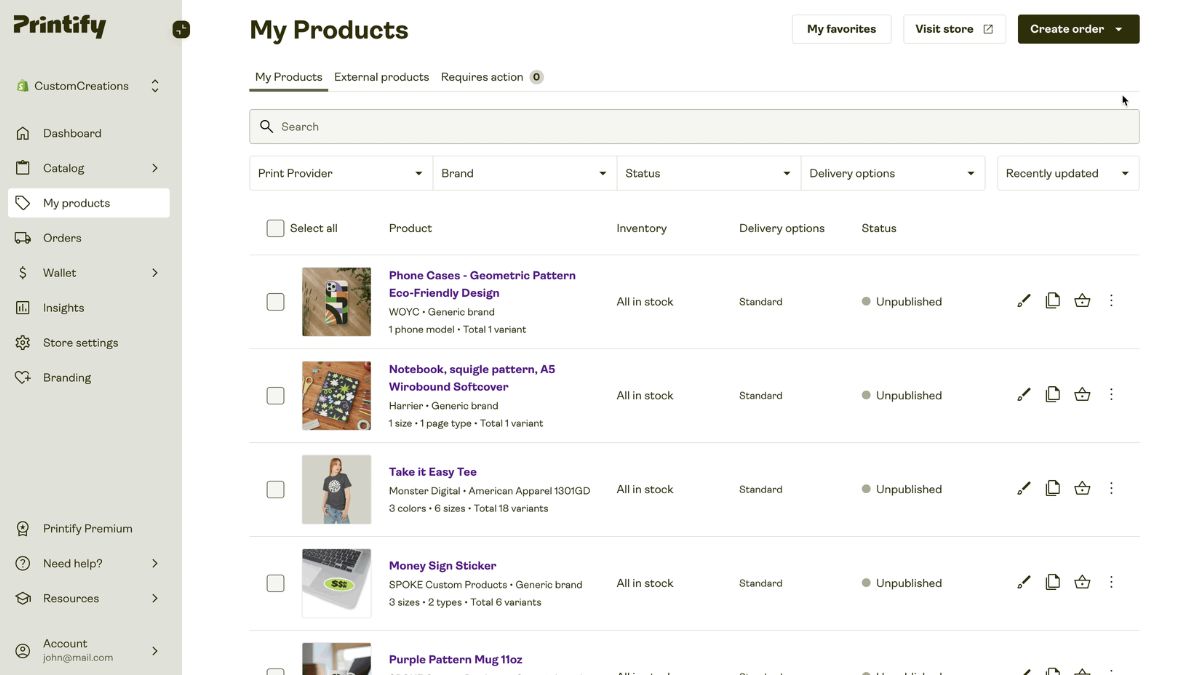
- Printify is great for catalog variety and flexibility, letting you find the right product and provider for each part of your line.
Both are free to open, and both integrate with major sales channels. Many brand-focused sellers use Printful for their signature items and Printify to round out their collection.
Step 6: Order Samples to Protect Your Brand Reputation
Your brand is only as strong as the product in your customer’s hands. Poor quality damages trust fast.
What to evaluate
- Print sharpness and color accuracy
- Fabric feel, fit, and durability
- Packaging and presentation
- Delivery speed and condition on arrival
Order samples from each platform and compare them side by side. Choose the partner and provider that match the quality your brand promises. Keep notes so you can spot patterns over time.
Pro tip: Use your samples to create authentic photos and videos. Real product imagery builds brand personality in a way generic mockups never can.
Step 7: Design the Customer Experience
Branding extends beyond your products. It shapes every touchpoint.
Key touchpoints
- Listing photos and descriptions: Clear, on-brand, and helpful.
- Checkout experience: Simple and trustworthy.
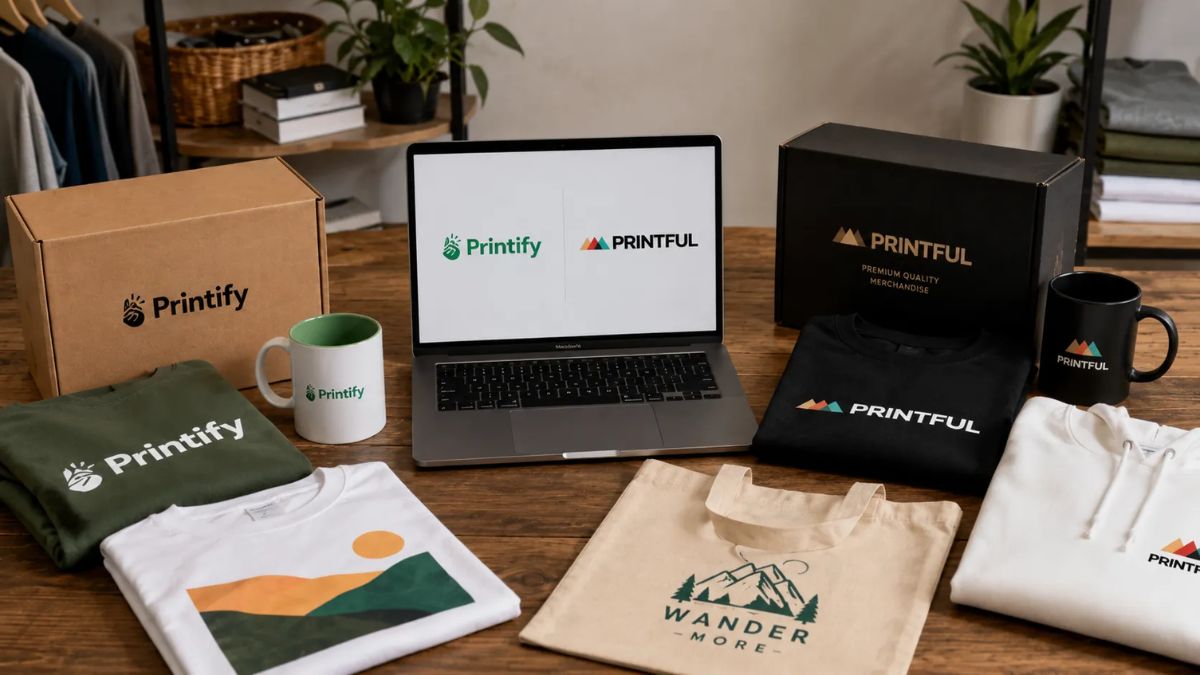
- Packing slips and inserts: A thank-you note or a discount code for next time (where supported by your platform).
- Shipping communication: Timely, friendly updates.
- Customer service: Warm, professional, and quick.
- Follow-up emails: Thank customers and invite reviews.
Small touches that create big impressions
- A short handwritten-style thank-you message on a packing slip
- A consistent tone in every reply
- A simple care instruction card for apparel
- Occasional surprise discounts for loyal customers
Step 8: Build Your Brand Presence Online
Your home base
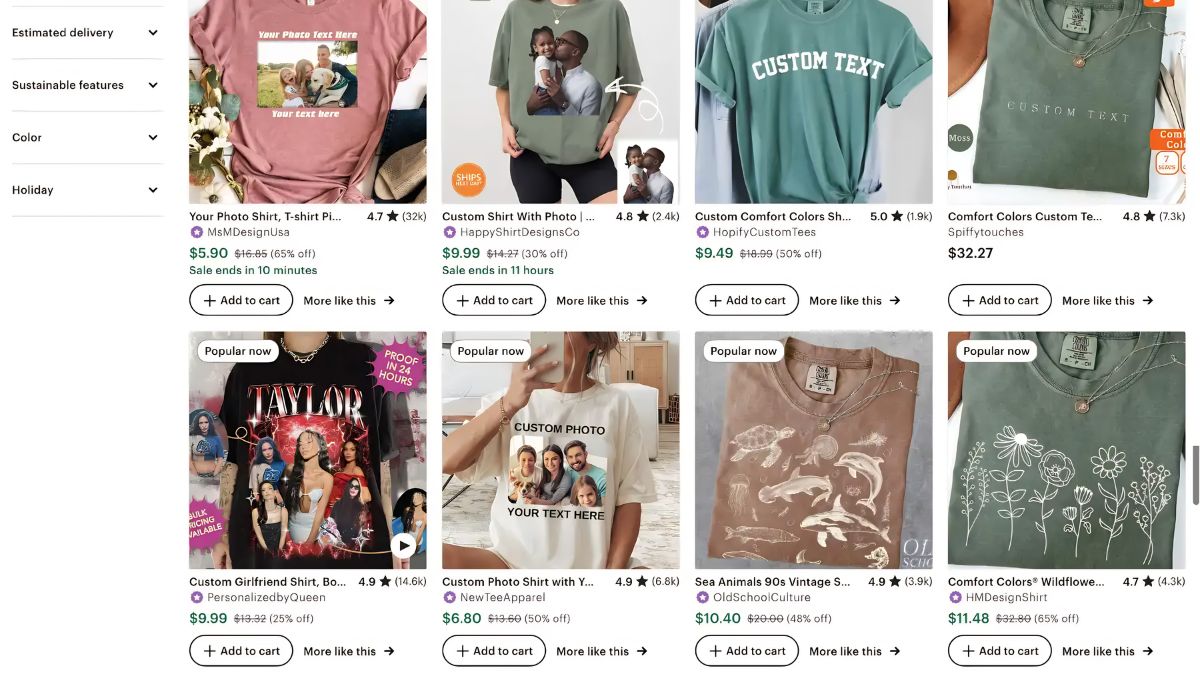
Consider having a home base you own, such as a Shopify store or a simple website, in addition to marketplaces like Etsy. Both Printful and Printify integrate with Shopify and other platforms, so you can expand without changing partners.
Social media
Choose one or two platforms where your audience actually spends time and show up consistently:
- Pinterest: Great for gifts, home décor, and lifestyle niches.
- Instagram and TikTok: Great for behind-the-scenes content and community building.
- Facebook groups: Useful for niche communities.
Content ideas that build brand
- Design process videos
- Story-driven posts about your customers and niche
- Product styling and gift ideas
- Polls that let your audience choose new designs
- Customer photos and testimonials, shared with permission
Email list
Start collecting emails early. Offer a small discount or a freebie, and send messages that reflect your voice and values. Email gives you a direct line to your audience that no algorithm can take away.
Step 9: Protect Your Brand
As your brand grows, protect it.
Practical steps
- Check trademarks before finalizing a name and slogan.
- Keep records of your original designs and creation dates.
- Avoid infringing on others. Never use protected characters, logos, or phrases.
- Monitor for copycats and report infringement through the appropriate channels.
- Consider legal advice as your revenue grows. Rules vary by country, and I’m not a lawyer, so please verify with a professional.
Step 10: Stay Consistent and Evolve
Branding is a long game. Consistency builds recognition, but you can refine over time.
A simple brand review routine
- Every quarter, review your visuals, voice, and product line.
- Look at customer feedback and reviews.
- Identify what resonates and what feels off-brand.
- Update templates and guidelines.
- Retire designs that don’t fit.
Small, thoughtful improvements compound over time.
Common Branding Mistakes to Avoid
- Trying to appeal to everyone
- Inconsistent fonts, colors, and tone
- Ignoring product quality
- Choosing a name without checking trademarks
- Copying other brands too closely
- Neglecting customer experience
- Rebranding too often
Your 30-Day Brand-Building Plan
Week 1: Define your audience and positioning, choose your brand name, and open accounts with Printful and Printify.
Week 2: Create your logo, color palette, fonts, and templates.
Week 3: Design a cohesive first collection and order samples.
Week 4: Launch your shop, publish your brand story, and begin sharing content consistently.
Build a Brand Customers Remember
Building a brand for your print on demand business is one of the best ways to escape the price wars and create something sustainable. When you know exactly who you serve, present a consistent visual identity, speak with a clear voice, and deliver quality products with a thoughtful customer experience, you become more than a seller. You become a brand people look for.
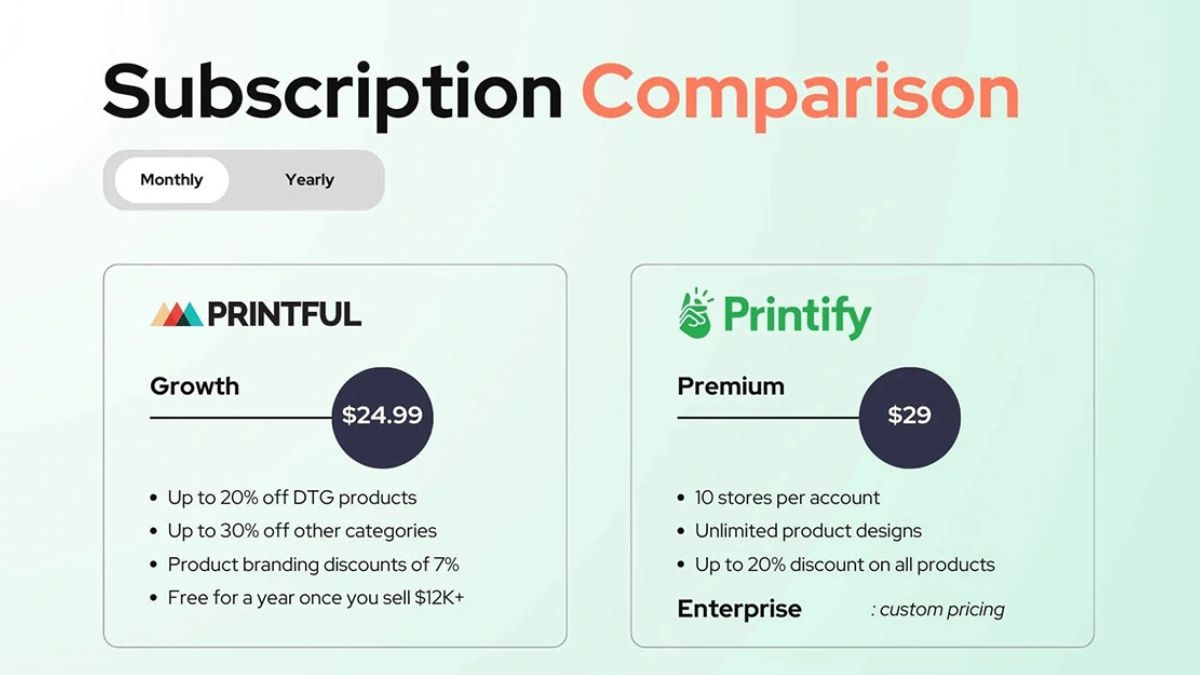
To bring that brand to life, join Printful for consistent quality and branding features, and join Printify for a wide catalog and flexible product options. Both are free to open, so you can start shaping your brand today. Define your audience, pick your colors, and create that first cohesive collection. Your future loyal customers are waiting!





Leave a Reply