

Did you know that women-owned businesses in the US now number over 14 million, and that number keeps climbing every single year? I became one of those statistics almost by accident — and honestly, almost by desperation.
I remember sitting in my car in a parking lot after another 10-hour shift, crying because I’d missed my daughter’s school pickup for the third time that week. I kept thinking, “There has to be another way to do this.” I had zero business background, no savings to speak of, and absolutely no idea where to start. Fast forward to today, and I run my own online business full-time, set my own hours, and haven’t missed a school pickup in over a year.
I’m not telling you this to brag. I’m telling you because if you’re sitting there right now wondering whether you actually have what it takes to be your own boss, I need you to know: you don’t need a business degree, a huge bank account, or some genius idea nobody’s ever had before. You need a plan. In this comprehensive guide, I’ll walk you through exactly how to plan your own online business step by step, so you can finally trade the 9-to-5 grind for a life you’re actually building on your own terms.
Why “Being Your Own Boss” Feels So Out of Reach (And Why It Isn’t)
Let me share the truth nobody tells you: most women don’t stay stuck in jobs they’ve outgrown because they lack ambition. They stay stuck because starting a business feels like this massive, undefined mountain with no clear first step.
Here’s what I learned the hard way — the women who successfully become their own boss aren’t smarter or braver than everyone else. They just broke the mountain down into small, doable steps instead of trying to figure out the whole climb on day one. That’s exactly what we’re doing together in this guide.
The biggest myths holding women back:
- “I need a totally original idea” — you don’t. Most profitable businesses are a better version of something that already works.
- “I need a lot of startup capital” — most online businesses can start for under $200.
- “I need to know everything before I start” — you’ll learn 80% of what you need by actually doing it.

Step 1: Choose a Business Model That Fits Your Life Right Now
Big mistake I made early on: I tried to copy someone else’s exact business model without asking whether it actually fit my schedule, skills, or life. Girl, was I wrong to think one-size-fits-all.
Here are the most accessible online business models for women starting out:
- Service-based freelancing (writing, virtual assistance, social media management, bookkeeping) — fastest path to your first dollar, low startup cost
- Digital products (templates, printables, ebooks, courses) — build once, sell repeatedly, true passive income potential
- E-commerce / print-on-demand — sell physical products without holding inventory
- Coaching or consulting — monetize expertise you already have from your career or life experience
- Content-based business (blogging, YouTube, social media) — build an audience first, monetize through multiple streams
Pro tip: Ask yourself three questions before picking your lane — What do I already know how to do? What can I realistically do in the hours I actually have? And what am I willing to learn quickly? Your answer to all three points you toward the right starting model, not whatever’s trending on social media that week.
Step 2: Build a Real Business Plan (It’s Simpler Than You Think)
I used to get nervous sweats thinking about “business plans” — I pictured spreadsheets and financial projections I had no idea how to build. Here’s the truth: your first plan just needs to answer four questions clearly.
- Who is your ideal customer? Get specific. “Busy moms” is too vague — “moms of toddlers who want to start a side income during nap time” is a customer you can actually market to.
- What problem are you solving for them? Every successful online business solves a specific, painful problem.
- How will you reach them? Pick one primary platform to start (Instagram, Pinterest, or a niche Facebook group) instead of trying to be everywhere at once.
- How will you make money? Know your price point and your first offer before you launch anything.
Write these four answers down on one page. That’s your real starting plan — you can refine it as you go, but you cannot skip having one.

Set Up the Boring-But-Important Basics
Here’s what I learned the hard way about the logistics side:
- Separate your business and personal finances from day one — even a free business checking account saves you a massive headache at tax time
- Look into a simple business structure (many women start as a sole proprietor or LLC — a quick search of your state’s requirements will tell you what’s needed)
- Track every expense and every dollar earned using a simple spreadsheet or free tool like Wave
- Set aside 25-30% of income for taxes from your very first sale so you’re never caught off guard
Step 3: Build Your First Offer and Get It in Front of People
This is where so many women get stuck perfecting something nobody’s seen yet. Trust me, an imperfect offer that’s actually live will always outperform a perfect one sitting in your drafts folder.
Here’s the simple launch sequence I still use for every new offer:
- Create a minimum viable version — your first course doesn’t need 12 modules; three solid ones will do
- Get 5-10 beta customers or clients at a discounted rate in exchange for honest feedback and testimonials
- Use those testimonials to refine your messaging and build trust with your next round of customers
- Raise your price once you have real proof your offer works
Pro tip: Don’t wait for a big following to start selling. My first $500 came from posting in three relevant Facebook groups and DMing people I already knew who fit my ideal customer description. Little did I know that “small and scrappy” would outperform “big and polished” every time in those early months.

Step 4: Set Up Systems So Your Business Doesn’t Run Your Life
The whole point of being your own boss is freedom — but I’ve watched so many women accidentally build themselves a harder job than the one they left, because they never set up systems.
- Batch your content and admin tasks into set days instead of scattering them across every day
- Automate what you can — email welcome sequences, scheduled social posts, and payment reminders should run without you
- Set actual work hours and communicate them to clients and customers — “always available” is a fast track to burnout
- Outsource the tasks that drain you as soon as your income allows it, even if it’s just five hours a month of help
This is genuinely the secret weapon that separates women who build sustainable businesses from women who quietly burn out and quit within a year: systems built early save you from chaos later.

Step 5: How to Stay the Course When It Gets Hard
Here’s the part of this guide I care about most, because a solid plan means nothing if you give up on the slow, uncertain middle stretch.
Give yourself a real timeline. Most online businesses take 6-12 months to build real, consistent momentum. Knowing this upfront stops you from panicking in month two.
Track progress, not just income. Your first client, your first sale, your first “this changed my life” message from a customer — these all matter and deserve to be celebrated on the way to bigger numbers.
Protect your energy fiercely. You cannot build a sustainable business from a place of constant exhaustion. Guard your sleep, your boundaries, and your “no” as seriously as you guard your business hours.
Find your community. Isolation kills more businesses than bad strategy does. Find a mastermind group, a mentor, or even one other woman on the same path who understands exactly what you’re building and why it matters.
I wish someone had told me on that hard night in the parking lot that the version of me who was scared and had no idea what she was doing would still make it — slowly, imperfectly, but for real. If you’re in that same place right now, I need you to hear it too.
Your Own Boss Journey Starts With One Clear Plan
Becoming your own boss with an online business isn’t about having it all figured out before you start — it’s about choosing a business model that fits your real life, building a simple plan you can actually follow, launching an imperfect offer, and setting up systems that protect your time and energy. Do those four things consistently, and the momentum builds itself.
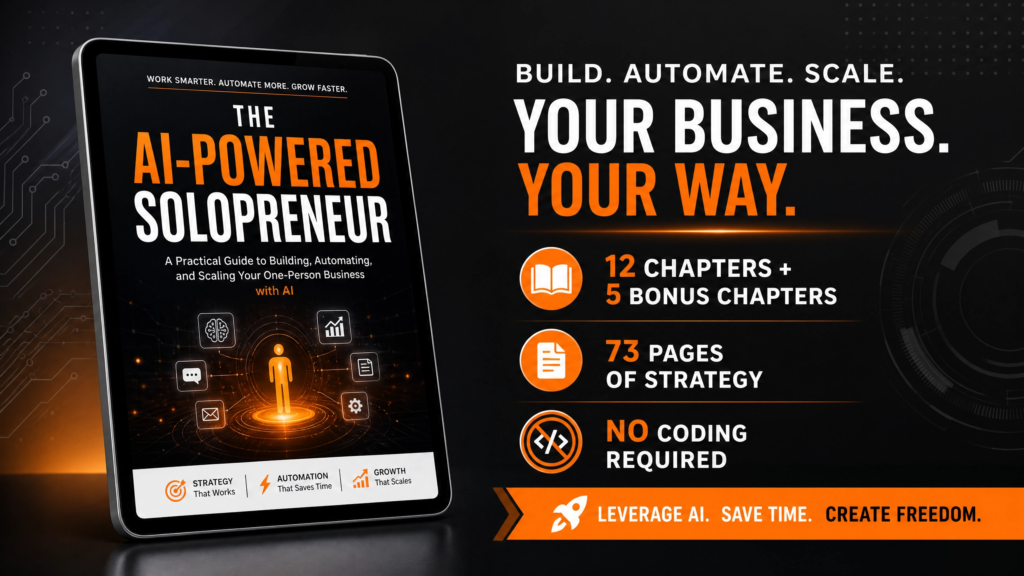
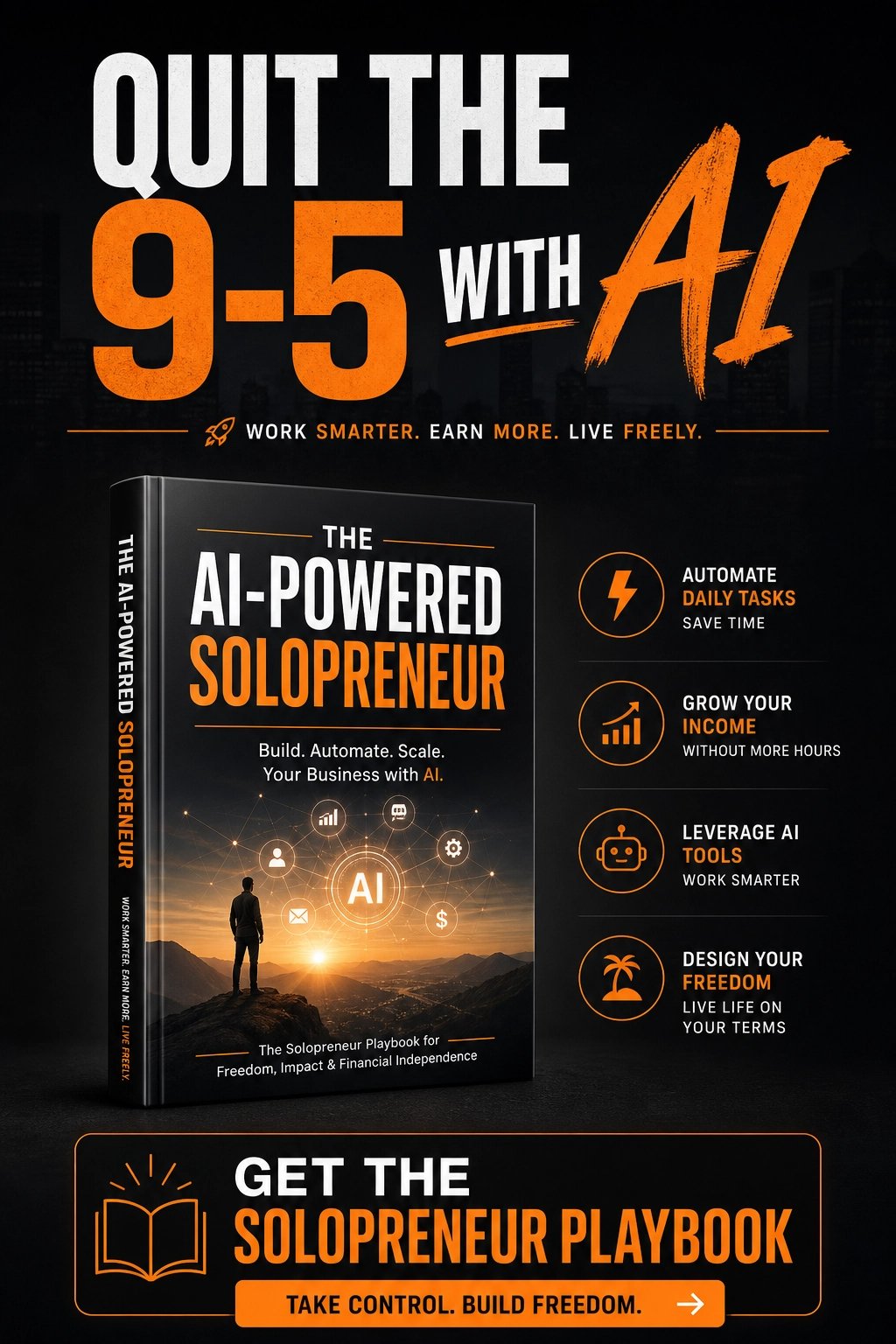
If you want a complete, done-for-you roadmap instead of piecing this together on your own, The AI-Powered Solopreneur is exactly the kind of step-by-step system I wish I’d had starting out — it walks you through 7 different income models across 73 pages, with ready-to-use prompts and templates so you can build your own online business without needing to code or figure everything out from scratch.
You don’t need permission, a business degree, or a perfect plan to start. You just need to take the first small step. Now go take it, lady boss — your own-boss life is waiting.






Leave a Reply