

A friend of mine once spent most of her savings ordering a thousand units of a “can’t-miss” product she’d found through a video course. The product looked great in the pictures. When it arrived, the quality was uneven, the packaging was wrong, and three competitors had already launched near-identical versions with lower prices. She called me from her garage, surrounded by boxes, and said, “Nobody told me the hard part starts after you click ‘order.'”
Selling your own branded product through a large marketplace (often called private label) is a real business model, and some people build serious companies with it. But it’s very different from earning from home with a laptop and a skill. It requires capital, product development, quality control, regulatory knowledge, advertising, and customer service. And the ecosystem around it is changing fast: AI shopping is rising, so product data and reviews matter in new ways. Google’s AI Mode sent about 57% of its product links to Google Shopping in one study, ad costs keep climbing, shoppers can save and compare products across retailers, and marketplaces are tightening listing and review rules.
In this guide, I’ll give you an honest reality check on Amazon-style private label selling for beginners: what it involves, what it costs, where it goes wrong, how to evaluate it, and lower-risk ways to learn. (This is general information, not financial advice. Many new sellers lose money, and nothing here guarantees income.)
What Private Label Means
You choose a product that already exists, have a manufacturer produce it under your brand (possibly with modifications), ship it to a fulfillment center or your own location, and sell it online. You handle:
- Product selection and design
- Supplier sourcing and quality control
- Branding, packaging, and listing creation
- Shipping and import logistics
- Marketing and advertising
- Customer service, returns, and reviews
- Taxes, compliance, and legal requirements
The Real Costs and Risks
1. Upfront capital
You typically pay for samples, inventory, packaging, inspections, shipping, fees, and advertising before you earn anything. A first order can tie up thousands of dollars, and unsold inventory is a real loss.
2. Quality and safety risk
If your product is defective or unsafe, you’re responsible. Products for children, cosmetics, supplements, electronics, and anything touching food have strict regulations that vary by location.
3. Competition and price pressure
Popular products often have many sellers and aggressive pricing. New listings need sales and reviews to rank, which usually means spending on ads.
4. Advertising costs
Marketplace ads, off-platform ads, and creators all cost money, and costs have been rising. If your margin is thin, ads can erase it.

5. Fees
Marketplaces charge referral fees, fulfillment fees, storage fees, and sometimes extra charges for returns or aged inventory. Read the current fee schedule carefully, because it changes.
6. Rules and account risk
- Review manipulation is prohibited, and accounts can be suspended.
- Intellectual property rules are strict. Selling items that infringe trademarks, patents, or designs can lead to takedowns and legal claims.
- Listing and category rules vary, and some categories require approval.
- Account suspensions can freeze inventory and funds.
7. Dependence on one platform
If most of your sales come from one marketplace, a policy change or suspension can crush your business.
The Math You Must Do First
For one product:
- Selling price: $___
- Manufacturing cost per unit: $___
- Shipping and import costs per unit: $___
- Marketplace referral and fulfillment fees per unit: $___
- Estimated advertising cost per sale: $___
- Returns and damage allowance: $___
- Profit per unit: $___
- Total upfront investment for a first order: $___
- Units you need to sell to break even: ___
If the numbers only work when everything goes perfectly, the risk is too high.
Lower-Risk Ways to Learn E-Commerce
If you’re curious, you don’t have to start with a big inventory order. Consider:
- Selling secondhand items to learn listings, shipping, and customers
- Creating a handmade product in small batches and testing demand through markets and online listings
- Selling digital products with no inventory
- Affiliate marketing for products you actually use
- Offering services to e-commerce sellers, such as copywriting, design, customer support, or listing optimization
- Working with an existing seller as a freelancer to learn how the business operates
These routes teach you about customers, margins, and marketing before you commit large amounts of money.
If You Still Want to Try Private Label
- Set a budget you can afford to lose entirely.
- Choose a product you understand and can improve in a meaningful way.
- Check regulations and certifications for your category before ordering.
- Order samples from several suppliers, inspect them yourself, and consider a third-party inspection.
- Start with a small first order if the supplier allows it.
- Protect your brand: research trademarks and check for existing patents or designs.
- Plan for honest reviews: get feedback through legitimate channels, such as follow-up emails that comply with platform rules, and never buy or fake reviews.
- Diversify your sales channels over time, such as your own store and an email list.
- Track everything and decide in advance when to stop.
Red Flags in Courses and Services
- Guaranteed income promises
- Pressure to pay for exclusive suppliers or products
- Vague details about costs and risks
- Screenshots without context
- Requests for your account credentials or access
- No refunds
- Promises of “passive income”
See our guide on vetting online courses and coaching programs before you buy.

Mistakes to Avoid
- Ordering large inventory without testing.
- Ignoring safety and compliance rules.
- Selecting a product with no clear advantage.
- Underestimating advertising and fees.
- Buying or manipulating reviews.
- Relying on a single marketplace.
- Using money you can’t afford to lose.
Your 30-Day Evaluation Plan
- Week 1: Research three product ideas and do the full profit math.
- Week 2: Research regulations, trademarks, and competitors.
- Week 3: Order samples from several suppliers and test them.
- Week 4: Decide: run a small capped test, choose a lower-risk model, or skip it.
Build Your Online Income on a Roadmap
If you’d like a beginner-friendly roadmap for making money online as a stay-at-home mom, take a look at my ebook:
The Stay-At-Home Mom’s Guide To Making Money Online
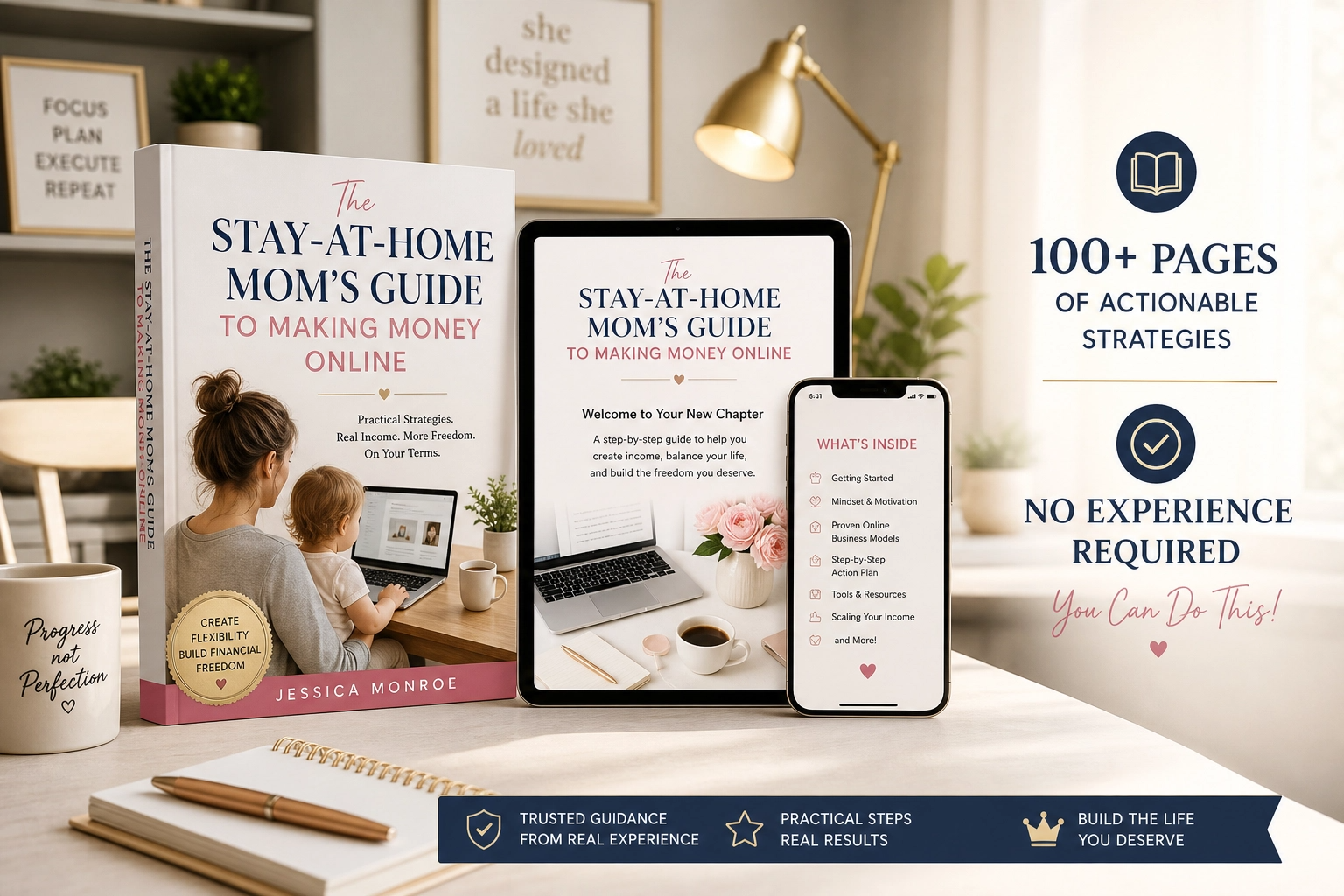
Trust me, understanding the real costs protects both your savings and your confidence.
Final Thoughts
Private label selling can work, but it’s a real business with real capital, risk, and responsibility. Do the math, check regulations, test samples, start small, and consider lower-risk ways to learn first. The best decision is the one you make with your eyes open.










Leave a Reply