


One of the hardest parts of earning online is that most income resets every month. You finish a project, get paid, and then start again from zero. I remember the feeling of watching my bank balance after a great month and thinking, “Wonderful. Now I have to do it all again.” That’s why recurring income, where people pay a small amount regularly for ongoing value, is so appealing to freelancers, creators, and small business owners.
The idea isn’t new, but the tools are. Platforms now make it easy to charge for subscriptions, communities, and premium content. Newsletter platforms report large numbers of paid subscriptions, platforms like LinkedIn are testing creator monetization and paid consultations, and creators are being treated as small businesses with real recurring revenue needs. At the same time, platforms keep changing rules and limiting link reach, so owning a direct relationship with paying members matters more than ever.
In this guide, I’ll explain membership and subscription business ideas for moms: how they work, which models fit busy schedules, how to price and deliver, how to keep members, and how to avoid burnout. (Income varies and isn’t guaranteed, and most memberships grow slowly.)
What Is a Membership or Subscription Business?
People pay a recurring fee (monthly or yearly) for ongoing access to something valuable. It can be:
- Content: exclusive articles, videos, or templates
- Community: a private space for support and conversation
- Education: monthly lessons, workshops, or challenges
- Service access: a monthly check-in, office hours, or support
- Products: a regularly delivered box or digital download
The key is continuing value. People stay when each month feels worth it.

Membership Models That Suit Busy Moms
1. Template or resource club
A monthly drop of new printables, planners, checklists, or templates for a specific audience (meal planning, homeschool, budgeting, small business).
Why it works: you create reusable assets in batches, and members get steady value.
2. Community with light structure
A private group for a niche, such as work-from-home moms, new freelancers, or homeschool parents, with a monthly theme, one live Q&A, and member introductions.
Why it works: many people crave belonging and accountability more than content.
3. Monthly workshop or challenge
A live or recorded session each month, plus a worksheet.
Why it works: it builds on the workshop skills you can reuse and gives members a reason to show up.

4. Office hours membership
Members pay for access to a monthly Q&A or small-group call where they bring questions.
Why it works: it’s easy to deliver and highly valued by people who want guidance without full coaching.
5. Premium newsletter
A free newsletter plus paid tiers with deeper content, templates, or interviews.
Why it works: it grows from an audience you already have.
6. Subscription box (physical)
A curated box of items delivered monthly. This model involves inventory, shipping, and logistics, so it’s riskier and more capital-intensive. Consider starting with a digital version.
Is a Membership Right for You?
Good fit if you:
- Have an audience or community that already engages with you
- Can deliver consistent value each month
- Enjoy interacting with the same people over time
Wait if you:
- Have no audience or email list yet
- Can’t commit to a steady schedule
- Want quick income. Memberships usually start small and build over time

Step 1: Choose a Clear Promise
Write: “Every month, members get [specific benefit] so they can [specific result].”
Examples:
- “Every month, members get a new set of meal-planning templates so dinner stops being a daily crisis.”
- “Every month, members join a live Q&A and get feedback on their freelance profile.”
Step 2: Start Small and Validate
- Invite 10 to 20 people from your audience to a founding membership at a lower price.
- Run it for two or three months and gather feedback.
- Learn what members use and what they ignore.
- Decide whether to expand, adjust, or stop.
Step 3: Choose Your Platform
Look for tools that handle payments, member access, and communication. Compare:
- Fees (platform and payment processing)
- Ease of use
- Ability to export your member list
- Features: content libraries, community spaces, live events, and email
- Support for taxes and refunds
Start simple, and make sure you can move your list if needed.

Step 4: Price and Structure
- Research similar memberships and think about the value you provide.
- Offer monthly and annual options. Annual plans give you cash up front and reduce churn.
- Consider a founding-member price for early supporters.
- Be clear about what’s included and what’s not.
- State your refund and cancellation policy.
Step 5: Plan Your Content Calendar
To avoid burnout:
- Batch create: produce a month of content in a few sessions.
- Use repeating formats: monthly theme, weekly prompt, and a live session.
- Reuse and refresh assets instead of reinventing them.
- Use AI as a helper for outlines and drafts, then edit in your voice and verify facts.
- Don’t promise more than you can deliver.
Step 6: Onboard Members Well
- Send a welcome email with what to expect and how to get started.
- Give a quick-win task for the first week.
- Introduce community norms if you run a group.
- Check in with new members after two weeks.
Step 7: Reduce Churn
Members leave when value feels unclear or life gets busy. Help them stay:
- Remind them of results: share progress, wins, and highlights.
- Ask for feedback often.
- Offer pause options instead of cancelation where possible.
- Celebrate milestones.
- Keep content easy to consume.
- Make cancellation simple and respectful. Dark patterns hurt trust and may break rules.

Step 8: Protect Your Members and Yourself
- Follow consumer protection and subscription rules where you operate, including clear terms for renewals and easy cancellation.
- Protect member data and follow privacy and email consent rules.
- Moderate communities and set clear guidelines.
- Don’t offer health, legal, or financial advice you’re not qualified to give.
- Disclose sponsors and affiliate links.
- Handle taxes: in the U.S., net self-employment earnings of $400 or more trigger self-employment tax, and sales tax rules for digital subscriptions vary by location.
Mistakes to Avoid
- Launching without an audience.
- Overpromising content you can’t sustain.
- Underpricing so much that you burn out.
- Making cancellation difficult.
- Ignoring member feedback.
- Letting the community become a second full-time job.
- Failing to batch and systemize.
Your 30-Day Launch Plan
- Week 1: Choose your model and promise, and invite 20 people to a founding group.
- Week 2: Set up your platform, pricing, and policies.
- Week 3: Create your first month’s content in a batch, and open enrollment.
- Week 4: Welcome members, run your first live session, and ask for feedback.
Build Your Online Income on a Roadmap
If you’d like a beginner-friendly roadmap for making money online as a stay-at-home mom, take a look at my ebook:
The Stay-At-Home Mom’s Guide To Making Money Online
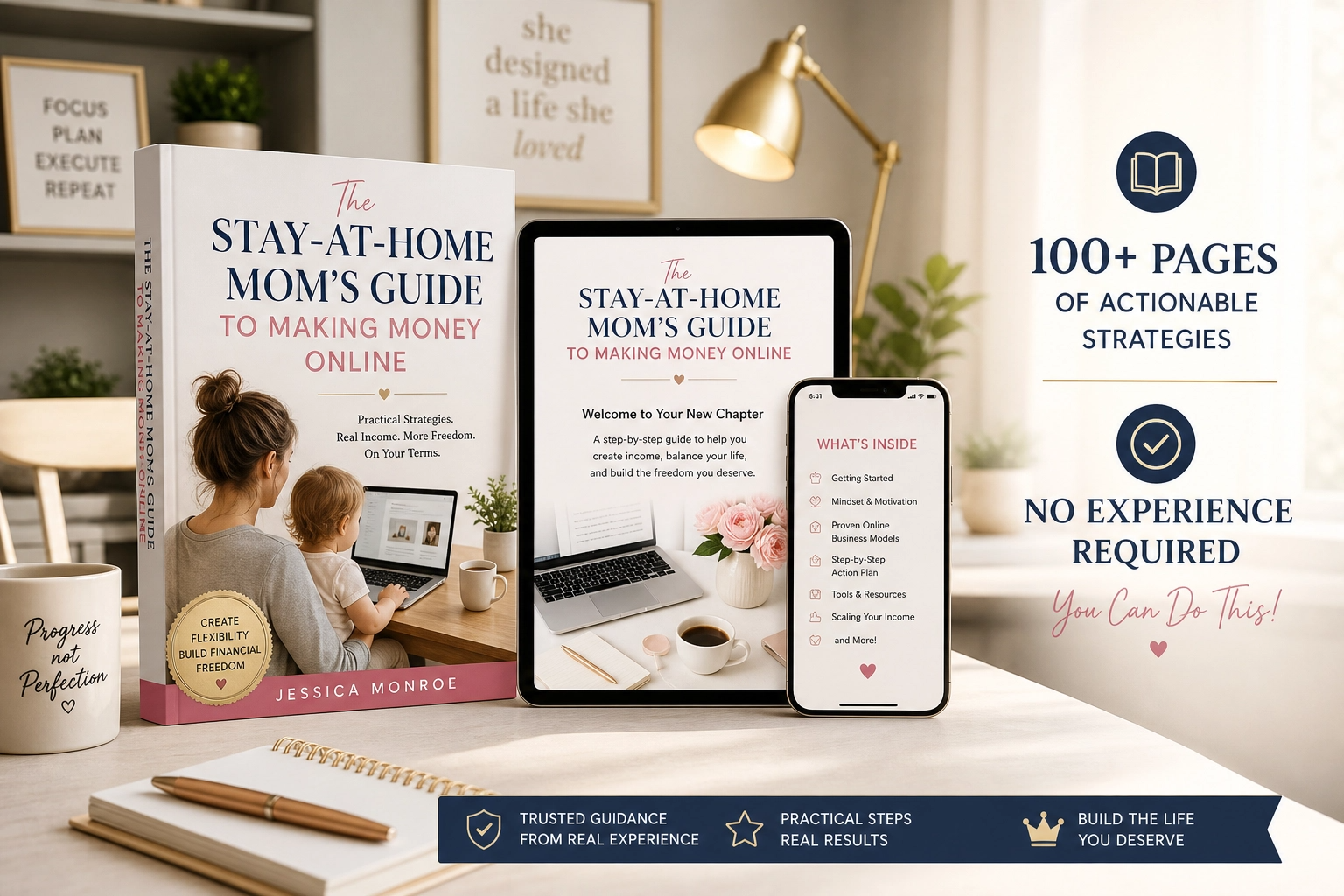
Trust me, recurring income starts with steady value, not clever tricks.
Final Thoughts
A membership can turn your knowledge and community into recurring income, but it works best when you start small, deliver consistently, and listen to members. Choose a clear promise, validate it with a founding group, batch your content, and protect your time. Slow, steady value is what keeps people subscribed.










Leave a Reply