


The first time someone paid me because of my personal brand, it wasn’t a big sponsorship or a viral moment. A stranger emailed to say, “I’ve been reading your posts for months. Can you help me with this?” I almost didn’t reply because I felt like an imposter. I’m so glad I did. That one email taught me that a personal brand is really a trust engine, and trust turns into income.
This fall’s creator-economy news makes the opportunity clearer than ever. Brand budgets for creators are growing and getting their own budget lines, pay models are shifting toward performance, YouTube launched a Shorts bonus program, affiliate tools keep expanding, and platforms are building new ways for brands to find creators. But the same news shows that the money is going to people who can prove results.
In this guide to how to monetize your personal brand in 2026, I’ll walk through the main income streams, the newest data, and a step-by-step plan for choosing where to start.
The Money Picture in 2026
Here’s what recent reports say:
- Budgets are rising. CreatorIQ’s State of Creator Marketing 2026-2027 report (released September 30, surveying around 2,000 brand and agency decision-makers) found the average organization invests about $4.8 million in creator marketing, up roughly 33% year over year. The share of creator budgets carved out of paid media fell from about 64% to 52%, which suggests creator marketing is getting its own budget.
- Results matter. About 48% of brands in that report said they get 3x ROI or better, but many teams struggle to measure creator performance. That means creators who can show their own numbers stand out.
- Performance pay is growing. Creator-economy newsletters reported that performance-based pay models now make up around half of creator deals. ShopMy’s Spotlights tool, launched September 30, identifies creator posts already driving affiliate sales and runs them as Meta Partnership Ads and TikTok Spark Ads, paying creators commission instead of a one-time usage fee (the case study figures are vendor-supplied).
- Platforms are paying for consistency. YouTube’s invite-only Shorts bonus program offers guaranteed payments for posting a set number of Shorts per month, plus extra payments based on engaged views, along with shopping affiliate bonuses.
- Tools for brand discovery are improving. LinkedIn is testing better creator discovery for B2B marketers, and Meta’s Creator Marketing Hub and Instagram live video ads give brands more ways to put money behind creator content.
Here’s the truth: the opportunity is real, but it favors creators with a clear niche, proof of results, and diversified income.
7 Ways to Earn From a Personal Brand
1. Services (fastest to start)
Offer your expertise directly: coaching, consulting, freelance work, done-for-you services, or workshops. Your content becomes your sales pitch, and warm leads often come through DMs and emails.
- Best for: People with professional skills
- First step: Create one clear offer with a price, outcome, and timeline
2. Digital products (scalable)
Templates, guides, checklists, mini-courses, and ebooks let you sell the same knowledge repeatedly.
- Best for: People who answer the same questions often
- First step: Turn your most-asked question into a short, practical product
3. Affiliate income (low barrier)
Recommend products you truly use and earn a commission. Platforms keep expanding tools here, including YouTube’s shopping affiliate program and TikTok Shop.
A recent report on TikTok Shop found creators who posted 20 or more videos averaged about $74 per video versus about $7 for creators who posted once. The lesson isn’t the exact numbers, but that consistency and testing beat a single post.
- Best for: Reviewers, lifestyle creators, educators
- First step: Pick 3 to 5 products you genuinely use and make honest demonstrations
4. Brand partnerships
Brands pay for content, usage rights, and audience access. Increasingly, deals include performance components such as commission or bonuses.
- Best for: Creators with a defined niche and proof of engagement
- First step: Build a simple media kit with audience information, past results, and your rates
5. Platform payouts
Programs like YouTube’s Shorts bonuses can add income, but they change frequently and may be invite-only. Treat them as a bonus, not a business plan.
6. Community and memberships
Charge for access to a private community, live Q&As, or premium content. This works when you have a loyal audience and a recurring promise.
7. Speaking and partnerships
Once you’re known for a topic, you may be invited to speak, appear on podcasts, or collaborate on projects. These often come from consistent visibility over time.
How to Choose Where to Start
Ask yourself three questions:
- What do people already ask me for? That points to your first service or product.
- How quickly do I need income? Services pay faster. Products and memberships take longer but scale.
- How much time can I commit weekly? Affiliate and product models need steady content. Services need delivery time.
My recommended path for most beginners: start with one service or small digital product, add affiliate recommendations that fit naturally, then pursue brand deals once you have proof.
Protect Yourself When You Take Brand Deals
- Get everything in writing: deliverables, deadlines, usage rights, exclusivity, payment terms.
- Ask about attribution if you’re paid on commission: how are sales tracked and for how long?
- Negotiate usage rights separately if the brand wants to run your content as ads.
- Disclose partnerships clearly using each platform’s tools.
- Be careful with AI clauses: ask whether AI-generated voices or actors will be used and who owns the assets.
- Track everything in a simple spreadsheet so you know what you’re owed.
Pro tip: If you use an AI assistant tool offered by a platform to review offers, treat it as a second opinion, not a replacement for reading the contract yourself.
Build a Proof Pack
Brands and clients want evidence. Gather:
- Screenshots of analytics (with permission to share)
- Case studies with a problem, action, and result
- Testimonials from clients or collaborators
- Examples of content that performed well
- Trackable links or discount codes for each collaboration
A 60-Day Monetization Plan
- Days 1-10: Clarify your niche and define one clear offer. Write a one-page description with price and outcome.
- Days 11-20: Create a simple sales page or link page, and collect two testimonials or practice case studies.
- Days 21-35: Share content daily or weekly that leads naturally to your offer. Reply to every inquiry personally.
- Days 36-50: Test one affiliate recommendation or digital product, and track clicks and sales.
- Days 51-60: Build a media kit and pitch five brands that truly fit your audience.
Build the Brand Behind the Income
Income follows clarity. When people instantly understand who you help and why they should trust you, offers sell more easily. If you’d like a step-by-step framework for positioning yourself and building a brand people trust, take a look at my guide:
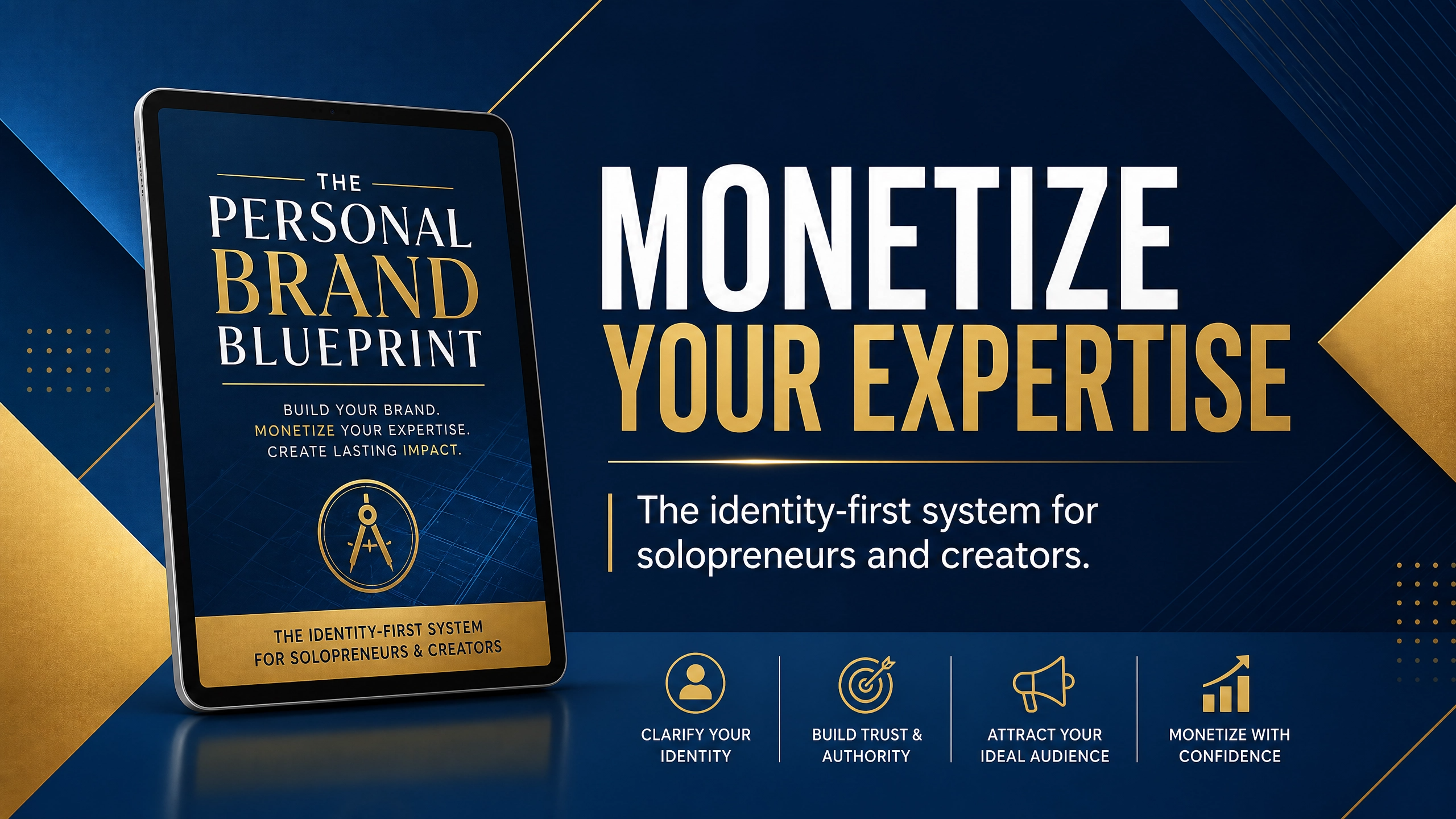
Trust me, I wish I’d had it before I priced my first offer.
Final Thoughts
Monetizing a personal brand isn’t about selling harder. It’s about solving a specific problem so well that people ask how to work with you. Start with one simple offer, collect proof, diversify your income gradually, and track your results. The creators who win in 2026 won’t be the loudest. They’ll be the clearest, the most consistent, and the most trusted.








Leave a Reply