

I have a small confession. Last year I used an AI tool to draft a post, barely edited it, and hit publish. It got a handful of likes, and one friend texted me: “This doesn’t sound like you.” Ouch. She was right. It was fine, but it was nobody. And a personal brand that sounds like nobody is not a brand at all.
That feeling is exactly what platforms and audiences are reacting to in 2026. Instagram now labels and limits undisclosed AI-generated personas, Google has toughened its language on fake authorship, and surveys suggest many people simply don’t want to follow an AI “influencer.” Meanwhile, tools for creating content faster keep getting better.
So how do you use AI without losing yourself? In this guide to personal branding in the AI era, I’ll share what changed this year, what audiences say they want, and a practical “human-first” framework you can start using today.
What Changed in 2026
Here are the key platform and search updates from this year, based on industry reporting:
- Instagram’s AI-generated profile label. After testing an opt-in “AI creator” label in May, Instagram renamed it the “AI-generated profile” label on August 31 and began limiting reach and recommendations for profiles built around an AI-generated person that skip the label. Instagram has said the label isn’t required for every use of AI, so a real creator using AI tools occasionally is a different situation.
- Instagram’s stance on “AI slop.” In a recent Q&A, Instagram chief Adam Mosseri said the platform doesn’t reduce reach simply because something is AI-made, that ranking aims to show people content they’re interested in, and that Instagram wants to find better ways to tell people when something was generated with AI.
- YouTube’s creator protections and monetization rules. Likeness detection was extended to every creator aged 18 and over in May, and YouTube has clarified that repetitive, template-style content may not qualify for monetization. On October 1 it also announced Shorts recommendations will favor original content over re-uploads.
- TikTok Shop’s AI voice rule. Since May 23, AI voices standing in for live presenters have been banned on TikTok Shop.
- Google’s helpful content guidance. Recent updates stress effort, originality, skill and experience, and accuracy, with stronger language against deceptive authorship such as fake personas and fabricated bios. Google also said it’s critical to fact-check AI-generated content by hand before publishing.
Here’s the truth: platforms aren’t banning AI. They’re rewarding honesty, originality, and real humans.
What Audiences Say They Want
Surveys reported alongside the Instagram changes found that only about 23% of adults globally say they’re likely to consume content from AI-generated influencers, and around 47% of U.S. adults say they’re very unlikely to follow one. Branding analysts have also noted that personal branding is moving away from performance and toward honesty, ownership, and real relationships, with audiences preferring calm expertise over loud confidence.
That doesn’t mean people hate AI-assisted work. It means they care about trust. They want to know there’s a real person behind the advice, the product, or the story.

The Human-First Personal Brand Framework
Here’s the simple framework I use. Think of it as four layers, and AI should only touch the first one or two.
Layer 1: Research and Structure (AI can help)
- Brainstorm topic ideas and questions your audience might ask
- Build outlines and check for missing sections
- Summarize your own notes, interviews, or transcripts
- Clean up grammar and tighten sentences
Layer 2: Drafting (AI can assist, you must rewrite)
- Use AI for a rough first pass only if you then rewrite in your voice
- Replace generic phrases with your own words and examples
- Cut anything you wouldn’t say out loud
Layer 3: Proof (must come from you)
- Personal stories and lessons learned
- Real results, screenshots, numbers, and mistakes
- Opinions and “here’s what I’d do” advice
- Customer stories, with permission
Layer 4: Presence (must be you)
- Your face and voice in videos and live sessions
- Real conversations in comments and DMs
- Showing up at events, in communities, and on calls
Pro tip: If anyone could have published your post with a ten-second prompt, it isn’t ready. Add one thing only you could say.

A Simple AI Disclosure Policy
You don’t have to disclose every spell-check, but a short, honest policy builds trust and protects you if platform rules tighten. Here’s one you can adapt:
- “I use AI tools for brainstorming and editing. My opinions, stories, and results are my own.”
- Add platform AI labels where required for realistic synthetic images, video, or audio.
- Never invent quotes, statistics, testimonials, or sources.
- Never present an AI-generated face or voice as a real person.
Put it on your About page or link page. It takes five minutes and signals integrity.
Protect Your Name and Likeness
- Turn on likeness protection where available (such as YouTube’s tool for creators 18 and over).
- Keep proof of your originals: raw files, drafts, and posting dates.
- Claim your handles across platforms so nobody can impersonate you.
- Use one consistent name and bio everywhere, so people (and search engines) connect the dots.
- Watch for impersonators and report them quickly.

How to Stand Out When Content Is Cheap
When anyone can produce an average post in seconds, differentiation comes from things AI can’t fake:
- A clear point of view. Say what you believe, and what you disagree with.
- Lived experience. Your failures and lessons are your moat.
- Community. Invite people into your process, ask questions, and reply.
- Consistency over months. Trust compounds slowly.
- A recognizable style. Your phrases, your examples, your humor.
Common Mistakes to Avoid
- Publishing unedited AI drafts. Readers and algorithms notice sameness.
- Using an AI avatar as your “face” without disclosure. It can limit reach and damage trust.
- Faking credentials or testimonials. This can cross into deceptive authorship.
- Hiding behind templates. Repetitive formats can hurt monetization and reach.
- Ignoring fact-checking. One wrong claim can undo months of credibility.

A 7-Day Authenticity Reset
- Day 1: Review your last 10 posts. Which ones sound like you? Which don’t?
- Day 2: Write a three-sentence “what I believe” statement.
- Day 3: Add a short AI-use note to your About page.
- Day 4: Record one short, unpolished video explaining a lesson you learned.
- Day 5: Turn on likeness protection and secure your handles.
- Day 6: Reply thoughtfully to ten comments or messages.
- Day 7: Plan next month’s content around your stories and proof.
Build a Brand That AI Can’t Copy
AI is a great assistant, but it can’t be you. If you want a step-by-step framework for finding your positioning, shaping your story, and building a brand people trust, my guide can help you do it with confidence:
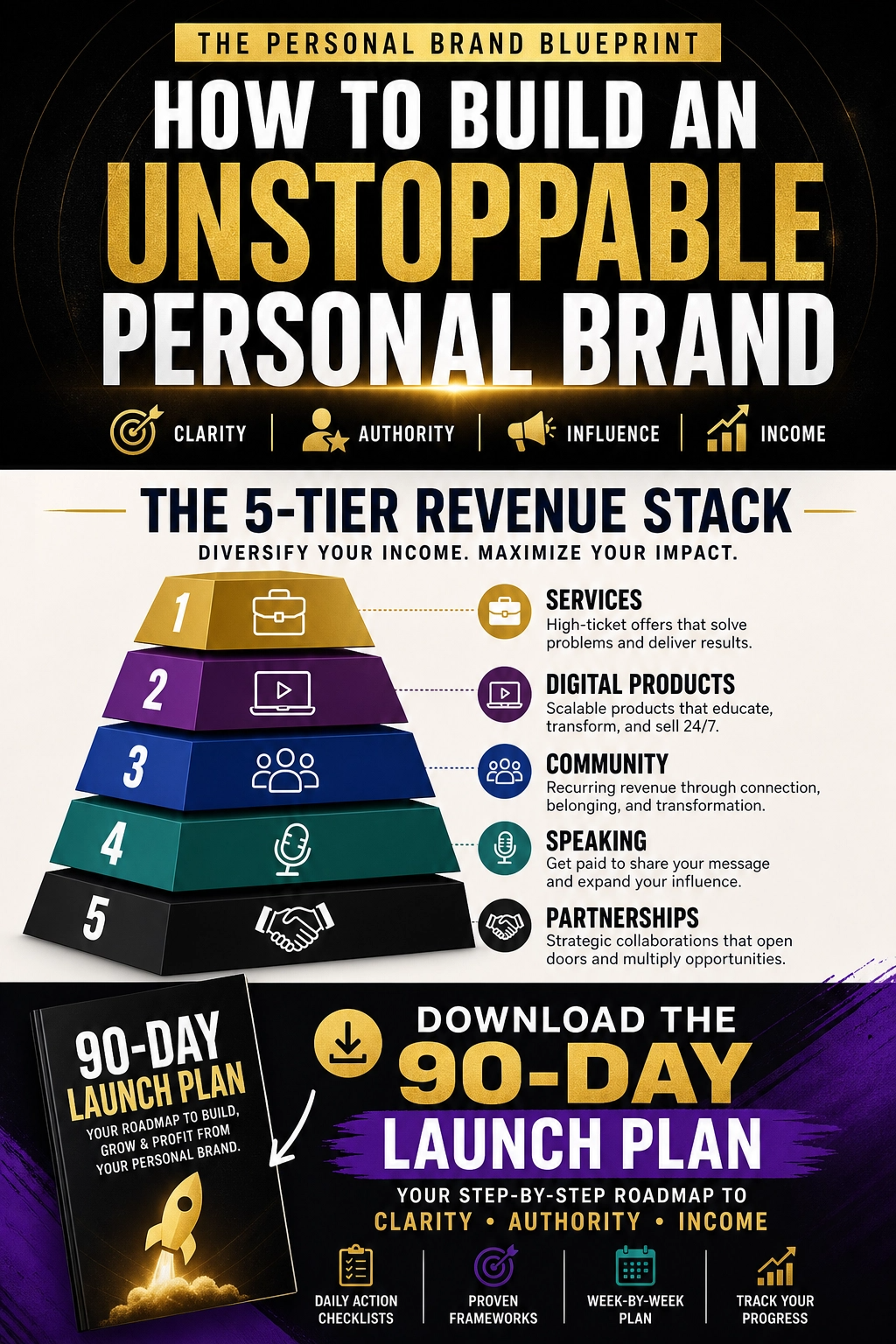
Trust me, a clear blueprint makes your voice easier to find, and easier to keep.
Final Thoughts
The AI era isn’t the end of personal branding. It’s the moment personal branding finally gets honest. Platforms are rewarding real people, audiences are craving real voices, and search engines are asking for real experience. Use AI as a helper, never a mask. Show your face, tell your story, check your facts, and let your personality do the work no tool can do for you.









Leave a Reply