


Confession time: the first year I blogged, I published a few posts I wasn’t proud of. Rushed, thin, a little bit “copy-paste-and-rephrase.” They never ranked, and one of them dragged down the pages around it. Big mistake. I learned the hard way that Google can tell the difference between content written to help people and content written to fill a page.
That difference just got a lot sharper. In early October 2026, Google updated its helpful content guidelines, and just days earlier it finished a spam update that rolled out for nearly two weeks. If you use AI to speed up your writing (and many of us do), these changes matter for you.
In this guide, I’ll break down what actually changed, what Google says about AI-written content, and how to build a simple workflow that keeps you safe and still saves you time.
What Google Changed in October 2026
Here’s the timeline, in plain English:
- September 24 – October 8: Google’s September 2026 spam update rolled out globally over about 13 days. Google hasn’t said exactly which tactics were targeted, so it’s smart to review its spam policies if you saw a ranking drop.
- October 1: Google updated its guidance on AI-generated content to stress that it’s critical to fact-check AI output by hand before publishing.
- Early October: Google refreshed its helpful content guidance. Industry coverage said it now defines “main content” as whatever directly fulfills a page’s purpose and sharpens four quality qualities.

Those four qualities are the heart of the update:
- Effort: Content that shows real human work is favored over low-effort, mass-produced pages.
- Originality: Unique data, examples, or perspectives that aren’t available everywhere else.
- Skill and experience: Technical authority for serious topics (like health and money) and lived experience for community-style topics.
- Accuracy: A clear warning against publishing unreviewed AI “hallucinations.”
Google also added stronger language against deceptive authorship, which includes fake personas, made-up bios, and misleading bylines.
Here’s the truth: Google isn’t banning AI content. It’s saying that the quality and honesty of what you publish matters more than how you drafted it.
What This Means If You Use AI to Write
I use AI tools for brainstorming and outlines, and I’m not ashamed of it. The danger is publishing the first draft untouched. Here’s how to think about it:
Safe ways to use AI
- Brainstorming topic ideas and headline options
- Building outlines and checking for missing sections
- Summarizing your own notes or interview transcripts
- Cleaning up grammar and tightening sentences
- Generating questions for an FAQ section
Risky ways to use AI
- Publishing full articles with no human edits
- Inventing statistics, quotes, or sources
- Creating fake author bios or reviewer credentials
- Producing dozens of near-identical pages in different cities or keywords
- Writing about health, legal, or financial topics without expert review
My Human-First, AI-Assisted Workflow (7 Steps)
When I changed my process, my content got better and my editing time dropped. Try this:
- Start with real experience. Before opening any AI tool, jot down your own story, results, mistakes, or screenshots for the topic. This is your originality layer.
- Research from primary sources. Use official documentation, original studies, and reliable news. Click through and read them yourself.
- Use AI for the skeleton. Ask for an outline or list of questions readers might have, then adjust it to your audience.
- Write the key sections yourself. Intro, personal stories, opinions, and the “here’s what I’d do” advice should be in your voice.
- Fact-check every claim. Verify every number, date, and quote against the original source. If you can’t find it, cut it.
- Add proof. Original photos, screenshots, templates, checklists, or case studies make a page harder to replace.
- Disclose where it helps. If AI played a big role, a short note builds trust and keeps you honest.
Pro tip: Before you hit publish, ask: “What does this page offer that someone couldn’t get from asking an AI chatbot for ten seconds?” If you can’t answer, keep working.

Be Honest About Who You Are
The new emphasis on authorship is a gift for real creators. Here’s how to use it:
- Use your real name and a real author bio with relevant experience.
- Link to your social profiles or portfolio so readers can verify you.
- Don’t claim credentials you don’t have.
- If a subject needs an expert (medical, tax, legal), have a qualified person review it, and say so.
I used to feel awkward writing a bio. Now I treat it as part of my SEO.
Freshness Matters More Than You Think
Another piece of news that caught my eye: details emerged about a Google Discover system, reported this month, that filters out stale content. Coverage suggests content can look outdated not only because of its publish date, but because newer information has replaced it or its relevance has faded.
What to do about it:
- Review your top 20 posts every quarter.
- Update statistics, screenshots, tools, and prices.
- Add a clearly visible “Last updated” date.
- Link new related posts back to older ones so readers (and Google) find your freshest work.
And if you ever plan a site migration, take note: Google has said it can take more than four months to fully settle, so build in a long recovery window and don’t panic over short-term dips.

A Quick Content Audit Checklist
Grab a coffee and review your five most important pages:
- Does it clearly answer one main question?
- Is there a real person’s experience in it?
- Are all stats checked and sourced?
- Is there an author name, bio, and date?
- Does it include original images, examples, or tools?
- Is anything outdated?
- Would a reader feel helped after reading?
If you answer “no” to more than two, schedule a rewrite.
Build a Marketing Foundation That Doesn’t Depend on One Update
Google will keep changing the rules. The creators who stay steady are the ones with several ways to reach their audience: SEO, email, social, and a clear offer. If you want a roadmap for building that kind of foundation, I put together a guide you might love:
The Digital Marketing Playbook
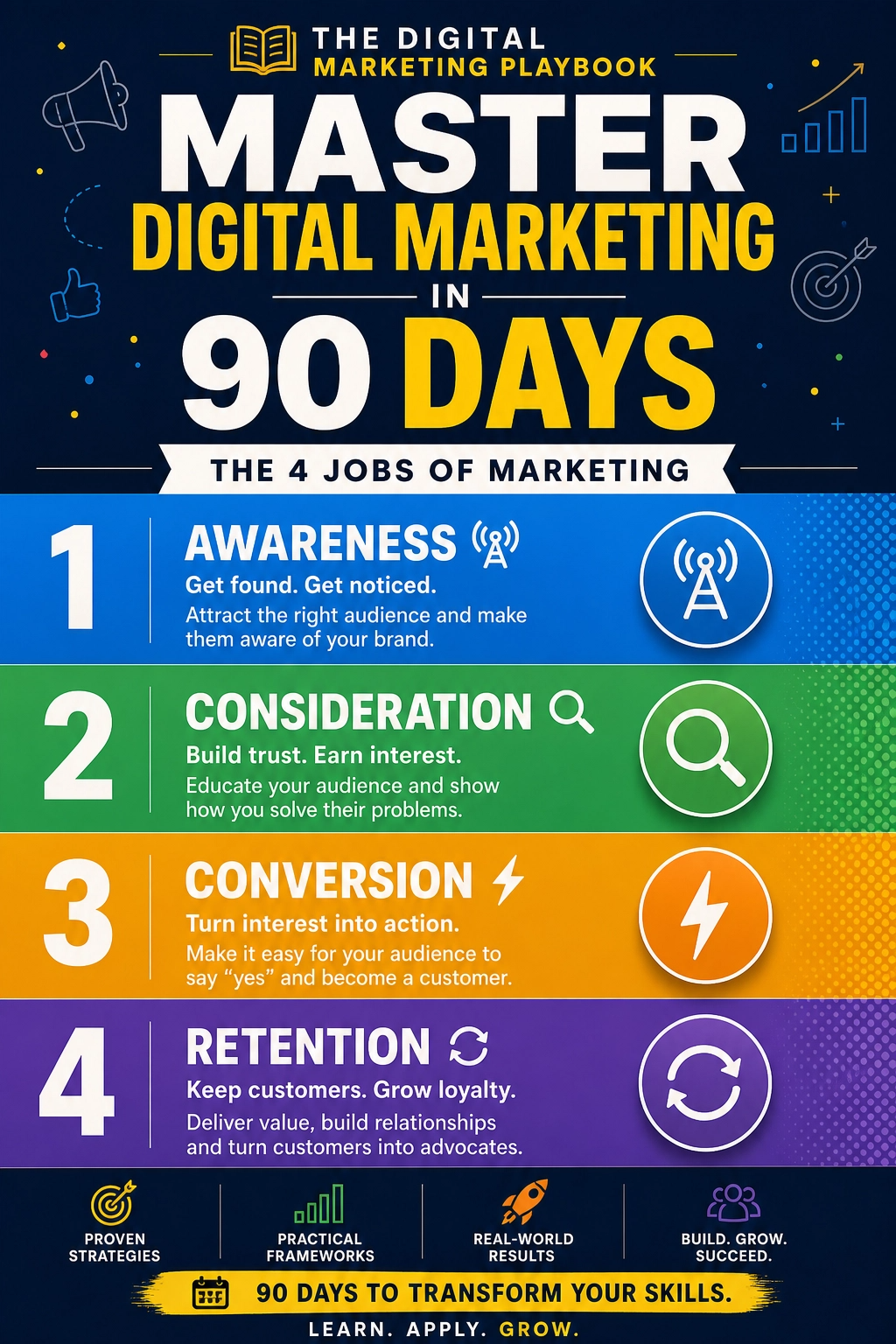
I wish I’d had a playbook like this before I spent a year chasing algorithm updates.
Final Thoughts
The 2026 updates from Google reward what good bloggers have always done: help real people, show real experience, and tell the truth. Use AI as an assistant, not a replacement for your voice. Check your facts, show your face (or at least your name), and keep your best pages fresh. Do that, and you’ll be building on solid ground no matter what the next update brings.










Leave a Reply