


When I launched my very first digital product, I was convinced the hard part was over. I’d spent weeks creating it, designing the cover, and writing the description. I hit publish, sat back, and waited for the notifications to roll in.
You can guess what happened. Nothing. Not one sale, not one comment, not even a friendly “nice job” from my mom. I refreshed my dashboard so many times that I probably wore out my trackpad.
That’s when it hit me. Boy, was I wrong about “if you build it, they will come.” Nobody buys what they can’t find, and nobody finds what you never market. Creating the product was only half the business. The other half, the half I’d ignored, was digital marketing.
Once I learned how the pieces fit together, everything changed. In this complete guide, I’ll show you how to start digital marketing for your online business in 2026 without a big budget or a marketing degree. We’ll cover how to define your audience, build a simple marketing plan, and use the core channels: SEO, content, social media, email, and paid ads, plus how to use AI to save time and how to measure what’s working.
What Is Digital Marketing (And Why Beginners Overcomplicate It)
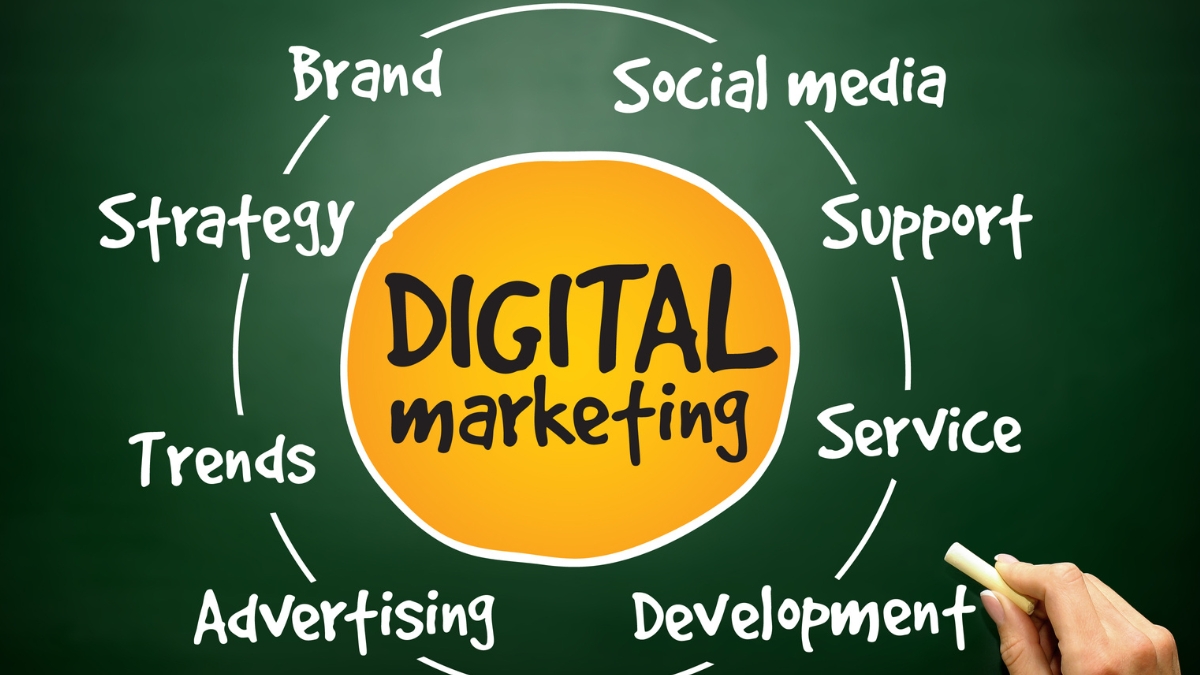
Digital marketing is simply the process of getting the right people to discover, trust, and buy from you online. That’s it. The channels and tools change constantly, but the goal never does.
Here’s the mistake I made, and I see it constantly: beginners try to do everything. They open five social accounts, start a blog, run ads, and launch a podcast in the same month. Then they burn out in six weeks.
Here’s what I learned instead: start with one attraction channel and one conversion channel.
- Attraction channels bring strangers to you: SEO, Pinterest, social media, YouTube, or paid ads.
- Conversion channels turn interested people into customers: mainly your email list and your sales page.
Master one of each, then add more. This one shift saved me months of frustration.

Step 1: Know Exactly Who You’re Talking To
Marketing to “everyone” connects with no one. Before you write a single post, define your ideal customer.
Write down answers to these questions:
- Who are they? Age range, life stage, occupation, and interests.
- What problem keeps them up at night? Be specific. “Not enough time” or “can’t figure out pricing.”
- What have they already tried? Understanding failed attempts helps you position yours as different.
- What words do they use? Browse comments, forums, and reviews. Copy their exact phrases.
- Where do they hang out online? Pinterest, Instagram, YouTube, Facebook groups, Google search?
Now turn the answers into a one-sentence customer profile, like: “Busy moms in their thirties who want to earn extra income from home but feel overwhelmed by too many options.” Tape it above your desk. Every marketing choice should pass through it.
Step 2: Build a Simple Marketing Plan
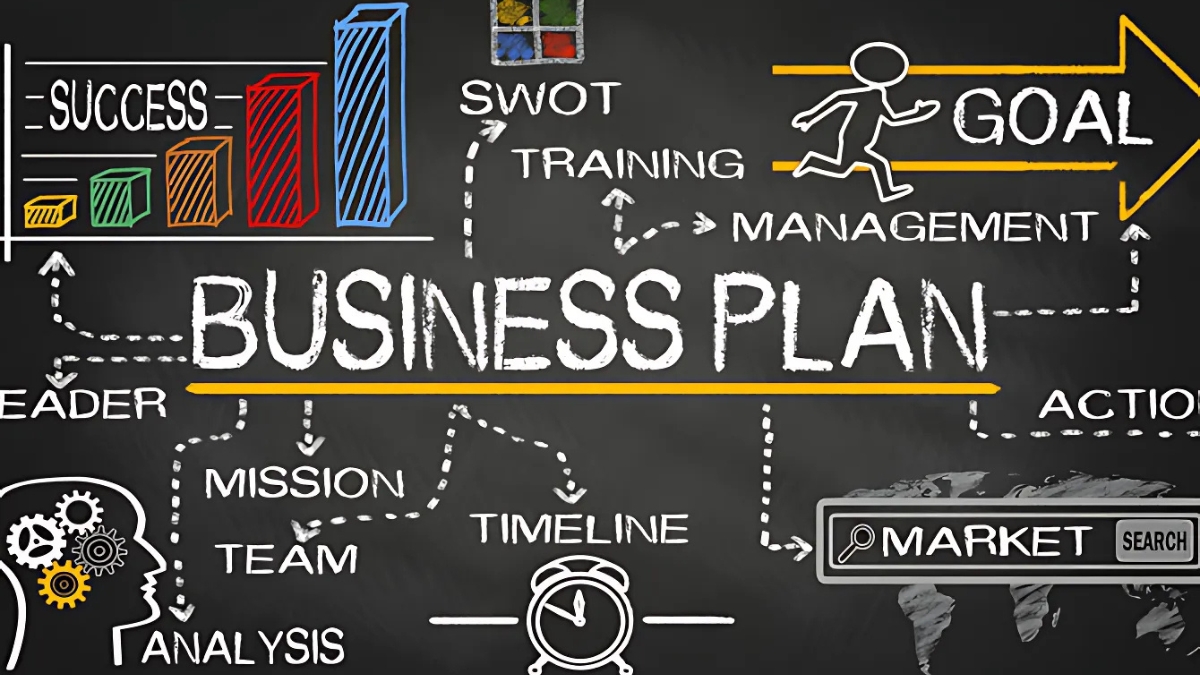
You don’t need a 40-page strategy document. Here’s the one-page plan I recommend:
- Goal: One measurable target for the next 90 days, such as “Get 200 email subscribers and 10 sales.”
- Audience: Your customer profile from Step 1.
- Core message: What you offer, who it’s for, and why it’s different.
- Channels: One attraction channel and your email list.
- Content plan: The topics and formats you’ll create each week.
- Offer: Exactly what you want people to do or buy.
- Metrics: The few numbers you’ll check weekly (we’ll cover these in Step 8).
Pro tip: Set a weekly marketing “appointment” in your calendar, even if it’s just ninety minutes. Consistent small effort beats occasional marathons.

Step 3: Make SEO Your Long-Term Traffic Engine
SEO (search engine optimization) means helping your content show up when people search on Google. It’s slow at first, but it’s one of the best investments you can make because a single good article can bring visitors for years.
How to start SEO as a beginner:
- Find keywords your audience actually searches. Use free tools like Google’s search suggestions and “People also ask” boxes, or beginner-friendly keyword tools. Look for specific phrases like “how to start an Etsy shop for beginners” rather than broad terms like “Etsy.”
- Match search intent. If someone searches “how to,” give a step-by-step guide. If they search “best,” offer a comparison.
- Use your keyword in the right places. Include it in your title, first paragraph, a few headings, and naturally throughout. Never stuff it.
- Write genuinely helpful content. Answer the question thoroughly, add your own experience, and make it easy to read with headings and lists.
- Write a clear title and meta description. These show up in search results and influence whether people click.
- Link internally. Connect related articles on your site so readers and search engines can navigate easily.
- Make it fast and mobile-friendly. Most people read on their phones.
- Be patient. It can take months to see rankings, so treat SEO as a slow-building asset.
Keep your content honest and original. Search engines reward pages that truly help readers.
Step 4: Create Content That Builds Trust
Content marketing means sharing valuable information so people get to know you before they buy. It’s the backbone of nearly every strategy.
Types of content to consider:
- Blog posts and guides: Great for SEO and for showing expertise.
- Short-form video: Reels, TikToks, and Shorts for fast discovery.
- Long-form video: YouTube tutorials that rank in search for a long time.
- Pinterest pins: Visual links that drive steady traffic.
- Newsletters: Direct, personal communication with your audience.
- Lead magnets: Free checklists, templates, or mini-guides that invite people onto your email list.
A simple content formula: Mix three types of posts.
- Teach: Share a useful tip or tutorial (about 50%).
- Connect: Share a story, a lesson, or a behind-the-scenes moment (about 30%).
- Sell: Invite people to buy or sign up (about 20%).
Many beginners only teach and never sell, or only sell and never teach. Balance is the key. Remember: you can’t help people with your product if they never hear about it, so an honest invitation isn’t pushy. It’s service.

Step 5: Use Social Media Without Losing Your Mind
Social media is fantastic for visibility, but it’s also a time-sink if you let it be. Here’s how I keep it manageable.
- Pick one primary platform. Choose where your audience is and where you enjoy creating.
- Batch your content. Create a week’s worth in one session, then schedule it.
- Repurpose. Turn one blog post into a carousel, three short posts, and a video script.
- Engage daily. Spend 15 minutes replying to comments and chatting with others. Social media is social.
- Always point back to your email list. Social algorithms change, but your list is yours.
- Track what resonates. Double down on topics that earn saves, shares, and comments.
Don’t compare your behind-the-scenes to someone’s highlight reel. Progress on social comes from showing up consistently for months, not from one viral post.
Step 6: Build Your Email List (Your Most Powerful Asset)
If I could go back and tell my past self one thing, it would be: start your email list on day one. Email consistently ranks among the most effective channels for converting interested people into buyers, because subscribers have already raised their hands and said, “I want to hear from you.”
How to start:
- Choose an email platform. MailerLite and ConvertKit both offer beginner-friendly options, including free starter plans.
- Create a lead magnet. A simple checklist, template, or short guide solving one specific problem.
- Set up a signup form. Place it on your website, in your bio link, and at the end of your content.
- Write a welcome sequence. Three to five emails that introduce yourself, deliver the freebie, share your story, and gently present your offer.
- Send regular emails. Weekly works well. Share tips, stories, and occasional offers.
- Follow the rules. Include an unsubscribe link and honor privacy and anti-spam laws in your region.
My honest advice: write to your list like you’re writing to a friend. Warmth and honesty outperform polished corporate language every time.
Step 7: Try Paid Ads (But Only After You Have a Foundation)
Paid advertising can speed up growth, but it can also burn through money fast when you don’t know what you’re doing. Here’s my rule: don’t pay for traffic until your offer and sales page convert on free traffic.
When you’re ready, keep it small and strategic:
- Start with a small test budget you can afford to lose entirely while you learn.
- Pick one platform, like Meta (Facebook and Instagram), Pinterest, or Google, rather than spreading thin.
- Test one variable at a time, such as headline, image, or audience.
- Send traffic to a focused landing page with one clear action.
- Track results such as cost per click, cost per lead, and cost per sale, so you know what’s profitable.
- Follow each platform’s advertising policies, especially around income claims and health topics.
Think of ads as an amplifier. They magnify what already works, and they magnify problems, too.

Step 8: Use AI to Market Smarter (Not Generic)
AI tools can save huge amounts of time with marketing tasks, as long as you keep your human touch.
Where AI helps:
- Brainstorming: Content ideas, hooks, and campaign angles.
- Drafting: First versions of emails, captions, and blog outlines.
- Repurposing: Turning one piece of content into many.
- Research: Summarizing audience questions and competitor positioning.
- Planning: Building a content calendar around your goals.
Where you must lead: your voice, your stories, your fact-checking, and your final decisions. Generic AI content blends into the noise, so always add your experience and edit until it sounds like you.
Step 9: Measure What Matters
You can’t improve what you don’t track. Fortunately, you only need a handful of numbers. Check them weekly:
- Website traffic: Where do visitors come from?
- Email subscribers: How many new people joined, and how many unsubscribed?
- Email open and click rates: Are people interested in what you send?
- Conversion rate: What percentage of visitors or subscribers buy?
- Sales and revenue: The ultimate scoreboard.
- Top-performing content: Which posts bring traffic, signups, or sales?
Every month, ask three questions: What worked? What didn’t? What will I try next? Then double down on winners and stop spending time on the rest. Marketing is a loop of testing and learning, not a one-time setup.
Common Digital Marketing Mistakes to Avoid
I’ve made all of these, so please learn from my pain:
- Trying every channel at once. Focus beats spread.
- Skipping the email list. Followers come and go, but subscribers are yours.
- Never making an offer. Content without a clear next step doesn’t pay the bills.
- Quitting too soon. SEO and audience-building take months.
- Chasing trends instead of strategy. Shiny tactics fade, but fundamentals hold.
- Ignoring data. Guessing is expensive.
- Overpromising. Honest marketing builds long-term trust.
Fast-Track Your Marketing With These Three Ebooks
I’ve shared a lot here, but let me be honest: marketing has many moving parts, and learning them in the wrong order costs time. If you want a clear path, these three ebooks are the ones I’d put on your reading list.
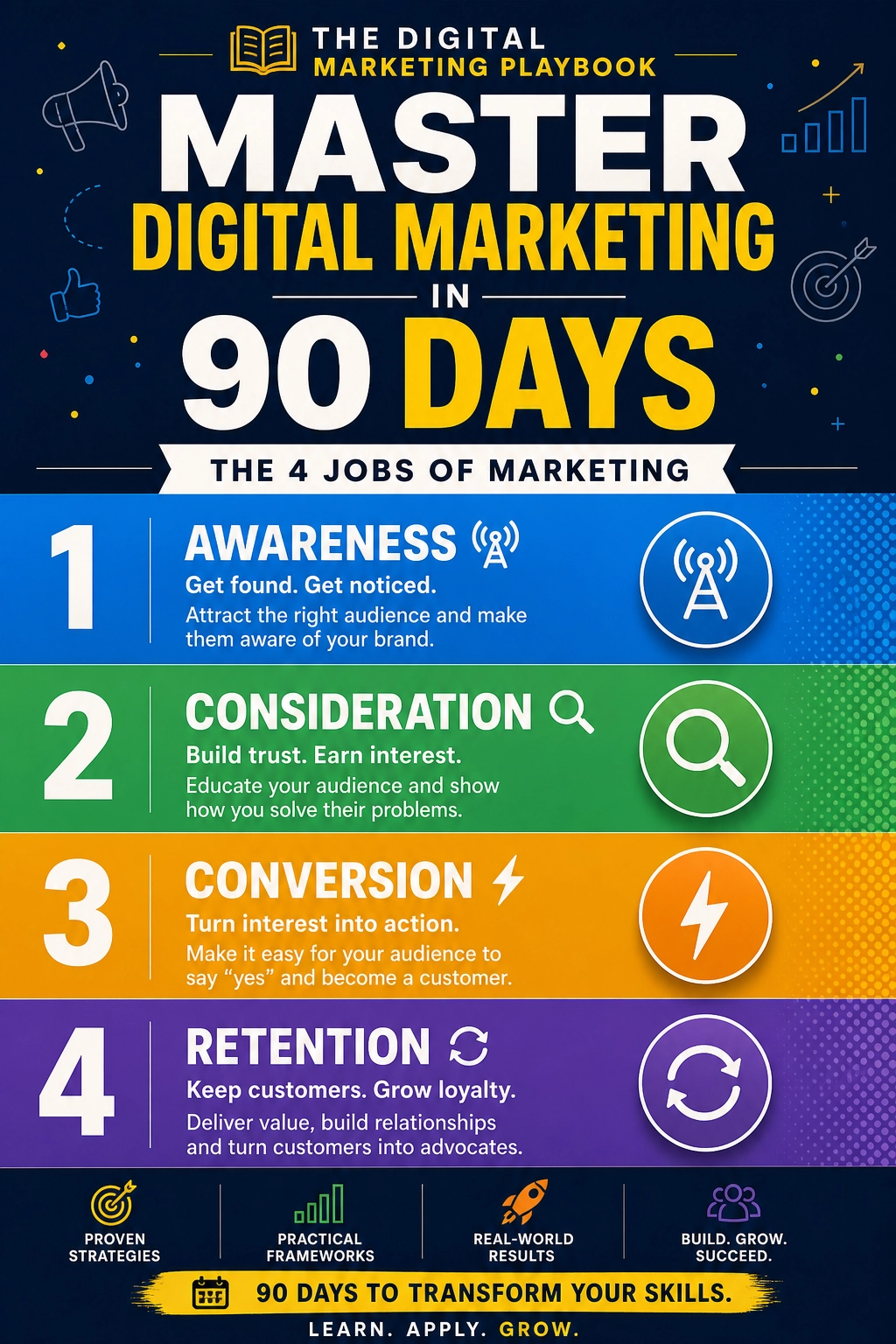
1. The Digital Marketing Playbook This is the complete roadmap. It’s designed to help you grow your audience, build your brand, and turn clicks into customers, covering SEO, content, social media, email, paid ads, and AI in one practical guide. If this article was useful, the Playbook is your next step.
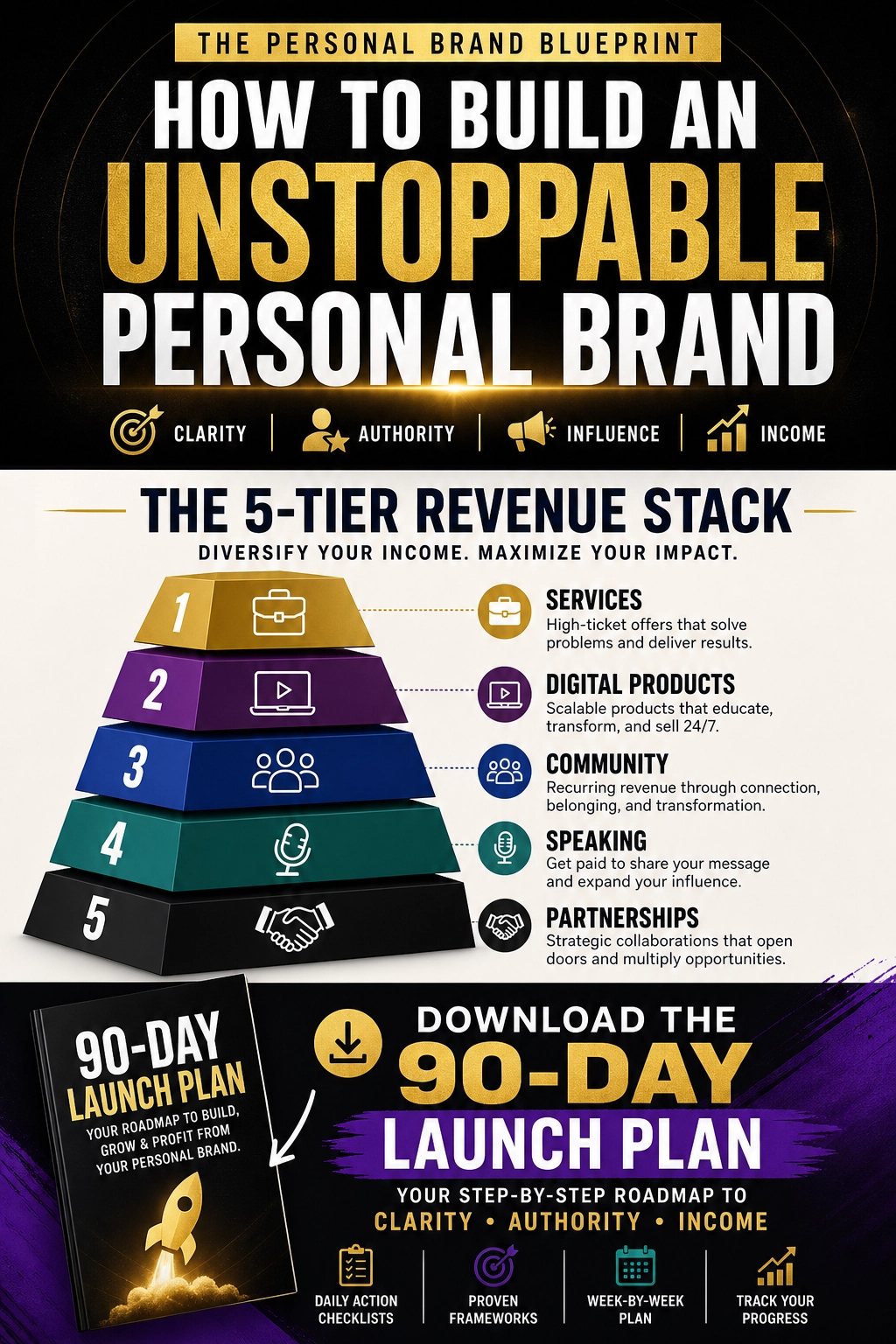
2. The Personal Brand Blueprint Marketing works best when people know who you are and what you stand for. This ebook helps you clarify your positioning and build a brand that attracts the right audience.
3. The Claude Advantage Want to create content, products, and marketing assets faster? This guide shows how to use Claude to build digital products and streamline your workflow, so you can spend more time reaching customers.

Trust me on this: a small investment in a clear plan costs far less than months of random posting with no results. Each is an instant-download ebook you can start reading today on any device. Choose the one that fits your biggest challenge and take action this week.
Your Marketing Journey Starts This Week
Digital marketing doesn’t have to be overwhelming or expensive. At its heart, it’s about understanding your audience, sharing genuinely helpful content, building trust, and inviting people to take the next step. You don’t need to be everywhere. You need to be consistent somewhere.
This week, write your customer profile and your one-page marketing plan. Choose one attraction channel, set up your email list with a simple lead magnet, and schedule your first batch of content. Then put a proven roadmap in your hands so you’re building with confidence instead of guessing.
That silent launch day taught me the most valuable lesson of my business: a great product deserves great visibility. Go get yours seen, Lady Boss. Your customers are out there waiting.





Leave a Reply