


I remember the first time I sold something I made with my own hands to a complete stranger — it felt completely different from any digital sale I’d ever made. There’s a certain magic (and honestly, a certain terror) in shipping a physical piece of your creativity to someone’s front door. If you’ve been thinking about turning your craft into a business, 2026 is a genuinely good time to start.
In this guide, I’ll walk you through everything you need to know about launching a handmade business on Etsy, from your first product to your first shipped order.
Choosing What to Make and Sell
Here’s the truth: “I make X” isn’t a business plan on its own — you need a product people are actively searching for and willing to pay for. Strong handmade categories on Etsy include:
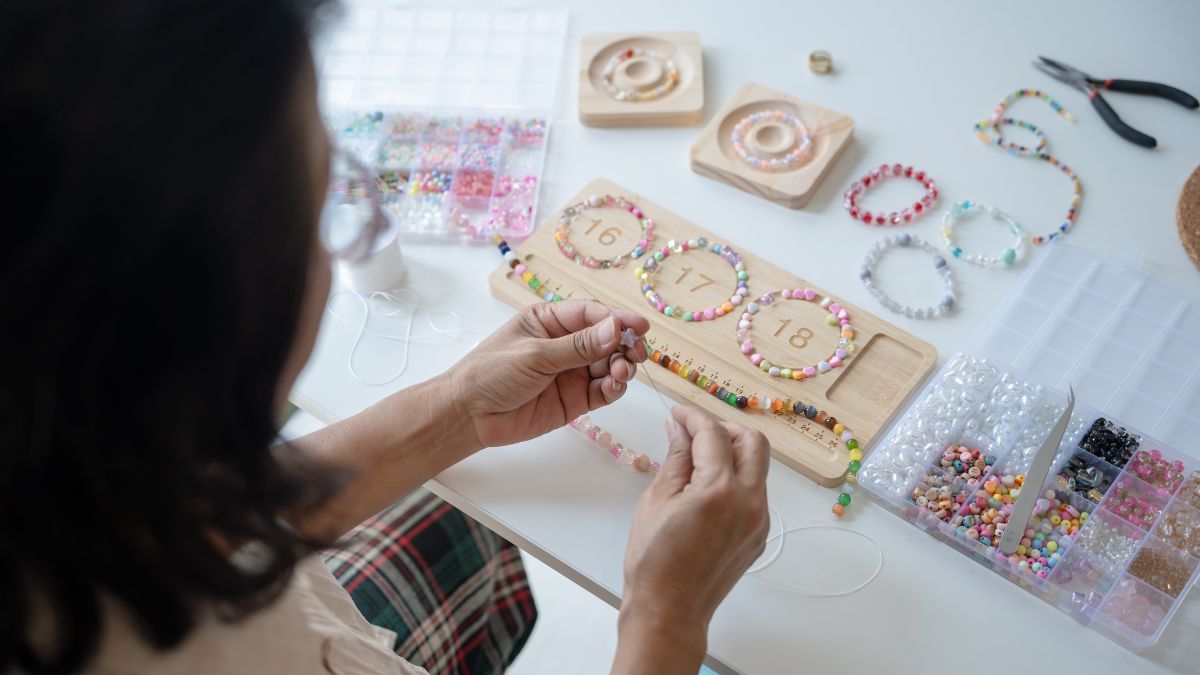
- Jewelry and accessories
- Candles and home fragrance
- Ceramics and pottery
- Custom clothing or embroidery
- Handmade paper goods and stationery
Pro tip: browse Etsy’s own trending categories and search suggestions to gauge real demand before committing to a product line.
Costing Your Products Properly
Big mistake a lot of new makers fall into: pricing based on what feels “fair” instead of what the numbers actually require. A simple formula:
(Materials + Labor + Overhead) x Markup = Price
Don’t forget to factor in your time — even at a modest hourly rate, labor adds up fast on handmade goods. Skipping this step is one of the quickest ways to burn out on a business that’s technically “selling” but not actually profitable.
Setting Up Your Etsy Shop
- Choose a shop name that reflects your brand and is easy to remember
- Take genuinely good product photos — natural light and a clean, simple background go a long way
- Write descriptions that sell the experience, not just list materials
- Set clear shipping policies and processing times
Sourcing Materials Sustainably
As you scale, sourcing becomes a real factor in your profit margins. Compare pricing across a few suppliers, consider buying in bulk once you know a product sells consistently, and factor material cost changes into your pricing regularly rather than “eating” the increase silently.
Photographing and Listing Your Products
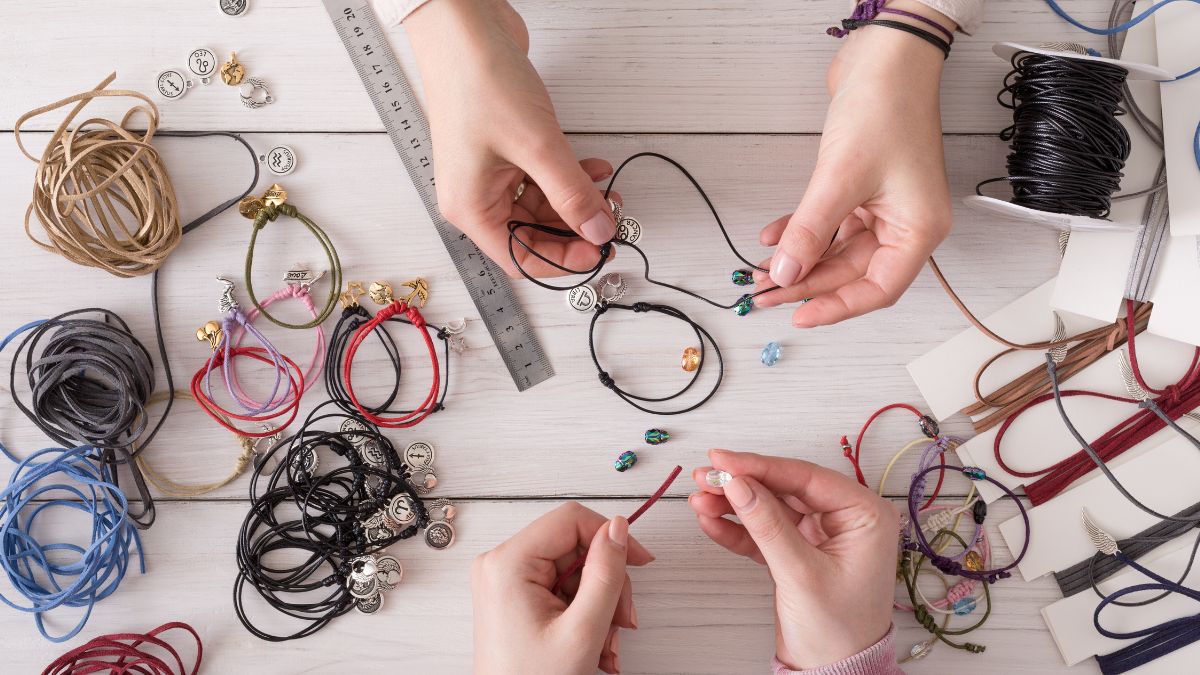
Little did I know how much a few small photography tweaks would affect sales. Aim for:
- One clear, well-lit hero shot on a simple background
- A few lifestyle or “in use” shots
- A photo showing scale (next to a common object) for accurate expectations
Marketing Your Handmade Shop
- Pinterest and Instagram — visual platforms are a natural fit for handmade goods
- Etsy SEO — specific, descriptive tags and titles matter enormously here
- Local markets or craft fairs — great for building an email list and testing new products in person
Scaling Without Burning Out
This is where a lot of makers hit a wall — you personally are the entire production line. As demand grows, consider:
- Simplifying your product line to your best sellers
- Batch-producing components in advance
- Raising prices as demand outpaces your available time
If you want a full framework for pricing, sourcing, and scaling a handmade shop without burning out, I’ve put it together here: LadyBossIncome Ebooks.

Final Thoughts
A handmade business on Etsy rewards both creativity and discipline — the making is only half the equation, and pricing, photography, and marketing carry just as much weight. Start with one solid product line, price it properly from day one, and let your best sellers guide where you grow next.










Leave a Reply