


Let’s talk about the loneliest feeling in online business: you’ve launched your shop, uploaded your designs, and the silence is deafening.
I know that feeling intimately. After I published my first batch of listings, I checked my dashboard obsessively. Refresh. Nothing. Refresh. Still nothing. I remember thinking, “Maybe this whole print on demand thing is just a scam.” Boy, was I wrong. It wasn’t a scam. It was a traffic and trust problem, and I hadn’t done a single thing to solve either one.
Here’s what I wish someone had told me: the first few sales are the hardest, and they rarely happen by accident. But they’re absolutely achievable when you follow a simple, focused plan. And once you get those first 10 sales, everything changes. You have proof that someone will pay for your work. You have your first reviews. You have data. And you have momentum.
In this comprehensive guide, I’ll walk you through how to get your first 10 sales with print on demand in 2026. We’ll cover choosing the right niche, setting up your listings to attract buyers, free traffic strategies, how to build trust as a brand-new seller, and how to use Printful and Printify to deliver products that turn first-time buyers into fans. (One honest note: timing varies by niche and effort, and I can’t promise specific results. What I can promise is a proven framework.)
Why the First 10 Sales Matter So Much
Your first sales aren’t just about revenue. They’re about validation and momentum.
What early sales give you
- Proof of concept: You learn that people actually want your designs.
- Reviews and social proof: New shoppers trust shops with feedback.
- Data: You see which products, keywords, and traffic sources work.
- Confidence: Nothing motivates you like a real order notification.
- Marketplace visibility: Some platforms favor shops with sales history and positive reviews.

Why beginners get stuck
- Choosing a niche that’s too broad
- Publishing too few listings, or too many random ones
- Weak titles, tags, and photos
- Relying on luck instead of active promotion
- Giving up in the first few weeks
Let’s fix all of that.
Step 1: Start With a Focused Niche
If you want fast traction, don’t try to sell to everyone. Go narrow.
Why narrow works
A shirt that says “Funny Shirt” competes with millions of listings. A shirt that says “Second Grade Teacher Squad” competes with far fewer, and speaks directly to someone who feels seen.
Quick niche selection method
- List 10 audiences you understand (jobs, hobbies, life stages).
- Check Etsy and Pinterest for active search interest.
- Look for gift-buying behavior.
- Pick one audience and one sub-niche to start.
Pro tip: Choose a niche where you can easily join communities and understand the humor, values, and inside jokes. Authentic designs sell better.
Step 2: Open Your POD Accounts and Choose Your Products
You don’t need a huge catalog to get your first sales. You need a few strong, giftable products.
Best starter products
- T-shirts and sweatshirts: Always in demand
- Mugs: Affordable, giftable, and beginner-friendly
- Tote bags: Easy to design for and popular as gifts
- Posters: Great for décor and quote-based niches

Choose your partners
Here’s how I approach it:
- Printful for consistent quality, strong mockups, and branding touches that help early customers feel confident.
- Printify for wide product variety and the ability to compare print providers to find competitive pricing.
Both are free to open. Create both accounts, browse the catalogs, and pick two or three products to start. Don’t overcomplicate it.

Step 3: Create 10 to 15 Strong Designs
Quantity gives you more chances to be found, but quality keeps buyers happy. Aim for a focused collection, not random uploads.
Design ideas that beat the beginner blues
- Identity statements: “Proud Dog Mom,” “Night Shift Nurse Energy”
- Humor: Clever, niche-specific one-liners
- Positive affirmations: Encouraging messages with a stylish layout
- Hobby pride: “Just One More Chapter,” “Plant Lady in Progress”
- Gift-oriented designs: “Best Teacher Ever,” “World’s Okayest Gardener”
Technical checklist
- Use high-resolution transparent PNG files (around 300 DPI at the recommended print size).
- Follow your POD partner’s template and print area guidelines.
- Create light and dark versions where needed.
- Keep text large and readable.
- Preview mockups on multiple product colors.

Stay legally safe
Skip trademarked characters, brand names, celebrity names, song lyrics, and protected phrases. A suspended shop is a terrible way to start. Canva is a beginner-friendly tool for creating simple designs, and you should always confirm that fonts and graphics allow commercial use.
Step 4: Order Samples and Take Real Photos
I know it’s tempting to skip this. Please don’t.
Why samples matter for early sales
- They let you check quality before customers do.
- They give you real photos, which build trust with new shoppers.
- They give you content for videos and social posts.
- They help you write accurate descriptions about fit and feel.
Photo tips
- Use natural light and clean backgrounds.
- Show the product in use: a mug on a desk, a tote on a shoulder.
- Include a close-up of the print quality.
- Add a size chart or scale reference.
- Take a few lifestyle shots that fit your niche.
Order from Printful and Printify if you’re comparing, so you can choose the best partner for each product.
Step 5: Set Up Your Shop to Attract Buyers
You have a few options for where to sell first. For most beginners, a marketplace like Etsy offers built-in traffic, which is helpful when you have no audience yet.
Shop setup checklist
- Shop name and banner that fit your niche and brand.
- About section with a friendly, honest story.
- Clear policies for shipping, returns, and production times.
- Complete profile and shop details.
- Consistent branding across images and descriptions.
Connect your POD accounts, push your products as drafts, and polish everything before publishing. Make sure you follow the current platform rules on print on demand and production partners.
Step 6: Write Listings That Get Found
Most first-sale problems are actually search visibility problems. If shoppers can’t find you, they can’t buy.
Title formula
Lead with what buyers search for:
“Funny Nurse Shirt, Gift for Nurses, Night Shift Nurse Tee, Comfortable Unisex T-Shirt”
Tags and attributes
- Use all available tags.
- Choose long-tail phrases like “night shift nurse gift.”
- Fill out every attribute the platform offers.
- Choose the most accurate categories.
Description tips
- Start with the key benefit and keywords.
- Explain fit, material, and care.
- Mention shipping and production times.
- Add a friendly note that makes it personal.
Keyword research
Start with free tools: Etsy autocomplete, Pinterest search, and Google Trends. If you want more data, tools like eRank and Marmalead can help, but they’re optional.
Step 7: Price Confidently
Underpricing is a beginner trap. It doesn’t just hurt your profit; it can also make your product seem lower quality.
Pricing framework
Retail price = Production cost + Platform fees + Shipping (if included) + Profit
Tips
- Aim for at least a 30 to 40 percent margin after fees.
- Don’t race to be the cheapest.
- Consider offering free shipping by building it into your price.
- Use a small, temporary launch discount to encourage first orders, but plan it so you still profit.
- Offer bundles to raise order value.
Step 8: Use Free Traffic Strategies
Even with great listings, you need to bring people to your shop. Here are free tactics that work for beginners.
Pinterest is a visual search engine. Create keyword-rich pins for each listing, using vertical images and clear descriptions. Pins can drive traffic long after you publish them.
Short-form video
Post short clips on TikTok, Instagram Reels, and YouTube Shorts:
- Unboxing your sample
- Design process
- “Gift idea for [niche]”
- Behind-the-scenes shop updates
Niche communities
Join Facebook groups, Reddit communities, and forums where your audience hangs out. Focus on being helpful and genuine. Only share your shop where the rules allow it, and never spam.
Friends, family, and your network
Your personal network can be a great source of early support. Don’t be shy about telling people what you’re building. Ask them to share and, if they buy, to leave honest feedback.
Email list
Even a small list is valuable. Offer a discount or freebie in exchange for an email address, then share new designs and offers.
Step 9: Build Trust as a Brand-New Seller
New shops face a trust gap. Here’s how to close it.
Trust-building tactics
- Real photos from your samples
- Clear policies and honest delivery estimates
- Fast, friendly responses to every message
- Professional branding across your shop
- Reviews: After a sale, follow up kindly and ask for feedback.
- Quality packaging touches where your platform supports them, like branded packing slips
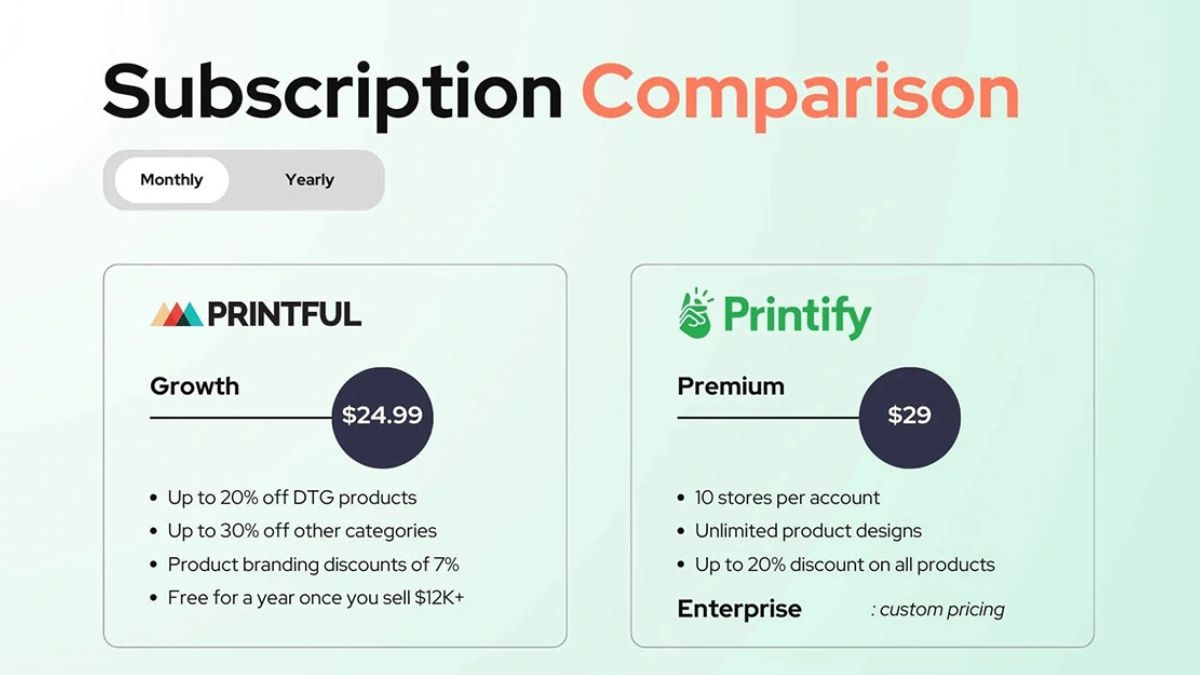
Printful offers custom branding options that help early orders feel polished, which can make first-time buyers more likely to return.
Here’s what I learned: Your first customers aren’t just buyers. They’re your ambassadors. Treat them like gold.
Step 10: Track, Learn, and Improve
Every view, favorite, and sale is data. Use it.
What to track weekly
- Listing views
- Favorites and add-to-carts
- Conversion rate
- Top keywords and traffic sources
- Best-performing designs
How to respond to your data
- Low views? Improve titles, tags, and add more listings.
- Views but no favorites? Revisit your photos and designs.
- Favorites but no sales? Check pricing, shipping cost, and description clarity.
- A design gets attention? Create variations and new products around it.
Be patient. Small improvements add up.
A 30-Day Roadmap to Your First 10 Sales
Days 1 to 3: Choose your niche, research keywords, and open accounts with Printful and Printify.
Days 4 to 10: Create 10 to 15 designs and set up your shop.
Days 11 to 14: Order samples, take photos, and write optimized listings.
Days 15 to 20: Publish listings and start Pinterest and short-video content.
Days 21 to 25: Engage in communities, share with your network, and follow up with early customers.
Days 26 to 30: Review your data, refine listings, and add new variations.
Common Mistakes to Avoid
- Being too broad
- Uploading only a handful of designs
- Ignoring SEO
- Skipping samples
- Underpricing
- Relying on luck
- Quitting too soon
Start Earning Your First Sales Today
Getting your first 10 print on demand sales is about focus, visibility, and trust. Choose a narrow niche, create a cohesive set of designs, optimize your listings, promote where your audience already spends time, and deliver a product that makes buyers happy. Do that consistently, and those first sales become the foundation for everything that comes next.
To make sure your products look great and arrive reliably, join Printful for consistent quality and branding touches, and join Printify for a huge catalog and competitive pricing options. Both are free to open, so you can start creating today. Take the first step this week, publish your first listings, and get ready for that first order notification. It feels amazing!










Leave a Reply