

When I first heard that “you need a personal brand,” I rolled my eyes. It sounded like something only influencers and CEOs worry about. Then a potential client told me, almost casually, “I looked you up before our call.” I realized I’d been judged before I ever said hello. Ouch.
That’s the quiet truth behind every personal branding statistic floating around the internet: people are searching for you, reading your profiles, and forming opinions long before you get a chance to speak.
But here’s the thing I want you to hear clearly: a lot of personal branding statistics are recycled, outdated, or copied wrong. In this guide, I’ll share the numbers that matter, tell you where they come from, flag the shaky ones, and show you how to turn them into action.
A Quick Warning About Personal Branding Data
Before we dive in, let me save you from a common mistake. The same handful of statistics gets copied from blog to blog, and the original source is often lost along the way. One 2026 roundup even pointed out that two different claims about trust (one about authenticity, one about trusting individuals over brands) had been mashed into a single number by repeated copying.
So treat every statistic here as directional: a hint about where things are heading, not a promise about your results. Most figures come from US or global samples, and many come from vendor or marketing reports rather than independent studies.
Stats About Trust: Why People Beat Logos
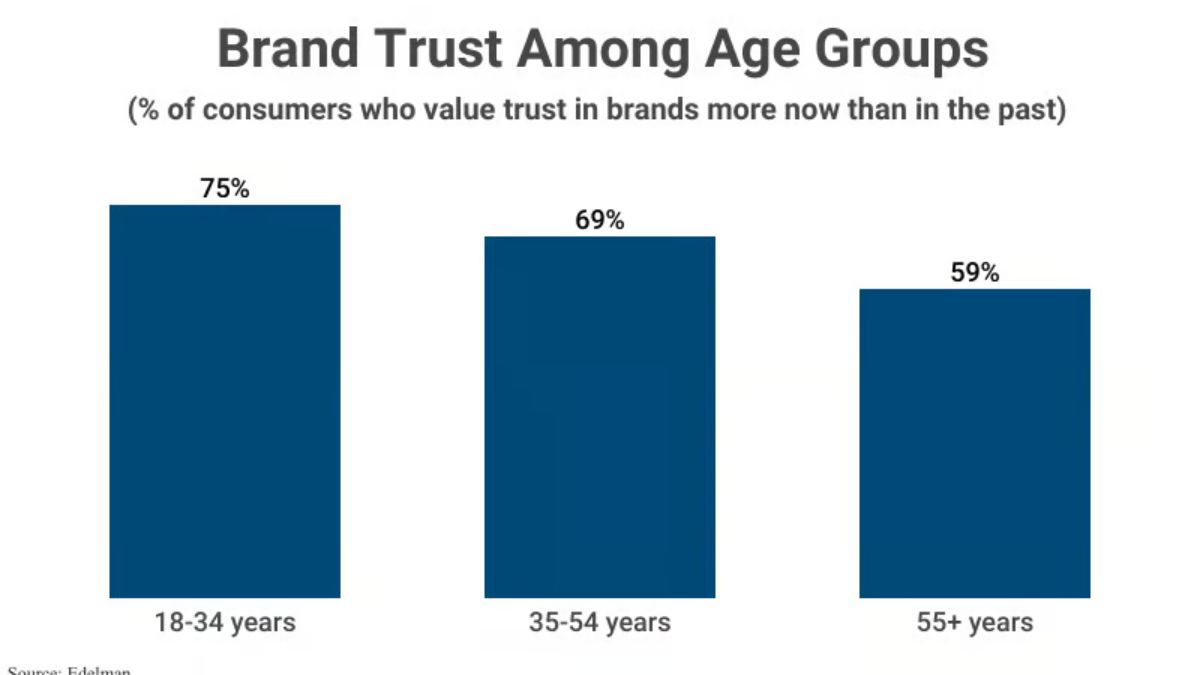
- Expert content beats marketing materials. A figure attributed to Edelman and LinkedIn research says about 73% of B2B buyers trust expert content more than brand marketing materials.
- Trust can transfer. Edelman’s 2026 research, as summarized by employee-advocacy site DSMN8, reports that about 62% of people who trust creators would consider trusting a company they currently distrust if someone they trust vouched for it.
- Bad expert content costs you. One roundup cites research that around 66% of buyers won’t work with a provider whose published expert content is poor.
- An old, famous number. You’ll often see “92% trust recommendations from individuals over brands” attributed to Nielsen. It’s widely repeated but dated, so use it as a reminder, not a fact for your pitch deck.
What this means for you: Your face, voice, and point of view are trust signals. A helpful post from a real person can do more than a polished logo, but only if the content is actually useful.
Stats About Being Judged Online
- A roundup citing Wave Connect says about 54% of employers have rejected a candidate because of a poor online presence, while about 44% have hired someone because of a strong personal brand.
- Gitnux data summarized in the same report suggests roughly three in four recruiters check candidates’ social profiles.
- The same sources say profiles with a photo get far more views than profiles without one (figures vary widely, so I’d focus on the principle).
What this means for you: Silence isn’t neutral. If someone Googles you and finds nothing, an outdated profile, or messy content, that’s an impression too. This applies to job seekers, freelancers, founders, and creators alike.
Stats About Content and Owned Channels
- A Gitnux figure reported in recent roundups says personal websites improve credibility for about 82% of professionals.
- The same source says email newsletters grow personal brand audiences by about 40%.
- Consistent branding is linked to roughly 3.5x higher engagement in one 2026 roundup.
- The popular claim that video gets “1,200% more shares” is a good example of a number to be careful with. It has circulated for years and its original method is hard to trace.
What this means for you: Consistency, a home base you own (website, newsletter), and useful content are the common threads. You don’t need to copy every number. You need to build the habit behind them.

A Fresh Stat for 2026: Creators Show Up in AI Answers
Research discussed in industry newsletters this month looked at nearly 4,000 product videos and found that about 60% of the videos cited by AI recommendation tools came from creators, compared with about 10% from brands. Detailed, honest reviews seemed to matter more than polish or view counts.
What this means for you: People with real expertise and detailed content can show up in AI-powered search, even without a big team or budget.
Gaps in the Data (and Why It Matters)
The 2026 founder-focused statistics report I mentioned is refreshingly honest about what’s missing, and I agree with its warnings:
- Little data for specific groups. Women-led businesses, solopreneurs, and non-US markets are rarely separated out.
- Mostly large-brand samples. Many numbers come from executives or established companies, not someone starting with 300 followers.
- Language markets are ignored. Content in a smaller language market may face far less competition than English.
So your own testing matters more than any statistic. Treat this article as a map, and your 90-day experiment as the actual road.

How to Turn the Numbers Into Action (5 Steps)
- Google yourself in a private window. Screenshot page one. Does it reflect who you are today?
- Update your profile basics. Clear photo, headline that says who you help and how, and a link to one home base.
- Pick one place to publish consistently. Choose a rhythm you can keep even in a busy month.
- Start an owned list. Add a simple email signup so followers can become subscribers.
- Track conversations, not just likes. Count replies, DMs, bookings, and signups for 90 days.
Pro tip: Write down your baseline today: followers, email subscribers, and inbound messages per month. In 90 days you’ll have real evidence of what’s working for you.
Ready to Build a Personal Brand That Actually Works?
Numbers are useful, but a clear plan is better. If you want a structured path for defining your positioning, finding your voice, and building a brand people trust, I put together a guide to help you skip the guesswork:
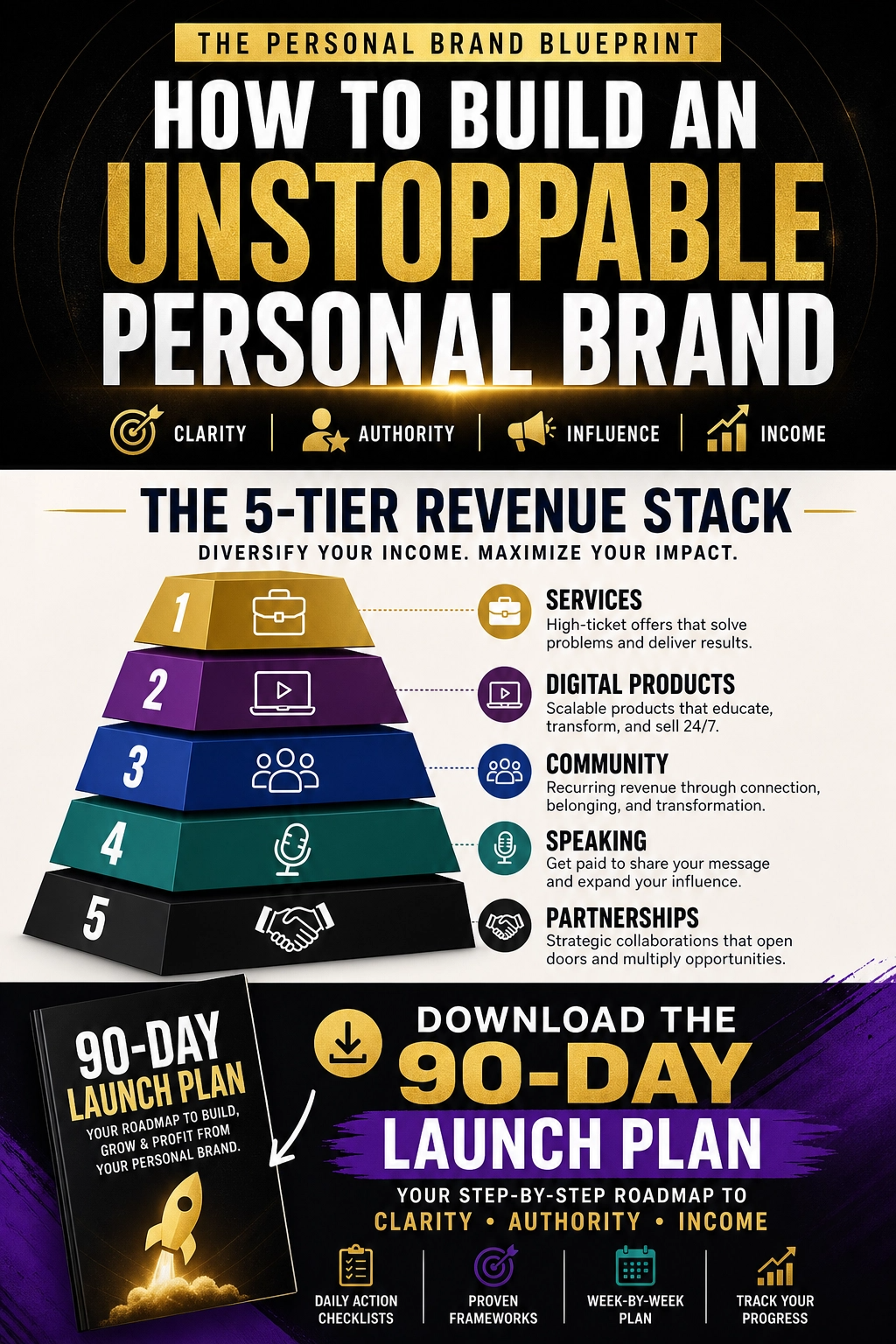
Trust me, I wish I’d had a blueprint like this before I spent months posting without direction.
Final Thoughts
The statistics all point in a similar direction: people trust people, they check you out before they contact you, and consistent, useful content on channels you own is a strong foundation. Just remember to question every number you read, including the ones in this post. Your personal brand isn’t about perfection or going viral. It’s about being clear, being credible, and showing up long enough for people to remember you.










Leave a Reply