

Let me share something that surprised me when I started researching print-on-demand: you can launch an entire product line — t-shirts, mugs, tote bags — without ever touching inventory, packing a box, or fronting money for stock. When I first heard that, I was sure there had to be a catch. There wasn’t, not really — just a learning curve.
In this guide, I’ll walk you through everything you need to know about starting a print-on-demand (POD) business in 2026, from picking a niche to actually getting your first sale.
What Print-on-Demand Actually Means
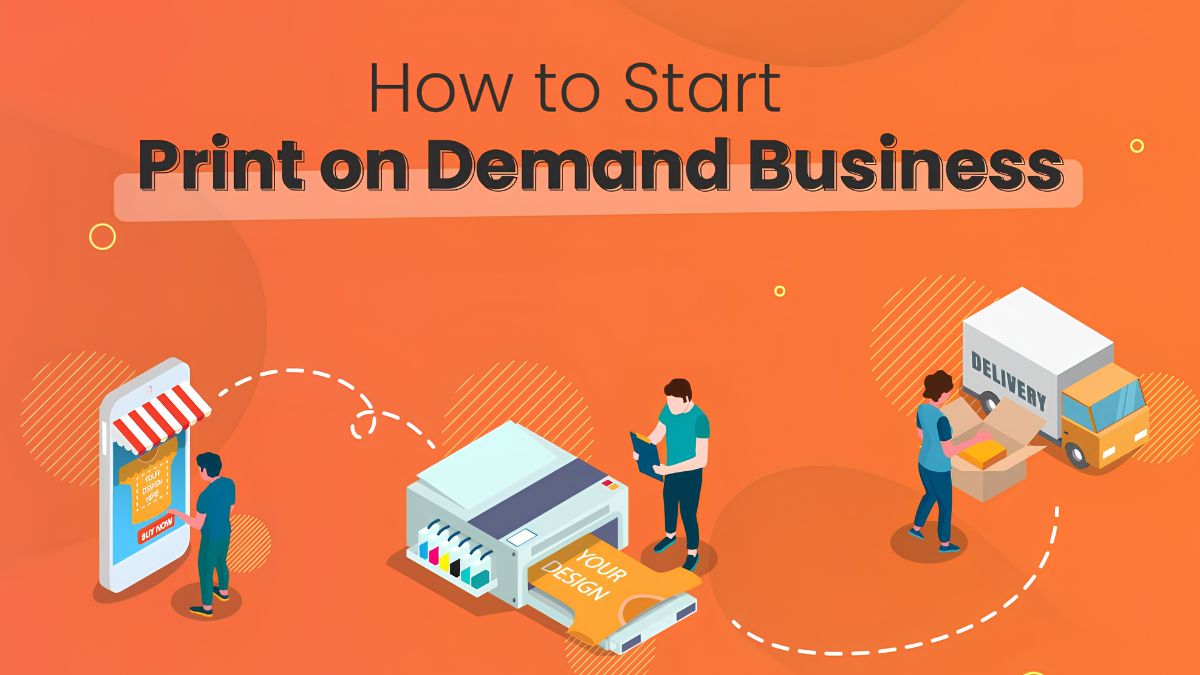
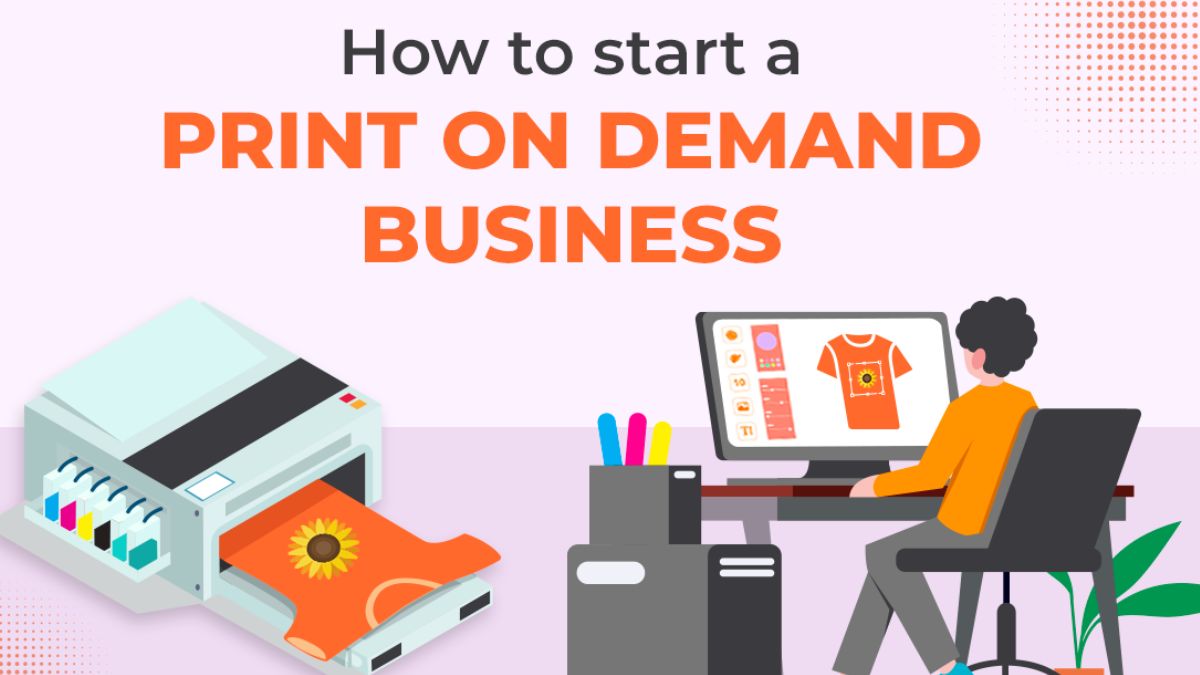
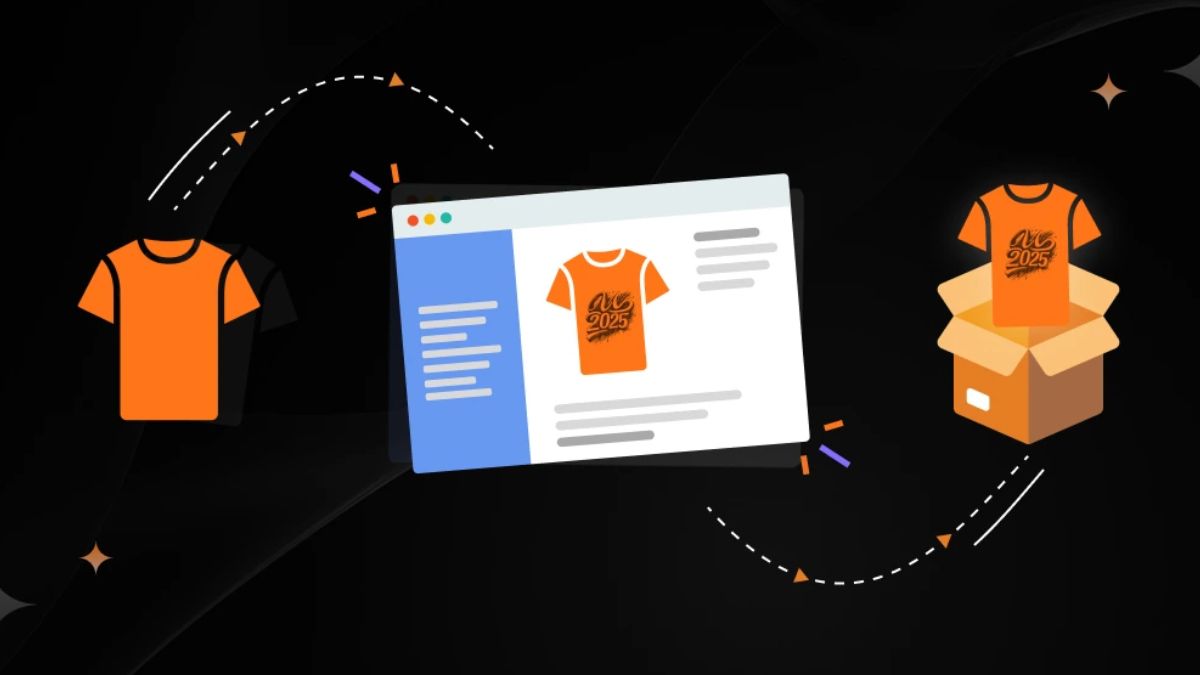
With POD, you design the artwork, upload it to a platform, and a third-party supplier prints and ships the product only after a customer orders it. You never hold inventory, and you’re only ever paying for what actually sells.
Choosing Your Niche
Here’s the truth — “everyone” is not your customer. The most successful POD shops I’ve seen (and run) speak directly to one specific audience:
- Dog moms who want funny, breed-specific shirts
- Nurses who want witty, relatable mugs
- Teachers who want classroom-themed tumblers
Pick a niche you either belong to or deeply understand. It makes designing (and marketing) infinitely easier.
Choosing a Platform
A few platforms dominate the POD space, and each has trade-offs:
- Etsy + Printify/Printful integration — best for organic search traffic
- TeePublic — hands-off, but lower margins
- Your own Shopify store — more control, but you drive all your own traffic
Pro tip: start with Etsy + Printify. It’s the lowest-barrier combo for beginners and lets you test designs quickly.
Designing Your Products
You don’t need to be a professional illustrator. I use Canva for simple text-based designs, and for anything more detailed, I’ll sketch a concept and outsource it on Fiverr for $15–$30 a design.
Keep these design basics in mind:
- Use high-resolution files (300 DPI minimum)
- Stick to simple, bold designs that read well small
- Test your designs as mockups before publishing — see how it actually looks on the product
Setting Up Your Shop for Success
- Connect your POD supplier (Printify, Printful, or similar) to your sales platform
- Set your pricing to cover the base cost plus a healthy margin — I aim for at least 40%
- Write clear, benefit-driven product descriptions
- Upload lifestyle mockups, not just flat product images
Marketing Your POD Shop
This is where a lot of new sellers get stuck. Here’s what worked for me:
- Etsy SEO — optimized titles and tags targeting long-tail searches
- Pinterest pins — linking straight to each product listing
- Instagram Reels — showing the product in real life, not just a mockup
Big mistake I made early on: uploading five designs and expecting instant sales. Realistically, it takes dozens of listings and consistent traffic-building before momentum kicks in.
Managing the Business Side
Once orders start coming in, a little organization goes a long way — tracking your best sellers, reordering samples to check quality, and keeping an eye on your margins after platform fees.
If you want a done-for-you framework — niche research worksheets, pricing calculators, and a full launch checklist — I put the entire system together in one place: LadyBossIncome Ebooks.
Final Thoughts
Starting a print-on-demand business is one of the most low-risk ways to test your first product-based side hustle. Pick a niche you understand, keep your designs simple and bold, and give your shop time to build momentum before judging whether it’s “working.”









Leave a Reply