

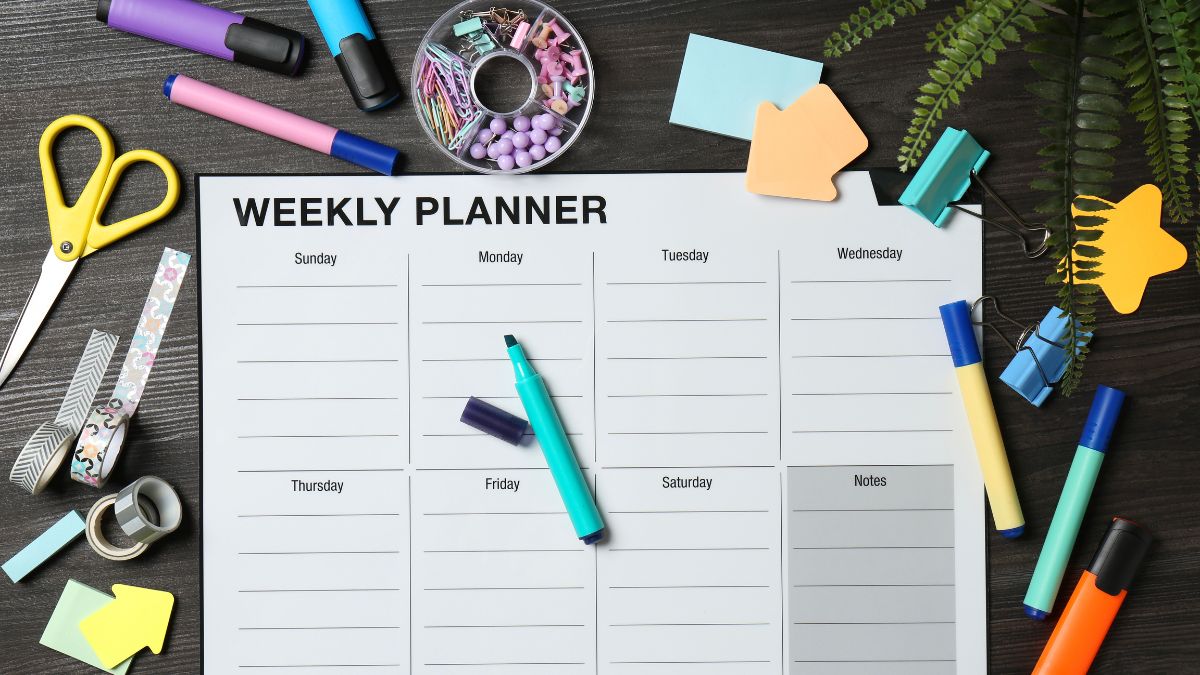
Have you ever felt the “Sunday scaries,” that heavy feeling in your stomach as the weekend winds down and Monday looms? For many women, it comes from not knowing what the week will bring. Deadlines, appointments, family needs, and business tasks all swirl around in your head with no clear order.
The cure is simple and surprisingly enjoyable: a weekly planning ritual. Think of it as a Sunday reset, a short, intentional session where you look at the week ahead, decide what matters, and set yourself up to win. In this post, I’ll show you exactly how to do weekly planning in about 30 minutes, even if you’ve never been a “planner person.”
Why Weekly Planning Beats Daily Planning Alone
Daily planning is wonderful, but it can keep you stuck in the weeds. Weekly planning gives you a bird’s-eye view. You can spot conflicts early, spread your workload evenly, and make sure your big goals actually get time on the calendar.
When you plan weekly, you:
- See the full picture. You notice that Thursday is crowded and move tasks to Tuesday before it becomes a problem.
- Protect your priorities. Important but non-urgent work, like creating products or learning new skills, gets scheduled instead of ignored.
- Reduce decision fatigue. Your daily plan becomes a matter of following the roadmap, not inventing it.
- Create balance. You can intentionally schedule rest, exercise, and fun.

Step 1: Clear the Decks
Start your Sunday reset by tidying up. That means:
- Clearing your desk or workspace
- Emptying your email inbox into folders or a to-do list
- Gathering loose notes, receipts, and screenshots
- Checking your phone for tasks you saved or promised
A clean starting point makes planning feel lighter. You don’t need to do it perfectly, just enough to feel calm.
Step 2: Review Last Week
Look back before you look ahead. Ask yourself three quick questions:
- What went well? Celebrate your wins, big or small.
- What didn’t get done, and why? Be curious, not critical. Was the task too big? Was your week overbooked?
- What did I learn? Maybe you discovered you work best in the morning, or that Wednesdays are always chaotic.
This reflection is gold because it teaches you how to plan better next time.
Step 3: Check Your Calendar and Commitments
Open your calendar and write down every fixed event for the coming week: meetings, appointments, school events, deadlines, social plans. Place them into your weekly planner first, because they are the “big rocks” that shape everything else.
If you have meetings to manage, a tool like the Meeting Schedule template can help you keep track of times, attendees, and agendas in one tidy spot.

Step 4: Choose Your Weekly Priorities
Now for the heart of weekly planning. Pick three to five priorities that, if completed, would make the week a success. Tie them to your monthly and yearly goals.
For example, if your yearly goal is to launch an online shop, your weekly priorities might be:
- Create five new product listings
- Write one blog post
- Post to social media four times
- Reply to all customer messages within 24 hours
Keep them specific and measurable. “Work on my business” is vague, but “publish two new listings” is clear.
Step 5: Map Your Week With a Planner
Time to put it all on paper. A good weekly planner gives you space for appointments, priorities, to-dos, and notes. Here are a few options that work beautifully:
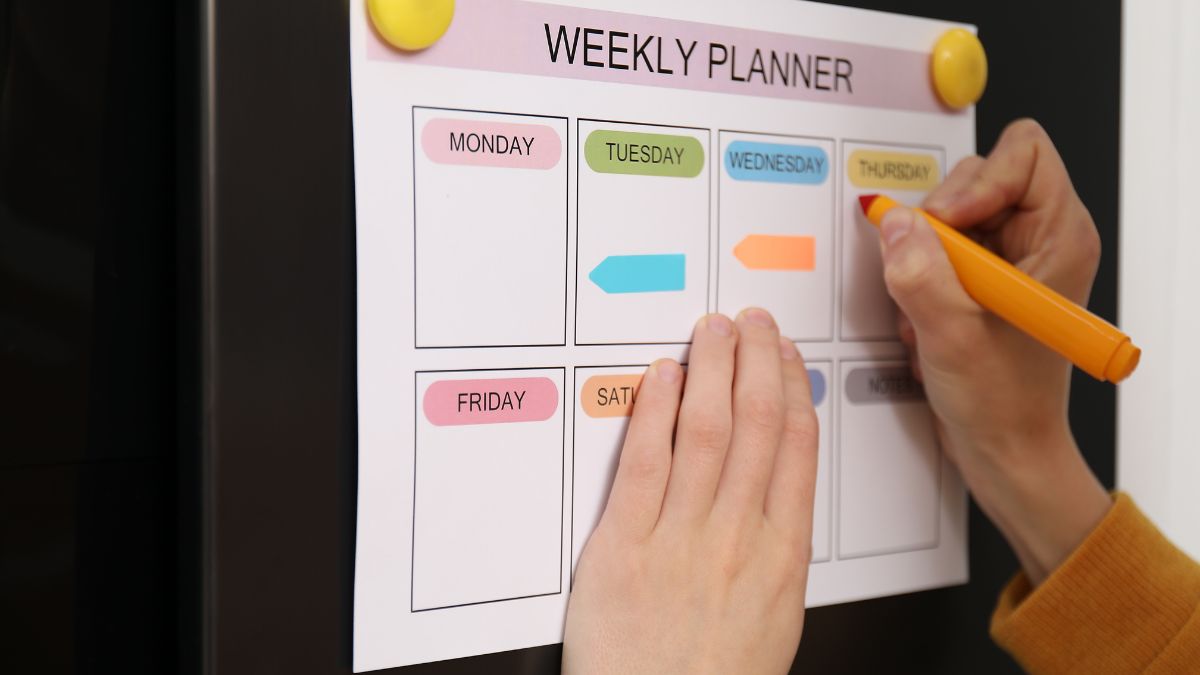
- The Weekly Planner offers a clean layout for seeing your whole week at a glance, perfect if you like simplicity.

- The Weekly and Daily Planner pairs a weekly overview with daily pages, ideal when you want to zoom in on each day.

- If you love customizing, the Weekly and Daily Planner Editable Canva Template lets you edit colors, fonts, and sections in Canva to match your style.

- For time-focused planners, the Weekly Schedule Planner helps you block out hours so your commitments never collide.

Choose the layout that feels natural. If it feels like a chore, you won’t use it.
Step 6: Assign Tasks to Days
Take your priority list and distribute tasks across the week. A few guidelines:
- Put your hardest task early. Monday and Tuesday are great for big projects while you have energy.
- Group similar tasks. Batch emails, calls, errands, and creative work together.
- Leave Friday lighter. It’s a good day for wrapping up loose ends and planning ahead.
- Schedule a buffer day. Keep one pocket of time open for the unexpected.
Don’t fill every slot. A plan with breathing room is far more likely to succeed.
Step 7: Plan Your Self-Care and Fun
This step is the one most people skip, and it’s the reason burnout happens. Add at least three non-negotiable moments for you into your week: a walk, a workout, a coffee date, a long bath, a favorite show.
When you schedule joy, you protect your energy. Productivity isn’t just about doing more, it’s about sustaining yourself while you do it.
Step 8: Prep for Monday
Finish your Sunday reset with a few simple prep tasks:
- Lay out your outfit or pack your bag
- Plan your meals or grocery list
- Write Monday’s Big 3
- Set a gentle, motivating alarm
Waking up to a prepared Monday feels like a gift from your past self.

Making the Habit Stick
A reset only works if you do it consistently. Try these tips:
- Pick a consistent time. Sunday afternoon or evening works for many, but Friday afternoon or Monday morning can work too.
- Make it cozy. Candles, music, snacks, whatever makes you want to show up.
- Keep it short. Thirty minutes is plenty. Longer sessions tend to turn into procrastination.
- Use the same template. Familiar tools reduce friction. Once you find a planner you love, stick with it.
A Sample Sunday Reset Schedule (30 Minutes)
If you like clear instructions, here is a timed version you can follow this weekend:
- Minutes 0 to 5: Tidy your space, grab a drink, open your planner
- Minutes 5 to 10: Review last week’s wins and unfinished tasks
- Minutes 10 to 15: Add all appointments, meetings, and deadlines for the week
- Minutes 15 to 22: Choose your weekly priorities and assign them to days
- Minutes 22 to 27: Schedule self-care, exercise, and social plans
- Minutes 27 to 30: Write Monday’s Big 3 and close your planner with a deep breath
Once you’ve done it a few times, you’ll move through each step faster. Many women say this is the most relaxing half hour of their whole week.

Weekly Planning for Different Seasons of Life
Your planning style will shift depending on what’s happening in your world.
If you’re a busy mom: Add a family column to your weekly layout so school pickups, activities, and meal plans sit beside your own tasks. Choose just two personal priorities each week so the plan stays realistic.
If you run an online business: Dedicate specific days to specific work. For instance, Monday for product creation, Tuesday for marketing, Wednesday for customer service, Thursday for finances and admin, and Friday for learning and planning. Theme days reduce mental switching and boost output.
If you work a 9-to-5 and have a side hustle: Use your planner to carve out two or three protected focus blocks each week. Even 90 minutes at a time adds up to meaningful progress over a month.
If you’re a student: List assignment due dates first, then work backward to schedule study sessions. This prevents last-minute cramming.
The beauty of weekly planning is that it adapts to you. Change the structure whenever your life changes.
Common Weekly Planning Mistakes
- Overscheduling: Planning 12 hours of tasks into an 8-hour day sets you up for disappointment.
- Forgetting travel and transition time: Add time between appointments.
- Ignoring energy levels: Match demanding tasks to your best hours.
- Not reviewing midweek: A quick Wednesday check-in lets you adjust before the week gets away from you.
Frequently Asked Questions
How long should a weekly planning session take? Between 20 and 40 minutes is ideal once you have a routine.
What day is best for weekly planning? Sunday is popular, but choose whatever day gives you a calm moment before your week begins.
Do I need both a weekly and a daily planner? Not necessarily. Some people prefer a weekly view only, while others like pairing it with daily pages for more detail.
What if my week changes completely? Adjust! Planning isn’t about rigidity, it’s about having a guide to return to.
Final Thoughts
Your week doesn’t have to feel like a blur. With a simple Sunday reset, you can walk into Monday knowing what matters, what’s coming, and how you’ll take care of yourself along the way.
Pick a planner you love, like the Weekly Planner, set aside 30 minutes this weekend, and give yourself the gift of a calm, focused week. You deserve it, boss babe.










Leave a Reply