


My first online English lesson was with a student named Min-jun, a middle schooler who was shy, nervous, and clearly afraid of making mistakes. I was nervous too. We spent the first ten minutes awkwardly smiling at each other. Then I showed him a picture of a pizza and asked what toppings he liked, and suddenly the conversation flowed. By the end of the lesson, he said a full sentence without hesitating, and his whole face lit up.
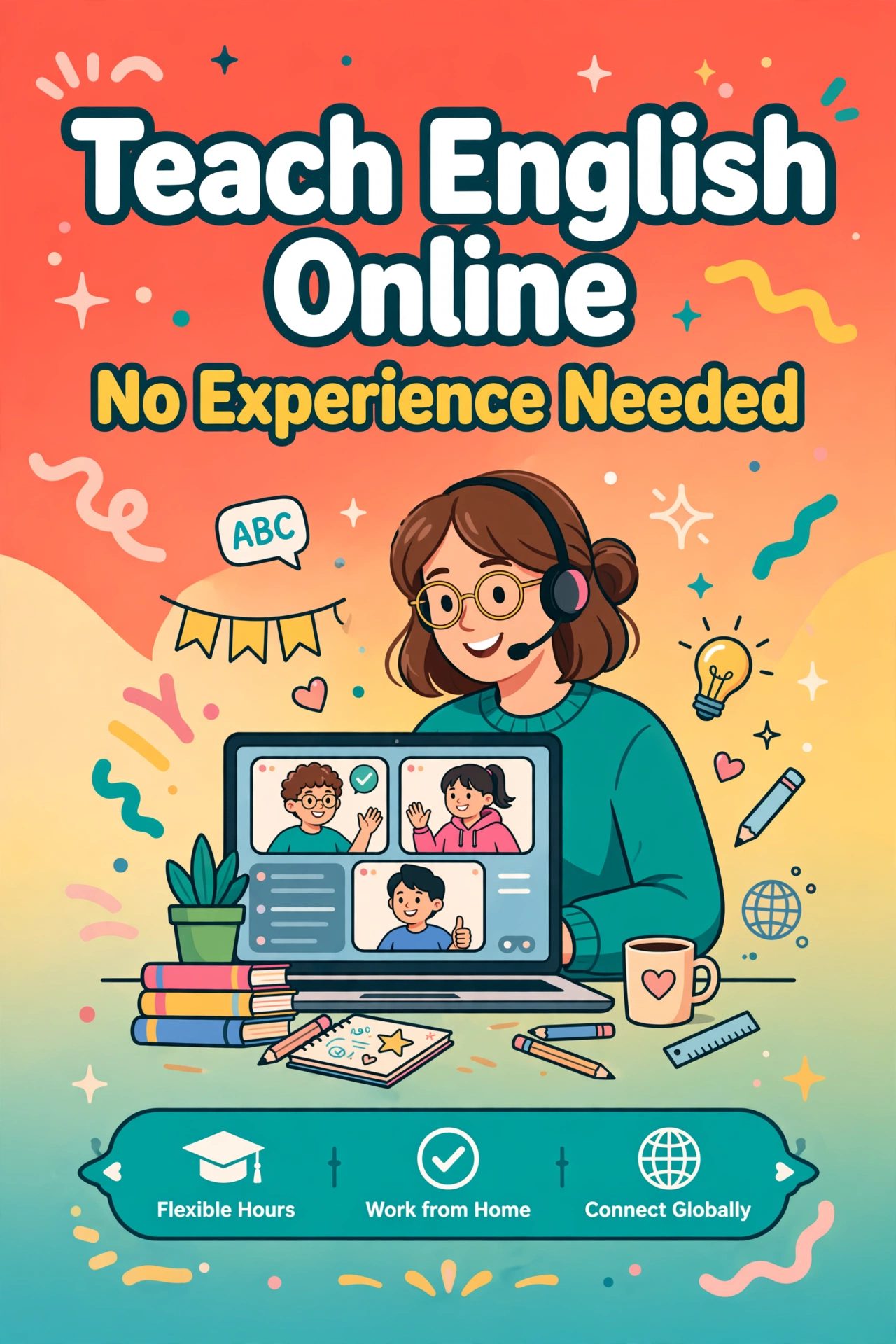
If you’re thinking about how to teach English online, I can tell you it’s one of the most rewarding ways to earn from home. You connect with learners around the world, help them reach goals, and work on a flexible schedule.
In this guide, I’ll walk you through requirements, how to choose between platforms and private students, how to plan lessons, and how to build income steadily, even if you’ve never taught before.
Why Teach English Online?
- Global demand. Millions of learners want English for school, work, travel, and immigration.
- Flexible hours. You can teach around other commitments, including different time zones.
- Low startup costs. A laptop, headset, and internet connection are the basics.
- Meaningful work. You see learners grow.
- Room to grow. You can specialize and raise your rates.
The honest part: Schedules may include early mornings or late evenings, depending on your students’ time zones. Income can fluctuate, bookings vary seasonally, and platform rules and pay structures change. Treat it like a business, and build a base of regular students.

Step 1: Understand the Requirements
Requirements differ by platform and country.
Common Requirements
- Fluent English, ideally native-level or near-native.
- A bachelor’s degree for some platforms, though not all.
- A TEFL, TESOL, or CELTA certificate for many platforms and for better rates.
- Teaching experience (helpful but not always required).
- Reliable internet, a computer, and a quiet space.
- Professional demeanor and punctuality.
Always check each platform’s current requirements, and be honest about your qualifications.
Getting Certified
A TEFL or TESOL certificate (often 100 to 120 hours) can strengthen your résumé and your teaching skills. Compare accredited programs, read reviews, and avoid courses that make unrealistic promises about guaranteed jobs or income.

Step 2: Choose Your Teaching Path
Option 1: Teaching Platforms
Established online tutoring and English-teaching companies connect teachers with students, handle payments, and sometimes provide materials.
Pros: Steady students and structure.
Cons: Platform fees, set rates, and rules on schedules or materials.
Option 2: Marketplaces for Independent Tutors
You create a profile, set your rates, and attract students.
Pros: More control over pricing and lessons.
Cons: You must market yourself and compete with others.
Option 3: Private Students
Find students directly through your network, social media, or referrals.
Pros: Higher earnings per hour, since you avoid platform fees.
Cons: You handle marketing, scheduling, contracts, and payments.
Option 4: Specialized Teaching
Focus on niches like business English, exam preparation, kids’ English, or conversation practice for professionals.
Pro tip: Start with a platform to build experience and reviews, then gradually add private students.
Step 3: Set Up Your Teaching Space and Tools
- Computer and webcam with a clear picture.
- Headset with a good microphone.
- Stable internet, ideally with a backup option.
- Quiet, well-lit space with a simple, tidy background.
- Video platform: Zoom, Google Meet, or the platform’s classroom.
- Digital whiteboard and slides.
- Learning materials: worksheets, flashcards, stories, and games.
- Scheduling and payment tools for private students.
Test your equipment before every session to avoid technical hiccups.
Step 4: Plan Lessons That Work
A Simple Lesson Structure
- Warm-up (5 minutes): A friendly question or short chat.
- Review (5 minutes): Revisit last lesson’s key points.
- Main activity (20 to 30 minutes): Introduce new vocabulary, grammar, or conversation skills.
- Practice (10 minutes): Speaking, role-play, or short writing.
- Feedback and recap (5 minutes): Summarize and assign a small task.
Tips for Effective Teaching
- Speak clearly and at a natural, slightly slower pace.
- Use visuals and gestures.
- Encourage students to talk more than you.
- Correct mistakes kindly, focusing on key errors.
- Adapt to the learner’s level and goals.
- Celebrate progress.
Use AI to Prepare Faster
AI can help you create practice dialogues, vocabulary lists, reading passages, and quizzes. Always review for accuracy and appropriateness, especially for younger learners. The Claude Advantage shows how to prompt effectively to save lesson-planning time. Never share students’ personal information with any tool you aren’t authorized to use.

Step 5: Build Your Profile and Brand
Whether you’re on a platform or going independent, presentation matters.
- Use a friendly, professional photo.
- Write a clear introduction about your experience, teaching style, and who you help.
- Record a short intro video to build trust.
- Collect reviews and testimonials from students.
- Highlight specialties such as business English or conversation practice.
The Personal Brand Blueprint can help you shape a professional brand that attracts the right students.
Step 6: Set Your Rates
Rates vary by platform, qualifications, specialization, and location.
- Research what similar teachers charge.
- Start with competitive rates and raise them as your reviews and demand grow.
- Offer lesson packages with a small discount for prepayment.
- Set clear cancellation and rescheduling policies.
- Charge more for specialized services, like exam prep or business English.

Step 7: Find and Keep Students
- Platform bookings: Optimize your profile and keep availability open at popular hours.
- Social media and communities: Share helpful English tips on Instagram, TikTok, or Facebook groups, following rules.
- Referrals: Ask happy students to recommend you.
- Free trial lessons (used carefully) to convert new students.
- Email or messaging follow-ups after lessons.
- Content creation: A small blog, YouTube channel, or newsletter with English tips can attract learners.
For beginner-friendly marketing strategies, The Digital Marketing Playbook explains how to attract the right audience.

Safety and Professionalism
- Protect privacy. Avoid sharing personal contact details outside approved channels, especially with minors.
- Follow child-safety rules if you teach young learners, including parental involvement and platform guidelines.
- Use contracts or clear terms for private students.
- Keep payments secure.
- Be culturally sensitive and respectful.
Grow Beyond One-on-One Lessons
- Group classes at a lower price per student.
- Digital products, such as workbooks, flashcards, and printable games.
- Online courses for specific goals like interview English.
- Teaching content, such as a YouTube channel or newsletter.
If you’re a mom looking for flexible work, The Stay-At-Home Mom’s Guide to Making Money Online offers flexible ideas that pair well with teaching.
Want to teach while traveling? The Digital Nomad Mom explains how remote income and family travel can fit together.

A 30-Day Starter Plan
- Week 1: Check requirements, consider TEFL options, and set up your teaching space.
- Week 2: Create your profile, record an intro video, and prepare five sample lessons.
- Week 3: Apply to platforms or list yourself as a tutor.
- Week 4: Teach your first lessons, request feedback, and refine your approach.
Money and Business Basics
- Track income and expenses.
- Understand how platform payments, currency conversions, and fees affect your earnings.
- Set aside money for taxes. Consult a qualified professional, especially if you work across countries.
The Smart Mom’s Complete Guide to Money offers friendly guidance for managing variable income.

Handling Common Teaching Challenges
Every new teacher meets a few tricky situations. Here’s how I handle them:
- A very quiet student: Start with low-pressure topics, such as favorite foods or hobbies, and use visuals to spark responses.
- A student who only wants to translate: Gently encourage thinking in English with simple questions, and praise attempts.
- Technical problems: Have a backup plan, like switching to audio or sharing a link to a different platform, and tell students your policy in advance.
- Wide level differences in a group: Use pair work and tiered tasks so everyone feels challenged.
- Slow progress: Break goals into smaller milestones and show students how much they’ve already learned.
Patience, humor, and clear structure turn most challenges into opportunities, and your calm attitude teaches students that making mistakes is part of learning.
Mistakes to Avoid
- Overstating qualifications.
- Ignoring time zones.
- Talking too much and not letting students practice.
- No cancellation policy.
- Underpricing private lessons.
- Skipping lesson prep.

Quick Answers About Teaching English Online
Do I need a degree? Some platforms require one, while others don’t. Requirements vary, so check each one.
Do I need a TEFL certificate? It’s often preferred and can improve opportunities, though not always mandatory.
How much can I earn? It varies widely by platform, qualifications, and experience. Many teachers start modestly and grow with reviews and private students.
Can I teach if English isn’t my first language? Many platforms welcome fluent non-native speakers, though requirements and demand vary.
Every Lesson Opens a Door
Teaching English online is about connection, patience, and helping learners reach goals. Check requirements, prepare your space, plan engaging lessons, and build your reputation one student at a time.
This week, research two platforms, record a short intro video, and plan one sample lesson. Trust me, the first time a student tells you, “Now I can speak with confidence,” you’ll understand why so many teachers love this work. Let’s get teaching!










Leave a Reply