


I still remember the first time I opened an invoice template and typed a client’s name next to the number $75. My hands were actually shaking. Seventy-five dollars! For writing a few product descriptions! It felt unreal, like I was getting away with something. A few weeks earlier, I’d been convinced “real” freelancers had degrees, connections, and years of experience I simply didn’t have.
Little did I know that most freelancers started exactly where I did: nervous, unsure, and willing to try. If you’re wondering how to start freelancing, even with zero experience, this guide is for you.
I’ll walk you through choosing a skill, building a portfolio from scratch, finding your first clients, setting your rates, and avoiding the mistakes that cost me time and money.
Why Freelancing Is a Great Way to Earn From Home
Freelancing is probably the fastest route to online income. Unlike building a blog or a product business, you can get paid within weeks because you’re selling a service people already need.
The perks:
- Quick income. Your first payment can arrive in a month or less.
- Flexibility. Work from your kitchen table, a coffee shop, or a beach.
- Low startup costs. A laptop, internet, and a few free tools are enough.
- Control. You choose your clients, rates, and schedule.
- Skill growth. Every project teaches you something new.
The honest side: Income can be uneven, you’ll handle your own taxes and admin, and finding clients takes ongoing effort. A little planning solves most of these problems.
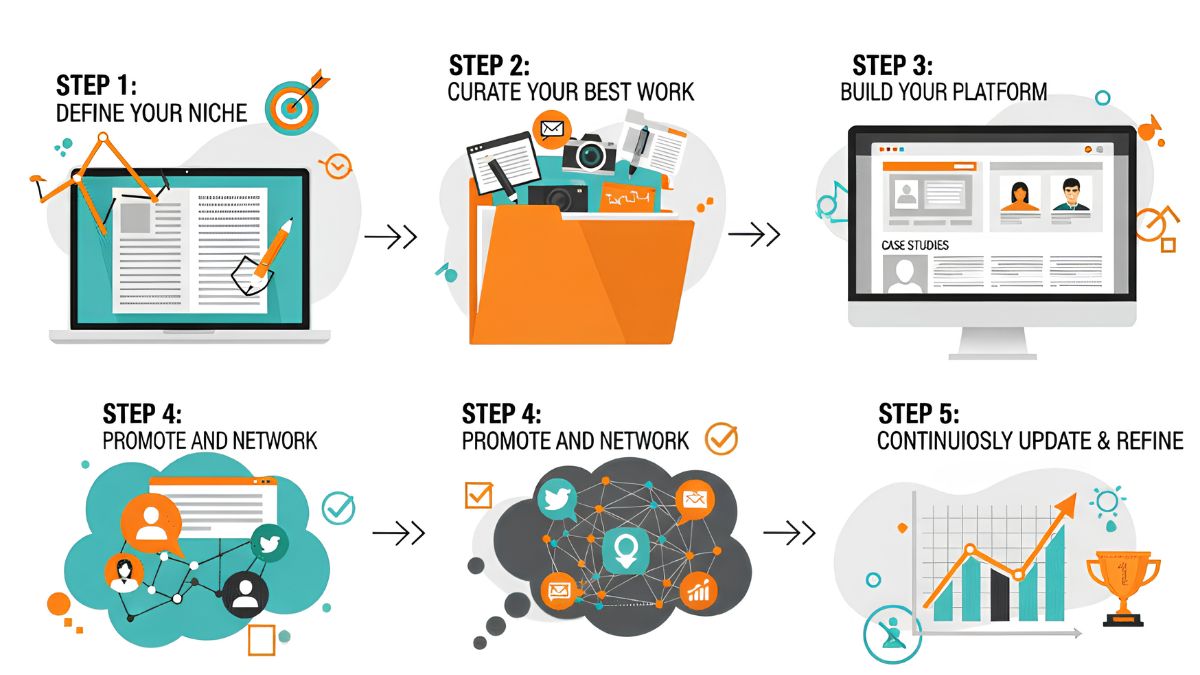
Step 1: Choose a Freelance Skill
You probably already have marketable skills. I just didn’t recognize mine at first. Here are popular beginner-friendly services:
- Freelance writing: blog posts, website copy, emails, product descriptions.
- Virtual assistance: inbox management, scheduling, customer support.
- Social media management: content planning, captions, community engagement.
- Graphic design: social templates, logos, simple branding with Canva.
- Bookkeeping: organizing income and expenses for small businesses.
- Editing and proofreading: polishing documents, books, and web content.
- Transcription and captioning: turning audio and video into text.
- Online tutoring: teaching languages, school subjects, or software.
How to Decide
Ask yourself:
- What do people already ask me for help with?
- Which tasks do I enjoy so much I lose track of time?
- What skills did my last job give me?
- Which service do local businesses clearly need?
Pro tip: Combine two skills for a stronger niche. “Social media management for yoga studios” attracts better clients than “social media manager” alone.
Step 2: Learn the Basics Quickly
If you feel underprepared, close the gap with free or low-cost learning:
- YouTube tutorials for tools like Canva, Google Workspace, and Notion.
- Free courses from platforms like Coursera audits, HubSpot Academy, and Google Digital Garage.
- Practice projects where you create sample work for fictional clients.
Give yourself two to four weeks to build basic competence. You don’t need to be an expert. You need to be better than your client at this one task.
AI tools can also speed up your learning and your work. If you want to use them well, The Claude Advantage walks through practical prompts for research, drafting, and organizing.

Step 3: Build a Portfolio With No Clients
This was my biggest fear. How do you show experience when you have none? Here’s how I did it:
- Create sample projects. Write two blog posts, design three social templates, or build a sample content calendar.
- Do a few free or discounted pilot projects for friends, family, or local businesses in exchange for honest testimonials.
- Volunteer for a nonprofit you care about.
- Show your process. Explain the problem, your solution, and the result.
Put your best three to five samples in a simple portfolio using a free website builder, Canva, Notion, or a Google Drive folder. Add a short bio and a clear way to contact you.
Step 4: Set Up Your Freelance Business
You don’t need anything fancy:
- A professional email address
- A simple invoice template (many free tools exist)
- A contract template to protect both sides (consider having a professional review it)
- A payment method such as PayPal, Stripe, or bank transfer
- A tracking spreadsheet for income, expenses, and deadlines
Check your local rules around registering as a self-employed worker or business. Requirements vary a lot by country and region.

Step 5: Set Your Rates
Pricing used to terrify me. Here’s the simple approach I use:
- Research market rates on freelance platforms and in your niche.
- Decide your monthly income goal and work backward: how many projects at what price?
- Price by project when possible, not just by the hour.
- Start fair, not rock-bottom. Very low prices attract clients who undervalue you.
- Raise your rates every few projects as your confidence and portfolio grow.
Beginner rates vary widely by skill and region, so use your research rather than a fixed number. The real lesson: your first price isn’t permanent.
Step 6: Find Your First Clients
This is the part where most beginners freeze. Here are the places that worked for me:
Your Warm Network
Tell everyone what you’re doing. Post on social media, email former coworkers, and message friends with small businesses. Many first clients come from people who already know and trust you.
Freelance Platforms
Upwork, Fiverr, and similar sites let you create a profile and apply for projects. Competition is stiff, so write personalized proposals and focus on the client’s problem rather than your resume.
Cold Outreach
Find small businesses that clearly need help, such as a local shop with a neglected Instagram. Send a short, friendly email pointing out one specific idea and offering to help.
Communities and Groups
Join Facebook groups, LinkedIn communities, and industry forums where your ideal clients gather. Be genuinely helpful before you ever pitch.
A Simple Pitch Template
Keep it short:
- A friendly greeting using their name
- One genuine compliment or observation
- One specific way you can help
- A brief proof point from your portfolio
- A simple call to action, like a quick chat
For deeper marketing know-how, The Digital Marketing Playbook explains how to attract the right customers and build a steady pipeline.

Step 7: Deliver Great Work and Keep Clients
Landing the client is half the battle. Keeping them is where the real income comes from.
- Communicate clearly. Confirm scope, deadlines, and expectations in writing.
- Under-promise, over-deliver. Deliver a day early when possible.
- Ask for feedback and testimonials after each project.
- Offer ongoing packages such as monthly retainers.
- Build your reputation. The Personal Brand Blueprint shows how to become the go-to person in your niche.
Manage Your Freelance Money
Freelance income is irregular, so structure matters:
- Separate business and personal finances.
- Set aside money for taxes from every payment, and consult a qualified professional.
- Build a buffer of one to three months of expenses.
- Invoice promptly and follow up on late payments politely.
If budgeting feels overwhelming, The Smart Mom’s Complete Guide to Money offers simple frameworks that fit variable income.
Handling Your First Difficult Client
Sooner or later, you’ll meet a client who’s unclear, slow to pay, or never satisfied. Here’s how I handle it calmly:
- Go back to the contract. Scope, revisions, and payment terms are your anchor.
- Respond in writing, politely and factually, so there’s a record.
- Offer a clear option: “I can include that for an additional fee, or we can keep to the original scope.”
- Pause work if invoices are overdue, following your contract terms.
- Know when to part ways. Ending a bad-fit project professionally frees time for better clients.
Difficult clients are rarely personal. They’re usually a sign that expectations weren’t clear at the start, which is a lesson you can apply to your next proposal.
Mistakes to Avoid
- Working without a contract. Always put terms in writing.
- Underpricing for too long. Raise your rates as you grow.
- Saying yes to everything. Choose clients who respect you.
- Neglecting marketing. Keep pitching even when you’re busy.
- Skipping the taxes talk. Plan early to avoid stress later.

Quick Answers About Starting Freelancing
Can I start freelancing with no experience? Yes. Build sample projects, offer a few pilot projects, and learn as you go.
How much can beginners earn? It varies by skill, niche, and effort. Many beginners earn a few hundred dollars monthly at first, then increase as they gain experience and raise rates.
How long until I get my first client? Many people land a first project within one to two months of active outreach, though it varies.
Should I quit my job to freelance? Most people start part-time, build steady income, and only then consider going full-time.
Your First Freelance Client Is Closer Than You Think
Knowing how to start freelancing comes down to a handful of steps: pick a skill, build samples, set up the basics, and tell people what you offer. You don’t need a perfect resume or a fancy degree. You need a clear service and the courage to put yourself out there.
This week, choose your skill, create one sample, and send five friendly pitches. Trust me, the day you send your first invoice, you’ll feel unstoppable. You can do this!










Leave a Reply