

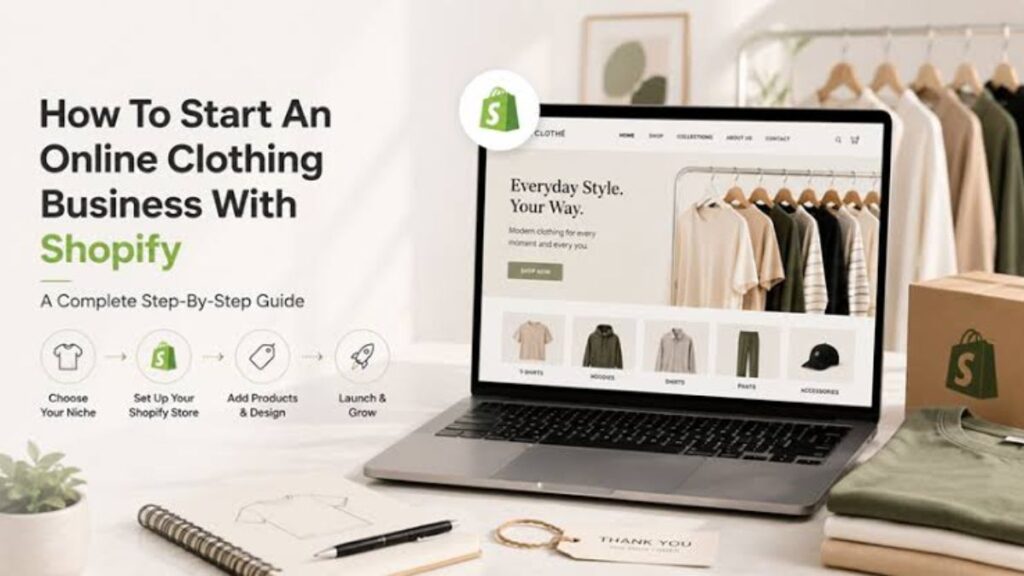
My friend Dana spent two years dreaming about opening a little boutique. She kept scrolling through shop leases and imagining racks of dresses, then closing her browser when she saw the monthly rent. One evening, I said, “What if you started online first?” She laughed. Six months later, she had a Shopify store, a small collection of curated pieces, and her first customers from three different states.
If you want to start an online boutique, you don’t need a storefront, a big budget, or a business degree. You need a clear niche, reliable products, a clean store, and a plan to attract shoppers.
In this guide, I’ll walk you through choosing products, sourcing, setting up your Shopify store, pricing, and marketing, plus the honest challenges, so you can launch with confidence.
Is an Online Boutique Right for You?
An online boutique is an ecommerce store focused on a curated style or niche, such as women’s clothing, accessories, home decor, baby items, or gifts.
The perks:
- Low overhead compared with a physical shop.
- Flexible hours.
- Global reach.
- Creative control over your brand.
- Room to grow into a larger business.
The honest part: Physical products involve inventory, shipping, returns, and customer service. Margins can be tight, competition is strong, and ad costs can rise. Starting small and testing carefully protects your money.
Step 1: Choose a Clear Niche and Audience
“Women’s fashion” is too broad. A specific audience makes marketing easier.
Ask Yourself
- Who is my customer? Age, lifestyle, budget, and values.
- What problem do I solve? Convenience, style, comfort, or gifting.
- What makes my selection special? Curated sizes, sustainable materials, local artisans, or a unique aesthetic.
Boutique Niche Examples
- Modest, minimalist workwear.
- Maternity and postpartum comfort clothing.
- Cozy loungewear.
- Handmade jewelry and accessories.
- Eco-friendly home goods.
- Personalized gifts.
- Kids’ boutique clothing.
Pro tip: Write your brand in one sentence: “We help busy moms feel put together with comfortable, stylish basics.”
Step 2: Decide How You’ll Source Products
You have several options, each with trade-offs.
1. Wholesale
Buy products in bulk from wholesalers at discounted prices and sell at retail. You hold inventory, so start with small orders.
2. Dropshipping
A supplier ships orders directly to your customers. You don’t hold inventory, but you have less control over quality and shipping times, and margins can be thin. Vet suppliers carefully and order samples.
3. Print-on-Demand
Add your designs to apparel and accessories, and a partner prints and ships on demand.
4. Handmade or Private Label
Create your own items or work with manufacturers to produce branded products. This offers uniqueness but usually needs more upfront investment.
5. Curated Local or Artisan Products
Partner with local makers and share their stories.
Supplier Due Diligence
- Order samples before selling anything.
- Check shipping times and return policies.
- Compare prices from several suppliers.
- Read reviews and verify business details.
- Understand minimum order quantities.
Step 3: Validate Before You Spend
- Talk to potential customers and show photos or samples.
- Test interest with social media posts and simple surveys.
- Pre-sell a small capsule collection to gauge demand.
- Check competitors to learn pricing and positioning.
Starting with 10 to 20 products is plenty. A focused store looks more professional than an overloaded one.
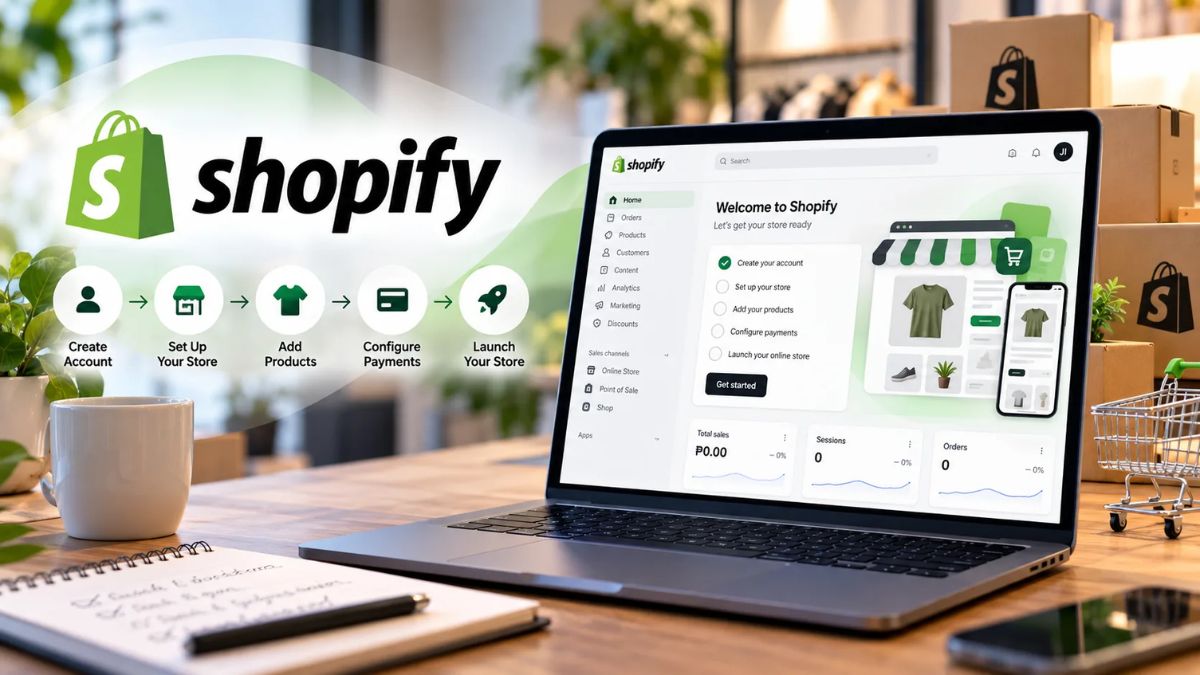
Step 4: Set Up Your Shopify Store
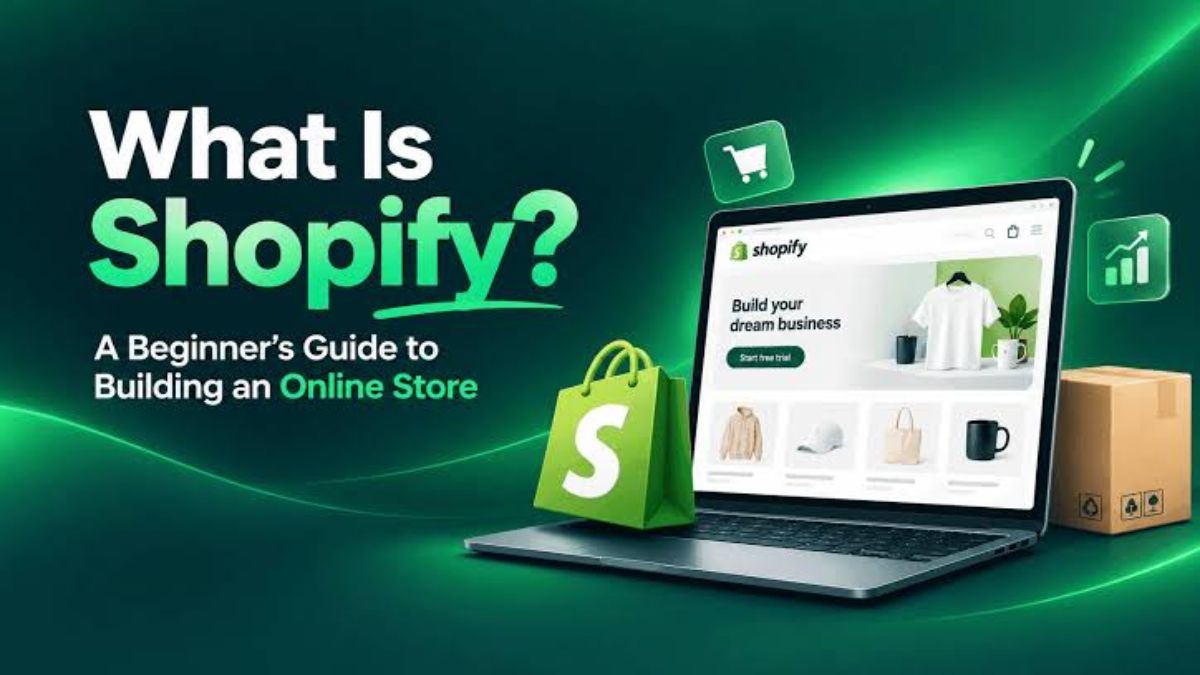
- Choose a plan after checking current pricing and trial offers.
- Pick a theme that’s clean, mobile-friendly, and fast.
- Add your products with clear titles, benefits, sizing details, and high-quality photos.
- Create essential pages: About, Contact, Shipping, Returns, FAQ, Privacy Policy, and Terms.
- Set up payments, taxes, and shipping rates.
- Connect a custom domain.
- Test the checkout by placing an order yourself.
Product Photography
Photos sell products. Use natural light, a clean background, and several angles. Show products on real people when possible, and include detail shots for fabric, fit, and finish.
Product Descriptions
Describe how the item looks, feels, and fits. Include size charts, materials, care instructions, and styling ideas. AI can help draft descriptions, but edit for accuracy and brand voice. The Claude Advantage shows how to prompt effectively for product copy and planning.
Step 5: Price for Profit
Pricing is more than doubling your cost.
Basic Pricing Formula
Retail price = product cost + shipping/packaging + platform and payment fees + marketing costs + your profit
Many boutiques aim for a markup that leaves healthy margins after all expenses, though the right number depends on your niche and costs. Track everything, because hidden costs like returns and ad spend can quietly eat profits.
Step 6: Build Your Brand
People buy from boutiques they connect with.
- Choose a memorable name and logo.
- Use a consistent color palette and fonts.
- Tell your story on your About page.
- Share behind-the-scenes content and customer photos.
- Create unboxing moments with thoughtful packaging.
The Personal Brand Blueprint offers a clear framework for shaping a brand that feels authentic and memorable.
Step 7: Attract Your First Customers
You don’t need a huge ad budget. Start with free and low-cost channels.
- Instagram and TikTok: Show outfits, styling tips, and behind-the-scenes.
- Pinterest: Create pins that link to products and collections.
- Email list: Offer a welcome discount in exchange for sign-ups.
- Local community: Friends, family, and local groups can be your first buyers.
- Collaborations: Partner with micro-influencers whose audience fits your niche.
- SEO: Write clear product titles and blog posts that answer shoppers’ questions.
- Paid ads: Start small once you’ve tested organic content and know your numbers.
For a beginner-friendly marketing roadmap, The Digital Marketing Playbook explains how to attract and convert customers. And if you’d like to build your visibility as a creator-owner, The Complete Beginner’s Guide to Building a KOL Influencer Career offers useful ideas for growing an audience around your brand.
Step 8: Deliver Great Customer Service
Reviews and repeat customers are the engine of a boutique.
- Ship on time and communicate delays honestly.
- Respond to messages quickly.
- Make returns clear and fair.
- Include a thank-you note in packages.
- Ask for reviews and share customer photos with permission.

Legal and Money Basics
- Register your business according to local rules.
- Understand sales tax and shipping regulations.
- Follow consumer protection and labeling laws.
- Keep business and personal finances separate.
- Track income, costs, and inventory.
- Consult a qualified accountant about your situation.
The Smart Mom’s Complete Guide to Money offers friendly, practical guidance for managing budgets and cash flow.
A 60-Day Launch Plan
- Days 1–10: Choose your niche, research competitors, and define your brand.
- Days 11–25: Source products, order samples, and take photos.
- Days 26–40: Build your store, write descriptions, and set up policies.
- Days 41–50: Test checkout, build your email list, and create launch content.
- Days 51–60: Launch, promote daily, and gather early feedback.
Sample Weekly Routine for a Boutique Owner
Running a store means juggling creative and operational tasks. Here’s a sample weekly rhythm for a part-time owner:
- Monday: Review orders, inventory, and customer messages. Plan the week’s content.
- Tuesday: Photograph new arrivals and write product descriptions.
- Wednesday: Create social posts, pins, and email campaigns.
- Thursday: Pack and ship orders, update tracking, and respond to inquiries.
- Friday: Review sales, ad spend, and analytics. Plan next week’s promotions.
Batching similar tasks, such as photographing five products at once, saves hours and keeps your store looking consistent.
Managing Inventory and Cash Flow
Inventory ties up cash, so manage it carefully.
- Start with small orders of your best-selling styles or sizes.
- Track stock levels in a simple spreadsheet or your Shopify dashboard.
- Reorder based on sales data, not guesses.
- Plan seasonal buying early, but stay flexible.
- Clear slow-moving items with bundles or limited-time offers.
- Keep a cash buffer for restocking, returns, and unexpected costs.
Profit isn’t the same as cash. A store can look busy while draining cash into unsold stock, so watch your numbers weekly.
Mistakes to Avoid
- Buying too much inventory too soon.
- Skipping samples.
- Ignoring shipping and return costs.
- Underpricing.
- Relying only on ads.
- Neglecting customer service.
Quick Answers About Starting an Online Boutique
How much money do I need? It depends on your sourcing model. Dropshipping and print-on-demand can start small, while wholesale needs inventory money.
Is Shopify good for beginners? Many beginners find it easy to use, though you should compare options and current pricing.
How long until I make profit? Many stores take several months to become profitable, depending on marketing and margins.
Do I need a business license? Requirements vary by location, so check local rules or consult a professional.
Your Boutique Starts With One Small Collection
Starting an online boutique is about curating a clear point of view, serving a specific customer, and building trust one order at a time. Begin small, test carefully, and grow as you learn.
This week, write your one-sentence brand description and choose ten products you’d love to sell. Trust me, the moment your first order arrives, all that planning turns into something wonderfully real. Let’s open those virtual doors!








Leave a Reply