


I sent my first newsletter to 23 people. Seventeen were family members, and two were my own other email addresses. I remember pressing “send” with a pounding heart, then refreshing my inbox like a maniac waiting for someone to reply. One person did. She wrote, “I actually look forward to reading these.” That single sentence kept me writing for a year.
If you want to start a newsletter and make money, you’re choosing a business model that’s grown beautifully for independent writers and creators. A newsletter gives you a direct line to readers who’ve chosen to hear from you, and that attention can turn into real income.
In this guide, I’ll walk you through choosing a niche, picking a platform, creating content people love, growing subscribers, and monetizing in several ways.
Why Newsletters Are a Great Business Model
- Direct relationship. No algorithm decides who sees your work.
- Low cost. You can start for free or very little.
- Loyal audiences. Readers who open your emails regularly trust you.
- Multiple income streams. Sponsorships, affiliates, products, and paid tiers.
- Portable. You own your list and can move platforms.
The honest part: Growth takes consistent effort and patience. Many newsletters stall because the writer gives up early. Pick a rhythm you can sustain.
Step 1: Choose Your Niche and Promise
A great newsletter promises something specific.
Questions to Ask
- Who is this for?
- What problem or interest do they have?
- What will they get from every issue?
- Why am I the right person to share this?
Niche Ideas
- Side hustles and online income
- Personal finance for families
- Career growth and remote work
- Wellness and habits
- Parenting tips
- Creative business and design
- AI tools for small businesses
- Curated industry news
Pro tip: Write a one-sentence promise: “Every Thursday, I share one practical idea to help busy moms earn online.”
Step 2: Choose a Platform
Popular newsletter platforms include Substack, Beehiiv, Kit (formerly ConvertKit), MailerLite, and Ghost. Features and pricing change, so compare current options.
What to Look For
- Free or low-cost starter tier.
- Easy editor and design tools.
- Subscriber management and analytics.
- Monetization features, such as paid subscriptions, referrals, and ad networks.
- Ownership and export options for your list.
Choose one and learn it well. You can always switch later.
Step 3: Plan Your Content
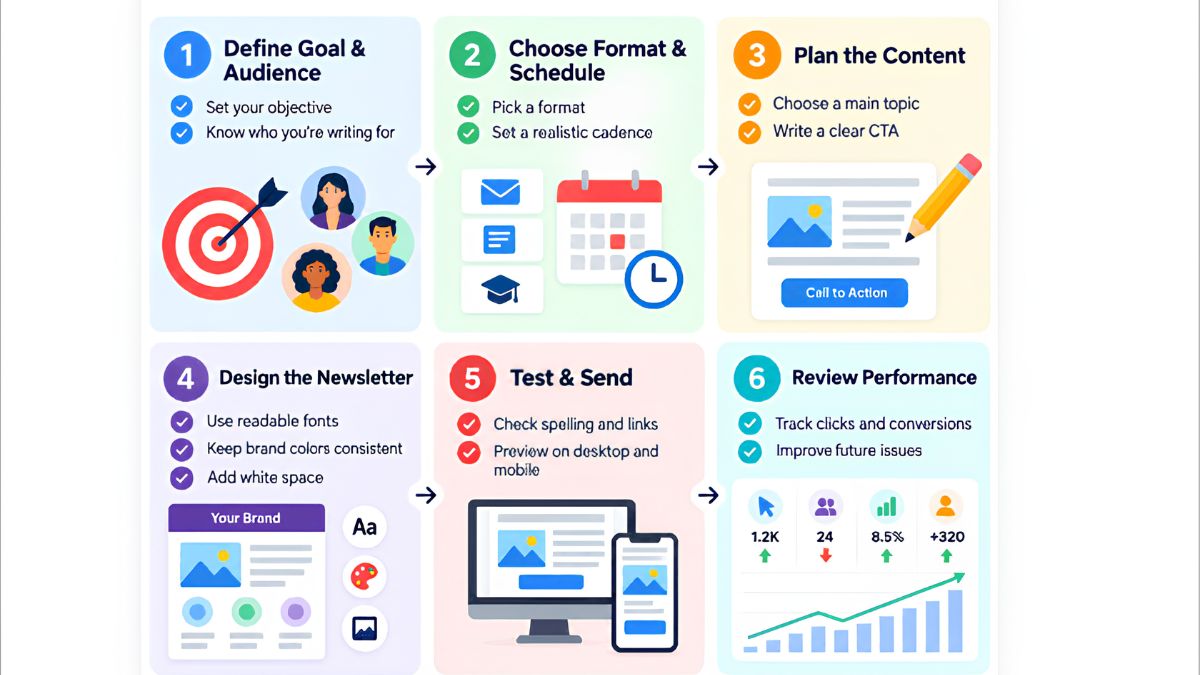
Decide on Format and Frequency
- Weekly is a popular and sustainable rhythm.
- Biweekly or monthly can work for deeper, longer issues.
Issue Ideas
- A main lesson or story
- Three quick tips or links
- A tool or resource recommendation
- A reader question and answer
- A short personal update
A Simple Template
- Subject line that’s clear and curious.
- A short personal opening.
- The main idea, with practical steps.
- A recommendation or offer.
- A friendly sign-off and question.
AI can help brainstorm topics, draft outlines, and tighten writing, but your voice is the product. The Claude Advantage shares prompt frameworks that save planning time while keeping your newsletter personal.
Step 4: Write Newsletters People Love
- Write like you talk. Conversational writing builds connection.
- Be specific and useful. Give readers something they can act on.
- Keep it scannable with short paragraphs and headings.
- Share stories. Personal moments create loyalty.
- End with a call to action, such as replying with a question.
- Be consistent. Show up when you say you will.
Your personal voice and story set you apart. The Personal Brand Blueprint helps you clarify your brand and message.
Step 5: Grow Your Subscriber List
Ways to Get Subscribers
- A lead magnet: A free checklist or guide in exchange for sign-ups.
- Pinterest and blog content linking to your sign-up page.
- Social media: Share snippets and invite followers to subscribe.
- Collaborations and cross-promotions with similar newsletters.
- Referral programs that reward readers for sharing.
- Guest posts and podcast appearances.
- Your personal network.
To go deeper on attracting and converting readers, The Digital Marketing Playbook is a solid resource.
Step 6: Monetize Your Newsletter
1. Sponsorships and Ads
Brands pay to reach your readers. Many newsletters begin attracting sponsors once they have a few thousand engaged subscribers, though smaller niche newsletters can also earn.
2. Affiliate Marketing
Recommend products you truly use and earn commissions. Disclose clearly.
3. Your Own Products and Services
Sell ebooks, templates, courses, coaching, or freelance services. This is often the most profitable path for small newsletters. The Stay-At-Home Mom’s Guide to Making Money Online provides beginner-friendly product ideas.
4. Paid Subscriptions
Offer premium issues, deeper content, or community access for a monthly or annual fee. This works best once readers trust you and want more.
5. Ad Networks and Recommendation Programs
Some platforms offer built-in ad or recommendation networks that pay for subscriber referrals.
A Realistic Newsletter Timeline
- Months 1–3: Setting up, writing consistently, and gaining your first 50 to 200 subscribers.
- Months 4–6: Steady growth, first affiliate commissions or small product sales.
- Months 7–12: Growing engagement, possible sponsorships, and clearer offers.
- Year 2 and beyond: Compounding growth and stronger revenue.
Results vary widely, so track engagement as well as subscriber counts.
Sample Newsletter Ideas to Spark Your Own
If you’re still hunting for your angle, here are a few concepts that show how specific a newsletter can be:
- “The Nap-Time Hustle”: A weekly email with one side hustle idea and one tool for busy moms.
- “Budget Brief”: A short Friday email with a money tip, a deal roundup, and a reader budget makeover.
- “The Freelance Friday”: Client-finding tactics, pitch templates, and one honest lesson from the week.
- “Prompt of the Week”: A single useful AI prompt for small business owners, with an example result.
Notice how each one has a clear audience, a consistent format, and a recognizable promise. Readers know exactly what they’ll get, which makes opening the email an easy habit.
How to Keep Readers Engaged
Opens and replies matter more than raw subscriber counts. These habits help:
- Use a recognizable sender name so readers know it’s you.
- Write subject lines that promise a clear benefit without being misleading.
- Open with a short personal note to build connection.
- Ask a question and invite replies.
- Segment your list if your audience has different interests.
- Review analytics monthly and note which topics get the best response.
- Run a short reader survey twice a year to learn what people want.
Engaged readers click, reply, and buy, which is exactly the foundation you need for sustainable income.
Keep Your List Healthy and Legal
- Always include an unsubscribe link.
- Follow email laws such as CAN-SPAM and GDPR where they apply.
- Never buy email lists.
- Clean inactive subscribers occasionally.
- Respect privacy. Protect subscriber data.
Manage Your Money
- Track newsletter income and expenses.
- Set aside money for taxes. Consult a qualified professional.
- Reinvest in tools or growth when income allows.
The Smart Mom’s Complete Guide to Money offers simple money habits for creators with variable income.
A 30-Day Newsletter Launch Plan
- Week 1: Choose your niche, write your promise, and pick your platform.
- Week 2: Design your sign-up page, create a lead magnet, and write your welcome email.
- Week 3: Write and send your first issue, and invite your personal network.
- Week 4: Send issue two, ask for feedback, and promote your sign-up page on one or two channels.
How to Write a Strong Welcome Email
Your welcome email has one of the highest open rates you’ll ever send, so make it count:
- Thank them warmly and confirm what they signed up for.
- Set expectations: how often you’ll write and what each issue contains.
- Deliver your freebie or a favorite past issue right away.
- Share a short story about why you started the newsletter.
- Ask one easy question, such as “What’s your biggest challenge right now?”
The replies you receive become a goldmine for future topics, products, and testimonials. Many newsletter writers say their best ideas came straight from answers to a simple welcome-email question.
Building an audience as a creator? The Complete Beginner’s Guide to Building a KOL Influencer Career pairs well with a newsletter for turning followers into a loyal community.
Mistakes to Avoid
- A vague niche. Specific wins.
- Inconsistent sending. Choose a sustainable rhythm.
- Only selling. Provide value first.
- Ignoring replies. Conversations build loyalty.
- Quitting after a few issues. Growth takes time.
Quick Answers About Newsletter Income
How many subscribers do I need to make money? You can earn with a small, engaged list by selling your own products or services. Sponsorships often require larger audiences.
Should I use a free or paid platform? Many people start free and upgrade as the list grows.
How often should I send? Weekly is a good starting rhythm, as long as you can keep it up.
Can I earn without paid subscriptions? Yes. Many newsletters earn mainly through products, services, affiliates, and sponsorships.
Your First Issue Is the Hardest
Learning to start a newsletter and make money is a long-term investment in a direct relationship with your readers. Choose a clear promise, show up consistently, and offer real value.
This week, write your one-sentence promise and draft your first issue. Trust me, the first time a reader says “I look forward to your emails,” you’ll understand why this model is so rewarding. Let’s start writing!










Leave a Reply