

I have a love-hate relationship with Instagram. I love the visual storytelling and the community. I hate waking up to discover the platform changed something and my carefully planned strategy suddenly feels outdated. If you’ve felt that whiplash too, you’re in good company, because Instagram has been busy.
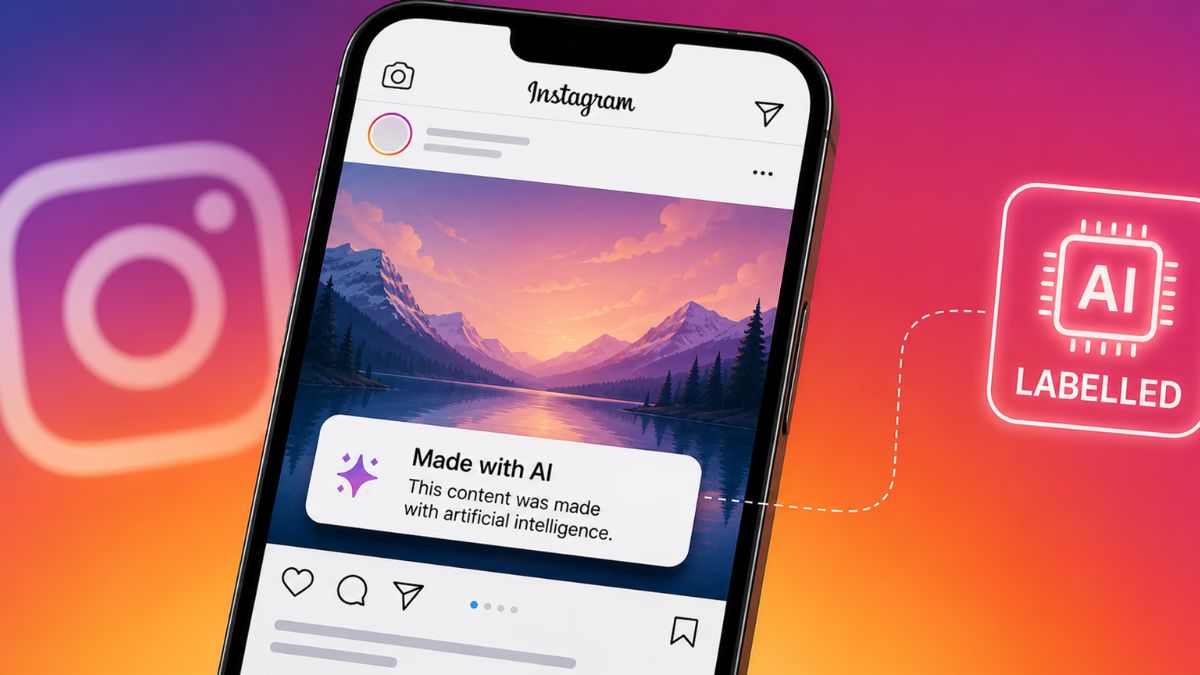
Recent updates affect anyone building a career there. Instagram renamed its AI creator label to an “AI-generated profile” label and began limiting reach and recommendations for profiles built around an AI-generated person that skip it. It is testing an opt-in setting that opens the app straight to the Reels tab. It is retiring the series-linking feature in its Edits app and introducing a way to film over the audio and footage of an earlier Reel. Instagram’s chief has said the platform doesn’t reduce reach just because content is made with AI, but that it wants to find better ways to tell people when something is AI-generated. And Meta’s Creator Marketing Hub now combines its creator marketplace and partnership ads, while Instagram live videos can be used as ad inventory, which gives brands new ways to put money behind creator content.
In this guide, I’ll walk you through an Instagram influencer career playbook: how to position yourself, what to post, how to use these updates, how to earn, and what to avoid. (Platform rules change often, and results aren’t guaranteed.)
What the Latest Changes Mean for You
- Real people have an advantage. Surveys reported with the AI profile label found only about 23% of adults globally are likely to consume content from AI-generated influencers, and around 47% of U.S. adults say they’re very unlikely to follow one. Show your face, voice, and real life.
- The AI profile label is for AI personas, not every AI tool. Instagram has said the label isn’t required for every use of AI. A real creator using AI for editing or captions is in a different situation from a fictional AI persona posing as a human. Still, use post-level AI labels where they apply.
- Reels remain central. The Reels-first test shows where Instagram thinks attention is heading.
- Edits and follow-up formats changed. With series-linking retired, use the new “film over” option for response videos and follow-ups, and plan how you’ll connect content in other ways.
- Link reach is tight for some accounts. Meta has limited link posts for non-paying business Pages, and posts without links make up most feed views. Use bio links, stories, comments, and email.
- Brands have new tools. Partnership ads, the creator marketplace, and live ad inventory mean your content can be amplified, so negotiate usage rights and whitelisting terms.
Step 1: Define Your Niche and Promise
Write one sentence: “I help [specific people] [get a result or enjoy something] with [type of content].” Examples:
- Skincare routines for sensitive skin
- Small-space home organization
- Healthy meals under 30 minutes
- Travel on a student budget
- Style tips for petite women
Keep your profile, highlights, and posts consistent with this promise.
Step 2: Optimize Your Profile
- Name and handle: easy to remember, searchable, and consistent across platforms.
- Bio: who you help, what you post, and a call to action.
- Link: one link to your link page, newsletter, or website.
- Highlights: organized by themes such as “Start Here,” “Reviews,” “Routines,” and “Q&A.”
- Profile photo: clear, friendly, and recognizable.
- Contact option: an email or business contact for collaborations.

Step 3: Create Reels That Earn Attention
A simple Reel formula:
- Hook (first 2 seconds): a problem, question, or surprising result.
- Value: one tip, demo, or story.
- Proof: an example, before and after, or honest result.
- Call to action: save, share, comment, or follow.
Tips:
- Use captions, since many people watch without sound.
- Show real, unpolished moments, not only perfect shots.
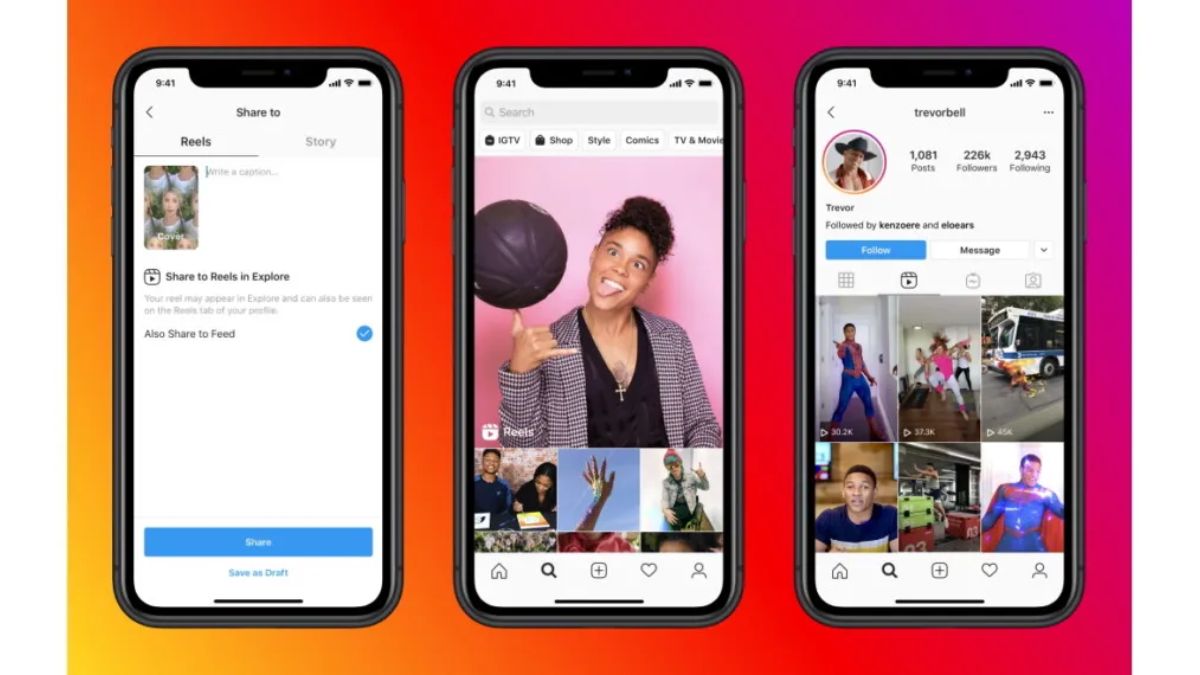
- Reply to comments with Reels when a question is useful for others.
- Keep a regular posting rhythm you can sustain.
- Add your own insight to trends instead of copying them.
Step 4: Build Community, Not Just Views
- Reply to comments and messages, especially in the first hour after posting.
- Use Stories for polls, questions, and behind-the-scenes content.
- Create recurring formats, such as a weekly Q&A or monthly review.
- Go live occasionally to answer questions and sell, if you’re comfortable.
- Ask for feedback about what your audience wants.
Followers who feel seen become customers, clients, and loyal viewers.
Step 5: Use AI Responsibly
- Use AI for brainstorming, editing, and captions, but keep your voice and stories.
- Label AI-generated content where required, and never present an AI-generated face or voice as a real person.
- Don’t fake results, reviews, or credentials.
- Check facts in anything educational.
Step 6: Earn From Instagram
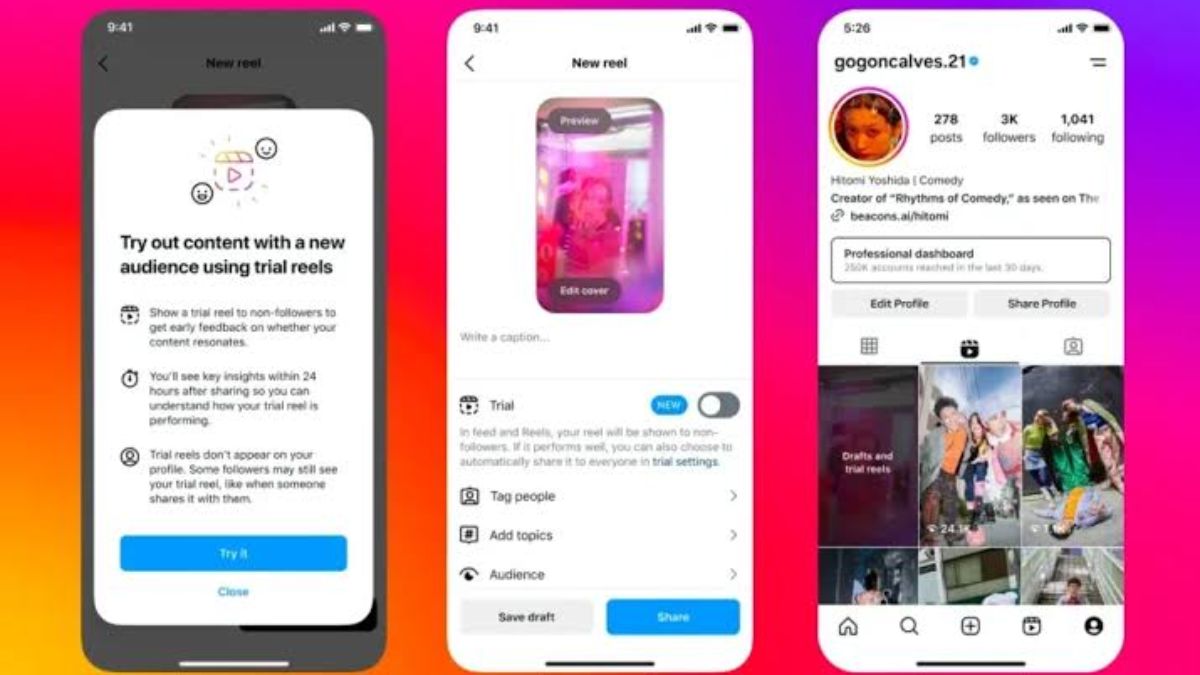
Common income streams:
- Brand partnerships: sponsored Reels, posts, stories, and lives
- Usage rights and partnership ads: extra fees when brands run your content as ads
- Affiliate links and codes: shared through your bio, stories, and comments within platform rules
- Your own products and services: digital products, coaching, or UGC content
- Platform tools and programs where available to you
- Email newsletter and community, to reduce dependence on the algorithm
Price usage rights and exclusivity separately, and use contracts.
Step 7: Measure What Matters
Check Instagram Insights monthly:
- Reach and accounts reached
- Watch time and retention for Reels
- Saves and shares, which often signal real value
- Profile visits and link clicks
- Follower growth by source
- Collaboration results: clicks, code uses, and sales
Brands care about engagement quality and audience fit, not just followers.
Disclosure and Compliance
- Use the paid partnership label and clear words like “ad” or “sponsored.”
- Disclose gifted items and affiliate links.
- Verify products before promoting them, especially health and beauty items.
- Follow local advertising laws. In Vietnam, for example, influencers promoting false or misleading products can be held jointly liable under the amended advertising law.
Mistakes to Avoid
- Chasing trends that don’t fit your niche.
- Buying followers or engagement.
- Using an AI persona without disclosure.
- Posting only promotions.
- Ignoring comments and messages.
- Depending only on Instagram.
- Agreeing to unlimited usage rights.
Your 30-Day Instagram Plan
- Week 1: Define your niche, optimize your profile, and plan 12 pieces of content.
- Week 2: Post three to four Reels and use Stories daily for interaction.
- Week 3: Reply to comments with video, try the film-over feature for a follow-up, and collect questions.
- Week 4: Review Insights, double down on your best formats, and pitch five fitting brands.
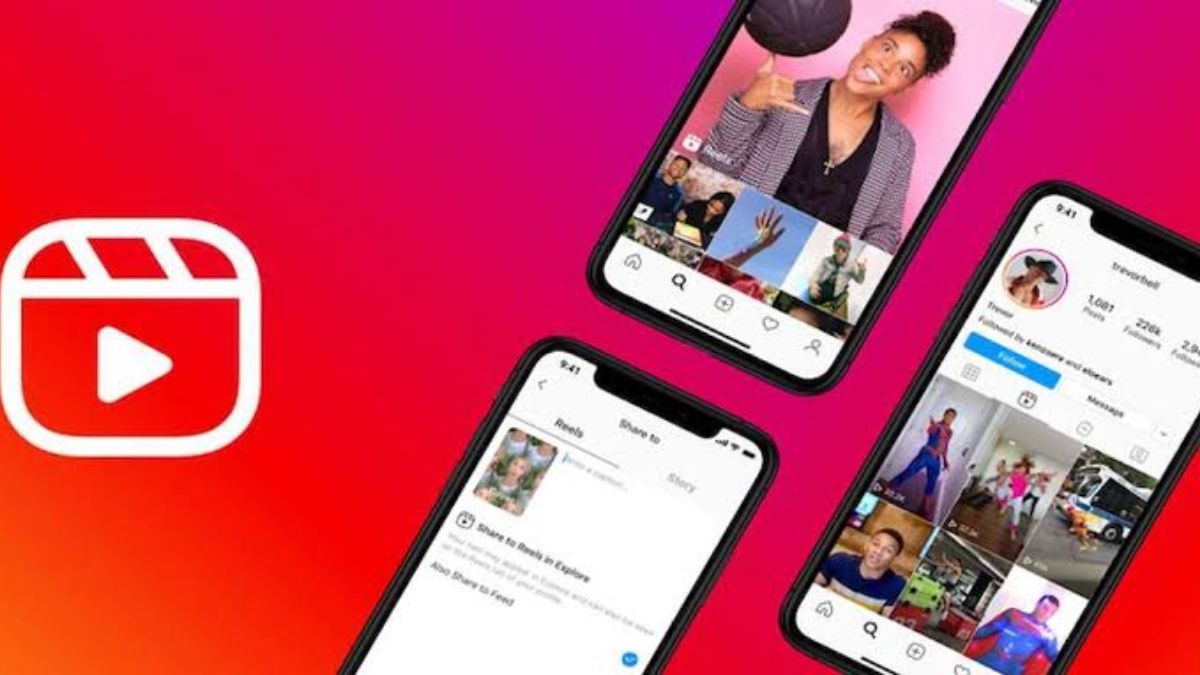
Build Your Instagram Career on a Roadmap
If you’d like a step-by-step guide to building a KOL or influencer career, take a look at my ebook:
The Complete Beginner’s Guide to Building a KOL/Influencer Career
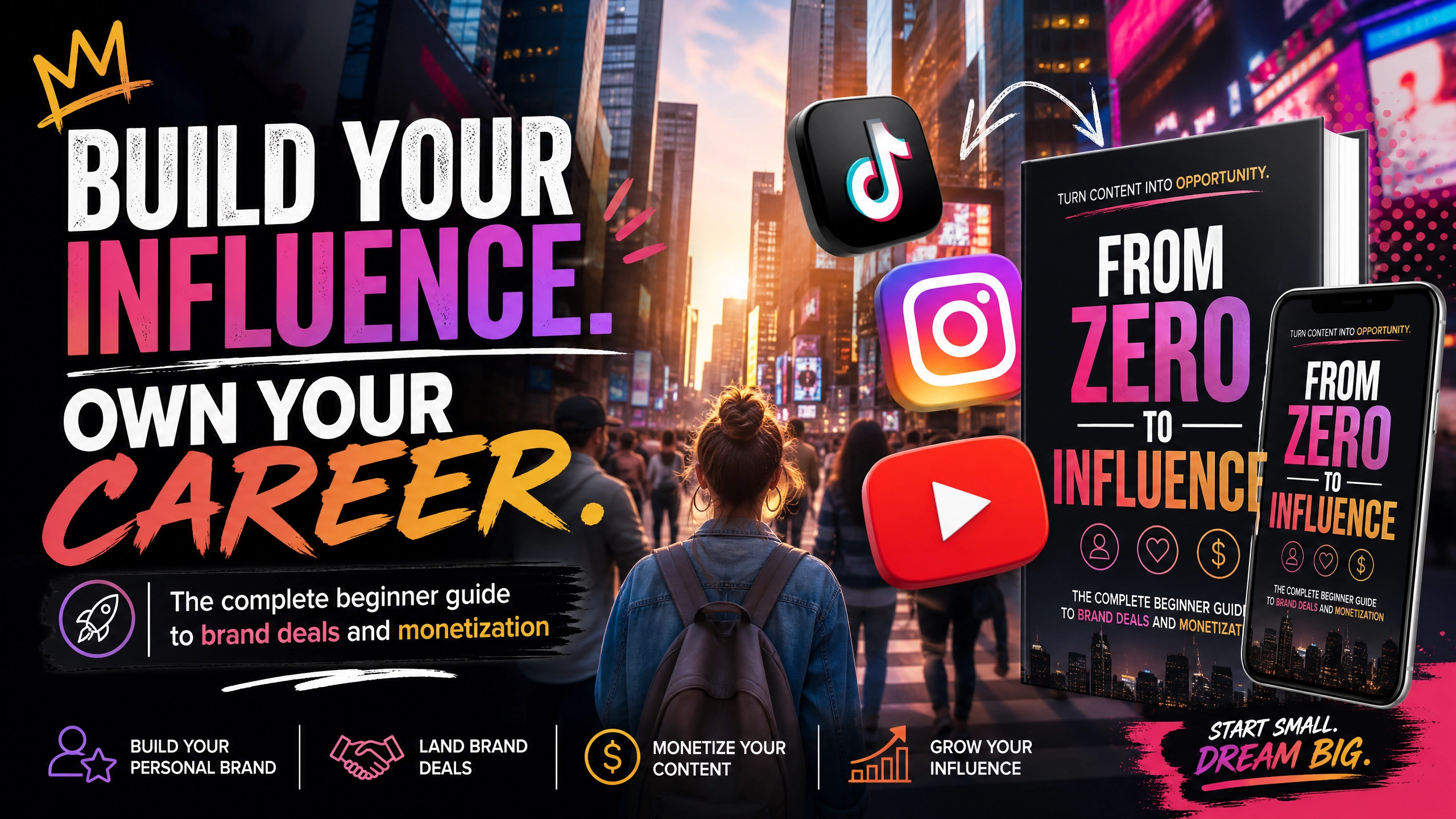
Trust me, a plan keeps you steady when features change.
Final Thoughts
Instagram is still a strong place to build a creator career, especially for real people who show up consistently. Use Reels to attract attention, build community in comments and stories, label AI honestly, earn from several sources, and own your audience through email. Platforms will keep changing, but trust travels with you.










Leave a Reply