

One morning a creator friend woke up to a message from a stranger: “Why are you selling a miracle supplement?” She wasn’t. Someone had used her photos and a cloned voice to run a fake ad, and by lunchtime hundreds of people had seen it. She spent the next two weeks answering angry messages, reporting accounts, and apologizing for something she’d never done. Her income didn’t just dip. It stalled while brands waited to see how it played out.
Reputation is the one asset every creator has, and it’s easier to damage than ever. Deepfakes and impersonation are real risks, so YouTube extended likeness detection to all creators 18 and over and requires disclosure of realistic synthetic content. Instagram labels and limits undisclosed AI-generated profiles. Fake followers and inflated engagement remain a problem in some markets, and brands increasingly verify authenticity. Laws are tightening: in Vietnam, the amended advertising law lets influencers who promote false or misleading products be held jointly liable. And burnout is common among creators and side hustlers, with one survey cited in a side hustle roundup reporting 67% experiencing burnout.
In this guide, I’ll explain how influencers can protect their brand, reputation, and wellbeing: impersonation, deepfakes, controversy, fake engagement, scams, legal risks, and mental health. (This is general information, not legal or mental health advice. Seek qualified help for serious situations.)
Risk 1: Impersonation and Deepfakes
Scammers use creators’ faces, voices, and names to sell fake products, run giveaways, or steal money.
How to protect yourself:
- Claim your handles on major platforms, even ones you don’t use yet.
- Use platform protection tools. If you’re 18 or older and eligible, use YouTube’s likeness detection.
- Keep original files and dated posts so you can prove what’s yours.
- Add a verification note to your bio (“I only sell through these official links”).
- Monitor by searching your name, using alerts, and asking followers to report fakes.
- Report impersonators quickly, using each platform’s tools.
- Warn your audience if you spot a scam using your identity.
- Secure your accounts: strong unique passwords and two-factor authentication.
Here’s the truth: speed matters. The faster you report and warn your audience, the less damage a fake can do.
Risk 2: Controversy and Mistakes
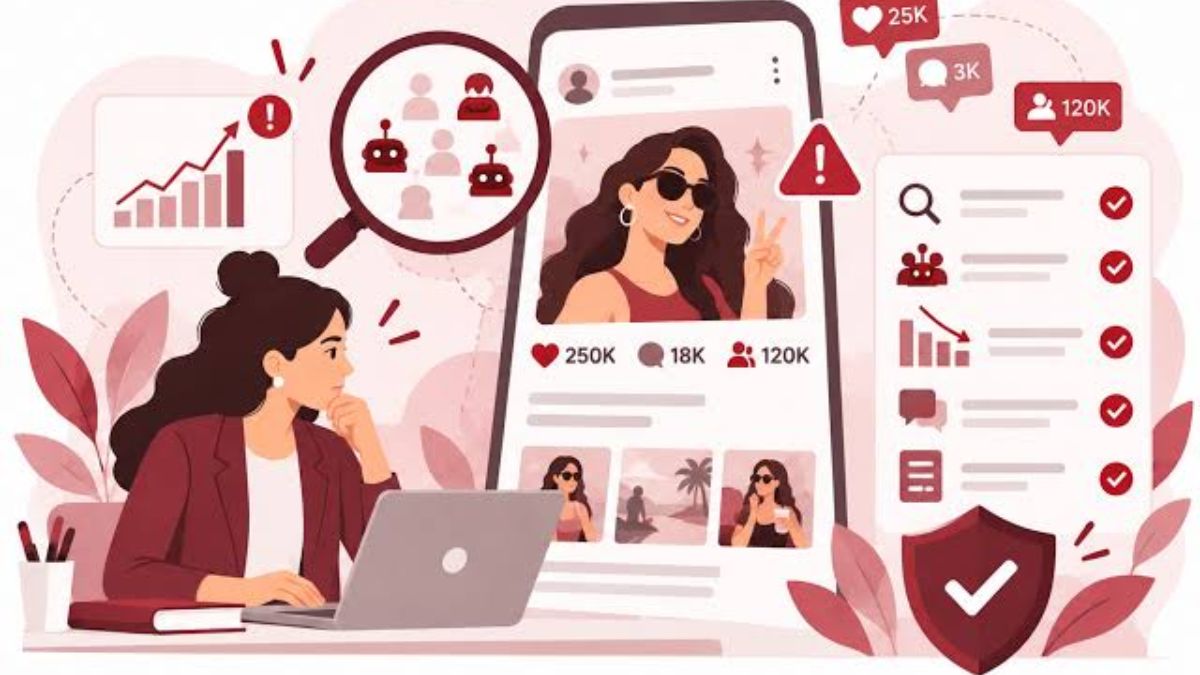
Everyone makes mistakes. How you respond matters more than the mistake.
If something goes wrong:
- Pause before you reply. Don’t react in anger.
- Find the facts. Understand exactly what happened.
- Acknowledge the issue if you were wrong, clearly and without excuses.
- Correct it: remove or fix content, refund, or make it right where possible.
- Communicate once, clearly, on your main channels.
- Tell your brand partners before they hear about it elsewhere.
- Learn and change your process.
If you were wrongly accused, share verified facts calmly, and consider professional advice.
Risk 3: Promoting Unverified or Risky Products
This is one of the fastest ways to lose trust and face legal consequences.
- Verify products and documents before promoting, especially cosmetics, supplements, and health items.
- Check claims against approved information. Don’t repeat claims you can’t support.
- Disclose ads, gifts, and affiliate links clearly.
- Use written agreements that say who is responsible for product documentation and claim accuracy.
- Decline when in doubt.

Risk 4: Fake Followers and Inflated Engagement
Buying followers, likes, or comments may feel like a shortcut, but it can destroy trust and income.
- Brands verify: they may check growth patterns, comment quality, and audience location.
- Platforms detect and penalize artificial engagement.
- Fake numbers hurt real results: brands see poor performance and stop working with you.
Instead, grow honestly, show real analytics, and build an engaged community. If you suspect someone is inflating your numbers (such as a vendor or agency), investigate and stop it.
Risk 5: Scams Targeting Creators
Common creator scams:
- Fake brand deals that ask you to pay a fee, buy products first, or share login details
- Check-overpayment scams: a “brand” sends a check, asks you to forward part of it, and the check bounces
- Phishing messages pretending to be platform support
- “Verification” or “monetization” offers that ask for money or passwords
- Unpaid or never-paid work with no contract
Protect yourself:
- Never pay to get a brand deal.
- Verify the brand through its official website and contact details.
- Use written contracts and clear payment terms.
- Don’t click links in unexpected messages. Go to the platform directly.
- Keep records of conversations and payments.
Risk 6: Legal and Contract Risks
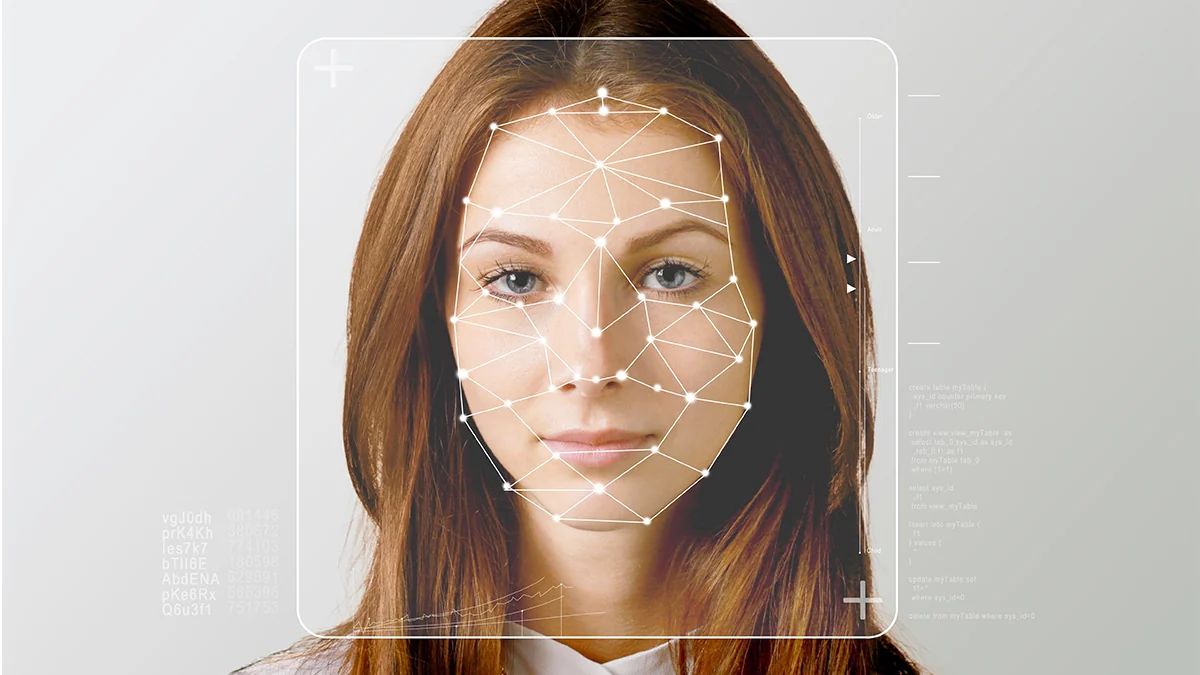
- Understand contracts before signing. Watch for broad usage rights, exclusivity, and AI or likeness clauses.
- Respect copyright for music, images, and clips.
- Follow advertising and disclosure laws where you and your audience are.
- Get professional advice for large or complicated deals.
Risk 7: Privacy and Safety
- Protect your home address, family details, and routines. Avoid showing identifying details in the background of videos or livestreams.
- Be careful with location tags and real-time posting.
- Moderate comments and use block and restrict features.
- Have a plan for harassment: document, report, and seek support. Serious threats should be reported to the relevant authorities.
Risk 8: Burnout and Mental Health
Content creation can be relentless, and comparison and criticism add stress.
Warning signs: dreading posting, irritability, trouble sleeping, feeling numb, working constantly with less joy, or neglecting relationships and health.
What helps:
- Set a sustainable posting rhythm and batch content.
- Take real days off.
- Limit time reading comments and analytics.
- Build a support network: friends, peers, mentors.
- Diversify income so one bad week doesn’t feel like a catastrophe.
- Talk to a professional if you’re struggling. You deserve support.
Build a Reputation Plan
- Write your values: what you will and won’t promote.
- Create a verification checklist for products.
- Prepare a response plan for mistakes and attacks.
- Secure your accounts and handles.
- Keep records of contracts, documents, and posts.
- Review your public profiles twice a year for outdated or risky content.
Mistakes to Avoid
- Buying followers or engagement.
- Promoting unverified products.
- Ignoring impersonation.
- Responding to controversy angrily or too late.
- Sharing private details publicly.
- Skipping contracts and disclosure.
- Ignoring burnout.
Your 7-Day Protection Plan
- Day 1: Claim your handles and secure your accounts.
- Day 2: Add a verification note to your bio and a list of official links.
- Day 3: Set up name alerts and check for impersonators.
- Day 4: Write your brand values and product verification checklist.
- Day 5: Create a crisis response outline.
- Day 6: Review your privacy settings and background details in recent videos.
- Day 7: Schedule rest and set a weekly working-hours limit.
Build a Career You Can Sustain
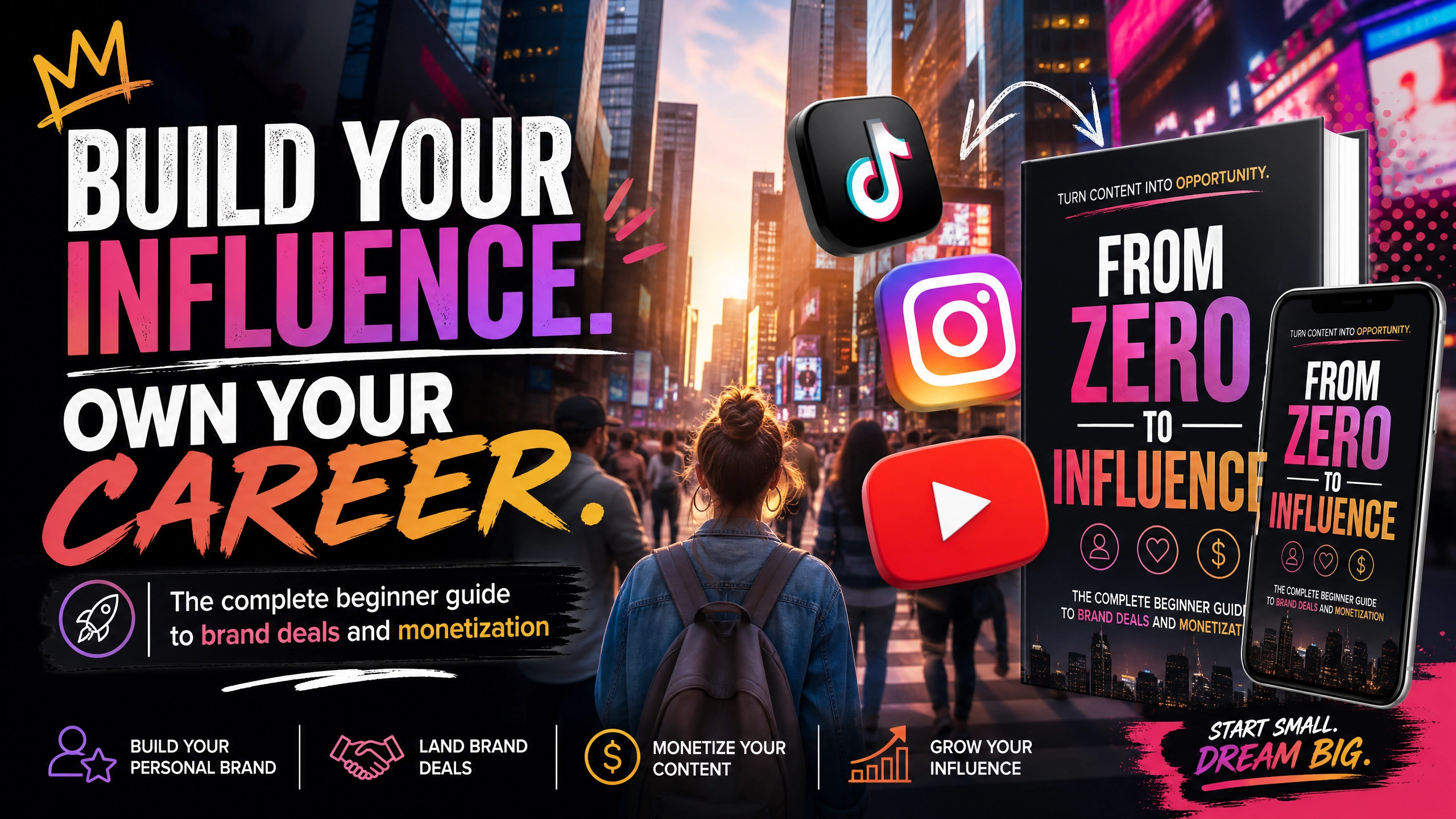
If you’d like a step-by-step guide to building a KOL or influencer career with strong foundations, take a look at my ebook:
The Complete Beginner’s Guide to Building a KOL/Influencer Career
Trust me, protecting your reputation is part of the job.
Final Thoughts
Your name, face, and trust are your business. Protect them with verification, honesty, secure accounts, clear contracts, and boundaries that keep you healthy. Mistakes happen, but a creator with a strong foundation and a calm response plan can recover from almost anything.









Leave a Reply