


A few weeks ago, a new client told me, “I asked ChatGPT who could help me with this, and your name came up.” I’ll be honest, I stared at the message for a solid minute. I hadn’t done anything special. No secret hack, no paid placement. But I had spent a long time publishing clear, specific, helpful content under one consistent name.
That moment captures a big shift for one-person businesses. More buyers now ask AI assistants for recommendations, and AI answers sit at the top of search results. If you’re a solopreneur with no marketing team and no big ad budget, this can feel scary. It can also be a real opportunity, because AI tools tend to reward clarity, specificity, and real expertise, which are things a focused solo business can offer.
In this guide, I’ll explain how to get recommended by AI, what the latest data says about AI search, and a simple plan to make your business easier for both people and machines to find.
What the Data Says About AI and Discovery
Here are some signals worth knowing (treat the exact numbers as directional, since studies vary):
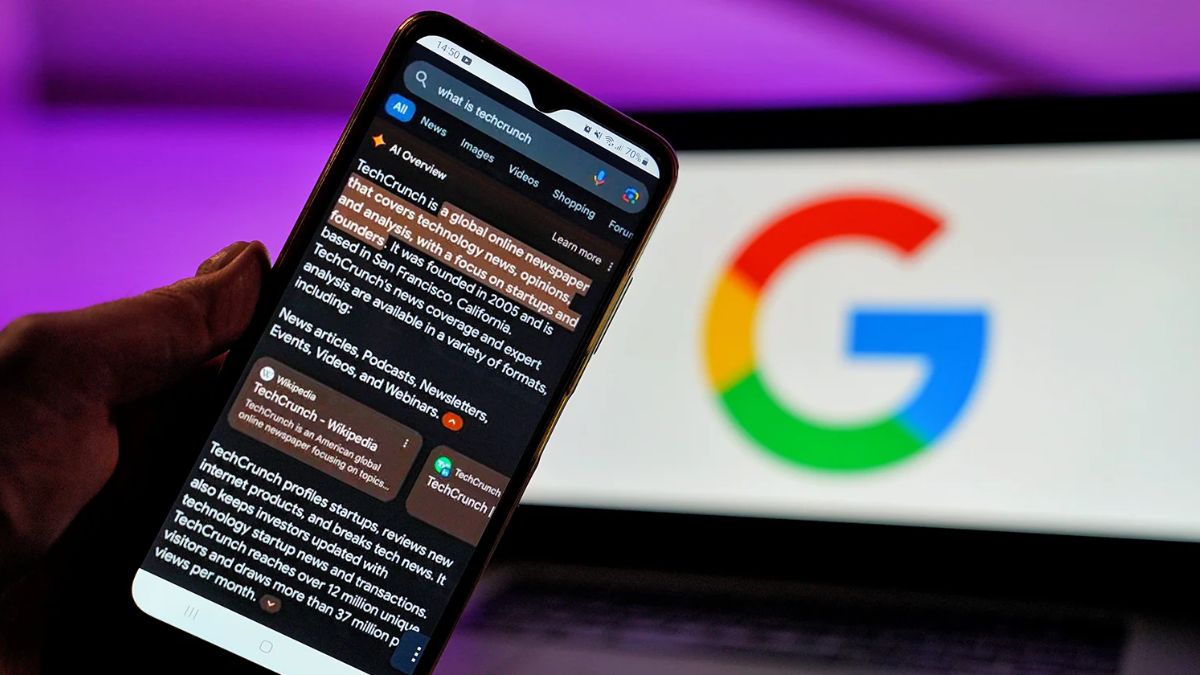
- AI answers are showing up a lot. Comscore data reported that Google’s AI Overviews appeared in nearly 40% of U.S. desktop searches at one point, up from about a quarter a year earlier.
- More searches end without a click. Studies published in Search Engine Journal put zero-click searches at roughly 68% of U.S. Google searches.
- AI tools like specific, question-based content. Searches phrased as questions, especially “why,” “what,” and “who,” triggered AI answers far more often than short keyword phrases.
- Creators and experts get cited. Research shared in industry newsletters found that about 60% of the product videos cited by AI recommendation tools came from creators, compared with about 10% from brands. Detailed, honest reviews seemed to matter more than production polish.
- Social and community platforms show up everywhere. An SE Ranking study found social or community sources in about 68% of Google AI Overviews, with YouTube and Reddit among the most common.
- AI is influencing buying journeys. A discussion of Stripe’s data reported that AI-influenced journeys make up a much larger share of new signups than before, which suggests that a good product can get recommended by AI without a big ad budget. (This is a summary of a summary, so verify with Stripe’s original reporting before quoting it.)
Here’s the balanced truth: traditional search isn’t dead. One study found about a third of shoppers still start with a site’s own search bar, while under one in ten start with an AI chat assistant. So you need to be findable in both worlds.
How AI Tools Decide Who to Recommend
Nobody outside the AI companies knows the exact formulas, and they change. But the patterns are clear from what gets cited:
- Clear, specific answers. Pages that directly answer a question are easier to use.
- Real experience and proof. Case studies, results, screenshots, and honest reviews.
- Consistent identity. The same name, bio, and focus across your website and profiles.
- Presence in many places. Your own site, YouTube, LinkedIn, communities, podcasts, and press mentions.
- Freshness. Up-to-date information, especially on topics that change.
- Trust signals. Reviews, testimonials, credentials, and mentions from others.
Step 1: Define Exactly What You Do and Who You Help
AI can’t recommend a vague business. Write one clear sentence:
“I help [specific type of customer] [achieve specific result] with [your specific approach].”
Example: “I help freelance designers set up simple bookkeeping so they stop dreading tax time.”
Use that sentence on your homepage, social bios, and directory listings.
Step 2: Build a Simple, Clear Website
Your website is the home base AI and search engines can understand best. Include:
- A homepage that says who you help and how, in plain language
- Service pages with scope, process, pricing guidance, and FAQs
- An About page with your real name, photo, story, and credentials
- Proof: testimonials, case studies, and results
- Contact details and, if relevant, your location and service area
Use headings that match real questions customers ask.
Step 3: Publish Question-Led Content
Create a small library answering the questions your ideal customer asks before hiring someone:
- “How much does [service] cost?”
- “How do I choose a [type of provider]?”
- “What’s the difference between X and Y?”
- “What mistakes should I avoid when [doing task]?”
Start each section with a direct answer in the first couple of sentences, then add details, examples, and your own experience.
Pro tip: Collect questions from sales calls, emails, and DMs. They’re gold.
Step 4: Add Proof AI Can’t Fake
Generic content is easy to produce, so original evidence stands out. Share:
- Real client results (with permission)
- Screenshots, before-and-after examples, and templates you’ve used
- Prices or timelines you’ve actually seen
- Mistakes you made and what you learned
- Your own opinions and how you decide things
If you use AI to help draft, fact-check every claim and add your own experience. Google has told publishers to manually verify AI-generated content before publishing.

Step 5: Show Up Where AI Looks
Since social and community sources appear so often, don’t ignore them:
- YouTube: Create short, helpful videos that answer common questions. Use descriptive titles and clear summaries.
- LinkedIn or Medium: Publish articles that show your expertise.
- Communities and forums: Answer questions helpfully and honestly, without spamming. Read each community’s rules first.
- Podcasts and guest features: Mentions on other sites reinforce your name and topic.
- Reviews: Ask happy customers for honest reviews on the platforms relevant to your business.
Step 6: Claim Your Profiles and Keep Them Consistent
- Use the same name, bio, and website link everywhere.
- Claim your Google Business Profile if you serve a local area, and keep hours and details accurate.
- If you have a sizeable following, check whether you qualify to claim a Google Search profile.
- Update old directory listings and guest-author bios.

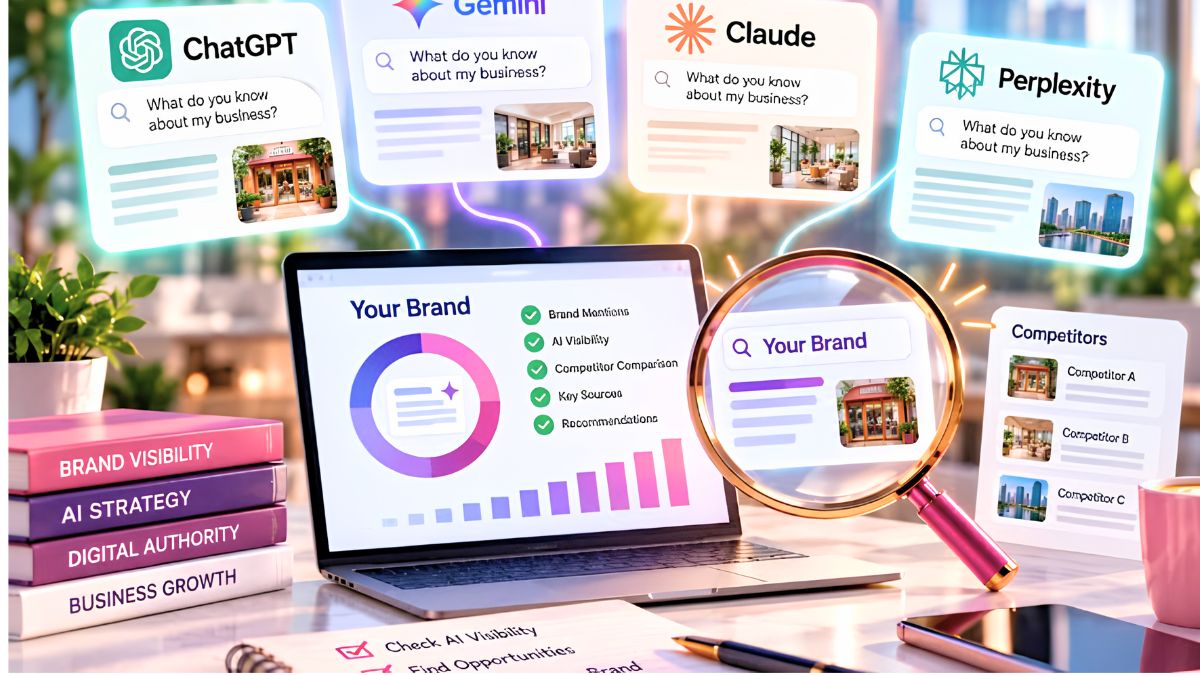
Step 7: Check What AI Says About You
Once a month, ask a few AI assistants and search tools:
- “Who is [your name]?”
- “Who are good [your service] providers for [your customer type]?”
- “What does [your business name] do?”
Note what they say, what they get wrong, and what they miss. Then fix gaps by updating your site, profiles, and content. Don’t try to “trick” AI. Make your information clear and consistent.
Step 8: Track Your Traffic Honestly
AI traffic can be messy to measure. Platform changes can mislabel visits as direct traffic, so don’t panic over one-week swings. A few simple habits:
- Create a custom channel group for AI sources in your analytics.
- Add a “How did you hear about us?” question to your contact form, with AI assistants as an option.
- Watch trends across several weeks rather than single days.
- Track what matters: inquiries, bookings, and sales.
Step 9: Be Ready for AI Shopping and Agents
More AI tools can now help shoppers compare, save, and even check out. If you sell products or bookable services:
- Keep prices, availability, and descriptions accurate everywhere you list them.
- Make your booking or checkout process simple and clear.
- Review settings in any commerce platform you use, since some AI checkout options may be enabled by default for eligible stores.

Common Mistakes to Avoid
- Being vague. “I do marketing for everyone” won’t be recommended for anyone.
- Using inconsistent names or bios across platforms.
- Publishing unedited AI content. It blends in and can hurt trust.
- Faking reviews or credentials. It backfires and violates platform rules.
- Ignoring traditional SEO and local listings.
- Panicking over short-term traffic changes.
A 14-Day Visibility Sprint
- Days 1-2: Write your one-sentence offer and update your bios.
- Days 3-5: Improve your homepage and one key service page.
- Days 6-8: Publish one question-led article or video.
- Days 9-10: Collect two testimonials and add them to your site.
- Days 11-12: Answer five questions in communities relevant to your niche.
- Days 13-14: Run your “What does AI say about me?” check and record the results.
Turn Visibility Into Clients
Being recommended is only the first step. Your offer, process, and follow-up systems turn attention into income. If you’d like a step-by-step roadmap for building an AI-powered solo business that attracts and serves clients well, take a look at my ebook:
Trust me, the best marketing is a clear offer and a system that delivers.
Final Thoughts
AI discovery is changing how buyers find help, but the foundation is familiar: be specific, be helpful, show real proof, and be consistent. As a solopreneur, you can move faster than big companies at exactly those things. Update your core pages, publish a few genuinely useful answers, show up in a couple of communities, and check what AI says about you. Small, steady steps will put you where your future clients are already asking.










Leave a Reply