

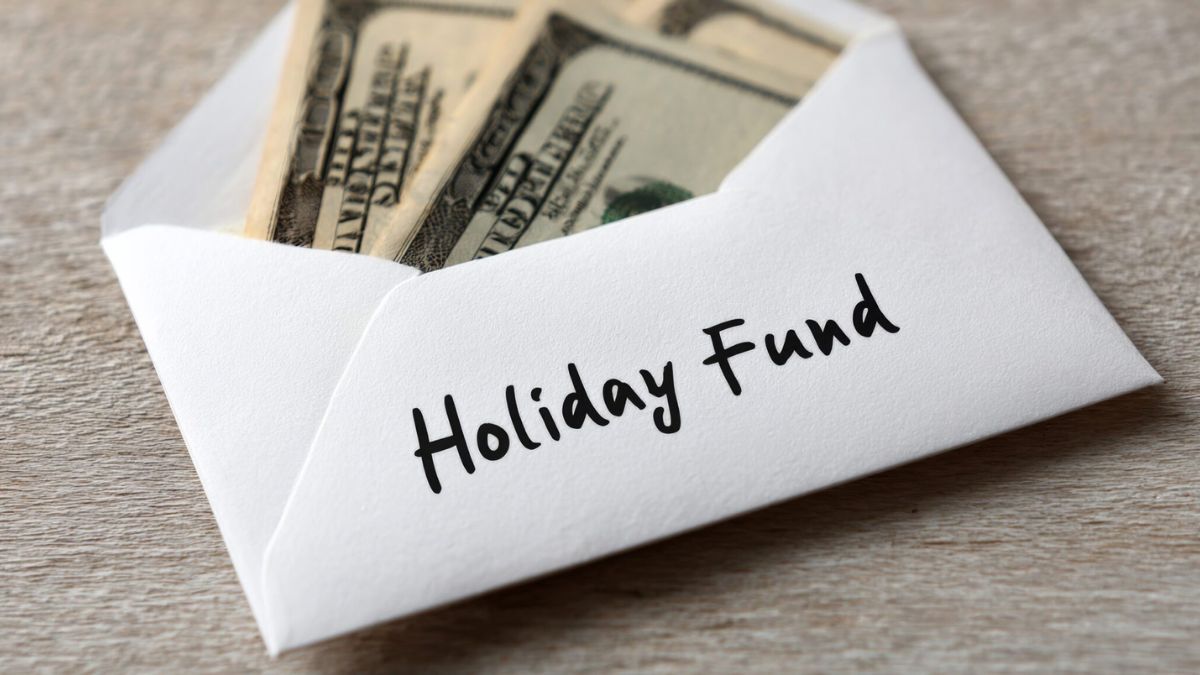
Let’s be honest: the word “budget” makes most of us want to hide under a blanket. It sounds strict, boring, and a little bit scary. But here’s the truth, boss babe: a budget is not a punishment. It is permission. It gives you permission to spend on the things you love, because you already know your bills are covered and your future is being looked after.
If you’ve tried budgeting before and quit after two weeks, you’re not alone. Most budgets fail not because you failed, but because the system was too complicated, too rigid, or too hard to keep up with. In this guide, I’ll walk you through how to create a budget that actually works for real life, one that you can start today and stick with for the long haul.
By the end, you’ll have a clear monthly money plan, a simple tracking routine, and the right tools to make it all feel easy.
Why Most Budgets Fail (And How to Avoid It)
Before we build yours, let’s talk about why budgets break down. Knowing the traps helps you sidestep them.
1. The budget is too detailed. Splitting your money into 40 tiny categories sounds organized, but it becomes exhausting. Start with 8 to 12 categories at most.
2. There’s no room for fun. If your budget has zero “fun money,” you’ll rebel within a month. A realistic budget includes coffee dates, hobbies, and the occasional impulse buy.
3. You never look at it again. A budget you create once and forget is just a pretty document. The magic is in the weekly check-in.
4. It doesn’t match your real income. Freelancers, side hustlers, and business owners often have irregular income. Your budget needs to flex with that.
Keep those four traps in mind as we go through the steps below.

Step 1: Know Exactly What You Earn
Start with your monthly take-home income, the money that actually lands in your bank account after taxes. If you have a steady paycheck, this is easy. If your income varies, use the lowest amount you’ve earned over the last three to six months as your baseline. Anything extra becomes a bonus you can assign to savings or debt.
Write down every source: your day job, side hustle, freelance work, digital product sales, and any other regular income. Seeing the full picture often feels surprisingly empowering.
Step 2: List Your Fixed Expenses
Fixed expenses are the bills that stay roughly the same every month: rent or mortgage, insurance, phone, internet, subscriptions, loan payments, and so on. These are your non-negotiables, so list them first.
Tip: scroll through your last two bank statements and check for forgotten subscriptions. Many women I know find $30 to $60 a month hiding in apps they haven’t opened in ages.
Step 3: Estimate Your Variable Expenses
Variable expenses change month to month: groceries, gas, dining out, shopping, entertainment, and personal care. The best way to estimate these is to look back at your last three months of spending and take an average.
Don’t judge yourself here. The goal is honesty, not perfection. You can’t fix what you haven’t faced.

Step 4: Choose a Simple Budgeting Method
You don’t need a complicated formula. Here are three beginner-friendly options:
- The 50/30/20 rule: 50% of income to needs, 30% to wants, 20% to savings and debt payoff. It’s simple and flexible.
- Zero-based budgeting: Every dollar gets a job, so income minus expenses equals zero. Great if you love control.
- The envelope method: Assign cash (or digital “envelopes”) to categories like groceries and fun. When the envelope is empty, spending stops.
Pick the one that feels easiest to follow. You can always switch later.
Step 5: Put It All on Paper (or Screen)
This is where a good planner saves you. Instead of juggling notes and half-finished spreadsheets, use a clean template that organizes everything in one place.
My Budget Planner is designed to help you map out income, bills, spending, and savings on one clear layout, so you can see where every dollar goes at a glance. If you love customizing your tools with your own colors, fonts, and branding, the Budget Planner Editable Canva Template lets you tweak everything in Canva and print it or use it digitally on your tablet.
A visual, pretty planner makes you want to open it, and that’s half the battle.

Step 6: Build a Savings Buffer
A budget without savings is a house without a roof. Even if you can only set aside a small amount, start there. A starter emergency fund of $500 to $1,000 protects you from surprise expenses and stops you from relying on credit cards.
Once you’re comfortable, work toward three to six months of living expenses. If you need a roadmap, the Savings Plan template helps you set goals, break them into smaller milestones, and watch your progress grow week after week.

Step 7: Schedule a Weekly Money Date
This is the habit that makes everything stick. Once a week, grab your favorite drink and spend 15 minutes with your budget:
- Record your spending from the week
- Compare it to your plan
- Adjust next week’s spending if needed
- Celebrate one small win (yes, really!)
Make it a ritual, not a chore. Light a candle, play music, and treat it like a date with your future self.

Common Budgeting Mistakes to Avoid
Even with a great plan, a few mistakes can sneak in:
- Forgetting irregular expenses. Car repairs, gifts, annual subscriptions, and holidays aren’t monthly, but they’re real. Divide the yearly cost by twelve and set that amount aside monthly.
- Being too hard on yourself. One overspent week doesn’t ruin your budget. Adjust and move forward.
- Not involving your partner. If you share finances, schedule a money talk so you’re both on the same page.
- Ignoring small purchases. Daily coffees and app subscriptions add up quickly. Awareness alone often cuts spending.

How to Budget With Irregular Income
If you’re a freelancer, creator, or business owner, your income can feel like a rollercoaster. Here’s a simple approach:
- Calculate your average monthly income over the last six months.
- Pay yourself a fixed “salary” from your business account each month.
- In high-income months, deposit the extra into a buffer account.
- In low-income months, draw from that buffer to keep your salary steady.
This smooths out the bumps and gives you the stability of a regular paycheck.
A Simple Monthly Budget Example
Seeing numbers makes everything clearer, so here’s a sample using the 50/30/20 rule with a $3,000 monthly take-home income:
- Needs (50% = $1,500): rent, utilities, groceries, transportation, insurance, minimum debt payments
- Wants (30% = $900): dining out, shopping, streaming services, hobbies, travel fund
- Savings and debt payoff (20% = $600): emergency fund, retirement contributions, extra debt payments
Your own numbers will look different, and that’s perfectly fine. If you live in an expensive city, your needs might take up 60% of your income for a while. Simply shrink the wants category temporarily and keep a small amount for savings. The point isn’t to hit a perfect ratio but to have intentional numbers.

How to Stay Motivated Month After Month
The first month of budgeting is exciting. By month three, motivation fades. Here’s how to keep going:
- Give your goals a face. Instead of “save money,” write “$2,000 for my Bali trip” or “three months of runway for my business.” Specific goals are more motivating.
- Track your wins. Every time you stay under budget in a category, note it. Little victories build momentum.
- Reward yourself (within budget!). Hit a milestone? Plan a small celebration that’s already in your fun money.
- Review monthly. At the end of each month, ask what worked, what didn’t, and what to change. Your budget should evolve with your life.
A budget is a living tool. The more you use it, the more natural it becomes, and soon you’ll make smart money decisions without even thinking about it.

Quick-Start Checklist
Ready to begin? Here’s your 30-minute plan:
Write down your monthly income
List fixed bills
Estimate variable spending
Choose a budgeting method
Set up your planner template
Open a savings account or label a savings category
Book your first weekly money date
Frequently Asked Questions
How long does it take to build a budget? Your first one takes about an hour. After that, weekly updates take roughly 15 minutes.
What’s the best way to track spending? Whichever you’ll actually use. Some people love apps, others prefer a printable planner or an editable template they can fill in digitally.
What if I overspend? Don’t panic. Look at what triggered it, adjust other categories if needed, and keep going. Consistency beats perfection.
Can I use a budget planner on my iPad or phone? Yes! Canva templates work beautifully on tablets, and you can also print them for a hands-on experience.

Final Thoughts
Budgeting isn’t about restriction. It’s about clarity, confidence, and choice. When you know where your money goes, you stop feeling anxious and start making decisions that support the life you want.
Start small, stay consistent, and give yourself grace along the way. Grab your Budget Planner, set up your first month, and take that first step toward financial peace. You’ve got this, boss babe.











Leave a Reply