


There was a month when I worked until midnight nearly every night. I told myself I was being productive, building momentum, “hustling.” Then one Thursday morning, I sat down at my desk and couldn’t write a single sentence. My brain felt like static. I wasn’t just tired. I was depleted in a way a nap couldn’t fix. That was my wake-up call: a business built on exhaustion isn’t sustainable.
If you want to avoid burnout in your online business, you’re making one of the smartest moves a woman entrepreneur can make. Many of us juggle work, family, caregiving, and invisible mental loads, all while trying to build something of our own. Without protecting your energy, even the best ideas stall.
In this guide, I’ll walk you through the warning signs of burnout, energy-friendly routines, boundaries, and gentle habits that support your body and mind, so your business can grow without costing you your wellbeing.
What Burnout Really Is
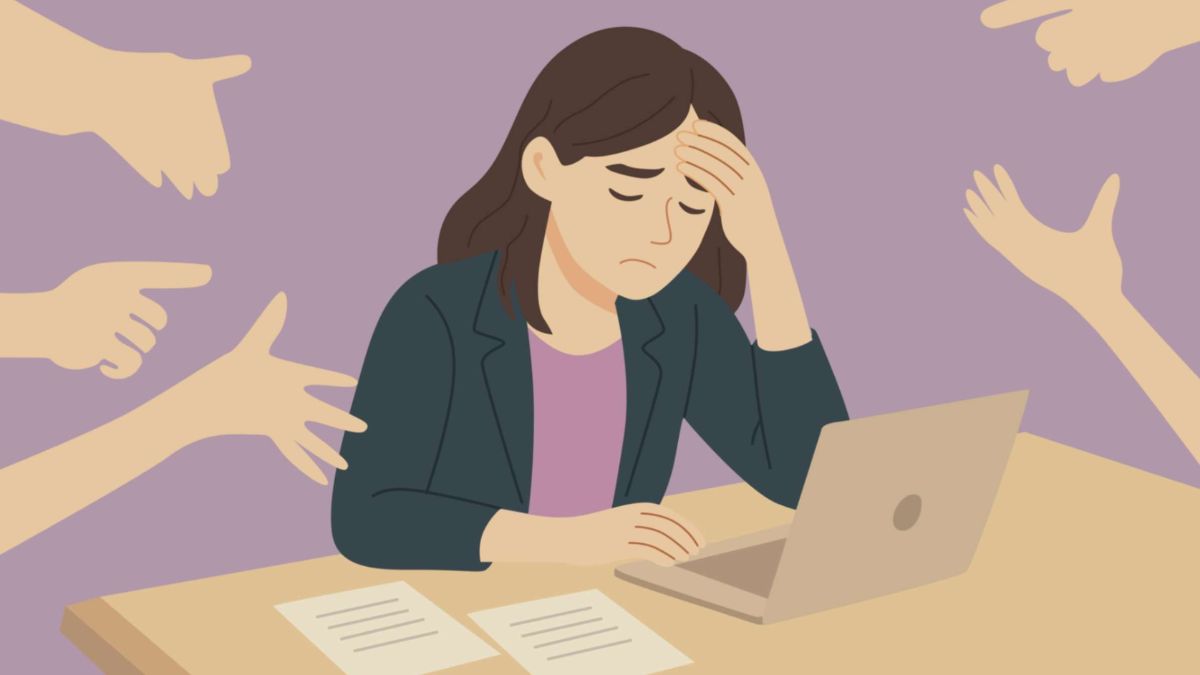
Burnout is a state of prolonged physical, emotional, and mental exhaustion, often caused by chronic stress and overwork. It isn’t just feeling tired.
Common Signs
- Constant fatigue that rest doesn’t fix.
- Loss of motivation for work you once loved.
- Irritability or feeling overwhelmed by small tasks.
- Difficulty concentrating or making decisions.
- Dreading work or feeling detached.
- Physical symptoms like headaches, tension, or disrupted sleep.
- Declining performance despite working more.
The honest part: Burnout can build quietly. Many entrepreneurs ignore the signals because they believe pushing harder is the only way to succeed. In reality, rest and recovery are part of high performance.
Why Women Entrepreneurs Face Unique Pressures
Every person’s situation differs, but many women describe:
- The mental load of managing household and family responsibilities.
- Caregiving duties for children, partners, or aging parents.
- Pressure to be “perfect” at work and at home.
- Isolation when building a business alone.
- Guilt about time spent on work or rest.
- Energy fluctuations connected to sleep, stress, and, for many, hormonal cycles.
Recognizing these pressures helps you plan around them instead of blaming yourself.
Step 1: Audit Your Energy, Not Just Your Time
Time management matters, but energy management matters more. Two hours of focused, energized work can beat six hours of foggy effort.
A Simple Energy Audit
For one week, note:
- When you feel most alert and when you hit slumps.
- Which tasks energize you and which drain you.
- How sleep, food, and movement seem to affect your focus.
- How your energy shifts across the month, if you track your cycle.
Then schedule your most important work during high-energy windows and lighter tasks during low ones.
Step 2: Build Sustainable Work Rhythms
Use Work Sprints
- Work for 25 to 50 minutes, then take a 5 to 10 minute break.
- Take a longer break every few sessions.
- Stop at a set time each day.
Plan Your Week Around Energy
- High-energy days: Create, write, film, and make big decisions.
- Lower-energy days: Handle admin, organize, plan, and do light outreach.
- Rest days: Truly rest. No “just checking email.”
Batch and Automate
Batching similar tasks and automating repeatable processes reduces decision fatigue. AI can help draft, outline, and organize so you spend your best energy on strategy and connection. The Claude Advantage shows how to prompt effectively to save time, and The AI-Powered Solopreneur maps out simple systems that lighten your workload.
Step 3: Protect Your Sleep
Sleep is the foundation of energy, mood, and focus.
- Keep a consistent schedule, even on weekends when possible.
- Create a wind-down routine: dim lights, stretch, read, or journal.
- Limit screens before bed.
- Avoid late-night work marathons.
- Keep your bedroom cool, dark, and quiet.
- Limit caffeine later in the day.
If you struggle with persistent sleep problems, talk with a healthcare professional.
Step 4: Nourish and Move Your Body Gently
You don’t need extreme routines. Small, steady habits help.
- Eat regular, balanced meals that include protein, fiber, and healthy fats.
- Stay hydrated.
- Move daily: walks, stretching, yoga, or dancing in the kitchen.
- Take short movement breaks during work.
- Get daylight when you can.
Hormone-Aware Habits
Many women find that energy, mood, and focus shift throughout their menstrual cycle, perimenopause, postpartum period, or other life stages. Everyone’s body is different, and individual health needs vary. If you want a gentle, educational introduction to supporting your body through lifestyle habits, The Hormone Balance Blueprint is one resource to explore. Remember that it’s not a substitute for medical care, and it’s wise to consult a healthcare provider about symptoms such as severe fatigue, mood changes, irregular cycles, or other concerns.
Step 5: Set Boundaries Without Guilt
Boundaries protect your energy and your relationships.
- Set working hours and communicate them to clients and family.
- Turn off notifications outside work time.
- Say no to projects that don’t fit your goals or capacity.
- Delegate or outsource when you can.
- Ask for help at home and share the mental load.
- Take real vacations, or at least real days off.
You’re not being selfish. You’re protecting the engine that powers your business and your life.
Step 6: Build Support and Community
Isolation magnifies stress.
- Join a community of entrepreneurs or women in business.
- Find an accountability partner.
- Share challenges with trusted friends.
- Consider coaching or therapy if you need deeper support.
- Celebrate wins with people who cheer for you.
Step 7: Redefine Productivity and Success
Hustle culture sells the idea that more hours equal more success. Reality is different.
- Focus on the few tasks that actually move your business forward.
- Use a short daily priority list, such as three key tasks.
- Measure progress by outcomes, not hours.
- Allow seasons of slower growth, especially during busy family periods.
- Define “enough” for income, hours, and goals.
If you’d like to build a brand and business that fit your values rather than hustle culture, The Personal Brand Blueprint can help you shape something that feels authentic. And The Stay-At-Home Mom’s Guide to Making Money Online offers flexible models that respect family life.
Step 8: Reduce Financial Stress
Money worries drain energy.
- Track your income and expenses.
- Build an emergency fund.
- Create a simple budget with room for rest and self-care.
- Set aside money for taxes. Consult a qualified professional.
The Smart Mom’s Complete Guide to Money offers friendly, practical guidance for creating financial calm. And for inspiration building restorative routines, Glow Up Your Life can help you create habits that keep you feeling like yourself.
A Gentle Daily Routine for Energy
Here’s a sample structure you can adapt:
- Morning: Wake at a consistent time, hydrate, get daylight, and move gently for 10 minutes.
- Mid-morning: Do your most important work in a focused sprint.
- Midday: Eat a balanced lunch away from your screen and take a short walk.
- Afternoon: Handle admin, calls, and lighter tasks.
- Late afternoon: Stop work, review tomorrow’s three priorities, and close the laptop.
- Evening: Spend time with loved ones, wind down, and prepare for sleep.
What to Do If You’re Already Burned Out
If you’re in the thick of it:
- Acknowledge it. You’re not weak, and you’re not failing.
- Reduce your load where possible: pause projects, delay launches, or reduce client work.
- Prioritize rest, sleep, and nourishing food.
- Talk to someone you trust.
- Seek professional support. A healthcare provider or mental health professional can help assess what’s going on.
- Rebuild slowly. Add tasks back gradually and notice what drains you.
If you ever feel hopeless or unsafe, please reach out to a local crisis line or emergency services right away.
Mistakes to Avoid
- Ignoring early warning signs.
- Believing rest is laziness.
- Saying yes to everything.
- Comparing your pace to others.
- Skipping meals and sleep to work.
- Doing it all alone.
Quick Answers About Burnout and Energy
How do I know if I’m burned out or just tired? Tiredness usually improves with rest. Burnout persists, and often includes loss of motivation and feeling detached. If you’re unsure, consult a healthcare professional.
Can I still grow my business while resting more? Yes. Sustainable rhythms often lead to better, more consistent growth than constant overwork.
Do hormones really affect productivity? Many women notice energy and mood changes across life stages, though experiences vary widely. Talk with a healthcare provider about your individual needs.
What if I can’t afford to slow down? Start with small changes, such as protecting sleep and setting a stopping time, and build supportive systems gradually.
Your Wellbeing Is the Foundation of Your Business
Learning to avoid burnout in your online business means treating your energy as a valuable resource. Choose sustainable rhythms, protect your sleep, set boundaries, and ask for support. Your business can grow without costing you your health.
This week, choose one change: a stopping time, a bedtime, or a daily walk. Trust me, the businesses that last are built by women who take care of themselves, and you deserve that care. Take a deep breath, and keep going gently!










Leave a Reply